
Reviewed · COOKING CLASSES
Noto: Highlights Experience tour Cooking from Farm to Fork
The best part of this four-hour Noto experience is that you start in the farm garden, not at a cooking bench. You collect vegetables and eggs, then carry them into the kitchen to turn fresh ingredients into handmade pasta, cannoli, a traditional dessert, and another seasonal dish.
I like the private-group setup and the warm, family-style feel described by participants. I also like the practical zero-waste lessons, including ways to turn leftovers into gels, powders, and crisp chips for a polished presentation. The main consideration is transport: getting to the countryside farm is your responsibility, and the $158.60 price does not include it.
In This Review
- Key points
- Starting in the Noto countryside garden
- Meeting the Sicilian cooking team
- Making pasta, cannoli, and seasonal dishes
- Zero-waste cooking with a Sicilian accent
- Appetizers, lemonade, and the meal you prepare
- Why the private-group format matters
- Planning your arrival near Noto
- Who will enjoy this cooking class most
- Should you book the Agrimaccari experience?
- FAQ
- How long does the cooking experience last?
- How much does the experience cost?
- Where does the cooking class take place?
- What food will I learn to prepare?
- Is lunch included?
- Is wine included?
- Do I need cooking experience?
- What languages are available?
- Is the activity private and wheelchair accessible?
- What should I wear?
Key points
- Harvest before cooking: Pick vegetables and gather eggs from Agrimaccari’s own farm.
- Chefs with long experience: Rabbi and Giusi bring more than 20 years in the food industry, with Jose also named in an account of a cooking session.
- Zero-waste skills: Learn how to use leftovers in sauces, garnishes, gels, powders, and chips.
- A real meal is included: Eat the dishes you prepare, with nonalcoholic drinks and small appetizers.
- Private and family-friendly: The experience is designed for private groups, children, and people who want a relaxed pace.
- A countryside setting: Olive, citrus, grape, tomato, and vegetable plants create the backdrop for the lesson.
Starting in the Noto countryside garden
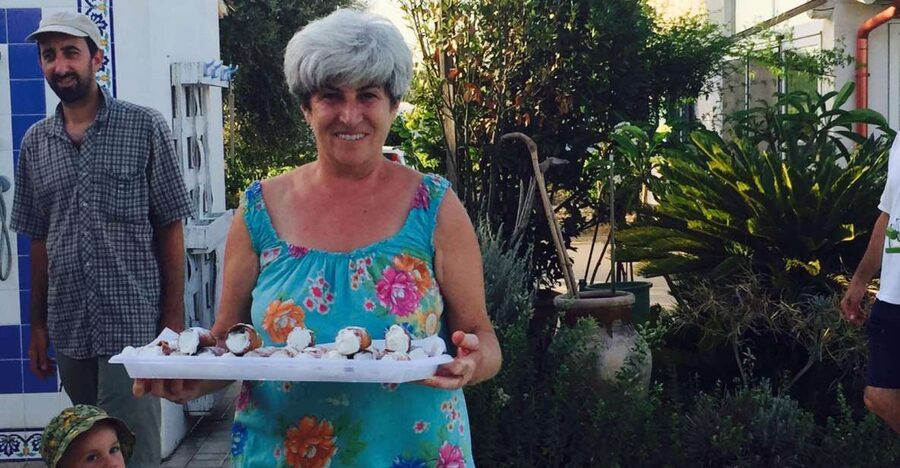
Agrimaccari places the cooking lesson on a farm surrounded by olive trees, orange trees, lemon trees, a vineyard, a tomato garden, and a vegetable garden. That setting gives the class a clear sense of place. You are not simply being handed premeasured ingredients in a city kitchen. You begin by seeing where part of the meal comes from.
On arrival, you are taken into the garden to harvest vegetables and collect eggs for the lesson. The exact ingredients depend on the season and what the garden offers that day. That is a useful point to keep in mind if you prefer a fixed menu. This is more of a farm-led Sicilian meal than a tightly scripted cooking show.
The garden visit also works well for children. Picking food before cooking helps make vegetables feel familiar rather than mysterious, and the activity is presented as suitable for young kids. Families should still follow the instructor’s directions about hygiene and food safety, especially when handling eggs and fresh produce.
Animals, pets, and birds are part of the farm setting, and pets are welcome. The farm can also prepare pet food on request. That is an unusual and useful detail for anyone traveling with an animal, though you should arrange any special food needs ahead of time.
More Cooking Classes in Syracuse
- Syracuse: Traditional Cooking Class & Ancient Market Visit
★ 4.9 · 72 reviews - Syracuse: Sicilian Street Food Hands-On Cooking Class
★ 4.9 · 38 reviews - Cooking class at a Cesarina’s home with tasting in Siracusa
★ 5.0 · 27 reviews
Meeting the Sicilian cooking team
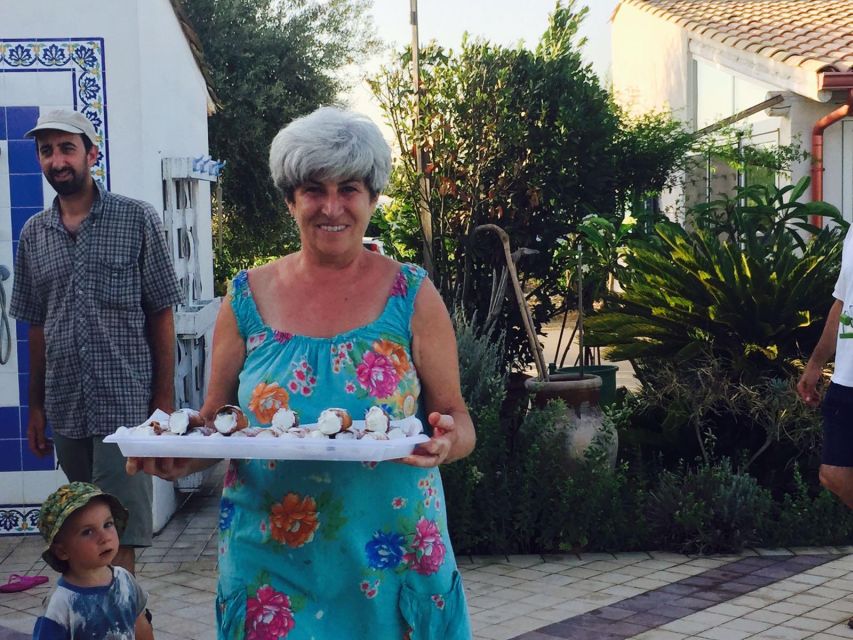
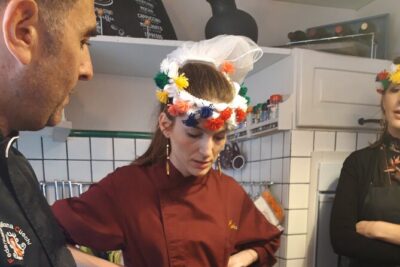
The cooking instruction is led by professional chefs identified as Rabbi and Giusi, who together bring more than 20 years of industry experience. One account of a session also names Jose as the chef who led the cooking. If you have a strong preference about who teaches your class, confirm the instructor when you book.
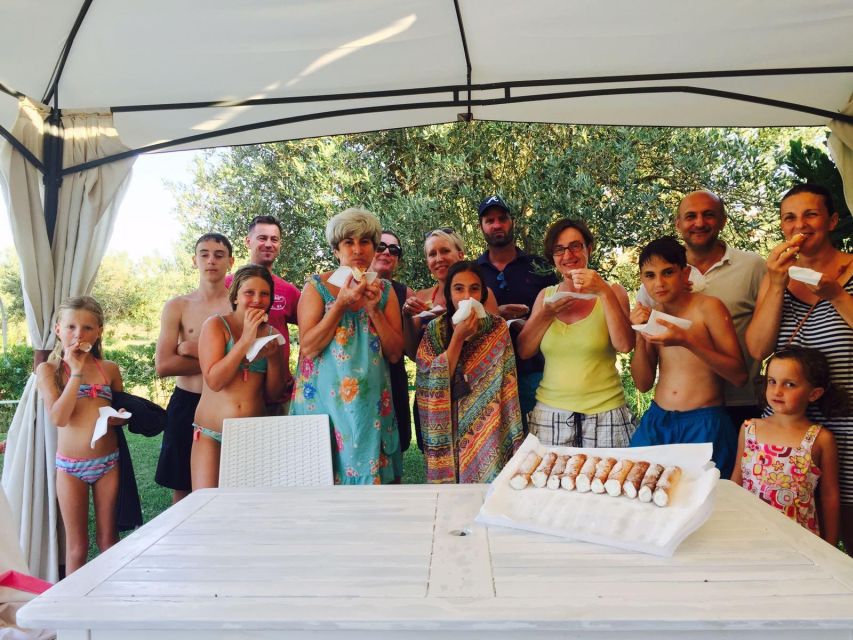
The tone appears to be personal rather than formal. One private group described the session as feeling like cooking with family, with friends and relatives adding their own Italian tips. That detail matters. You are likely choosing this activity for conversation, local habits, and hands-on help as much as for the recipes.
The language options are Italian and English. You do not need previous culinary training. The important requirement is willingness to follow directions, particularly around personal hygiene, food safety, and kitchen equipment.
Aprons and all kitchen equipment are supplied. You need to wear suitable clothing and closed shoes. Avoid bringing your best holiday outfit, since flour, tomato, oil, and garden work can be untidy.
Making pasta, cannoli, and seasonal dishes
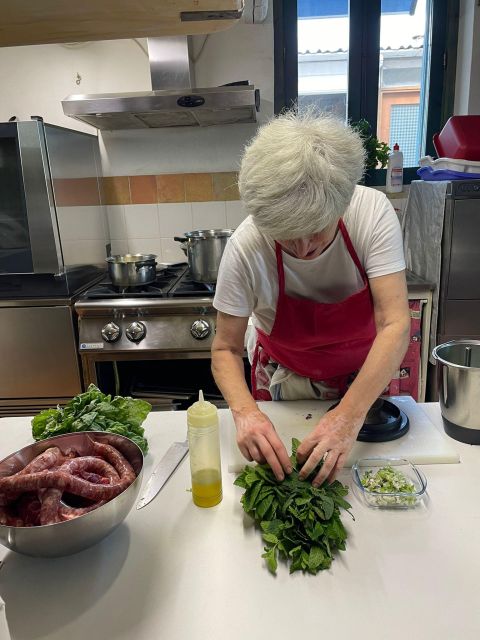
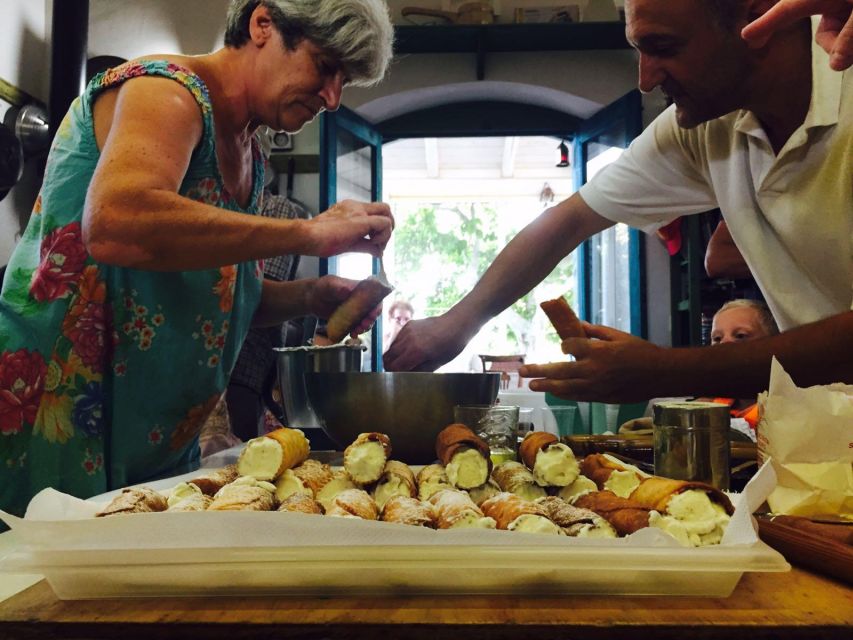
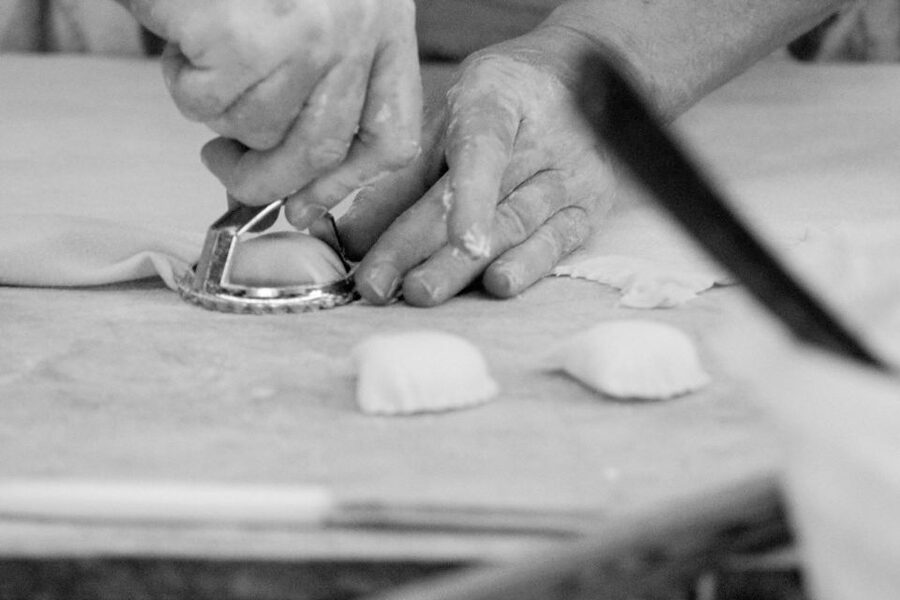
Once the garden work is done, you move into the kitchen. The lesson includes handmade pasta, taught by a chef described as a master of ravioli, plus cannoli or a traditional Sicilian dessert and one additional dish based on the season.
The menu is not completely fixed, which is part of the appeal. You may be able to choose dishes in advance, as one private group did, but the garden and season still influence what is available. Ask about the planned menu before arrival if you have allergies, dietary limits, or a particular Sicilian recipe in mind.
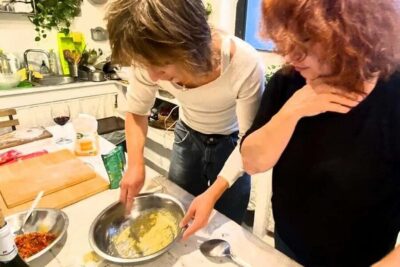
The hands-on work is the heart of the experience. You are not just watching a chef demonstrate a dish and then receiving a plate. You help prepare the food, learn professional kitchen shortcuts, and get advice on organizing preparation so that cooking takes less time.
That practical focus gives the class value beyond the meal itself. You might learn a recipe in many cooking classes, but timing, preparation order, and waste control are the skills that help you repeat it at home. The instructors aim to show how a professional kitchen can work efficiently without treating traditional food as something rigid or precious.
The lesson also has a gourmet angle. Traditional Sicilian flavors are presented with more refined touches, including leftover ingredients turned into gels, powders, or chips. This does not mean you need special equipment at home. The point is to look at scraps differently and find useful ways to avoid throwing food away.
Zero-waste cooking with a Sicilian accent
The sustainability lesson is one of the more distinctive parts of the class. The chefs explain how to reduce waste and turn leftovers into parts of a finished dish. A peel, herb stem, stale piece of bread, or extra vegetable may become a garnish, seasoning, crisp element, or sauce component.
The exact techniques depend on the menu and available ingredients, so you should not expect a fixed lecture on sustainability. Instead, the subject is folded into the cooking as you work. That makes the advice easier to understand and potentially easier to use at home.
There is also a cultural reason this matters. Traditional home cooking often grew from the need to use what was available and waste as little as possible. The class connects that practical habit with a more polished restaurant presentation.
I would consider this especially useful for families and home cooks who want ideas rather than just a one-time meal. Children can see that vegetables have several uses, and adults can pick up methods for improving leftovers. Still, if you are looking for an advanced pastry or professional certification course, this is not that. It is a relaxed, practical introduction with gourmet touches.
More Noto, Modica and Scicli days from Syracuse:
- Baroque tour: Ragusa, Modica and Noto
★ 5.0 · 81 reviews - From Syracuse: Car/Minivan Tour to Noto, Ragusa and Modica
★ 4.6 · 50 reviews - From Taormina: Siracusa & Noto Small-Group Tour
★ 4.6 · 44 reviews - Wine Tasting and Typical Tastings in the Val di Noto
★ 4.4 · 20 reviews
Appetizers, lemonade, and the meal you prepare
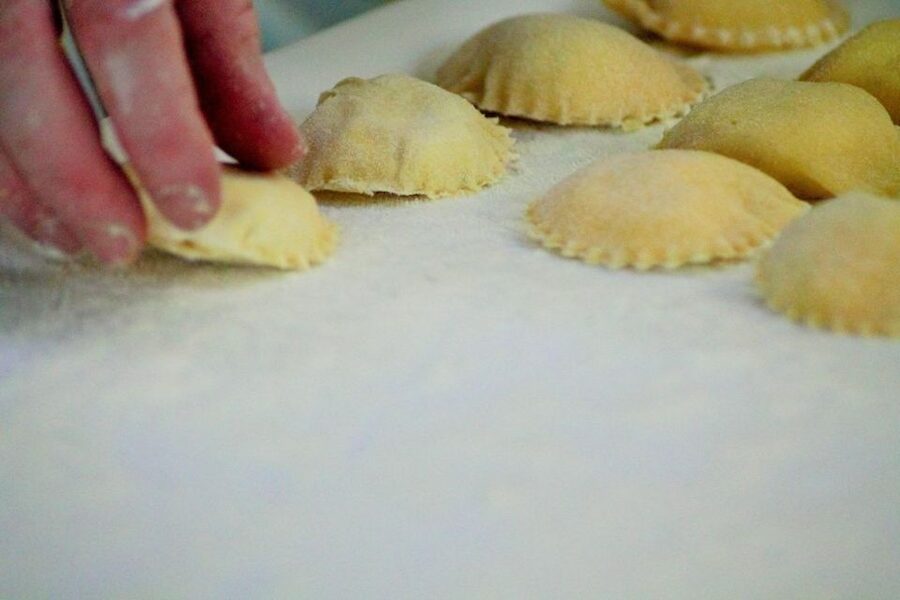
While the dishes are being prepared, you receive a few appetizers and lemonade. These small bites help break up the work and make the four-hour schedule feel social rather than like a long technical class.
The main meal is served in the farm’s in-house restaurant. You eat the food you have prepared, with nonalcoholic drinks included. Wine from the farm’s own vineyard is available to buy as an extra, but it is not part of the stated price.
Eating your own work changes the shape of the activity. You can see the result of the pasta-making, dessert preparation, and seasonal cooking while the techniques are still fresh in your mind. It also gives the class a proper finish instead of sending you away with a container of unfinished food.
The meal is not described as a separate tasting menu, so set your expectations accordingly. The focus is on learning and enjoying the dishes produced during the class. If you want a full restaurant meal unrelated to the lesson, ask what is included before booking.
Why the private-group format matters
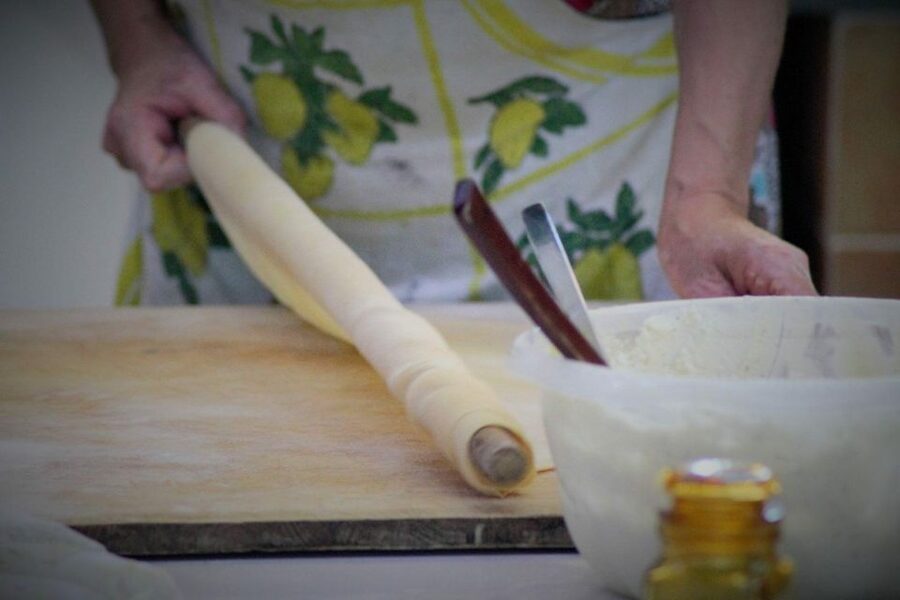
This is offered as a private group, which can make a big difference in a cooking class. You can ask questions without competing with a large crowd, and the chef can adjust explanations to the group’s pace. A private setting also suits families, couples, and friends who want to share the kitchen without strangers at every station.
The private format may help if some members of your group are young children or beginners. The class is promoted as suitable for the whole family, and the relaxed farm setting gives children more to see than a standard indoor lesson. You should still be comfortable with a four-hour activity and with children following kitchen rules.
A private class can also feel more personal because the instructors and family members may contribute local tips. One account described the experience as friendly and informal, with extra advice coming from people connected to the farm. That is the kind of detail that can make the activity feel rooted in daily Sicilian life.
The tradeoff is price. At $158.60 per person, this is not a budget cooking class, especially if you are booking several family members. The value comes from the private group, the farm visit, ingredients, equipment, apron, instruction, appetizers, drinks, and prepared lunch. If you mainly want to eat pasta cheaply, choose a restaurant. If you want a half-day activity with food, teaching, and a rural setting, the price is easier to justify.
Planning your arrival near Noto
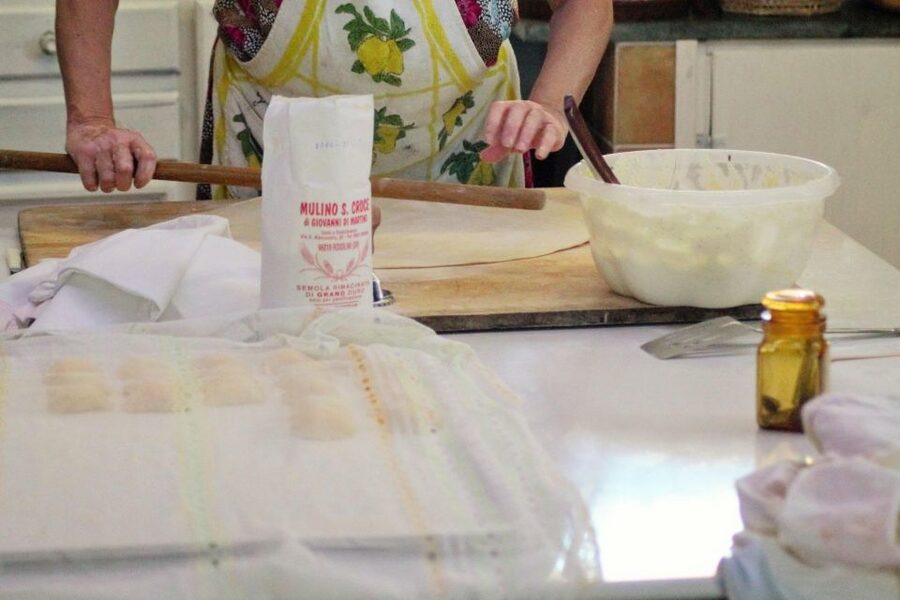
Transportation is not included. You need to arrange your own way to the countryside location, and the activity does not provide accommodation. Personal expenses and optional activities outside the cooking lesson are also extra.
The class lasts four hours, but starting times vary. Check the available times for your date before building the rest of your day around it. Because the lesson includes garden work, preparation, cooking, and lunch, allow enough time before any fixed afternoon plans.
The farm is wheelchair accessible, which is important information for guests who need step-free access. Specific details about individual workstations, garden surfaces, and kitchen arrangements are not provided, so contact the provider if you need particular assistance.
Free cancellation is available up to 24 hours before the activity for a full refund. You can also reserve now and pay later, which helps if your Sicily plans are still shifting.
Who will enjoy this cooking class most
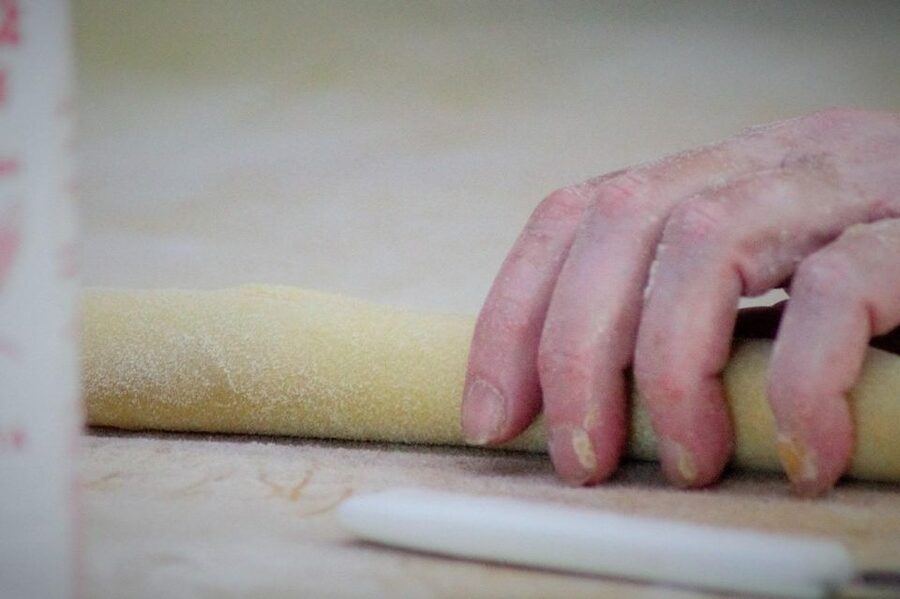
I would choose this for people who want local food with context. The garden, farm animals, family input, and seasonal menu give the cooking a stronger connection to Sicily than a standard classroom lesson.
It suits families particularly well. Children can collect ingredients, see the farm, and take part in simple kitchen tasks. The zero-waste ideas may also make vegetables and leftovers more interesting to younger cooks.
It is a good fit for couples and friends who prefer a private activity. You have space to talk, ask questions, and work at a shared pace. The class also works for beginners because no culinary experience is required.
You may want to choose another activity if you need a fully fixed menu, a short one-hour demonstration, or a highly technical course. The garden’s seasonal supply shapes the dishes, and the lesson is designed to be social and practical rather than narrowly specialized.
Should you book the Agrimaccari experience?
Book it if you want to spend part of your Noto visit cooking in the countryside, learning family-style Sicilian methods, and eating the food you helped make. The strongest reasons are the private format, the garden-to-table setup, and the useful zero-waste techniques.
The price is significant, and transport is not included. Before booking, confirm the meeting point, menu, dietary requirements, and which chef will teach your date. If those details suit your plans, this offers a thoughtful way to connect food, land, and local life in one four-hour session.
FAQ
How long does the cooking experience last?
The activity lasts four hours. Starting times vary, so check availability for your chosen date.
How much does the experience cost?
The listed price is $158.60 per person.
Where does the cooking class take place?
It takes place at Agrimaccari in the Sicilian countryside near Noto, in a farm setting with gardens, fruit trees, olive trees, and a vineyard.
What food will I learn to prepare?
The lesson includes handmade pasta, cannoli or a traditional Sicilian dessert, and one additional dish based on the season and the garden’s produce.
Is lunch included?
Yes. You eat the dishes prepared during the lesson in the farm’s in-house restaurant. Appetizers and nonalcoholic drinks are included.
Is wine included?
No. Wine from the farm’s vineyard can be purchased separately.
Do I need cooking experience?
No. Previous culinary experience is not required.
What languages are available?
Instruction is available in Italian and English.
Is the activity private and wheelchair accessible?
Yes. The experience is offered as a private group and is wheelchair accessible.
What should I wear?
Wear suitable clothing and closed shoes. Aprons, kitchen equipment, ingredients, recipes, and the meal are provided.
More Sicilian Cooking Classes in Syracuse
- Arancino Cooking Class in Ortygia Syracuse
★ 4.5 · 11 reviews - Local Market Visit and Private Cooking Class at a Cesarina’s home in Siracusa
★ 5.0 · 10 reviews - Siracusa: Pasta & Tiramisu Cooking Class at a Local’s Home
★ 4.7 · 9 reviews - Palermo: Pizza and Gelato Cooking Class with Dinner and Wine
★ 4.9 · 951 reviews
More Farms in Syracuse
- Noto: Farm to Fork in Sicily – Cooking Class in a Farm
★ 5.0 · 15 reviews - Slowlife Family Farm: From Garden to Table
★ 4.3 · 6 reviews - Alcamo Farm Animals and Aromatic Garden
★ 4.0 · 45 reviews - Catania: Pozzo di Gaspare Farm Guided Tour with Tastings
★ 5.0 · 34 reviews
Just added around Syracuse
- Sicily Boats Avola: Plemmirio boat tour 4 people 4 hours★ 5.0 · 3 reviews
- From Syracuse: Private Taormina and Castelmola tour with lunch★ 5.0 · 3 reviews
- Siracusa Iris Photography Experience★ 5.0 · 3 reviews
- Siracusa E-bike rental service★ 5.0 · 3 reviews
- Tour Ragusa Ibla, Modica and Noto, from Syracuse★ 5.0 · 3 reviews
- Cyclops Tour★ 4.5 · 3 reviews
- Archaeological Syracuse: Neapolis Park private tour★ 5.0 · 3 reviews
- Tour of Syracuse by Ape Calessino★ 3.0 · 3 reviews
Cooking Classes, compared.
Seaview Cooking Class & Taormina local flavors with Chef Mimmo
Read our review →
COOKING CLASS in Taormina at Chef Massimo HOUSE!!
Read our review →
Cannolo Cooking Class with Completion Certificate
Read our review →
Pistachio Ravioli, Pasta Home Cooking Class w/ Wine
Read our review →Browse the lists this tour appears in