
Reviewed · COOKING CLASSES
Syracuse: Traditional Cooking Class & Ancient Market Visit
Syracuse’s best food lesson may begin before you enter the kitchen. Chef Ettore takes you through Ortigia’s Ancient Market, greeting vendors, sampling local products, and choosing the ingredients that will become your lunch. You may handle fresh seafood, pistachios, produce, and other Sicilian staples before cooking with them.
I like two things right away: the menu is shaped by what looks good at the market and what you actually enjoy, and the group is limited to eight people. The main consideration is timing: four hours is a proper half-day, and the market visit involves walking and standing before the cooking even begins.
In This Review
- Key points to know before booking
- Why the market visit matters in Ortigia
- A menu built around your tastes
- From market basket to Sicilian kitchen
- What lunch is really like
- Group size, language, and pace
- Sunday changes the market plan
- Who will enjoy this most
- Price, cancellation, and practical planning
- Should you book the Syracuse cooking class?
- FAQ
- Where does the cooking experience begin?
- How long does the activity last?
- What languages are available?
- How many people can join the class?
- Is the Ortigia market visited every day?
- Is transportation included?
- What is included in the price?
Key points to know before booking
- Market-first cooking: You shop for ingredients in Ortigia rather than starting with a fixed classroom menu.
- Chef Ettore leads the experience: He is often praised for his market relationships, clear English, and professional kitchen background.
- Your lunch is hands-on: You help prepare the dishes, then sit down to eat what you made.
- Menus can change: Seafood, pasta, tuna, pistachio pesto, arancini, and desserts have all featured, but the exact meal depends on the day and your preferences.
- Small group size: The class accepts no more than eight participants, which matters when you are working around a kitchen.
- Sunday needs special care: Ortigia Market is closed then, so the chef guides you through the island streets to buy local products instead.
Why the market visit matters in Ortigia
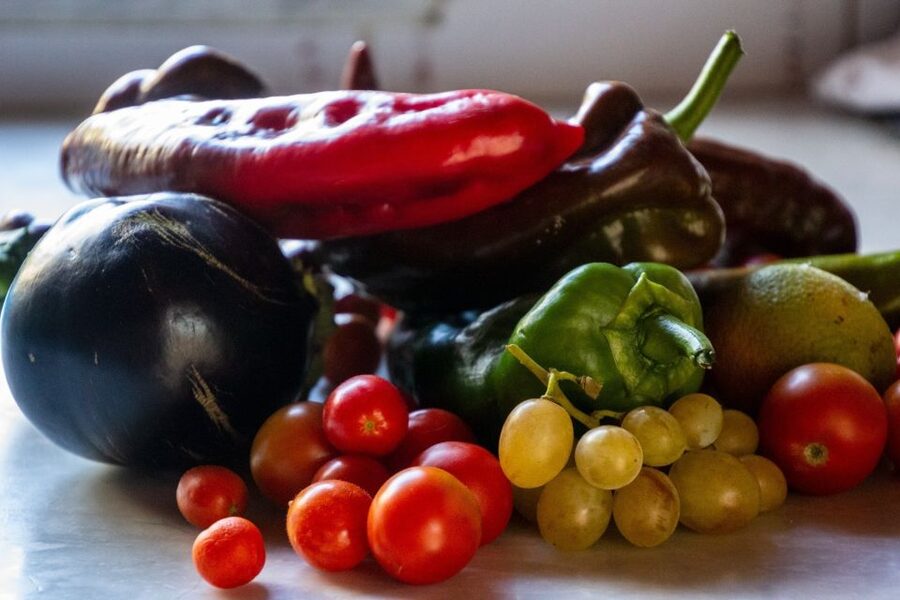
Many cooking classes begin with ingredients already measured and waiting. This one begins with the buying. That small change gives you a better sense of how Sicilian cooking works: the meal follows the quality of the produce, seafood, and other foods available that morning.
Meet the chef at Bar Cristina in Piazza Pancali, number 24. From there, you head into the Ortigia market, where stalls fill the streets with produce, fish, cured foods, and local specialties. The experience is not simply a shopping stop. The chef introduces you to vendors, explains what you are seeing, and helps you taste selected products.
Chef Ettore is repeatedly praised for knowing the sellers and talking easily with them. That matters because a local connection changes the market from a row of stalls into a social place. You get a glimpse of how a professional cook chooses ingredients and how the day’s menu takes shape.
You might taste items such as red prawns, mortadella, pistachio spread, fresh fruit, or other foods available that day. These samples are part of the market experience, but do not assume every item will appear on your menu. The chef chooses according to supply and your preferences.
The market can also be crowded, noisy, and a little disorderly. That is part of its character, but it may not suit you if you prefer a quiet, tightly planned food tour. Wear comfortable shoes, and keep your schedule loose. The experience includes walking, browsing, tasting, and conversation before the class begins.
More Cooking Classes in Syracuse
- Syracuse: Sicilian Street Food Hands-On Cooking Class
★ 4.9 · 38 reviews - Cooking class at a Cesarina’s home with tasting in Siracusa
★ 5.0 · 27 reviews - Noto: Farm to Fork in Sicily – Cooking Class in a Farm
★ 5.0 · 15 reviews
A menu built around your tastes
The advertised experience does not promise one unchanging set of recipes. That is good news if you care more about learning and eating well than checking off a particular dish.
Several menus described from past sessions included handmade pasta, seafood, tuna, vegetables, salads, bread, and desserts. One session featured pasta with shrimp, calamari, and mussels, with a sauce base made from shrimp shells and olive oil. Another included pistachio pesto pasta, fresh cavatelli with mussels and squid, tuna with peppers, onions, capers, and tomatoes, fruit salad, and cannoli.
Other meals included arancini, sardines, mullet, eggplant with tomatoes and cheese, prawns with orange, and veal involtini. A strawberry salad, charcuterie board, fresh bread, and limoncello also appeared in different meals.
That range tells you what to expect: the menu is flexible rather than standardized. If you do not like fish, tell the chef. A past class adapted the meal for people who preferred less seafood. If seafood is exactly what you want, you can also ask for it, with the final choice depending on what the market offers.
This flexibility is especially useful for families or mixed groups. Not everyone has to want the same thing, although the chef will need to build one workable meal for the group. Mention strong preferences, allergies, or dietary limits when booking or before the market visit. The supplied information confirms menu adjustments for preferences, but it does not promise that every dietary restriction can be accommodated.
From market basket to Sicilian kitchen
After buying the ingredients, you are transferred from the market to the chef’s kitchen if needed. The class location can vary according to the kitchen being used, so the exact setting is not fixed in the basic description.
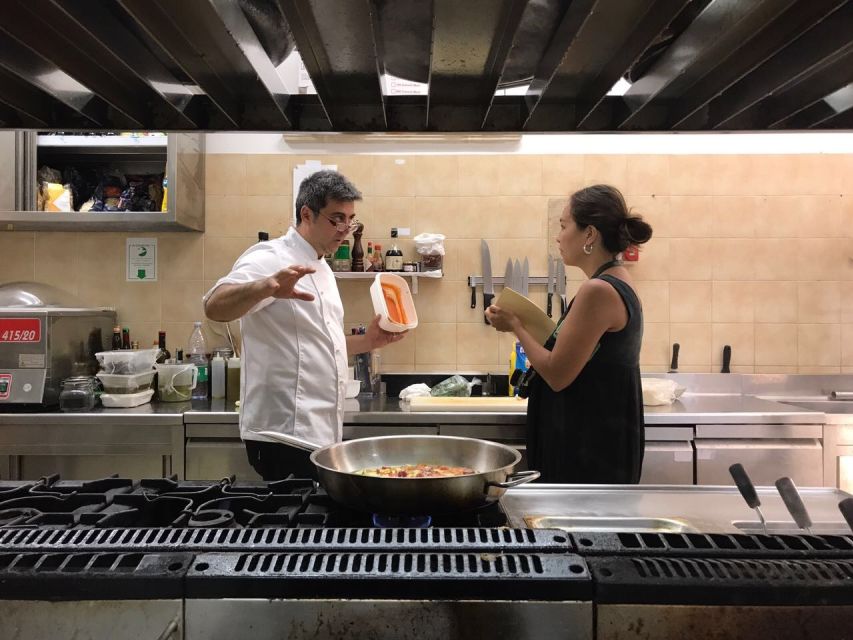
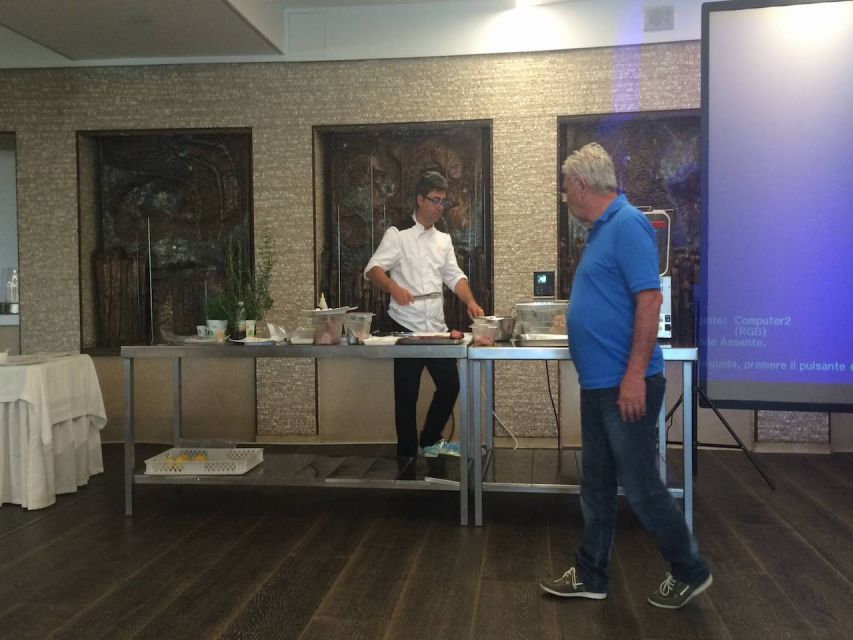
Past sessions took place in a restaurant kitchen, including a professional kitchen at Cortile Di Bacco, and one cooking session was held at a rugby club. Some classes included a good view from the cooking area. The setting, then, may feel more like a working local kitchen than a polished cooking school.
I see that as a plus for people who want to understand restaurant cooking. You can watch how a professional organizes ingredients, handles seafood, builds a sauce, and moves through several dishes. It may be less ideal if you want a formal classroom with individual workstations and a printed recipe booklet. No recipe materials are listed among the inclusions.
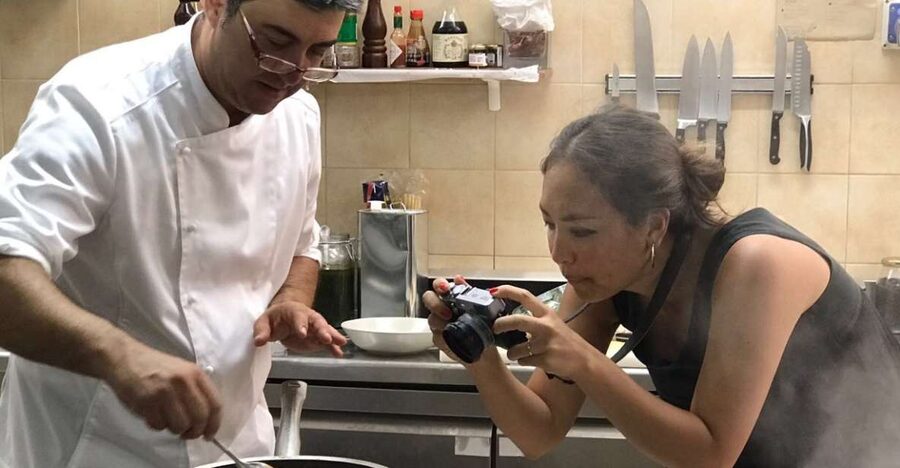
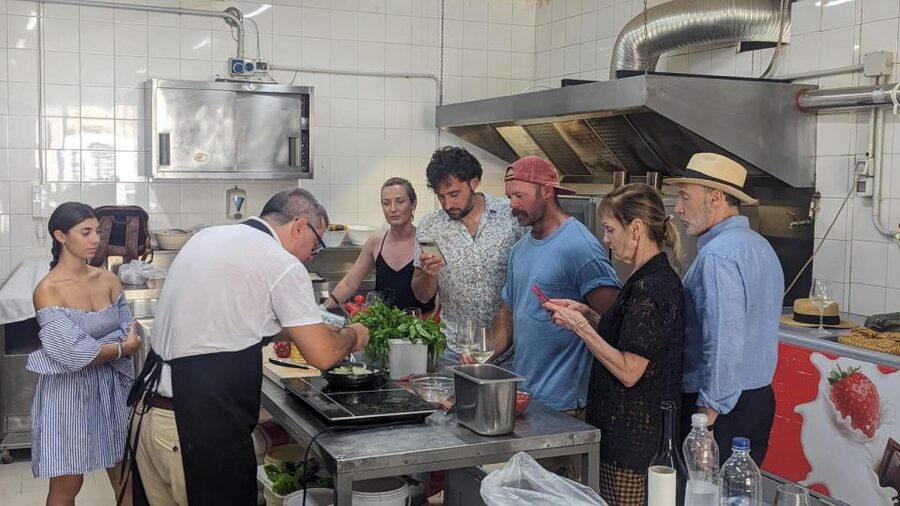
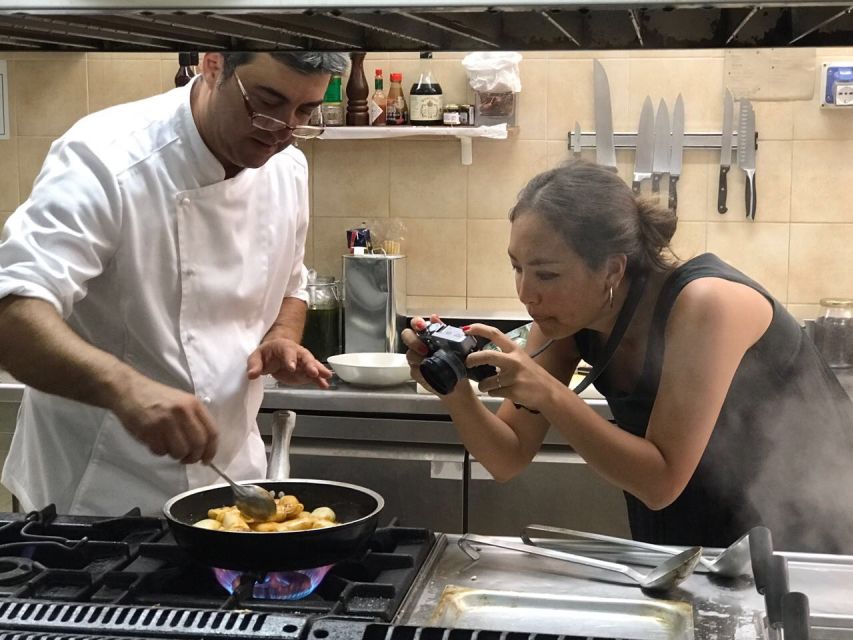
The class is hands-on. You do not merely watch Chef Ettore prepare lunch. You help with the food, learn techniques, and take part in the process from preparation through serving. Past sessions included making fresh pasta in a short time, preparing pistachio pesto, building seafood sauces, and shaping or cooking dishes such as arancini.
The chef’s background adds weight to the lesson. He has been described as a former pasta chef at a two-star Michelin restaurant. That does not mean the class is formal or demanding. The tone appears friendly and generous, but you can still pick up professional methods that are hard to learn from a restaurant menu alone.
What lunch is really like
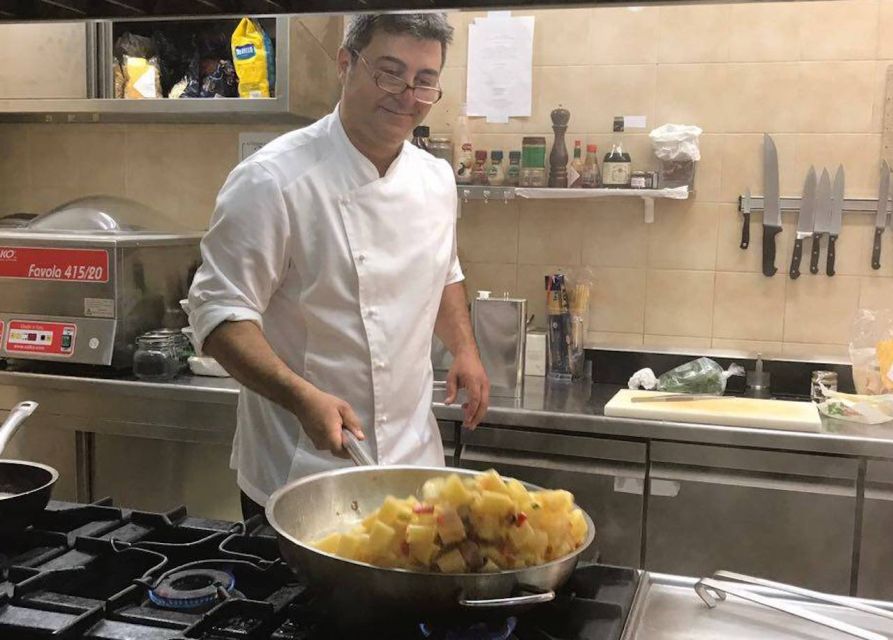
Lunch is the payoff, but it is also part of the lesson. Once the dishes are ready, you sit down and eat the food you helped make. The meal can include several courses, depending on the ingredients and menu chosen that day.
The dishes sound more varied than the standard pizza-and-pasta lesson. You might work on fresh cavatelli, seafood pasta, tuna, fried fish, vegetable dishes, salad, bread, or dessert. The menu may include several pasta preparations, which gives you a better feel for how sauces and ingredients work together.
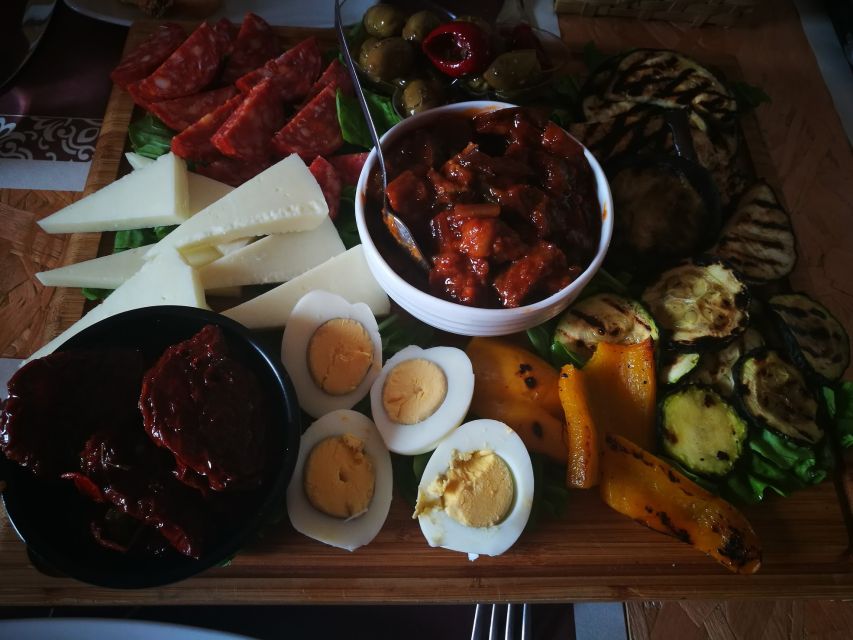
Wine and limoncello were served during some sessions, and one class included a substantial charcuterie board. However, the basic terms say food and drinks outside the organized menu are not included. Read that carefully: lunch is included, but extra drinks or food not arranged by the chef may cost more.
Portions can also be generous. This is not a quick tasting with a single small plate. You should expect to spend time eating after the preparation, and there may be leftovers to take away, depending on the meal. If you have another major meal booked soon afterward, leave plenty of room.
The value here comes from the full chain: market visit, ingredient selection, instruction, cooking, and lunch. At $134.81 per person, it is not a cheap meal. But compared with paying separately for a market tour, a private cooking lesson, and a multi-course lunch, the price is reasonable if you enjoy active food experiences.
More Sicilian cooking classes in Syracuse:
- Arancino Cooking Class in Ortygia Syracuse
★ 4.5 · 11 reviews - Local Market Visit and Private Cooking Class at a Cesarina’s home in Siracusa
★ 5.0 · 10 reviews - Siracusa: Pasta & Tiramisu Cooking Class at a Local’s Home
★ 4.7 · 9 reviews - Noto: Highlights Experience tour Cooking from Farm to Fork
★ 4.9 · 8 reviews
Group size, language, and pace
The class is limited to eight participants. That is small enough for the chef to answer questions and adjust dishes, though your personal time at the stove will depend on the final group and kitchen layout.
The host or greeter speaks Italian and English. English-language support is important here because the lesson depends on small details: how to make a sauce from seafood shells, when to add ingredients, or how to work fresh pasta. Chef Ettore is frequently praised for speaking good English and explaining cooking steps clearly.
The pace is social. You shop, taste, chat, cook, and eat. If you want a quick demonstration followed by a short lunch, four hours may feel long. I would choose this for an afternoon when the food experience is the main event, not when you are trying to fit in several monuments.
The meeting arrangement deserves attention. Bar Cristina is a large place, and one participant found the meeting point unclear because there was no description of the chef. Go to Piazza Pancali number 24 and check your confirmation carefully. If the instructions are vague, contact the operator before the day begins and agree on exactly where to wait.
The activity ends back at the meeting point. A transfer from the market to the kitchen is arranged if the location requires it. You do not need to organize that transfer yourself.
Sunday changes the market plan
Ortigia Market is closed on Sunday. You can still take the experience that day, but you will not get the regular market visit described for other days.
Instead, the chef guides you through Ortigia’s streets to purchase local products. This keeps the ingredient-buying part of the class alive, but it is not the same as walking through the market stalls. If the market is central to your plans, book another day.
This is an important detail for anyone planning a short stay in Syracuse. Check the available starting days and times before arranging other sightseeing. The experience lasts four hours, and the cooking location may require a transfer after the shopping.
Who will enjoy this most
I would recommend this class to you if food is one of the main reasons you visit Sicily. It suits people who want a local market, a personal guide, and a meal they helped create, rather than a restaurant reservation alone.
It is also a strong choice for couples marking a special occasion. One past menu was arranged for a 25th anniversary and included two pasta dishes, veal involtini, strawberry salad, and bread. The social format can work well for families, friends, and solo visitors who enjoy meeting others around a table.
You do not need to be an experienced cook. The class is designed around guidance from the chef, and the emphasis is on participation. That said, you should be comfortable standing, walking around the market, handling ingredients, and following instructions in a working kitchen.
This may not be your best pick if you need a guaranteed recipe list, a quiet private lesson, or a fixed start and finish location. It may also disappoint you if you want only classic tourist dishes. The menu can include familiar foods, but it also reaches into seafood, shellfish, pistachio, local fish, and other ingredients selected at the market.
Price, cancellation, and practical planning
The listed cost is $134.81 per person. Lunch, the market visit, chef, cooking class, and any needed transfer from the market to the kitchen are included. Monument entrance fees are not relevant to the cooking itself and are not included, while extra food and drinks outside the chef’s arranged menu are also excluded.
For four hours, the price makes the most sense when you treat it as both an activity and a meal. You are paying for the chef’s time, market guidance, ingredients, instruction, and lunch. If you would happily spend that amount on a memorable food outing, the package offers good value. If your main goal is learning a few basic recipes cheaply, a shorter class may suit you better.
You can cancel up to 24 hours ahead for a full refund, and the reserve-now, pay-later option lets you hold a place without paying immediately. Check availability for the starting time, since the experience does not give one universal departure hour.
Bring an appetite, comfortable shoes, and an open mind about the menu. Tell the chef early about foods you dislike. The more clearly you explain your preferences, the more useful the market stop becomes.
Should you book the Syracuse cooking class?
Book it if you want to see how a Sicilian meal begins, not just how it arrives at the table. The strongest part is the connection between the Ortigia market and the kitchen. Chef Ettore’s relationships with vendors, professional background, and willingness to shape the menu give the class a personal feel.
I would be especially keen to book this on a non-Sunday during a stay in Syracuse, when the market is open and the full plan is available. Skip it if you dislike seafood, long meals, or hands-on cooking, unless you have confirmed that the menu can be adapted to your needs. For food-minded visitors, this is one of the better ways to spend half a day in Ortigia.
FAQ
Where does the cooking experience begin?
Meet the chef at Bar Cristina, Piazza Pancali number 24, in Syracuse.
How long does the activity last?
The experience lasts four hours. Starting times vary, so check availability when booking.
What languages are available?
The host or greeter speaks Italian and English.
How many people can join the class?
The group is limited to eight participants.
Is the Ortigia market visited every day?
No. Ortigia Market is closed on Sunday. On that day, the chef guides you through the island streets to buy local products instead.
Is transportation included?
A transfer from the market to the cooking class is arranged if the kitchen location requires it.
What is included in the price?
The price includes the guided Ortigia street market visit, local chef, cooking class, lunch, and a transfer from the market to the kitchen if needed. Monument entrance fees and food or drinks outside the chef’s organized menu are not included.
More Market Walks in Syracuse
- Guided tour of Ortigia with Fish Street Food at the market
★ 4.2 · 27 reviews - From Taormina: Syracuse Tour with lunch in Food Market
★ 4.9 · 12 reviews - Market tour and lunch or dinner at a local’s home in Siracusa
★ 5.0 · 6 reviews - Private Syracuse Tour & light lunch in food market
★ 5.0 · 5 reviews
More Workshops in Syracuse
- Palermo: Pizza and Gelato Cooking Class with Dinner and Wine
★ 4.9 · 951 reviews - Seaview Cooking Class & Taormina local flavors with Chef Mimmo
★ 5.0 · 665 reviews - COOKING CLASS in Taormina at Chef Massimo HOUSE!!
★ 5.0 · 543 reviews - Taormina: Half-Day Pizza Making Class
★ 4.8 · 353 reviews
Just added around Syracuse
- Sicily Boats Avola: Plemmirio boat tour 4 people 4 hours★ 5.0 · 3 reviews
- From Syracuse: Private Taormina and Castelmola tour with lunch★ 5.0 · 3 reviews
- Siracusa Iris Photography Experience★ 5.0 · 3 reviews
- Siracusa E-bike rental service★ 5.0 · 3 reviews
- Tour Ragusa Ibla, Modica and Noto, from Syracuse★ 5.0 · 3 reviews
- Cyclops Tour★ 4.5 · 3 reviews
- Archaeological Syracuse: Neapolis Park private tour★ 5.0 · 3 reviews
- Tour of Syracuse by Ape Calessino★ 3.0 · 3 reviews
Cooking Classes, compared.
Seaview Cooking Class & Taormina local flavors with Chef Mimmo
Read our review →
COOKING CLASS in Taormina at Chef Massimo HOUSE!!
Read our review →
Cannolo Cooking Class with Completion Certificate
Read our review →
Pistachio Ravioli, Pasta Home Cooking Class w/ Wine
Read our review →Browse the lists this tour appears in