
Reviewed · ORTIGIA TOURS
Arancino Cooking Class in Ortygia Syracuse
The star here is the arancino, Sicily’s crisp, stuffed rice ball. In a small Ortygia setting, Maria guides you through the shaping while Massimo handles the frying, giving you a tidy introduction to one of the island’s most famous foods.
I like two things right away: the group is limited to 10, and the menu reaches beyond arancini to caponata, parmigiana, and cannolo. Maria also brings in stories about Syracuse and Sicilian food, which gives the short class a useful local touch. The main caution is value: at a reported price of €60 per person, some people may find the hands-on work too limited, since much of the cooking can already be prepared.
In This Review
- Key points to know before booking
- What this Ortygia arancino class is really like
- Meeting at Banco di Sicilia in Ortygia
- Shaping the rice, the heart of the lesson
- Watching the frying instead of doing it yourself
- The Sicilian tasting beyond arancini
- What Maria adds to a brief food experience
- How the small group changes the experience
- Is the class good value at around €60?
- The best time to fit it into your Syracuse plans
- What to bring and who should book
- Should you book this arancino class?
- FAQ
- How long does the Arancino Cooking Class in Ortygia last?
- Where is the meeting point?
- What languages are available?
- How many people can join the class?
- Who leads the cooking class?
- What food will I prepare and taste?
- Are the ingredients cooked before the class?
- What should I bring?
- Is the class suitable for wheelchair users?
Key points to know before booking
- A short 1.5-hour class focused on one Sicilian specialty: You learn the basic method for shaping traditional arancini rather than taking a full cooking course.
- Maria and Massimo lead the session: Maria explains the food and Syracuse, while Massimo takes care of the frying.
- Small groups make the class personal: The maximum group size is 10 people.
- The tasting goes beyond rice balls: Caponata or parmigiana, cannolo, and a drink are included in the food experience.
- Much of the preparation may be done in advance: You may shape only a few arancini and watch the final cooking rather than prepare every step yourself.
- The location is easy to find in Ortygia: Meet in front of the entrance to Banco di Sicilia.
What this Ortygia arancino class is really like
This is a compact food lesson, not a full afternoon in a Sicilian kitchen. The focus is the traditional arancino, a ball of rice filled with ingredients such as meat, cooked ham, spinach, pistachios, or aubergine, then coated and fried.
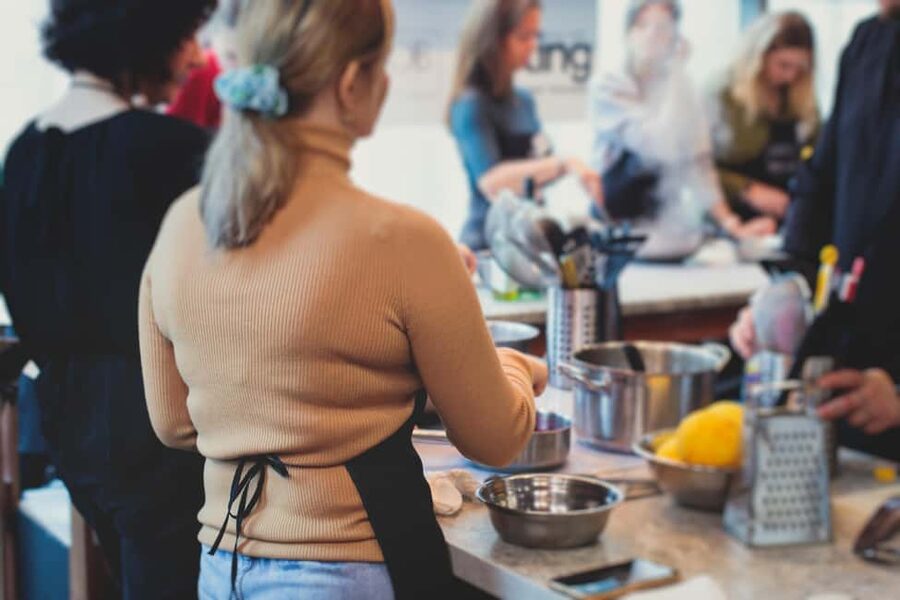
The class takes place in a small, comfortable setting with a limited number of people. That matters in a cooking activity. With no more than 10 participants, you should have a fair chance to see the demonstration and take part in shaping the rice.
The pace is suited to a holiday schedule. At 1.5 hours, you can fit it between an Ortygia walk and dinner without giving up half a day. I see this as a light introduction to Sicilian food, especially for couples, families, and friends who want a shared activity rather than a formal culinary school.
The session is conducted in English and Italian. Maria is the named guide, and her role includes explaining Syracuse and local cooking customs. Massimo, the owner, takes care of the frying. Their division of jobs keeps the class moving, though it also means you may not handle every stage yourself.
More Cooking Classes in Syracuse
- Syracuse: Traditional Cooking Class & Ancient Market Visit
★ 4.9 · 72 reviews - Syracuse: Sicilian Street Food Hands-On Cooking Class
★ 4.9 · 38 reviews - Cooking class at a Cesarina’s home with tasting in Siracusa
★ 5.0 · 27 reviews
Meeting at Banco di Sicilia in Ortygia
The meeting point is in front of the entrance of Banco di Sicilia, at coordinates 37.061317443847656, 15.293965339660645. You will want to arrive with comfortable shoes and comfortable clothes.
The meeting point is especially useful if you are already exploring Ortygia on foot. Still, do not treat the bank entrance as the cooking venue itself. Use the exact meeting details supplied when booking, and allow enough time to locate the entrance before the start.
Large bags and luggage are not allowed. That is sensible in a small food workspace, but it means you should not arrive straight from a station or hotel with a full suitcase. Pets are also not allowed.
The class is not suitable for wheelchair users. This is important to check before paying, since the activity takes place in a small environment and no wheelchair suitability is offered.
Shaping the rice, the heart of the lesson
The most useful part of the experience is learning how an arancino comes together. The rice must form a firm shell around its filling, creating a shape that can survive coating and frying.
The exact filling can vary. The class description lists meat, ham, spinach, pistachios, aubergines, and other options. You may therefore see more than one style, but the central lesson remains the same: shape the rice, enclose the filling, coat the outside, and prepare it for frying.
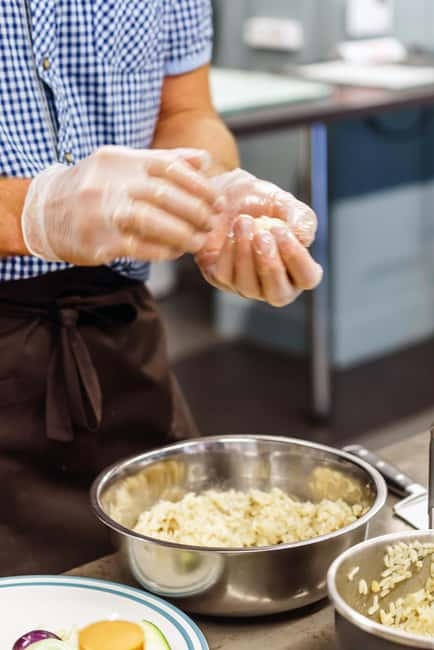
Be aware of the limits of the hands-on work. One account of the class describes each person shaping four arancini, while the ingredients were already cooked and Massimo handled the coating and frying. That means you should book this for the pleasure of learning the form and eating the result, not because you expect to prepare a complete dish from raw ingredients.
This distinction affects the price. If you want a lesson where you chop, cook, season, assemble, and fry your own food, this may feel more like a demonstration with participation. If you prefer a short, relaxed session without a lot of kitchen work, the format may suit you well.
Watching the frying instead of doing it yourself
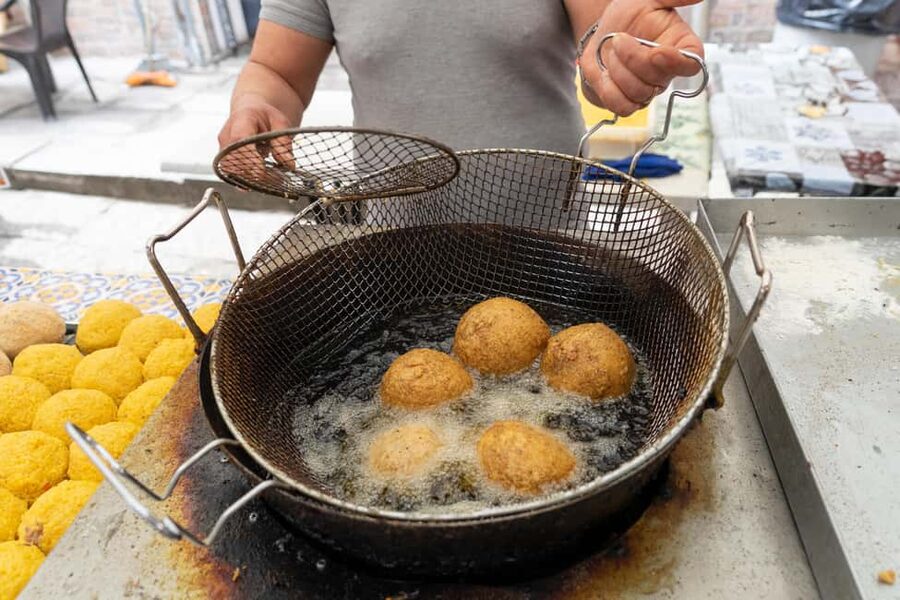
Frying is the moment when the rice ball becomes an arancino. The outer layer turns crisp while the center stays soft and warm. In this class, Massimo takes responsibility for that stage.
There is a practical reason to hand over the fryer. Hot oil needs care, especially in a small room with several people shaping food. It also keeps the class safe and efficient.
The trade-off is clear. You will not necessarily put your own arancini into the oil or manage the cooking time. You watch the final stage and then taste the finished food. For some people, that is enough. For others, it is the missing part of a true hands-on cooking course.
I would ask yourself one simple question before booking: do you want to learn the shape and idea of an arancino, or do you want to cook the whole thing from start to finish? This class is closer to the first option.
More Ortigia walks in Syracuse:
- Siracusa: Ortigia Boat Tour with Marine Grotto
★ 4.7 · 617 reviews - Siracusa: Ortigia & Sea Caves Speedboat Tour with Swim Stop
★ 4.9 · 499 reviews - Syracuse: Pillirina, Ortigia, and Sea Caves Tour by Boat
★ 4.6 · 348 reviews - Syracuse: Ortigia Island and Sea Caves Boat Tour with Drinks
★ 4.6 · 337 reviews
The Sicilian tasting beyond arancini
The tasting gives the class more range than its name suggests. Along with the arancino, you can sample other familiar Sicilian dishes and sweets.
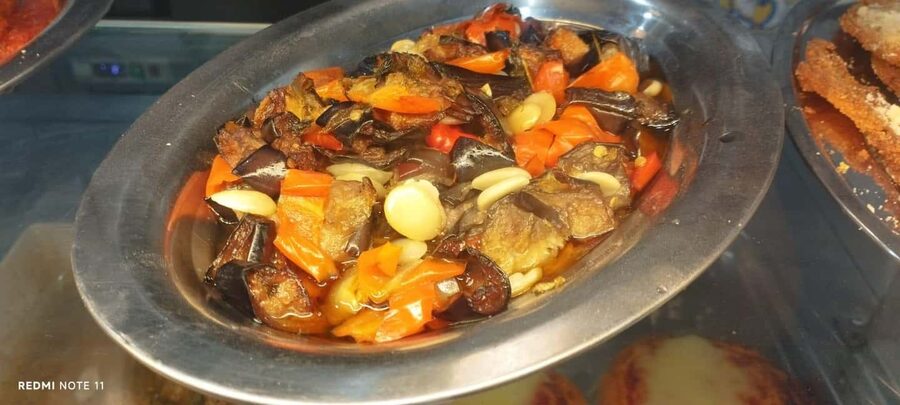
Caponata is made mainly with fried aubergine and tomato sauce, then seasoned with celery, onion, olives, capers, sugar, and vinegar. The sweet and sour balance is the key point. It can be served as a side dish, starter, or, in older Sicilian cooking, a main course.
Parmigiana uses fried sliced aubergine layered with Parmesan and tomato sauce, then baked. It is heavier and softer than caponata, and it shows how the same vegetable can take on a very different character through frying, cheese, and baking.
The class may present caponata or parmigiana as part of the tasting. Since the information gives both as possibilities rather than promising both every time, you should not assume that every dish will appear at every session.
The sweet course is cannolo, with a crisp pastry shell filled with sweet ricotta. Candied fruit, pistachios, or dark chocolate chips may be added. It is a good finish because it shifts the meal from salty, fried foods to cool, creamy ricotta and a crisp shell.
You also receive a drink. One account described the final tasting as one drink, one arancino, and some caponata, with additional arancini remaining in the shop. That is worth keeping in mind when judging the food value. The experience is not necessarily an all-you-can-eat meal.
What Maria adds to a brief food experience
Maria’s role is one of the strongest parts of the class. She explains the food while also talking about Syracuse and Sicilian cooking. Her approach is described as authentic and able to make the afternoon feel both informative and fun.
That local context matters. Arancini are not just fried snacks. They reflect the island’s love of rice, filling, texture, and food that can be carried and eaten easily. Caponata and parmigiana also show how aubergine became a central part of Sicilian cooking.
Maria speaks English and Italian. If you want more than a recipe card, her commentary should help connect the food to the city around you. This is still a short class, so do not expect a long lecture on every dish or a full tour of Syracuse.
How the small group changes the experience
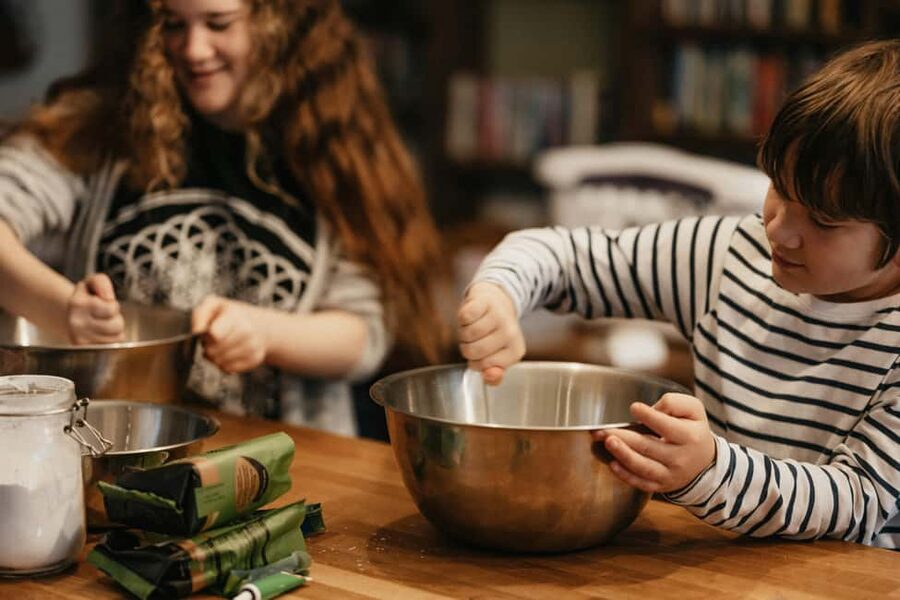
A maximum of 10 participants is a sensible size for this kind of activity. You are less likely to be lost at the back of a large demonstration, and the guide can keep the group moving while everyone takes a turn.
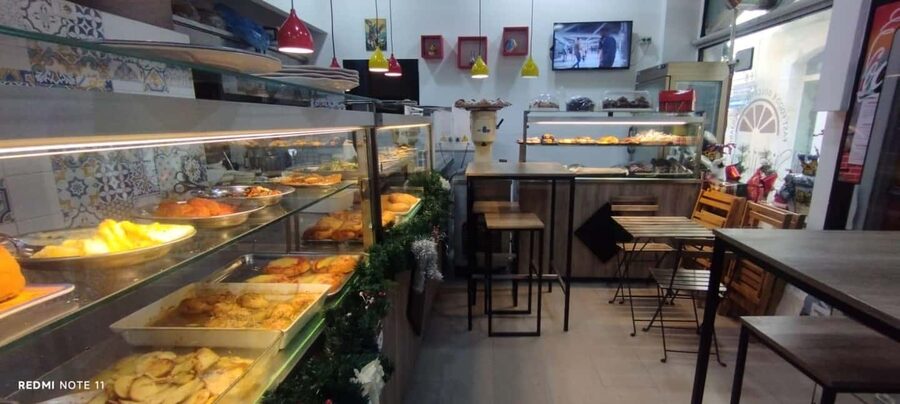
The setting is described as small and comfortable. That can make the class feel social, especially when people from different countries gather around the same table. It also means space is limited, so the ban on luggage and large bags is practical rather than a minor rule.
For couples and friends, the class offers an easy shared task. Families may also enjoy shaping the rice, though parents should consider the hot oil stage and the compact working area. Solo participants can join the small group, but the strongest appeal is probably the social side of preparing and tasting food together.
Is the class good value at around €60?
The stated activity information does not give a fixed price, but a booking account put the cost at €60 per person. Use that figure as a guide only and confirm the current price before reserving.
At that level, the value depends on what you want. You are paying for a short class, a guide in English or Italian, a small group, local food explanations, the arancino activity, and a tasting of Sicilian dishes. You are not simply buying the cost of one rice ball.
The price becomes harder to justify if you expect a full meal or extensive cooking. If you shape only four arancini, watch the coating and frying, receive one drink, and taste a modest portion of the other foods, the food alone will not explain the cost.
I would compare it with the other food activities available in Syracuse. Some cooking classes focus on traditional Sicilian dishes, pasta and tiramisu, street food, or a larger meal with show cooking. A hands-on arancini class with a Palermo chef is another direct alternative. If your priority is this specific snack, the Ortygia class is focused. If you want several recipes and more time at the stove, another format may offer better value.
The best time to fit it into your Syracuse plans
The 1.5-hour length makes this easy to place in an Ortygia itinerary. You can schedule it as a daytime food activity, then continue walking around the island afterward.
It also works well as a break from churches, squares, and ancient sites. The class gives you a reason to slow down and pay attention to ordinary Sicilian food, not only major monuments.
I would avoid packing it too tightly against another appointment. Cooking times can feel short, but meeting a guide, settling in, shaping the rice, listening, and tasting still requires a clear block of time. The start times vary, so check availability for the day you want.
What to bring and who should book
Wear clothes and shoes you can stand and work in comfortably. Avoid bringing luggage or a large bag, and leave pets elsewhere.
I think this class fits you best if:
- You want a short food activity in Ortygia
- You like Sicilian street food and want to understand how arancini are shaped
- You prefer a small group of up to 10 people
- You enjoy tasting several local specialties
- You are happy with some demonstration rather than full preparation
- You are traveling as a couple, family, or group of friends
I would look elsewhere if you need wheelchair access, want to cook every step yourself, or expect a substantial meal for the price. A longer traditional cooking course may be a better match.
Should you book this arancino class?
Book it if you want a friendly, compact introduction to Sicilian food, with a named local guide, a small group, and enough tasting to make the lesson feel like part of your Syracuse visit. Maria’s explanations about Syracuse and local cooking add value, and the combination of arancino, caponata or parmigiana, and cannolo gives you several flavors in a short time.
Pause before booking if €60 per person feels high for a class where ingredients may be prepared in advance and frying is done by Massimo. This is best understood as a guided shaping lesson and tasting, not a full kitchen workshop. That clear expectation is the difference between a pleasant Ortygia food stop and a disappointing cooking course.
FAQ
How long does the Arancino Cooking Class in Ortygia last?
The class lasts 1.5 hours.
Where is the meeting point?
Meet in front of the entrance of Banco di Sicilia in Ortygia, Syracuse. The listed coordinates are 37.061317443847656, 15.293965339660645.
What languages are available?
The class is available in English and Italian.
How many people can join the class?
The activity is a small-group experience limited to 10 participants.
Who leads the cooking class?
Maria guides the class and discusses Syracuse and Sicilian cooking. Massimo, the owner, handles the frying.
What food will I prepare and taste?
You will learn how to prepare traditional arancini. The tasting may also include caponata or parmigiana, cannolo, and a drink.
Are the ingredients cooked before the class?
The available information and one detailed account indicate that ingredients may already be cooked before the session. You may mainly shape the arancini, while Massimo handles the coating and frying.
What should I bring?
Wear comfortable shoes and comfortable clothes. Pets, luggage, and large bags are not allowed.
Is the class suitable for wheelchair users?
No. The activity is not suitable for wheelchair users.
More Workshops in Syracuse
- Palermo: Pizza and Gelato Cooking Class with Dinner and Wine
★ 4.9 · 951 reviews - Seaview Cooking Class & Taormina local flavors with Chef Mimmo
★ 5.0 · 665 reviews - COOKING CLASS in Taormina at Chef Massimo HOUSE!!
★ 5.0 · 543 reviews - Taormina: Half-Day Pizza Making Class
★ 4.8 · 353 reviews
More Sicilian Cooking Classes in Syracuse
- Noto: Farm to Fork in Sicily – Cooking Class in a Farm
★ 5.0 · 15 reviews - Local Market Visit and Private Cooking Class at a Cesarina’s home in Siracusa
★ 5.0 · 10 reviews - Siracusa: Pasta & Tiramisu Cooking Class at a Local’s Home
★ 4.7 · 9 reviews - Noto: Highlights Experience tour Cooking from Farm to Fork
★ 4.9 · 8 reviews
Just added around Syracuse
- Sicily Boats Avola: Plemmirio boat tour 4 people 4 hours★ 5.0 · 3 reviews
- From Syracuse: Private Taormina and Castelmola tour with lunch★ 5.0 · 3 reviews
- Siracusa Iris Photography Experience★ 5.0 · 3 reviews
- Siracusa E-bike rental service★ 5.0 · 3 reviews
- Tour Ragusa Ibla, Modica and Noto, from Syracuse★ 5.0 · 3 reviews
- Cyclops Tour★ 4.5 · 3 reviews
- Archaeological Syracuse: Neapolis Park private tour★ 5.0 · 3 reviews
- Tour of Syracuse by Ape Calessino★ 3.0 · 3 reviews
Ortigia Tours, compared.

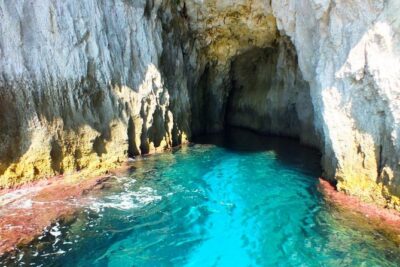
Tour of the island of Ortigia and exploration of sea caves with baths.
Read our review →
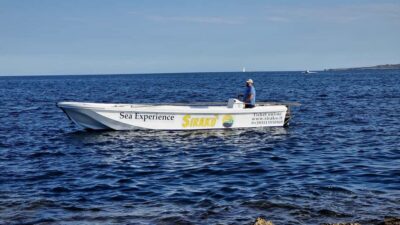
Ortigia & Sea Caves Speedboat Tour with Swim Stop
Read our review →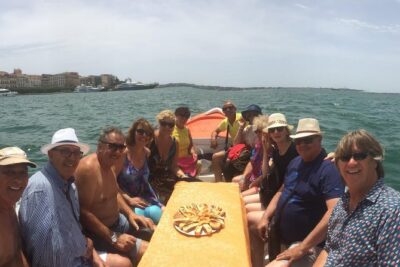
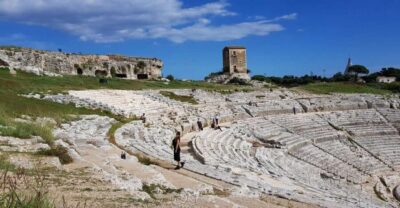

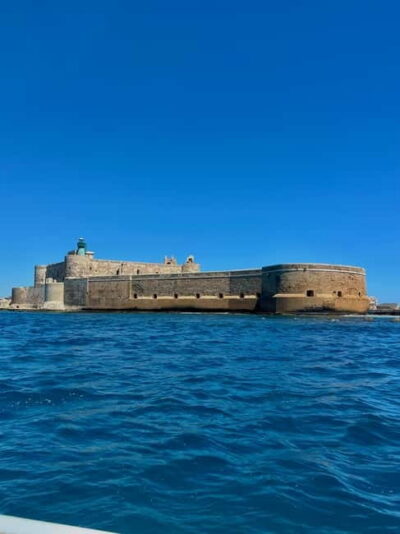
Ortigia Island and Sea Caves Boat Tour with Drinks
Read our review →Browse the lists this tour appears in