
Reviewed · SYRACUSE TOURS
Archaeological Syracuse: Neapolis Park private tour
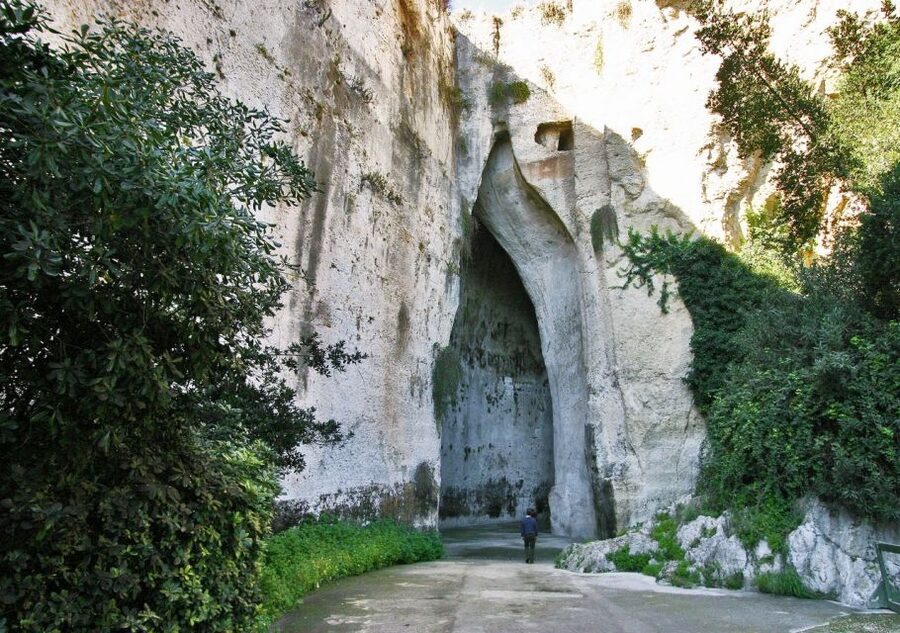
The most striking part of this Syracuse tour is the Greek theater carved into Temenite Hill, where ancient drama once played before an audience looking toward the bay. A short walk later, you are inside the Ear of Dionysius, a quarry grotto famous for its unusual shape and powerful echo.
I like the private format because you can ask questions without competing with a large group. I also like the compact route: in 105 minutes, you see the park’s main Greek and Roman monuments without giving up half a day. The main consideration is that entrance tickets are separate unless you select the ticket option, and the Greek theater may be partly covered for modern performances.
In This Review
- Key points at a glance
- Why Neapolis Park matters
- Meeting your guide at Largo Anfiteatro
- Latomie del Paradiso and the old quarries
- Grotta del Salnitro and the working quarries
- The Ear of Dionysius and its famous echo
- The Greek theater on Temenite Hill
- The Altar of Hieron II
- The Roman amphitheater
- What the private format is worth
- Timing, languages, and access
- Optional extra areas when the park opens them
- Who should book this Syracuse tour?
- Should you book it?
- FAQ
- Where does the tour start?
- Where does the tour end?
- How long does the tour last?
- Is the tour private?
- Which languages are available?
- Are park entrance tickets included?
- Can children enter the park for free?
Key points at a glance
- Theater with a bay view: The Greek theater is cut directly into Temenite Hill and offers one of the park’s best outlooks.
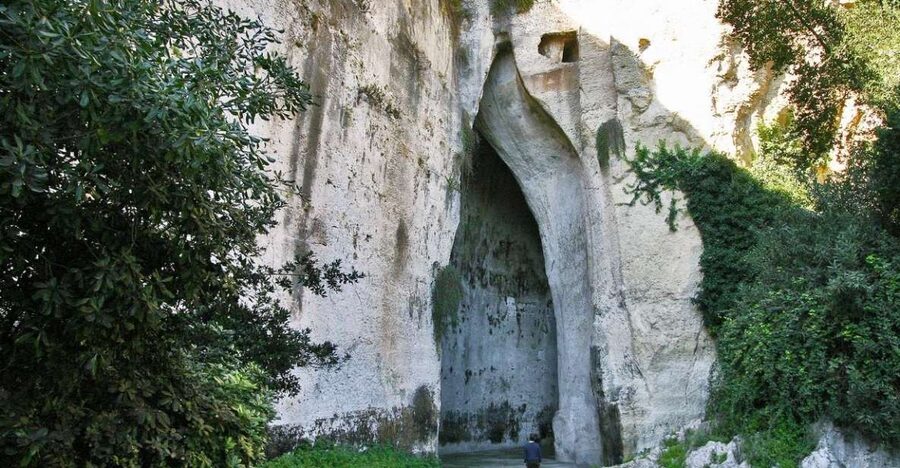
- The Ear of Dionysius: Step into the famous grotto and test its remarkable echo for yourself.
- Private guide for up to 15 people: Your group gets a dedicated licensed guide rather than joining a large shared party.
- Greek and Roman Syracuse in one walk: The route includes quarries, a theater, a monumental altar, and a Roman amphitheater.
- Flexible language choice: Tours are offered in English, Italian, and German.
- Optional extra areas: When parts of the park are open, you can ask about adding the Santa Venera quarry with a longer visit.
Why Neapolis Park matters
Syracuse is not simply an attractive Sicilian city with a few old stones around it. In Neapolis Archaeological Park, you can follow the outline of a major ancient center through the places where people watched plays, quarried stone, worshipped, and staged public spectacles.
The park brings together Greek and Roman remains in a single walk. That makes it especially useful if your time in Syracuse is limited. You do not need to arrange separate visits or work out how the monuments fit together on your own. Your guide connects the sites as you move through them.
The private setup changes the tone. You can pause at the Greek theater, ask about a feature that catches your eye, or request more attention to architecture, mythology, archaeology, or military history. The advertised group limit is 15, so the price makes the most sense for a family or group sharing the cost. For one or two people, it is a much more expensive option than a standard group visit.
A few more Syracuse tours and experiences worth weighing up
- Syracuse: Ortigia Private Walking Tour
★ 4.8 · 181 reviews - Private tour Syracuse -Archaeological Park and Ortigia with lunch
★ 5.0 · 28 reviews - Siracusa: Private Boat Excursion to Ortigia with Prosecco
★ 4.6 · 27 reviews
Meeting your guide at Largo Anfiteatro
The tour begins at the main entrance to Neapolis Archaeological Park, at Via Romagnoli and Viale Augusto. Look for the small fountain behind the medieval church of San Nicolò ai Cordari. Your guide will have a Hermes Sicily logo.
This meeting detail matters because the park area has several roads, monuments, and entrances that can make a first arrival confusing. Allow a little extra time to reach the fountain, especially if you are coming from another part of Syracuse.
The walk ends at the same entrance. That is handy if you plan to continue sightseeing elsewhere, since you will not need to arrange a return transfer. This is a walking tour, so wear comfortable shoes. Smoking is not allowed during the activity.
Latomie del Paradiso and the old quarries
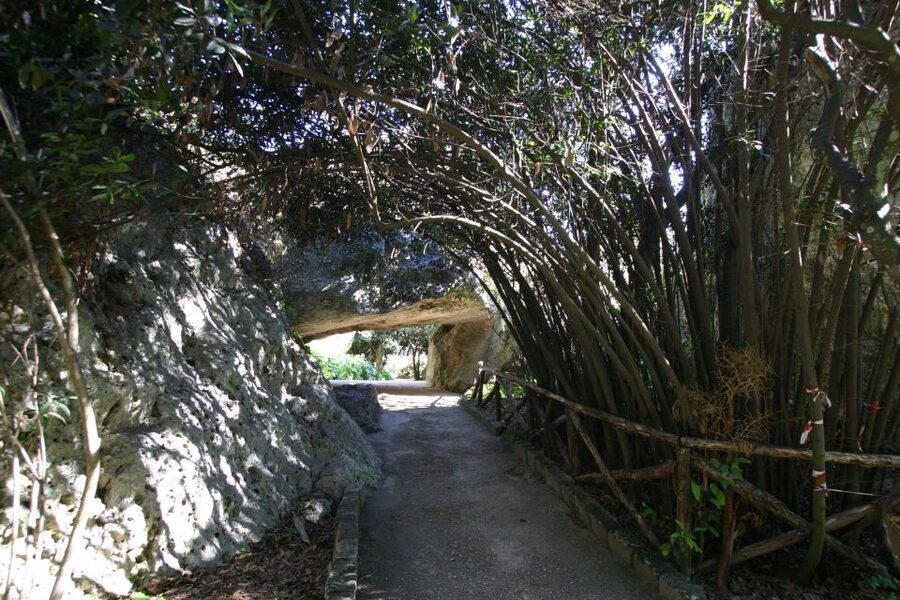
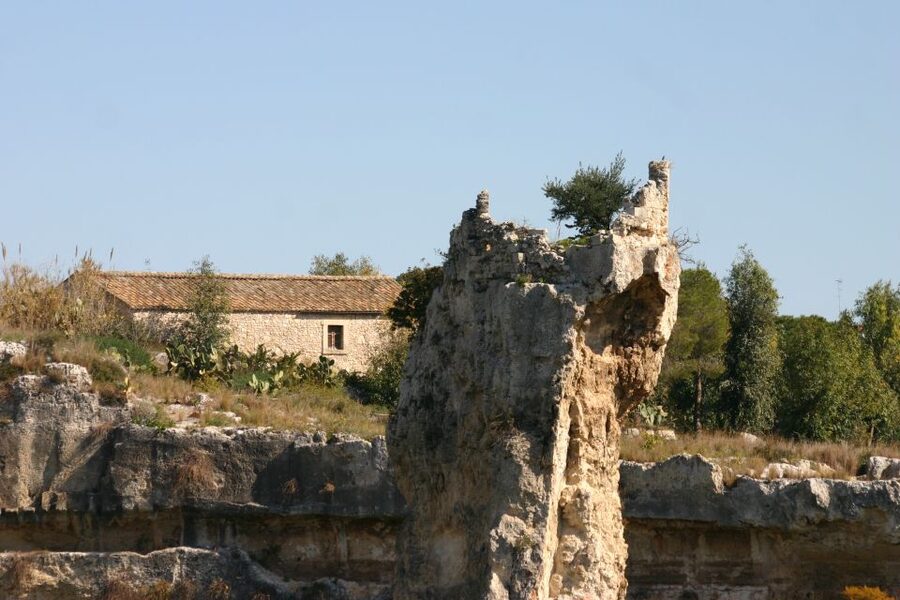
The first major stop is Latomie del Paradiso, an ancient stone quarry with plants growing among its walls. The name refers to the quarry area rather than a formal garden, but the setting can feel surprisingly calm compared with the open archaeological sites around it.
These quarries help you understand how Syracuse was built. Stone was cut from the hill, leaving deep excavated spaces and grottoes. Your guide can explain how the site functioned and how the rock shaped later monuments.
The scheduled visit here is about 15 minutes. That is enough to see the main space and get the basic story, though it is not a long archaeological study. If you like geology, quarrying, or the practical side of ancient building, use the private format to ask for more detail.
Grotta del Salnitro and the working quarries
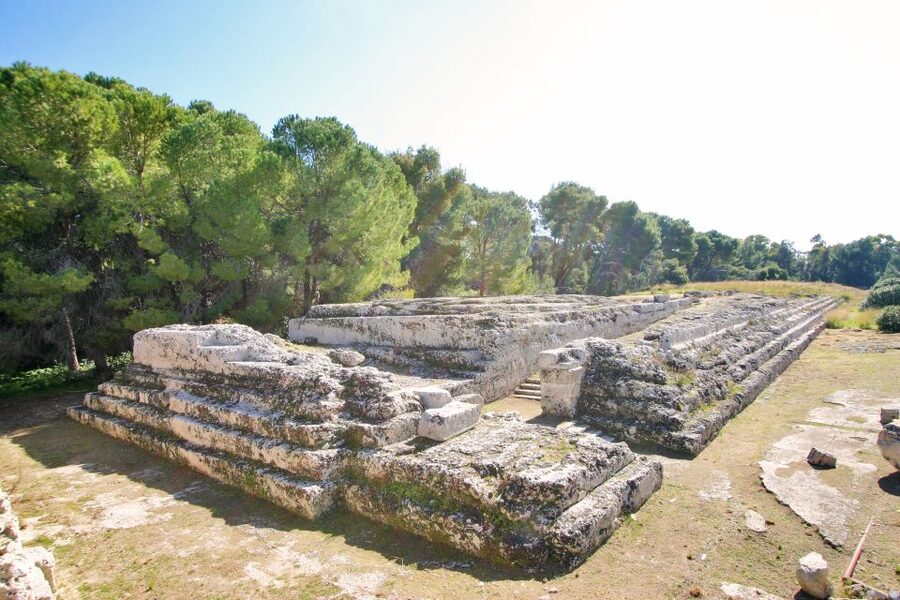
The route then reaches the Grotta del Salnitro, also called the Saltpeter Grotto. It is one of the spaces cut into the quarry system, alongside the Ropemakers Grotto.
The names preserve a link with the work once carried out here. The grottoes were not created only for display. Skilled workers used these spaces to make materials needed for daily life. That practical detail gives the quarries more meaning than a quick photo stop.
You have roughly 15 minutes here. Conditions inside a grotto can feel different from the open hillside, so take care on the walking surfaces and listen closely to your guide. The route is listed as wheelchair accessible, but specific access inside every cut-rock space can vary. If someone in your party uses a wheelchair, confirm the route details before booking.
Same island, a completely different day out:
- Syracuse: Boat Tour with Captain Mirko, Snorkeling & Caves
★ 4.7 · 746 reviews - Siracusa: Ortigia Boat Tour with Marine Grotto
★ 4.7 · 617 reviews - Siracusa: Ortigia & Sea Caves Speedboat Tour with Swim Stop
★ 4.9 · 499 reviews - Syracuse: Neapolis Archaeological Park Small Group Tour
★ 4.7 · 350 reviews
The Ear of Dionysius and its famous echo
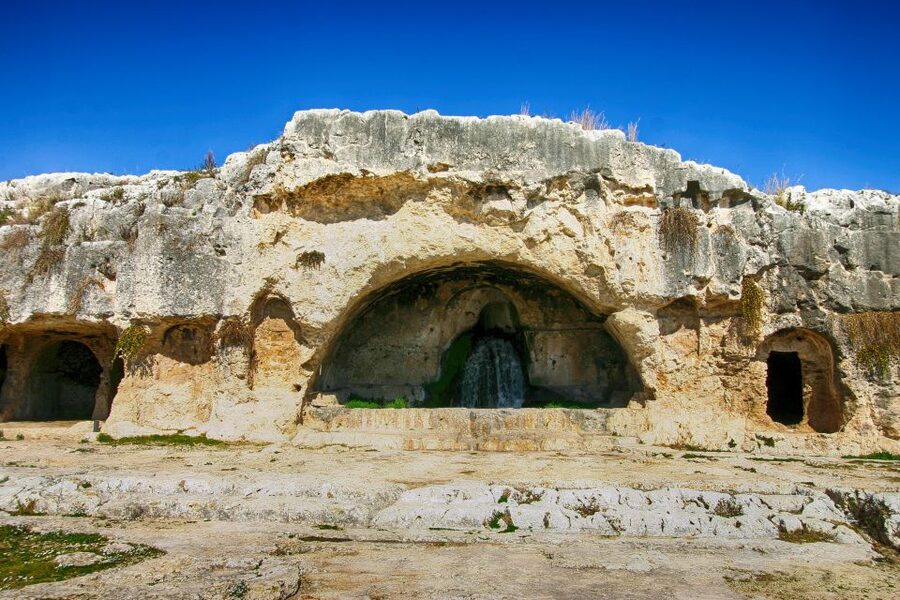
The Ear of Dionysius is the park’s most theatrical natural feature. This tall grotto has a shape associated with an ear, and its interior is known for carrying sound.
Your guide will introduce the stories connected with the name and the quarry. You will also have a chance to notice the acoustics yourself. A quiet word or sound can travel in a way that feels out of proportion to the effort. It is a simple experience, but it makes the ancient space memorable.
Plan on about 15 minutes. The grotto can be a highlight for families because the echo gives children something immediate to notice, while adults can focus on the history and construction of the quarry. The name comes with legendary associations, so listen for the difference between established archaeological information and later storytelling.
The Greek theater on Temenite Hill
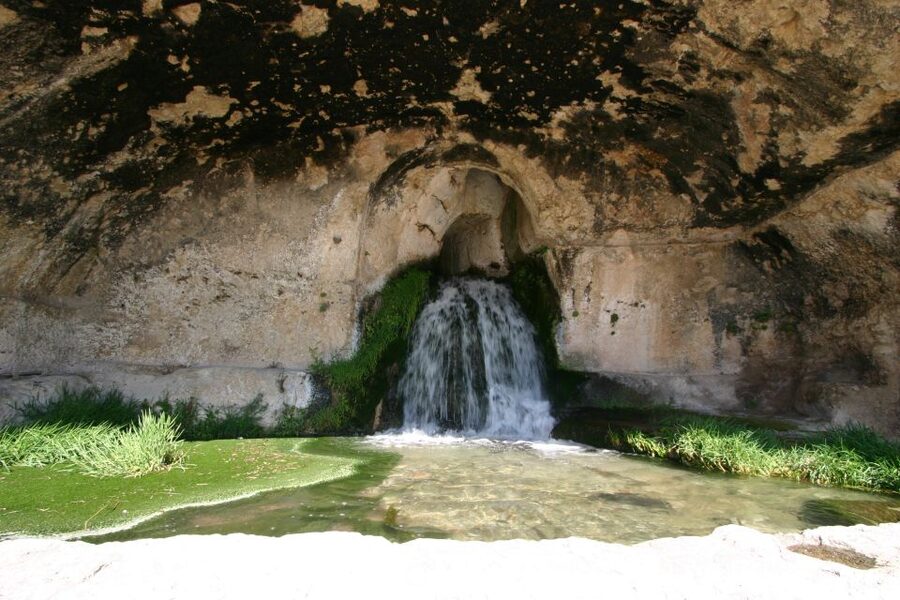
The Greek theater is the emotional center of the tour. Cut into Temenite Hill, it dates from the fifth to the third century B.C. Its broad stone seating and stage area show how Greek architects used the natural slope rather than forcing a separate structure onto the hill.
From the theater, you can look toward the bay of Syracuse. The view helps explain why this site was chosen, while the shape of the seating makes it easier to imagine an audience gathered for performances. Your guide can put the theater into the wider story of Syracuse during its Greek period, including the city’s cultural and political importance.
This stop receives about 20 minutes, the longest scheduled visit on the route. That is sensible. The theater needs time for both the monument and the view, and it is the place where you are most likely to want photographs or follow-up questions.
There is one important seasonal catch. The theater is still used for classical plays and concerts. During spring, and sometimes in summer, it may be covered for performances. A covering can limit the view of the seating or stage, so check current conditions if the theater is your main reason for booking.
The tour also takes in the Nympheum on the hill, an ancient sanctuary linked with water nymphs. It offers a quieter pause and adds a religious side to the theater area. The stop is not presented as a long separate visit, but your guide can help you notice it as part of the hill complex.
The Altar of Hieron II
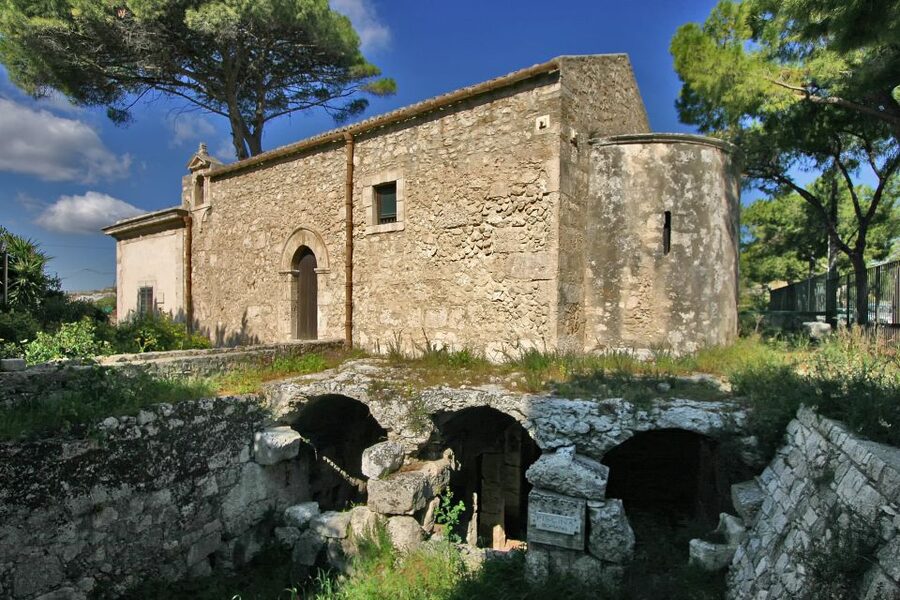
The next stop is the Altar of Hieron II, scheduled for about 15 minutes. This was a major religious and ceremonial monument, and its scale helps you picture public worship on a much larger level than a small household shrine.
The altar is best understood through its setting and purpose. The surviving remains may not immediately explain themselves, especially after the dramatic theater and grottoes. A private guide is useful here because you can ask what was built, what has survived, and how the monument fit into the civic life of Syracuse.
If your interest is ancient religion, kingship, or large public ceremonies, give this stop your attention. If you prefer visual monuments, it may feel less instantly gripping than the Ear of Dionysius. The guide’s explanation is what turns the remains into a readable part of the city.
The Roman amphitheater
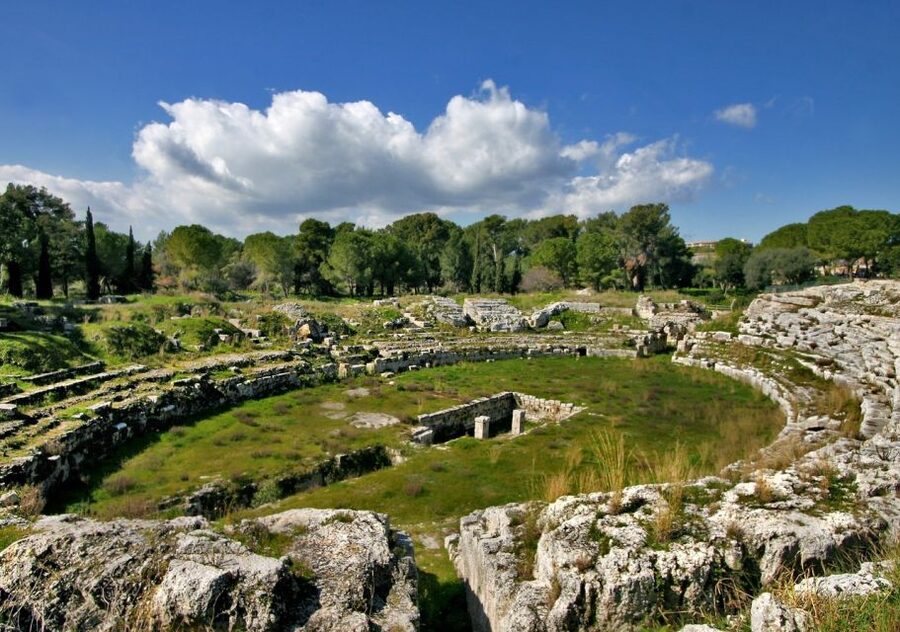
The final major stop is the Roman amphitheater, with about 15 minutes set aside for the visit. Its presence shows how the city changed over time. The Greek theater served one kind of public performance, while the Roman amphitheater was designed for spectacles associated with Roman entertainment.
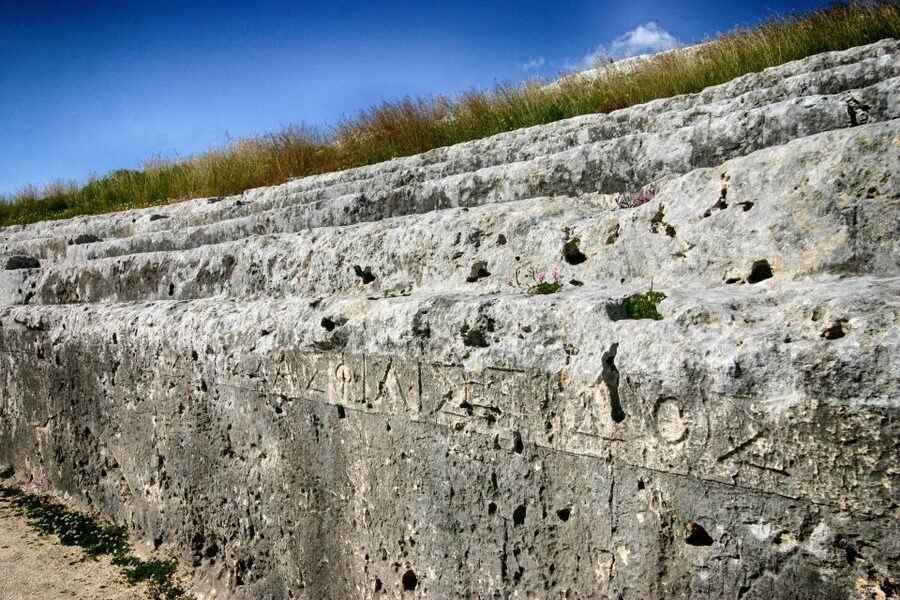
The structure is partly cut into the ground, giving it a different feel from the hillside theater. Here you can think about how public buildings reflected changing rulers, customs, and audiences. The route does not ask you to choose between Greek and Roman Syracuse. It lets you see both within one archaeological park.
Because this is the last stop, it provides a useful closing comparison. You have moved from quarry work to Greek theater, religious ceremony, and Roman spectacle, all within a manageable walking circuit. Afterward, you return to Largo Anfiteatro, 2.
What the private format is worth
The cost is $215.24 per group of up to 15 people. That is not a low price for a 105-minute walk, but the calculation changes if you are traveling with a family or a full group. Split among 10 people, it is about $21.50 per person before any ticket costs. For 15 people, it comes to roughly $14.35 each.
For two people, the price is harder to justify unless you place a high value on a private pace and personal questions. A larger group gets much better value, especially because everyone receives the guide’s attention rather than standing at the edge of a crowded shared tour.
Entry tickets are included only if you choose the tour-and-tickets option. Otherwise, you buy admission at the entrance. Visitors up to age 17 can enter free, but the free admission is available only at the ticket office. Bring an identity card or passport for registration, and do not choose the ticket-included option if you plan to claim that free entry on site.
The private guide is the main product here. The archaeological park itself can be visited without one, but the monuments are easier to understand with context. The strongest praise attached to this experience focuses on the guides’ ability to explain history clearly and answer questions. Eva is specifically described as pleasant, well prepared, and strong on general history. Another group identified its guide as Ava and praised her area knowledge and answers. If a particular guide matters to you, ask the operator who is available when you book.
Timing, languages, and access
The experience lasts 1.5 hours, listed more precisely as 105 minutes. The scheduled monument visits add up to about 95 minutes, leaving time for walking between stops, orientation, and transitions.
Tours are offered in English, Italian, and German. Because the group is private, you can request more attention to your interests, though the precise balance depends on the guide and the time available.
The activity is listed as wheelchair accessible. That is useful, but the park includes sloping ground, quarry spaces, and cut-rock areas. Ask for current access details if your party needs a fully step-free route.
The tour operates with free cancellation up to 24 hours before the start time, and you can reserve now while paying later. Those terms help if your Syracuse plans are still shifting, but they do not change the need to check the meeting time and ticket choice carefully.
Optional extra areas when the park opens them
During the tourist season, more sections of the park may open temporarily, including the Santa Venera stone quarry. You can ask your guide to add these areas, but the visit then needs to be extended.
This is a good option if you have a strong interest in quarrying or want a longer archaeological walk. It is less appealing if you chose the tour because you want a short, efficient introduction before lunch or another appointment. Confirm the extra time and any cost before setting off.
Who should book this Syracuse tour?
I would choose this tour for a family, a group of friends, or anyone who wants the major sights explained in a short visit. It suits you particularly well if you like asking questions, want to move at your own pace, or prefer not to spend time sorting out the park’s monuments alone.
It is also a sensible choice for first-time visitors to Syracuse who want a clear introduction to both Greek and Roman remains. The guide’s presence is most valuable at the Altar of Hieron and the quarries, where the stones do not always explain their purpose without help.
I would think twice if you are traveling alone or as a couple on a strict budget. The park can be explored independently, and the cost per person rises sharply with a small party. I would also check the theater conditions before booking if seeing the full Greek theater is your top priority.
Should you book it?
Book this private Neapolis Archaeological Park tour if you can share the cost with a group and want a focused visit led in English, Italian, or German. The route covers Syracuse’s essential ancient sites, and the Ear of Dionysius, quarry grottoes, theater view, altar, and amphitheater provide plenty of variety in 105 minutes.
Choose the ticket option that fits your group, bring identification for children claiming free entry, and wear comfortable shoes. If you want more time in the quarries or the Santa Venera area, ask about an extended route before the tour begins.
FAQ
Where does the tour start?
It starts at the main entrance gate of Neapolis Archaeological Park at Via Romagnoli and Viale Augusto, near the small fountain behind San Nicolò ai Cordari medieval church.
Where does the tour end?
The tour ends back at the starting point, Largo Anfiteatro, 2.
How long does the tour last?
The tour lasts 1.5 hours, or 105 minutes. Starting times vary, so check availability when booking.
Is the tour private?
Yes. It is a private group experience with a dedicated licensed guide, and the group can include up to 15 people.
Which languages are available?
Guides are available in English, Italian, and German.
Are park entrance tickets included?
Tickets are included only if you select the tour-and-tickets option. Otherwise, you must purchase admission at the entrance.
Can children enter the park for free?
Visitors up to age 17 have free entrance, but free admission is available only at the ticket office. Bring an identity card or passport for registration.
Just added around Syracuse
- Sicily Boats Avola: Plemmirio boat tour 4 people 4 hours★ 5.0 · 3 reviews
- From Syracuse: Private Taormina and Castelmola tour with lunch★ 5.0 · 3 reviews
- Siracusa Iris Photography Experience★ 5.0 · 3 reviews
- Siracusa E-bike rental service★ 5.0 · 3 reviews
- Tour Ragusa Ibla, Modica and Noto, from Syracuse★ 5.0 · 3 reviews
- Cyclops Tour★ 4.5 · 3 reviews
- Tour of Syracuse by Ape Calessino★ 3.0 · 3 reviews
- Boat tour of the island of Ortigia and the sea caves★ 4.2 · 4 reviews
Syracuse Tours, compared.
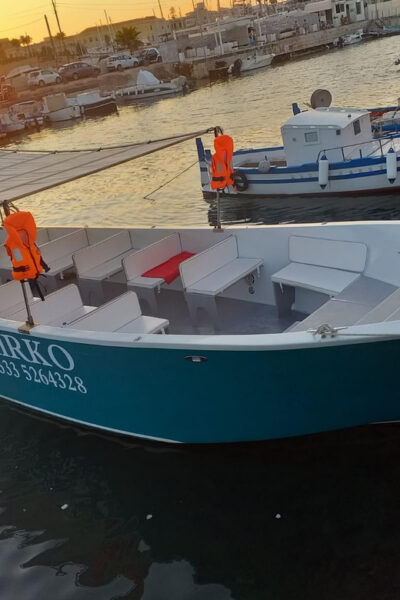
Boat Tour with Captain Mirko, Snorkeling & Caves
Read our review →

Ortigia & Sea Caves Speedboat Tour with Swim Stop
Read our review →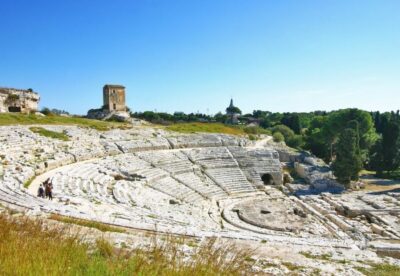

Ortigia Island and Sea Caves Boat Tour with Drinks
Read our review →

Street Food Walking Tour in Ortigia with Tastings
Read our review →Browse the lists this tour appears in