
Reviewed · COOKING CLASSES
Catania: Pistachio Ravioli, Pasta Home Cooking Class w/ Wine
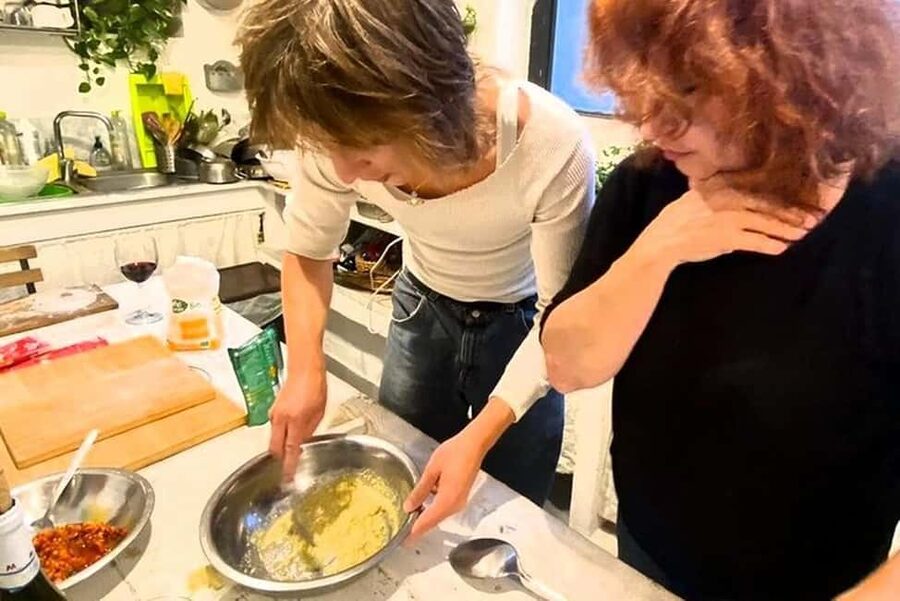
Pistachio ravioli is the star here, but the real treat is making it in Angela’s home in Catania. You’ll roll pasta, fill it with creamy pistachio, and learn why Sicily’s Bronte pistachios are prized as the island’s green gold. I especially like the hands-on format and the chance to eat a meal you helped make.
I also like the relaxed, social setting. Angela brings humor and energy to the lesson, while her son Victor may help with translation. The main consideration is communication: Angela speaks English and Italian, but several participants have relied on Google Translate. The class can also run closer to four hours than three.
In This Review
- Key points at a glance
- Why pistachio ravioli makes this class different
- Ring the bell, then enter a real Catania home
- The opening lesson: dough, pistachios, and pasta technique
- The pear and cheese bruschetta is more than a side dish
- Shaping ravioli, the hands-on part that matters
- Sitting down to eat what you made
- How long the evening really takes
- What the language setup means for you
- The price, group size, and practical value
- Who should book Angela’s pasta class
- Should you book this Catania cooking class?
- FAQ
- How long does the cooking class last?
- What dish will I learn to make?
- Is dinner included?
- What else is served with the ravioli?
- What languages are used during the class?
- How many people can join?
- Where does the class meet?
- Is the activity accessible for wheelchair users?
Key points at a glance
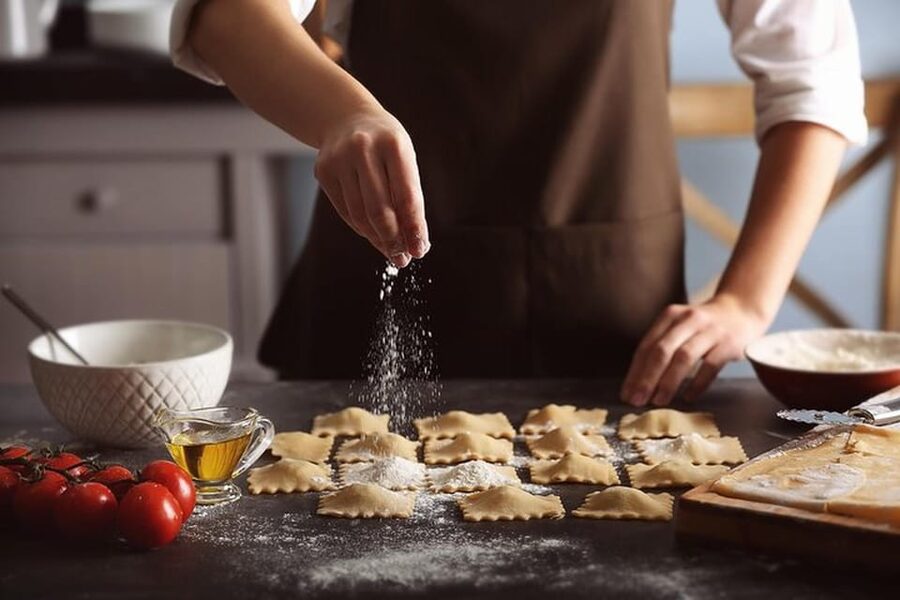
- Make Bronte pistachio ravioli from scratch: Prepare the dough, filling, and ravioli shapes yourself rather than watching a cooking demonstration.
- Cook in Angela’s Catania apartment: The setting feels like a home meal, not a formal school or restaurant kitchen.
- Enjoy a three-course Sicilian dinner: The meal can include ravioli, pear and cheese bruschetta, dessert, wine, water, and coffee.
- Small group of up to eight: You cook and eat around a shared table, with enough room for personal instruction.
- Expect a lively host: Angela is funny, warm, and hands-on, with Victor sometimes helping bridge the language gap.
- Plan extra time: The advertised three hours may stretch to about four, especially when conversation and dinner continue.
Why pistachio ravioli makes this class different
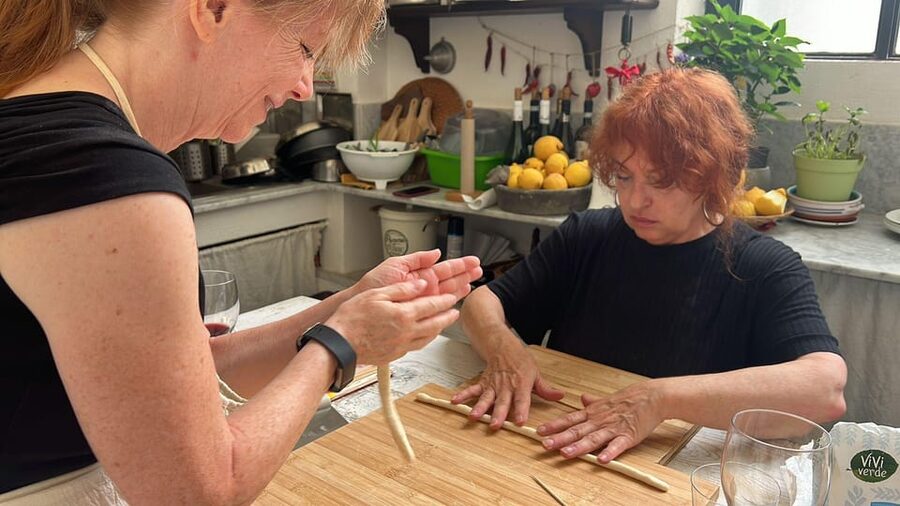
Many pasta classes in Italy focus on familiar tagliatelle, lasagna, or standard ricotta ravioli. This one takes a more distinctly Sicilian turn with pistachio-filled ravioli.
Pistachios are central to food from eastern Sicily, especially those associated with Bronte, a town on the slopes of Mount Etna. The nuts bring a sweet, earthy flavor and a soft green color to the filling. You are not simply learning how to fold pasta. You are learning how one local ingredient shapes a dish and a piece of Sicilian food culture.
The class begins with pasta dough made from scratch. Angela guides you through the texture and handling, then shows you how to prepare the pistachio mixture. From there, you work on rolling, filling, sealing, and shaping the ravioli.
That last stage matters. Ravioli can look simple until you try to seal them without trapping too much air or letting the filling escape. Angela’s teaching style is practical and direct. She demonstrates, lets you try, and corrects your technique when needed. You get a proper chance to work with the dough rather than standing back while someone else cooks.
I like this balance. You do not need advanced kitchen skills, but you also are not reduced to sprinkling cheese over a dish prepared in advance. The class is built around the small tasks that make fresh pasta satisfying.
More Cooking Classes in Catania
- Cooking lesson in Catania with lunch or dinner
★ 5.0 · 154 reviews - Catania: Market Tour and Cooking Class with Chef Riccardo
★ 5.0 · 40 reviews - Catania: Pasta & Tiramisu Cooking Class at a Local’s Home
★ 4.8 · 39 reviews
Ring the bell, then enter a real Catania home
The meeting point is at an address identified with Vignolo. You ring the bell and go upstairs to Angela’s apartment.
This arrangement may feel slightly uncertain at first. One participant noted that the meeting point was not clearly marked, and another earlier booking had an address problem that required a last-minute correction. I recommend checking the final meeting instructions carefully before setting out and allowing a few extra minutes to confirm the entrance.
Once inside, the mood changes. The cooking takes place in a bright, clean home kitchen with a dining area prepared for the meal. The setting is part of the appeal. You are not moving through a polished cooking studio with a staff uniform and a printed script. You are being welcomed into someone’s home.
That also means you should arrive ready for a personal, informal evening. Angela’s personality is a major part of the class. She is playful, animated, and comfortable giving friendly corrections. Her humor helps turn mistakes into part of the fun.
If you prefer a quiet, highly structured lesson, this may feel loose. If you want conversation, laughter, and a closer look at everyday Sicilian hospitality, the home setting works very well.
The opening lesson: dough, pistachios, and pasta technique
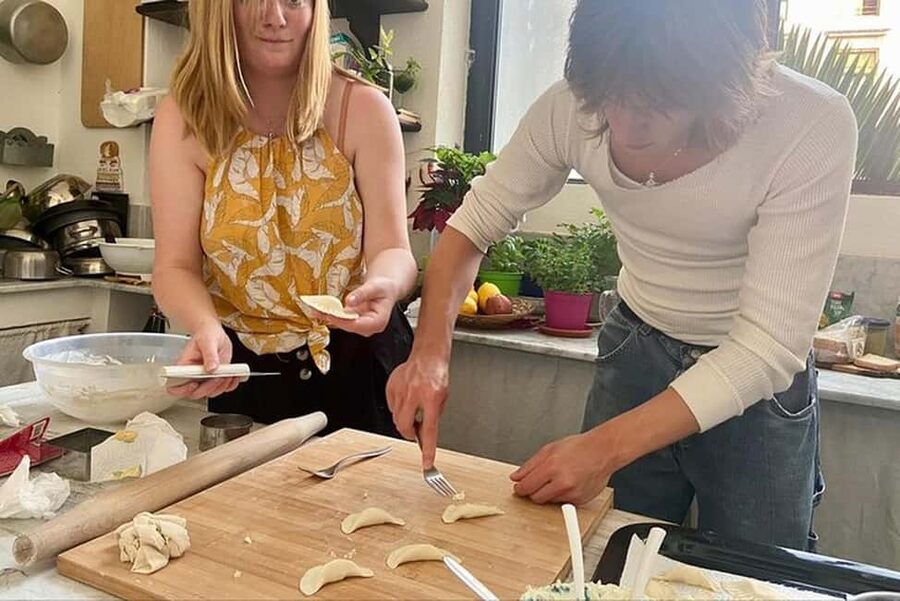
After introductions, Angela starts with the pasta. You work through the basic dough preparation and learn how it should feel as it comes together.
The exact amount of physical work depends on the group, but the teaching is designed to give everyone a turn. You may watch a technique first, then repeat it with Angela nearby. That pattern is useful because fresh pasta is easier to understand through your hands than through a long explanation.
As the dough rests, the class shifts naturally toward food and conversation. This pause is not wasted time. It gives you a chance to sit down, taste something prepared by Angela, and get to know the people at your table.
The group is limited to eight participants. In one class, seven people sat around the kitchen table, including three couples and a solo participant. That is a good size for this kind of activity. You have enough company for a social meal, but the group is still small enough for Angela to watch your technique.
The social mix can be part of the evening’s charm. You may arrive with a partner or friend and end up sharing the table with people from several countries. The food gives everyone an easy subject to discuss, even when language is not shared perfectly.
The pear and cheese bruschetta is more than a side dish
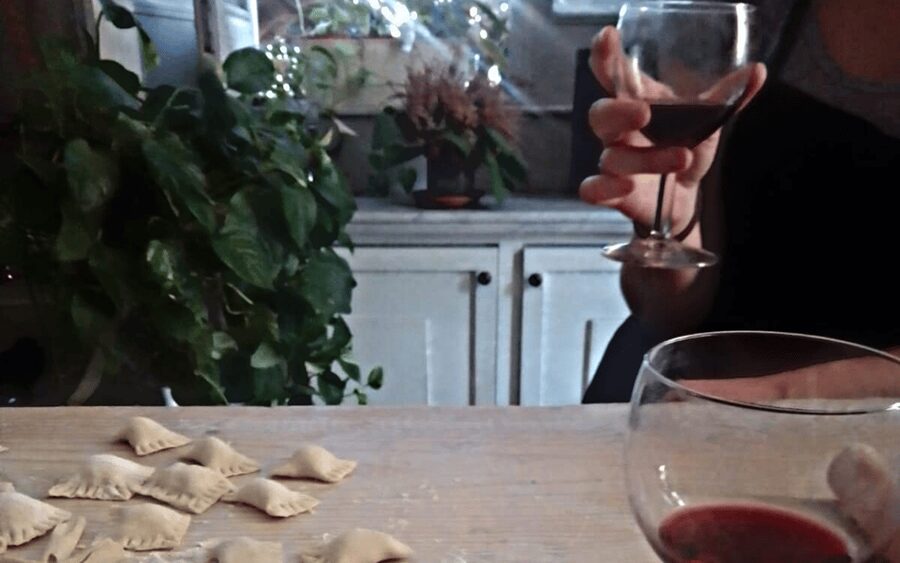
While the dough rests, Angela serves bruschetta topped with cheese, pear, walnuts, and chestnut honey.
This is an unusual combination if you are expecting tomato, garlic, and olive oil. The pear gives it freshness, the cheese adds salt, walnuts bring texture, and chestnut honey ties everything together with a dark sweetness. It is a small but thoughtful course, with the sweet and savory contrast helping set the tone for the pistachio pasta to come.
Several people found this starter memorable, and I can see why. It shows Angela’s personal cooking style rather than offering the most predictable version of Sicilian food.
The bruschetta is also useful during the class because it gives you something to eat while the pasta rests. You are not left waiting around the kitchen, and the meal begins before the ravioli reaches the table.
Wine is served with the food. Water and coffee are also included. The wine is local Sicilian wine, and the pairing keeps the meal tied to the region instead of feeling like a generic cooking lesson with a drink added at the end.
More Wine Tours in Catania
- Etna, Wine and Alcantara Tour – From Taormina
★ 5.0 · 464 reviews - Tour Etna & Wine Tasting
★ 5.0 · 317 reviews - Mt Etna and Wine tasting tour from Catania
★ 5.0 · 282 reviews - Full-Day Etna and Wine Tour from Catania
★ 4.9 · 150 reviews
Shaping ravioli, the hands-on part that matters
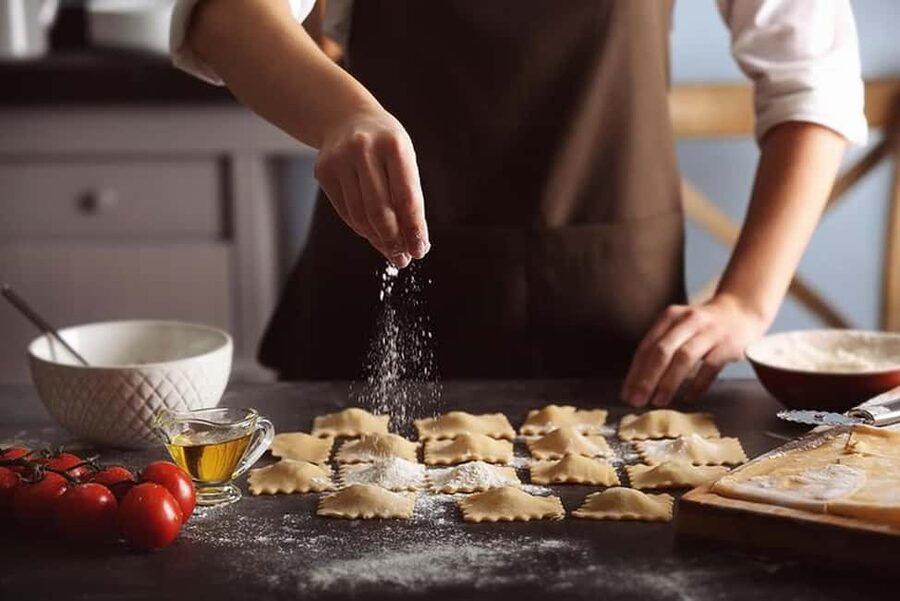
Once the dough has rested, you return to the main task: forming the ravioli.
Angela shows you how to place the pistachio filling, fold or seal the pasta, and shape the pieces. This is where the class becomes especially useful for anyone who hopes to repeat the dish at home.
You learn by doing. Some pieces may be neat, others may look a little rustic. That is fine. The point is to understand how much filling to use, how firmly to seal the edges, and how to handle the pasta without tearing it.
Angela’s approach is patient but not timid. She pays attention to details and is willing to point out where your technique needs work. That is better than a lesson where every attempt receives automatic praise. You leave with a clearer sense of what to change next time.
The language issue can appear here. Angela teaches in English and Italian, but her English may be limited. Victor sometimes translates, and participants have also used Google Translate. You should not expect a long technical lecture in polished English.
In practice, pasta instruction is well suited to this kind of communication. A demonstration, a gesture, and a quick translation can explain a great deal. Still, if you need detailed culinary terminology or want to ask many complex questions, the language gap may slow things down.
Sitting down to eat what you made
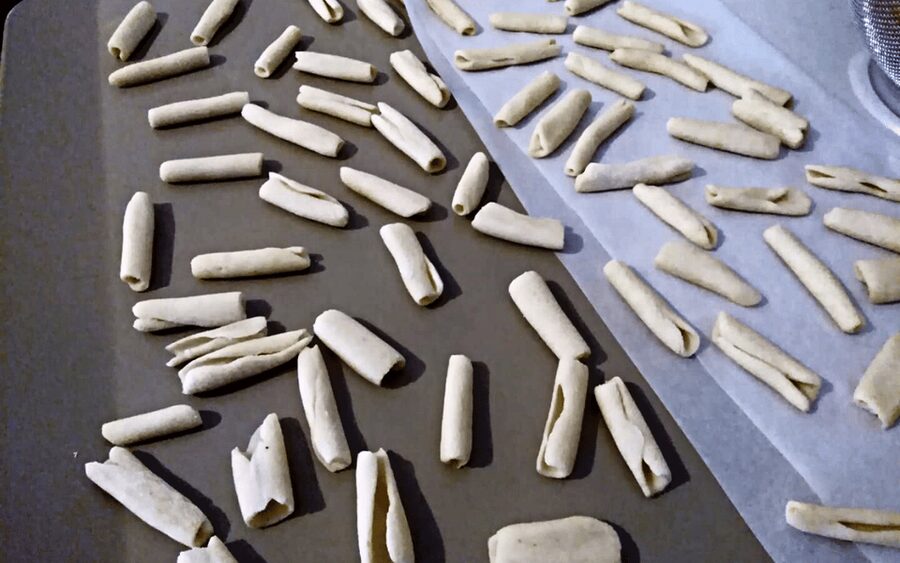
When the ravioli is ready, you sit down for the main meal. The pasta is served with a sauce described in participant accounts as a white sauce, allowing the pistachio filling to remain central.
This is the satisfying payoff of the class. You have handled the dough, shaped the pasta, and watched the dish come together. The finished meal feels more personal than a plate ordered in a restaurant because you understand the work behind each piece.
I would not book this only as a way to get a cheap dinner. The value comes from the full evening: instruction, ingredients, food, wine, conversation, and the chance to cook in a local home. At $100 per person, it is not the least expensive meal in Catania. But compared with paying for a restaurant dinner plus a separate class, the package can make good sense if you value the activity as much as the food.
The menu has some variation in the details. The advertised experience includes a three-course dinner, while accounts of the meal describe desserts such as tiramisu, ricotta with strawberries, or another homemade sweet. That suggests the final course may depend on what Angela prepares for the day.
Coffee and water round out the meal. The pace is unhurried, and dinner may continue well past the point when the cooking is finished.
How long the evening really takes
The stated duration is three hours. You should treat that as a useful guide rather than a hard ending.
One participant reported a total of about four hours. That extra time can come from the meal, translation, conversation, group photos, or the natural pace of cooking with several people in one kitchen.
This matters if you have an evening train, a theater booking, or a tight dinner reservation afterward. I would keep the rest of the night open. The class is designed as a social meal, not a fast workshop where you leave immediately after the last ravioli is served.
The slower pace is also part of the appeal. Angela’s home is a place to sit, talk, and enjoy the food. You may finish the cooking on schedule but stay longer because the evening feels more like an invitation to dinner than a timed attraction.
What the language setup means for you
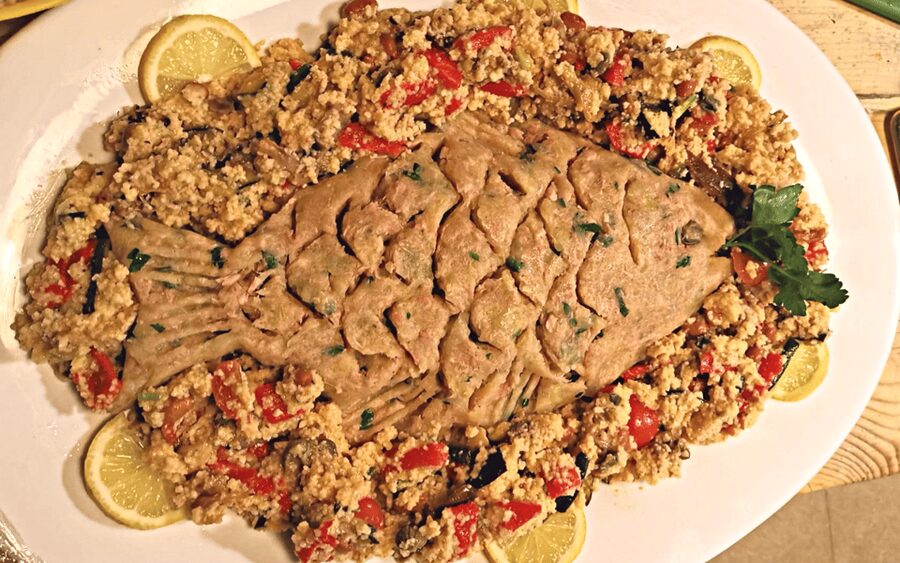
The class is offered in English and Italian, but communication is not always fully in English. Angela’s son Victor may translate, and online translation tools have helped participants communicate when he is not available.
I would not let this stop you if you are comfortable learning by watching and copying. Pasta is visual and tactile. You can see how Angela rolls the dough, how she places the filling, and how she seals the edges.
Come prepared with patience. A translation app can help with questions, but it may not capture every cooking term cleanly. It is worth keeping your phone charged, especially if you want to ask about ingredient substitutions or how to repeat the recipe at home.
A recipe card is not clearly promised. One participant wished for one at the end, so bring a note-taking app or ask permission to photograph useful steps. You may remember the broad method easily, but exact quantities and cooking times are harder to recall later.
The price, group size, and practical value
At $100 per person, this is a mid-to-high priced food activity. The fee includes the cooking class, a three-course dinner, wine, water, and coffee, all within a small group capped at eight people.
The group limit is important. A larger class might cost less, but you would likely spend more time watching and less time shaping pasta. Here, each person is meant to take part, and Angela can keep an eye on technique.
The home setting adds value for people who want personal contact with a local host. You are paying for more than ingredients. You are paying for access to a private kitchen, a guided lesson, and a meal that unfolds at the same table where the class takes place.
The value is weaker if you only want a quick meal or a professional culinary school setup. It is also less suitable if you dislike shared tables, informal instruction, or translation by phone.
Cancellation is flexible: you can cancel up to 24 hours ahead for a full refund. You can also reserve and pay later, which helps if your Catania plans are still moving around.
The activity is not suitable for wheelchair users. The apartment access includes a flight of stairs, and the cooking takes place in a home rather than an accessible commercial venue.
Who should book Angela’s pasta class
I think this class fits you best if you:
- Want to learn one specific Sicilian pasta dish rather than cover many recipes
- Enjoy cooking with your hands
- Like meeting other people around a shared table
- Appreciate informal local hospitality
- Are comfortable with some communication through translation
- Have an evening free and do not need to leave after exactly three hours
It works well for couples, friends, solo participants, and families with an interest in food. Several people joined with a partner or family member, but the small group format also gives solo participants a natural way to meet others.
The class may not suit you if you need step-free access, require a formal lesson in fluent English, or want a tightly timed event. It is also not ideal for someone who only wants to observe. The pleasure comes from getting flour on your hands and making imperfect ravioli.
Should you book this Catania cooking class?
I would book it if you want an evening that connects food with a real person and a real home. The pistachio ravioli is unusual, the bruschetta adds a creative opening course, and the meal gives you a reason to slow down and talk.
Angela is the heart of the experience. Her humor, patience, and direct teaching style appear to shape the evening as much as the recipe does. Victor’s help with translation can make the class easier, but you should still expect a mix of spoken instruction, gestures, and phone translation.
My practical advice is simple: confirm the meeting address, allow four hours, keep your schedule clear afterward, and bring a charged phone for translation and notes. If that sounds like your kind of night, the $100 price is reasonable for a small-group lesson, dinner, wine, and a warm introduction to Sicilian cooking.
FAQ
How long does the cooking class last?
The advertised duration is three hours. The evening may run closer to four hours, so avoid scheduling another fixed activity immediately afterward.
What dish will I learn to make?
You will learn to make pistachio-filled ravioli from scratch, including the pasta dough, pistachio filling, and shaping technique.
Is dinner included?
Yes. The experience includes a three-course dinner, with the homemade ravioli as the main dish.
What else is served with the ravioli?
The meal includes gourmet bruschetta with cheese, pear, walnuts, and chestnut honey. Dessert may include tiramisu or another homemade sweet. Wine, water, and coffee are included.
What languages are used during the class?
Instruction is offered in English and Italian. Angela’s son Victor may help translate, and participants have also used Google Translate when needed.
How many people can join?
The class is a small-group activity limited to eight participants.
Where does the class meet?
You meet at the provided Vignolo address and ring the bell. The class takes place in Angela’s apartment.
Is the activity accessible for wheelchair users?
No. The activity is not suitable for wheelchair users.
More Sicilian Cooking Classes in Catania
- Cooking Class Arancini in Catania
★ 4.8 · 20 reviews - Catania: Pizza Cooking Class
★ 4.9 · 18 reviews - Cesarine: Home Cooking Class & Meal with a Local in Catania
★ 4.5 · 10 reviews - Catania: Private Cooking Class at a Local’s Home
★ 4.9 · 9 reviews
More Pasta in Catania
- From Catania: Private/Guided Godfather with Appetizer and Pasta
★ 5.0 · 42 reviews - Private Catania Pasta-Making Class in a Local Home by Cesarine
★ 5.0 · 27 reviews - Cooking class fresh pasta
★ 4.8 · 17 reviews - Taormina: Godfather Vs Mafia Tour with Pasta Lunch
★ 4.8 · 313 reviews
Just added around Catania
- Catania AIRPORT transfer From / To Taormina★ 5.0 · 3 reviews
- Catania : Diving for patented divers★ 5.0 · 3 reviews
- Transfer Catania / Agrigento Airport★ 5.0 · 3 reviews
- Taormina: exclusive tour with food, drinks, and sunset, pick-up from Catania★ 5.0 · 3 reviews
- From Catania/Taormina: Mount Etna Private Wine Tasting Tour★ 4.7 · 3 reviews
- From Catania: Day Trip to Giardini Naxos and Taormina★ 5.0 · 3 reviews
- Catania: Summit Craters from North Etna with 4×4 vehicles★ 5.0 · 3 reviews
- Catania: Guided Street Food Tour with Tastings★ 5.0 · 3 reviews
Cooking Classes, compared.
Seaview Cooking Class & Taormina local flavors with Chef Mimmo
Read our review →
COOKING CLASS in Taormina at Chef Massimo HOUSE!!
Read our review →
Cannolo Cooking Class with Completion Certificate
Read our review →
Wanna be Sicilian: Palermo Cooking Class and Market Tour
Read our review →Browse the lists this tour appears in