
Reviewed · COOKING CLASSES
Sicilian Cooking Class
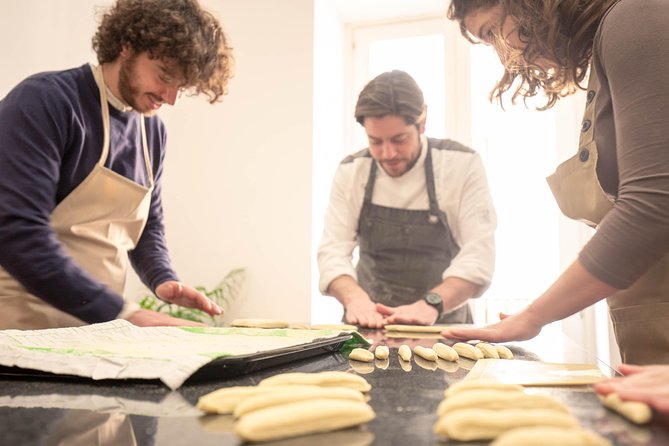
Palermo’s best cooking lessons begin before the kitchen. This one starts at Mercato del Capo, where Chef Michael helps you choose fresh ingredients and explains how Sicilians shop, cook, and eat. You then walk to an air-conditioned studio for a hands-on lesson and a four-course meal.
I like the small maximum of eight people, which gives you real jobs instead of a place at the back of a demonstration. I also like the local menu: panelle, pasta con le sarde, fried artichokes, swordfish, cannoli, cassata, or almond granita rather than the familiar pizza and tiramisu routine. The main consideration is that the class may involve a steep flight of stairs, and the menu changes with the season.
In This Review
- Key points to know before booking
- Starting at Palermo’s Capo Market
- Walking to the air-conditioned cooking studio
- Preparing four courses by hand
- Ending with Sicilian desserts
- Sitting down to eat what you made
- What makes Chef Michael’s teaching effective
- How long the experience takes
- Who will enjoy this class most
- Practical details and cancellation
- Should you book the Sicilian Cooking Class?
- FAQ
- Where does the Sicilian Cooking Class begin?
- What time does the class start?
- How long does the experience last?
- Is the class offered in English?
- How many people can join the class?
- Is a meal included?
- Is the menu fixed?
- Can people with dietary requirements join?
Key points to know before booking
- Capo Market comes first: Shop for the day’s ingredients near Porta Carini before heading to the kitchen.
- Chef Michael leads in English: His teaching covers ingredients, technique, Sicilian food customs, and the reasons behind each dish.
- You do the cooking: Expect hands-on work with fresh pasta, fried foods, sauces, meat or fish, and dessert.
- The menu is seasonal: You may prepare dishes such as panelle, pasta con le sarde, involtini di carne, cannoli, or almond granita.
- The meal is part of the lesson: Sit down afterward for four courses with Sicilian wine, coffee, and homemade liqueurs.
- The group stays small: The class has a maximum of eight people and lasts about four and a half hours.
Starting at Palermo’s Capo Market
The meeting time is 10 a.m. at Parcheggio ORLANDO, on Piazza Vittorio Emanuele Orlando, near Porta Carini. That puts you beside one of Palermo’s old-town markets, so the first part of the experience feels like a food walk rather than a formal class.
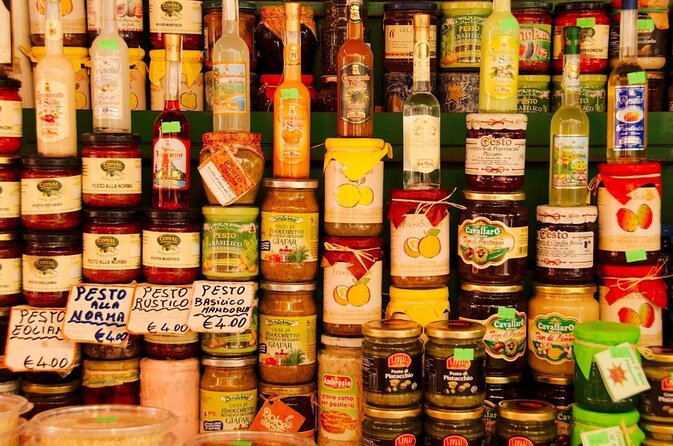
Mercato del Capo is where you begin choosing what will go into lunch. Chef Michael handles the shopping while explaining the ingredients and their place in Sicilian cooking. You might see the fresh produce, fish, herbs, nuts, breadcrumbs, cheese, and other staples that shape the day’s menu, though the exact selection depends on the season.
This market stop matters because it gives you useful context. A recipe on a printed page can tell you to use artichokes or sardines. A walk through the market shows you how those ingredients look when fresh, what local cooking depends on, and how the day’s menu can change according to what is available.
I especially like that the shopping is tied directly to the meal. You are not just passing through a market for a quick photo. The food bought here becomes the lunch you prepare later.
Allow a little patience at the start. One class encountered rain and found much of the market closed, with local businesses staying home in poor weather. That is a reminder that a market visit is a real part of Palermo’s daily life, not a guaranteed stage set. The cooking class continued, but the market portion may feel less complete in bad conditions.
More Cooking Classes in Palermo
- Palermo: Pizza and Gelato Cooking Class with Dinner and Wine
★ 4.9 · 951 reviews - Wanna be Sicilian: Palermo Cooking Class and Market Tour
★ 5.0 · 197 reviews - Cooking class in a villa with Palermo view
★ 5.0 · 155 reviews
Walking to the air-conditioned cooking studio
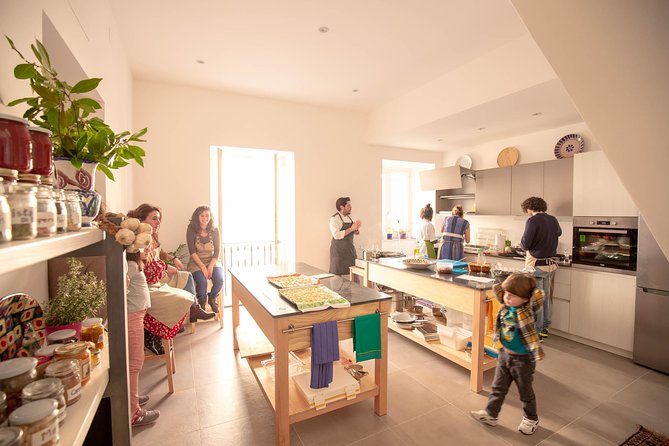
After the market, you walk a short distance to the cooking school and dining space. The kitchen is air-conditioned, a welcome detail in Palermo, particularly during warmer months and during a lesson that includes frying and several hours of food preparation.
The studio is described as quaint and well suited to a small class. With a maximum of eight people, you should have a chance to work directly with the ingredients. This is different from a large demonstration where one person cooks and everyone else watches.
One practical warning deserves attention. The kitchen is reached by a steep flight of stairs. If stairs are difficult for you, ask about this before booking. The experience is near public transportation, and service animals are allowed, but the stair access may still affect your comfort.
Chef Michael teaches in English and explains both the what and the why of the food. That includes cooking tips, preparation methods, and the background of Sicilian dishes. He is assisted by Elena or Melissa on some sessions, so the exact assistant may vary.
Preparing four courses by hand
The lesson is built around a four-course meal: a starter, a pasta course, a main course, and dessert. The sample dishes are Sicilian standards, but you should not expect to cook every item listed. The selection changes with the season and the ingredients available at the market.
The first course may include panelle, Palermo’s crisp chickpea fritters served with lemon. This is a classic piece of Palermo street food, and it teaches a simple but important Sicilian idea: inexpensive ingredients can make excellent food when they are prepared well.
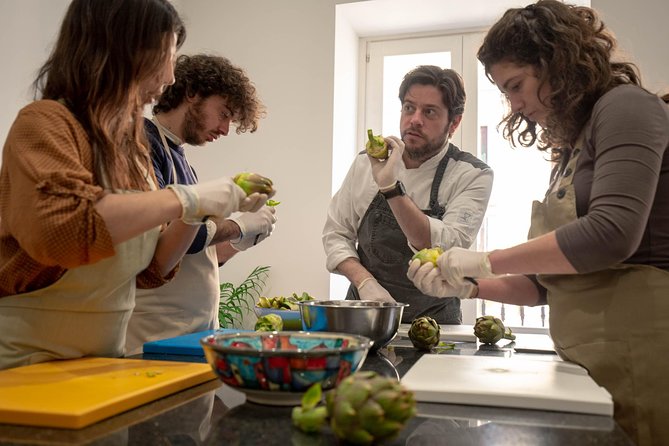
Other possible starters include arancine al burro, saffron rice balls filled with ham and cheese, or fried artichokes. The arancine are breaded and fried, while the artichokes require cleaning, quartering, and careful preparation. These are useful dishes to learn because they combine basic steps with the flavors of the market.
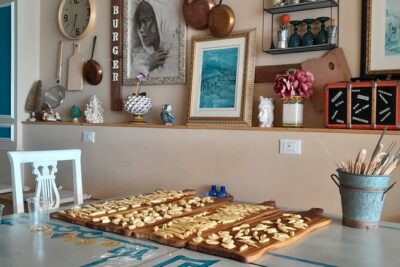
The pasta course may take one of two very different directions. You might make fresh pasta by hand and serve it with a fresh tomato sauce. This is the more direct lesson in dough, shaping, and sauce.
You might instead prepare pasta con le sarde, a Palermitan classic made with sardines, wild fennel, saffron, currants, and pine nuts, finished with toasted breadcrumbs. It is a fine example of Sicily’s layered food culture, where seafood, dried fruit, nuts, and aromatic herbs meet in one dish.
The main course can include involtini di carne, thin meat rolls filled with cheese, breadcrumbs, currants, and almonds, then skewered, breaded, and roasted. Another possibility is pesce spada panato, swordfish coated in seasoned breadcrumbs with parsley, mint, and lemon zest.
This range is one of the class’s strengths. You are not learning one fixed recipe in isolation. You are seeing how Sicilian cooking uses meat, fish, pasta, fried foods, citrus, nuts, and breadcrumbs in different ways. Chef Michael also explains how the menu shifts with the season, so the lesson is connected to real cooking rather than a rigid restaurant menu.
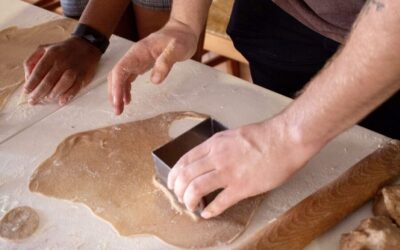
The work is hands-on, but the pace is not described as stressful. You should expect to clean, chop, assemble, shape, and cook, with guidance throughout. Several people specifically valued learning practical techniques, including knife skills and how to use a scraper tool when working with pasta.
Ending with Sicilian desserts
Dessert keeps the regional focus. A class may include cannoli, cassata, or almond granita.
Cannoli need little introduction: fried pastry tubes filled with sweet ricotta and finished with candied orange peel and pistachios from Bronte. Cassata is a more elaborate Sicilian cake of sponge, almond paste, sweet ricotta, and candied fruit.
Almond granita is simpler, made with water, sugar, and almonds. That simplicity is part of its appeal. It shows how a dessert can depend on a few good ingredients rather than a long list of complicated steps.
The dessert choice is another reason not to book this expecting a fixed menu. If you have your heart set on cannoli, ask what is planned for your date. The provided menu lists possible dishes, not a promise that all of them will appear.
More Sicilian cooking classes in Palermo:
- Palermo: Pasta & Tiramisu Cooking Class at a Local’s Home
★ 4.9 · 74 reviews - Sicilian Cooking Class in Palermo
★ 5.0 · 66 reviews - Palermo: Half-Day Cooking Class & Market Tour
★ 4.9 · 60 reviews - Sicilian Cooking Class : Homemade Pasta
★ 5.0 · 56 reviews
Sitting down to eat what you made
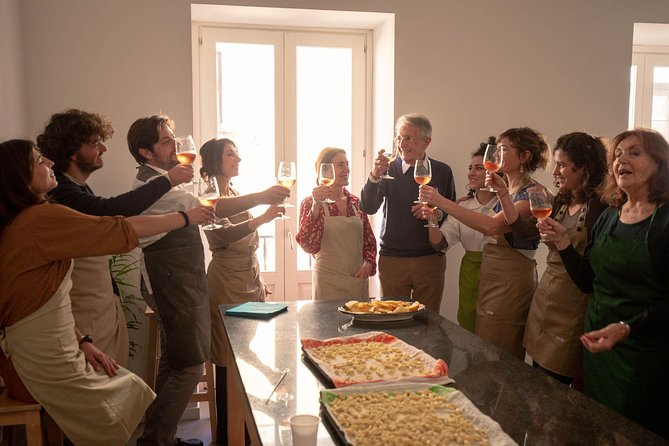
After the preparation, everyone sits down for the meal. You eat the food made during the class, accompanied by a selection of Sicilian wines. Coffee and homemade liqueurs finish the meal.
That shared table is not an afterthought. It gives the class a natural rhythm: market, preparation, cooking, then a proper lunch with time for conversation. The meal is described as generous but not excessive, which matters after several hours of cooking and tasting.
The wine pairing also adds value. At $118.56 per person, you are paying for more than instruction. The price includes the market visit, ingredients, a four-course meal, wine, coffee, and homemade liqueurs. You are also getting an air-conditioned kitchen, an English-speaking chef, and a class capped at eight people.
I would compare that price with what you might spend on a good Palermo meal plus a separate market walk and a private cooking lesson. The value is strongest if you want to learn techniques and take recipes home. It is less compelling if you mainly want a cheap lunch, since you will spend four and a half hours on the experience.
The social side is part of the appeal. The class brings together a small, multicultural group, and the atmosphere is described as relaxed and friendly. Chef Michael shares stories and answers questions, which makes the meal feel closer to an informal dinner with a skilled host than a quick demonstration.
What makes Chef Michael’s teaching effective
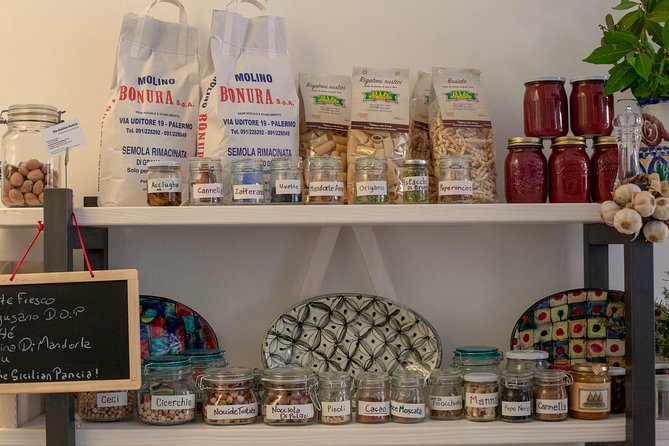
The strongest praise centers on Michael’s manner as a host and teacher. He is described as organized, friendly, patient, and easy to understand in English. Those traits matter in a cooking class because a warm personality is not enough if instructions are rushed or unclear.
His teaching also goes beyond recipes. He explains the ingredients at the market, the history behind Sicilian food, the reason for seasonal changes, and the methods used in the kitchen. You learn not only what to do, but why a particular step matters.
The class also seems to divide work well. Everyone gets involved, yet the process does not become frantic. Michael and his assistants guide the group through each stage, so you can ask questions while still enjoying the social side.
The class has adapted a menu for a vegetarian participant without spoiling the meal for others. That suggests some flexibility, but you should still contact the provider about dietary needs in advance. The experience is not recommended for people with severe food allergies.
How long the experience takes
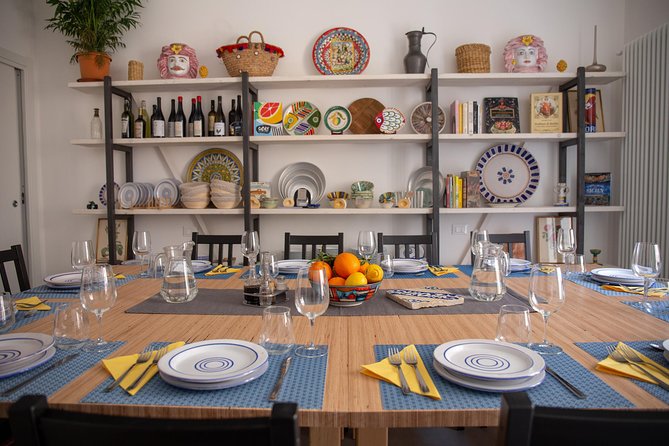
The class begins at 10 a.m. and lasts about four hours and thirty minutes. It ends back at the meeting point, so you should have the rest of the afternoon available for Palermo sightseeing.
Do not schedule a tight museum entry, train, or airport transfer immediately afterward. The stated duration is approximate, and a relaxed market visit, hands-on meal, and shared lunch can take longer if the group has questions or the cooking runs at a slower pace.
The morning start works well for a substantial lunch. It also lets you visit the Capo area before spending the middle of the day at the table. Since the experience is popular and is booked an average of 77 days ahead, reserve early if your Palermo dates are fixed.
Who will enjoy this class most
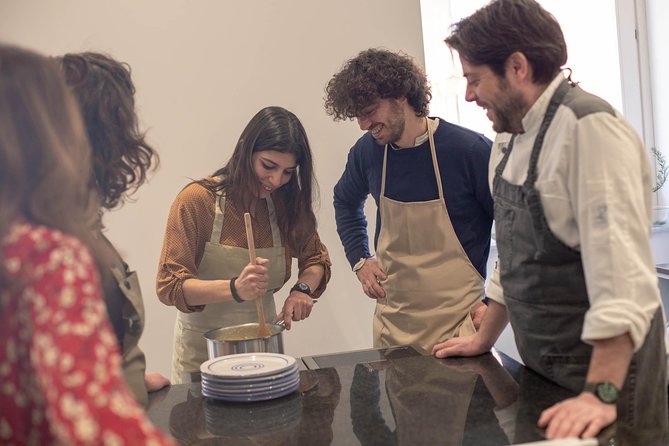
I would recommend this to you if food is one of your main reasons for visiting Sicily. It suits people who want to understand local ingredients, practice cooking, and eat a full meal in good company.
It is also a good choice for mixed-age groups. A 13-year-old joined one session and enjoyed the experience, though the kitchen includes hot pans, frying, knives, and other tasks that require adult supervision.
The class works well for couples, friends, and solo visitors who like meeting people. The small group gives solo participants an easy way to share a meal without booking a private experience.
You may want to skip it if you dislike group activities, have severe food allergies, or find steep stairs difficult. It is also not the best pick if you want a guaranteed menu or a short activity between other appointments.
Practical details and cancellation
You receive confirmation at booking, and the experience is offered in English with a mobile ticket. The activity is near public transportation and begins at Parcheggio ORLANDO, Piazza Vittorio Emanuele Orlando 49, Palermo.
Free cancellation is available up to 24 hours before the local start time for a full refund. Cancellations or changes made less than 24 hours before the start are not accepted for a refund.
Should you book the Sicilian Cooking Class?
Book it if you want a real food lesson, not just a meal. The market visit, seasonal menu, small group, clear English instruction, and relaxed lunch make this one of the more useful food experiences in Palermo.
The price is fair for the time and what is included, especially with wine, dessert, coffee, and homemade liqueurs. Just remember the practical limits: the market may be affected by rain, the kitchen has a steep staircase, and the exact dishes can change.
If those points suit you, reserve ahead. The class is often booked well before the date, and its strongest feature is the combination of local shopping, hands-on cooking, and a meal you can try to recreate at home.
FAQ
Where does the Sicilian Cooking Class begin?
It begins at Parcheggio ORLANDO, Piazza Vittorio Emanuele Orlando 49, Palermo, near Porta Carini and the Capo Market.
What time does the class start?
The start time is 10 a.m.
How long does the experience last?
It lasts approximately four hours and thirty minutes.
Is the class offered in English?
Yes. The class is offered in English, and Chef Michael leads the instruction.
How many people can join the class?
The maximum group size is eight people.
Is a meal included?
Yes. You prepare and eat a four-course meal consisting of a starter, pasta, main course, and dessert. Sicilian wine, coffee, and homemade liqueurs are also included.
Is the menu fixed?
No. The dishes are seasonal and may include options such as panelle, fresh pasta, pasta con le sarde, involtini di carne, swordfish, cannoli, cassata, or almond granita.
Can people with dietary requirements join?
You should contact the provider before booking with any dietary requirements. The experience is not recommended for people with severe food allergies.
More Workshops in Palermo
- Small group Pasta and Tiramisu class in Palermo
★ 5.0 · 109 reviews - Fresh pasta and tiramisù class in Palermo
★ 5.0 · 96 reviews - Palermo: Pasta and Tiramisu Cooking Class with Wine
★ 4.7 · 48 reviews - Market Tour, Traditional Cooking and Limoncello class
★ 5.0 · 35 reviews
Just added around Palermo
- Anti-Mafia Heroes (Cool Hours) Morning Walking Tour★ 5.0 · 3 reviews
- The art of the Italian Aperitivo with a local: Learn & Enjoy in Palermo★ 5.0 · 3 reviews
- Private transfer from Palermo airport to Mercure Palermo Centro or vice versa★ 5.0 · 3 reviews
- ERICE and SEGESTA Private Exclusive Tour starts from Palermo with Guide Driver★ 4.0 · 3 reviews
- Private 10 hour tour to Agrigento (Valley of the Temples) from Palermo★ 5.0 · 3 reviews
- Palermo Private MINITOUR of WEST SICILY 4 Days with Guide Driver★ 5.0 · 3 reviews
- The Best Of Sicily and Sorrento & Culinary Experiences, Deluxe★ 5.0 · 3 reviews
- Transfer from Palermo Airport to Scopello and Tonnara di Scopello★ 5.0 · 3 reviews
Cooking Classes, compared.
Seaview Cooking Class & Taormina local flavors with Chef Mimmo
Read our review →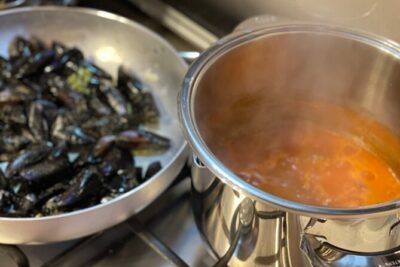
COOKING CLASS in Taormina at Chef Massimo HOUSE!!
Read our review →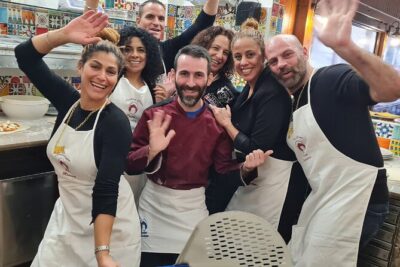
Cannolo Cooking Class with Completion Certificate
Read our review →
Pistachio Ravioli, Pasta Home Cooking Class w/ Wine
Read our review →
Wanna be Sicilian: Palermo Cooking Class and Market Tour
Read our review →Browse the lists this tour appears in