
Reviewed · SICILIAN MAFIA HISTORY TOURS
Anti-Mafia Heroes (Cool Hours) Morning Walking Tour
Palermo’s Kalsa neighborhood carries its past openly, in plaques, restored buildings, public gardens, and ordinary streets where terrible crimes once took place. This 2.5-hour walk connects those places with the lives of anti-mafia figures Giovanni Falcone and Paolo Borsellino, showing how local people pushed back against Cosa Nostra.
I like two things here: the real locations give the subject weight, and the guide-led stories put names and choices ahead of dry dates. The small-group format can also allow personal questions. The main drawback is practical: the morning route has little shade, so sun protection matters.
In This Review
- Key details that shape the experience
- Why the Kalsa is the right place for this story
- Starting at Falcone’s birthplace
- Piazza Magione and the human scale of Palermo
- Antica Focacceria San Francesco and everyday culture
- Three crime sites and the cost of remembering
- Punto Pizzo Free and resistance in daily life
- A short pause at Cagliostro Bakery
- Giardino Garibaldi and Palermo’s restored spaces
- Finishing in Piazza della Kalsa
- Morning heat, walking comfort, and group size
- Is $39.86 a fair price?
- Who will get the most from this walk?
- Should you book Anti-Mafia Heroes?
- FAQ
- How long is the Anti-Mafia Heroes walking tour?
- What language is the tour offered in?
- Where does the tour begin?
- Is the morning tour shaded?
- Are refreshments included?
- Is the tour suitable for wheelchair users?
Key details that shape the experience
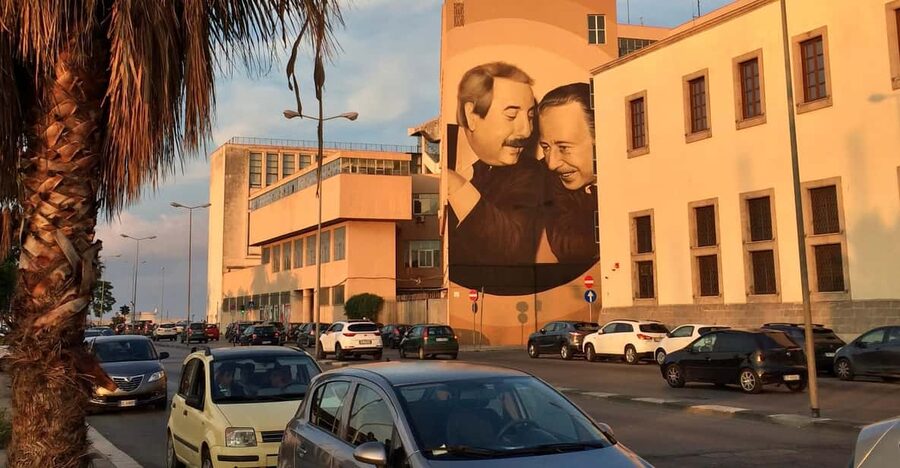
- Three major crime sites: You visit places tied to important mafia attacks and learn what happened there.
- Ten locations in 1.6 kilometers: The route is compact, but it covers crime, civic renewal, food, religion, and neighborhood life.
- Falcone and Borsellino’s home ground: The walk begins near the birthplace of Giovanni Falcone in the Kalsa.
- Angela may lead your group: A past group found that she adjusted the pace and gave extra time for questions.
- A cafe pause halfway: Refreshments are optional, with gelato costing about 3 euros.
- Morning sun is a real factor: Bring a hat, sunscreen, and closed-toe shoes.
Why the Kalsa is the right place for this story
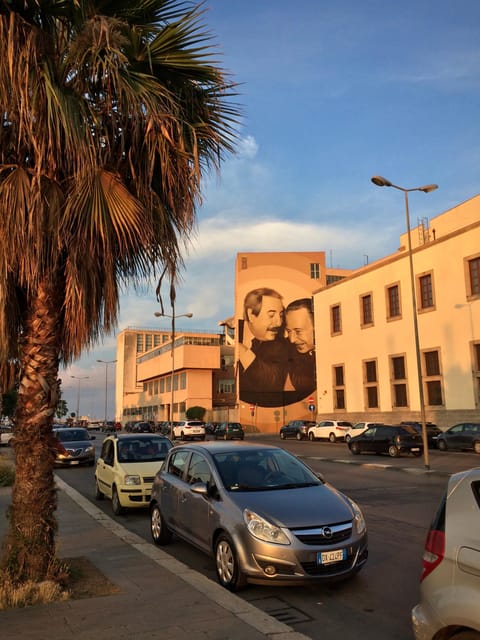
The Kalsa is not presented as a museum set. It is a working Palermo neighborhood with streets, cafes, gardens, old facades, and layers of local life. That matters because the anti-mafia story is not separate from daily Sicilian life. It happened in places where people lived, ate, worked, worshiped, and walked home.
The route looks at the Mafia through actual events rather than popular myths. You learn about the origins of Cosa Nostra, then compare those facts with the stories and legends that have grown around it. The tour’s larger point is clear: organized crime was not the natural expression of Sicilian culture. It was an aberration with shallow roots on an island known for courage, ingenuity, and endurance.
That distinction gives the walk real value. You are not simply collecting grim anecdotes. You are learning how a community has challenged a criminal system and reclaimed parts of its city.
The experience is also a useful choice if you want context before visiting other Palermo sights. The Kalsa contains layers of history from different periods, and the guide uses the neighborhood itself as the classroom. Expect a mix of social history, personal stories, urban change, and practical observations about the anti-mafia movement.
More Walking Tours in Palermo
- Palermo: NO Mafia Walking Tour
★ 4.8 · 2,431 reviews - Palermo Original Street Food Walking Tour by Streaty
★ 5.0 · 2,105 reviews - Palermo: Street Food and History Walking Tour
★ 4.9 · 1,294 reviews
Starting at Falcone’s birthplace
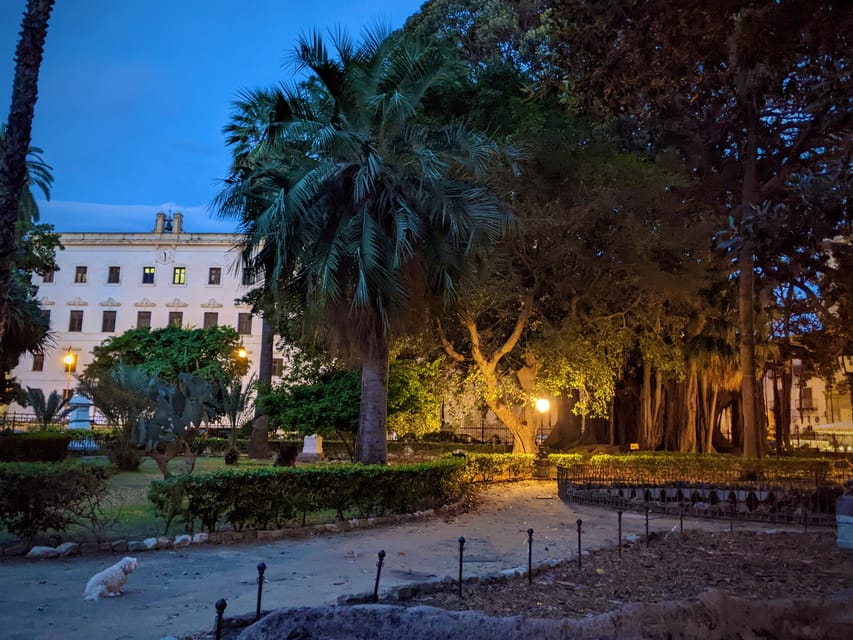
The meeting point is at the ruins of the house where judge Giovanni Falcone was born, on Via Castrofilippo. Look for the restaurant Ciccio Passami l’Olio. Across from it, in the park, a plaque marks the birthplace, and the guide waits there.
This is a fitting beginning. Falcone is one of the central figures in the tour, and starting at his birthplace gives you an immediate connection between the man and the neighborhood. He was not an abstract national symbol here. He was a local son of the Kalsa.
Your guide introduces the main themes before the walking begins: the people who fought Cosa Nostra, the crimes that shook Palermo, and the organizations working to reclaim public space. An English-speaking guide leads the tour, and Angela has received particular praise for explaining both mafia figures and the police and legal figures who opposed them.
The opening stop also helps you understand the tone. This is a serious educational walk, but it is not designed as a grim march from one crime scene to the next. The setting includes restaurants, a park, and normal neighborhood activity. That contrast is part of the lesson.
Piazza Magione and the human scale of Palermo
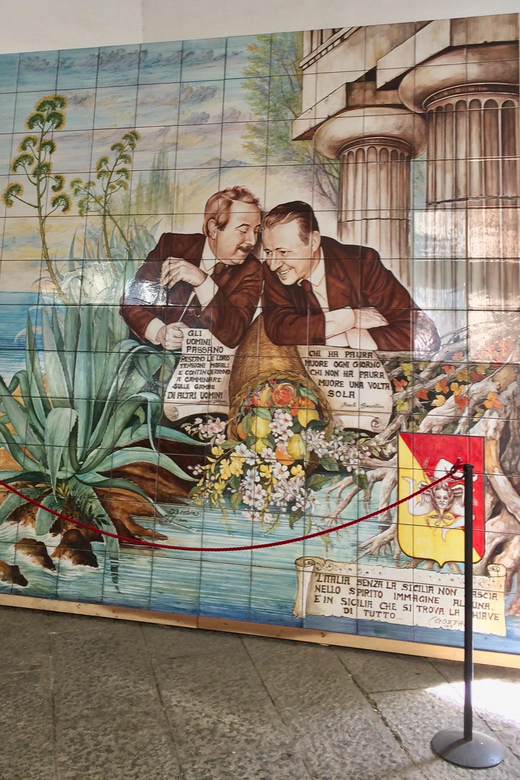
Piazza Magione is one of the early guided stops. The square gives the tour room to shift from an individual biography to the broader setting in which Palermo’s anti-mafia struggle took shape.
Here, you can expect the guide to connect public space with local life. The walk is not only about officials, judges, and criminals. It also considers ordinary Sicilians and the organizations that resisted intimidation and helped change the city.
The pace is one of the tour’s strengths. The total distance is only 1.6 kilometers, or about one mile, but the guide spends time explaining what you are seeing. One past small group found that Angela kept the pace comfortable and added time for questions. That matters on a subject with many names and overlapping events.
Do not expect a fast sightseeing loop. The value comes from stopping, listening, and asking questions. If you prefer to cover a lot of ground quickly, the frequent storytelling may feel slow. If you want to understand why a particular square matters, that slower pace is exactly what you need.
Antica Focacceria San Francesco and everyday culture
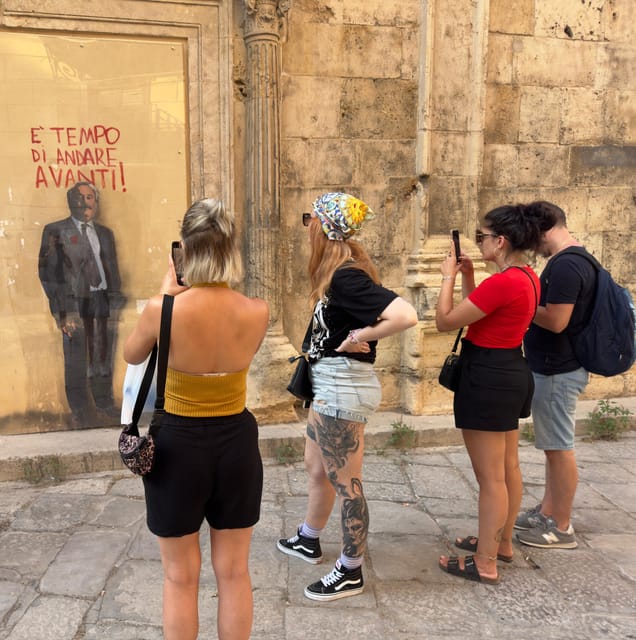
The route continues to Antica Focacceria San Francesco, where the guide discusses another layer of Palermo’s public life. A historic food establishment may seem like an unusual stop on an anti-mafia tour, but it helps place the subject in the world of work, food, and civic identity.
This is where the walk’s view of Sicily becomes broader. You see how mafia history intersects with the lives of shopkeepers, workers, residents, and customers. The tour does not treat Cosa Nostra as the defining feature of the island. Instead, it shows how criminal power intruded into a culture that was much larger and more varied.
The stop also gives you a chance to absorb the surroundings. You are walking through an old neighborhood with active streets and familiar routines, not through a sealed historic site. Keep your attention on the guide, but also look around. The appeal is in seeing how old buildings and serious memories sit beside ordinary Palermo life.
More mafia and anti-mafia history walks in Palermo:
- Palermo No Mafia walking tour: discover the Anti-mafia culture in Sicily
★ 5.0 · 1,011 reviews - Palermo: Anti-Mafia Heroes Evening Walking Tour
★ 4.6 · 172 reviews - The Godfather Origins of Mafia: Corleone & Visit Monreale Duomo
★ 5.0 · 73 reviews - Corleone: Guided Tour of the C.I.D.M.A – Anti-Mafia Movement
★ 4.6 · 37 reviews
Three crime sites and the cost of remembering
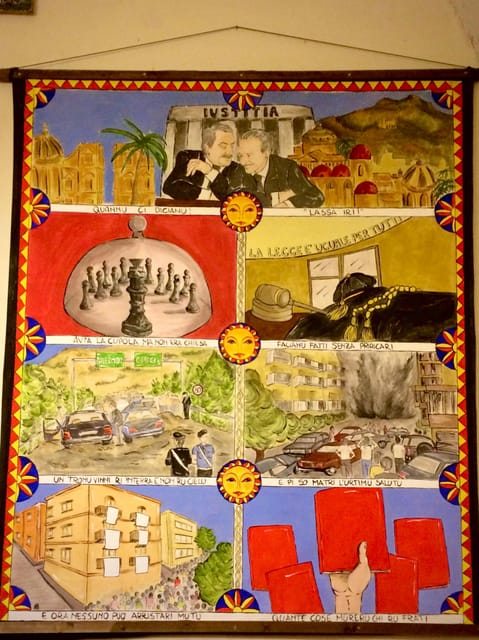
The tour includes three major crime sites among its ten stops. These locations are the emotional center of the experience. You stand where key events happened, then hear how those crimes affected Palermo and the wider fight against organized crime.
The exact details of each event are not just decoration. They show the scale of the challenge faced by judges, police, journalists, activists, and residents. The guide also places the crimes within the larger story of Cosa Nostra, rather than presenting them as isolated acts of violence.
This part may be difficult for some people. The subject includes murder, fear, and the damage inflicted on families and communities. The tour is educational, but it does not make the material light. I would choose it only if you are comfortable spending a morning with serious subject matter.
At the same time, the walk does not leave you with violence as its final message. You also visit places restored through Palermo’s anti-mafia urban renewal. That change in emphasis is important. The city’s response is part of the story, not an afterthought.
Punto Pizzo Free and resistance in daily life
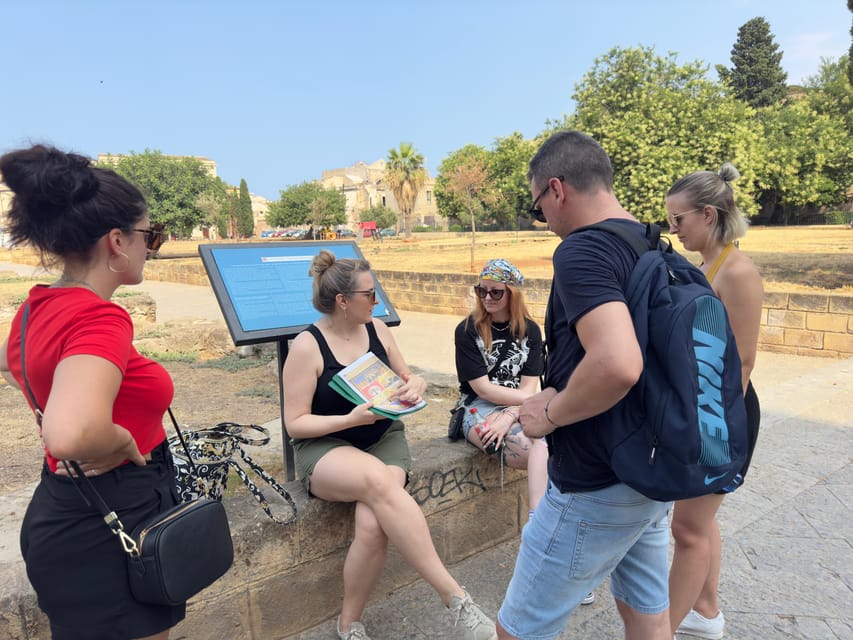
Punto Pizzo Free is another guided stop. Its inclusion points to the wider anti-mafia movement and to efforts that help businesses and citizens resist criminal demands.
The importance of a place like this is practical. The anti-mafia struggle is not limited to courtroom battles or famous judges. It also involves civic groups, business owners, consumers, and local campaigns. The guide explains how these efforts fit into the movement to take back Palermo’s streets and economy.
This is one reason the tour works better than a simple list of famous names. You get a view of resistance at several levels, from major legal figures to neighborhood action. You can also ask about current efforts in Sicily, which gives the tour a link to the present rather than ending in the past.
I find that balance especially useful. Visitors often arrive knowing the broad outline of Falcone and Borsellino’s story. Fewer understand how anti-mafia work affects ordinary shopping, business, public space, and community pride. Punto Pizzo Free helps fill that gap.
A short pause at Cagliostro Bakery
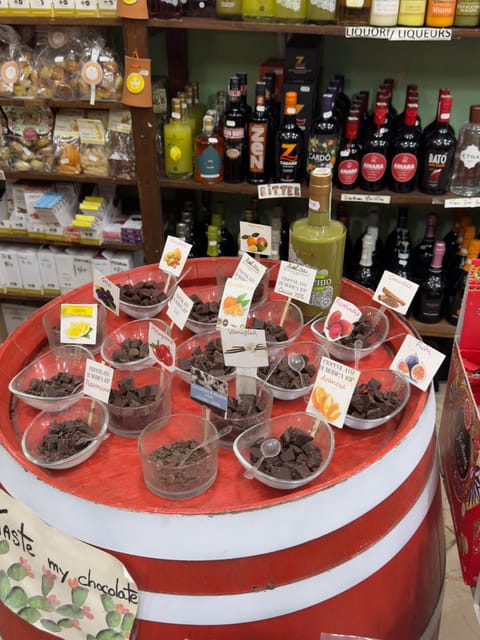
Halfway through the walk, you stop at Cagliostro Bakery. This is a scheduled break, with a bathroom available at this point. Refreshments are optional and are not included in the ticket. Gelato costs about 3 euros.
The pause is useful for more than food. A serious subject can become a lot to take in, and a short break gives you time to reset, ask a private question, or simply notice Palermo around you. The bakery stop also brings the tour back to everyday pleasures, which suits its larger argument about Sicilian life beyond organized crime.
Plan for the stop, but do not treat it as a full meal break. If you need a substantial breakfast, eat before the tour. The ticket price does not cover refreshments.
Giardino Garibaldi and Palermo’s restored spaces
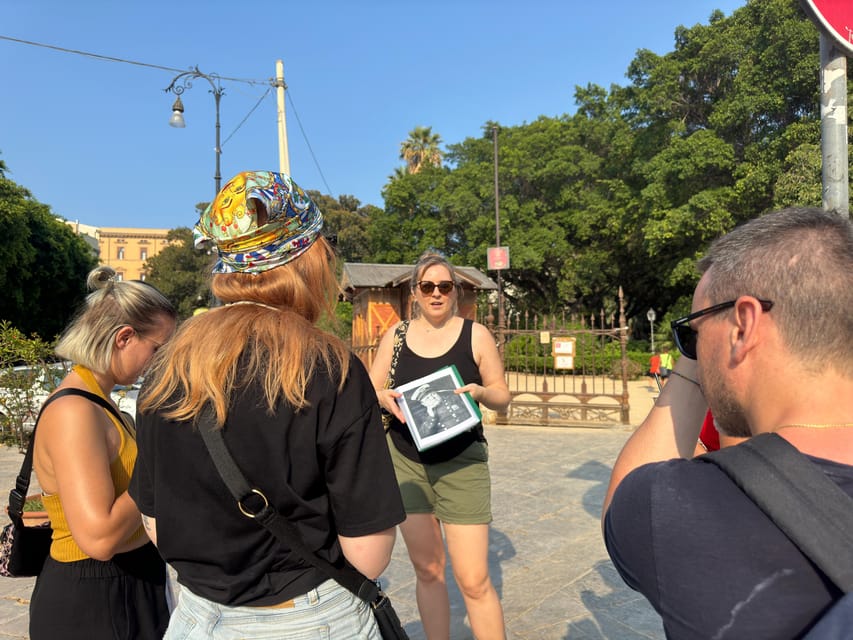
At Giardino Garibaldi, the guide turns attention toward public space and the city’s efforts at renewal. Gardens and restored areas can seem like minor details next to major crimes, but they show how a city changes its identity over time.
The point is not that a restored street or garden erases the past. It is that Palermo can acknowledge what happened while creating places where people gather and live normally. The guide uses these locations to explain the anti-mafia movement’s work in urban recovery.
Giardino Garibaldi also gives you a break from dense streets. Take in the surroundings, but keep the guide’s connections in mind. The garden is not just a pleasant pause. It helps explain how public places can become symbols of civic control and local pride.
Finishing in Piazza della Kalsa
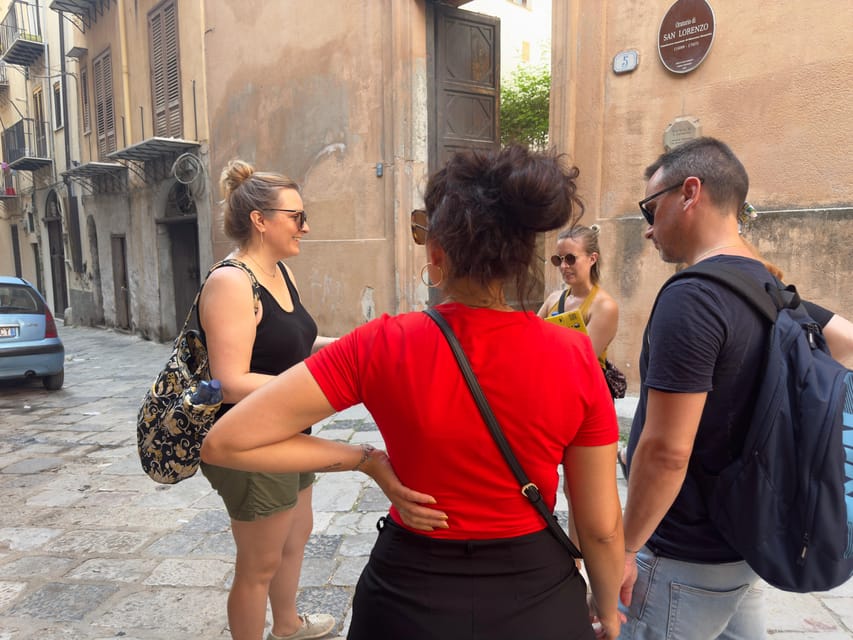
The listed route finishes in Piazza della Kalsa, bringing the walk back to the neighborhood that shaped Falcone and Borsellino and the wider story of Palermo’s resistance.
The ending is well chosen because the Kalsa is more than a backdrop. You have seen how crime, courage, food, public gardens, and local renewal occupy the same small area. The tour leaves you with a stronger sense of place, not only a collection of names.
The activity details also note that the tour ends back at the meeting point, while the route information identifies Piazza della Kalsa as the finish. Confirm the final drop-off point when booking if your plans depend on ending in one exact location.
Morning heat, walking comfort, and group size
The route is short by city-walking standards, but the morning version is not shaded. That is the main practical concern. Bring a sun hat and sunscreen, and wear closed-toe shoes. Light clothing and water are sensible choices, although water is not listed as an included item.
The tour is not suitable for wheelchair users. Large bags and luggage are not allowed, so leave heavy belongings at your accommodation. The route passes through city streets and public spaces, and you should expect normal urban walking conditions.
Starting times vary, so check availability before you plan the rest of your day. The evening version follows the same tour and offers more shade, which may be the better option if you dislike strong sun. The supplied details specifically describe the morning walk as unshaded, so do not assume a cool route simply because the tour begins early.
The experience is offered in English with a live guide. A small group can make a difference here. You are dealing with complicated names, events, and moral questions, so the ability to ask questions is worth more than a large number of stops.
Is $39.86 a fair price?
At $39.86 per person, this is not a bargain-priced orientation walk. The route covers only about one mile, and you pay separately for any cafe refreshments. If you judge tours by distance or by the number of major monuments entered, the price may seem high.
The value comes from the guide’s interpretation. You are paying for access to ten meaningful locations, three major crime sites, local context, and a connected explanation of Cosa Nostra and the anti-mafia movement. The included book and movie recommendation list is a small but useful extra if you want to continue learning after the walk.
The strongest case for the price is the guide’s storytelling. Angela’s past group found that she personalized the walk, explained both mafia and law-enforcement personalities, and spent extra time answering questions. That kind of flexible teaching is difficult to get from a guidebook or a self-guided map.
I would consider the cost fair if this subject matters to you and you want more than a quick mention of Palermo’s famous judges. If you mainly want architecture, food, or broad sightseeing, choose a general Kalsa walk instead.
Who will get the most from this walk?
This tour suits you if you want to understand Sicily beyond the usual food and church itinerary. It is especially useful for visitors interested in modern Italian history, civil courage, organized crime, journalism, law, or social change.
You do not need prior knowledge. The tour explains the actual origins of Cosa Nostra and contrasts them with myths, so beginners can follow the story. Still, the subject is dense, and you will get more from it if you are willing to remember names and ask questions.
It also suits people who prefer place-based storytelling. Instead of sitting in a lecture room, you move through the streets where events occurred. That physical connection gives the material a force that a general history talk may lack.
I would be cautious about booking it for very young children, not because an age rule is provided, but because the subject includes serious crimes and difficult events. The tour is also a poor match for anyone needing wheelchair access or anyone who wants a shaded, low-effort morning.
Should you book Anti-Mafia Heroes?
Book this walk if you want a thoughtful look at Palermo’s anti-mafia history and are prepared to spend 2.5 hours with serious material. The strongest reasons are the real crime sites, the focus on ordinary Sicilian resistance, and the guide’s ability to connect past events with ongoing efforts.
Think twice if your priority is a short sightseeing stroll, a food tour, or a route with plenty of shade. For the best experience, bring a hat, sunscreen, comfortable closed-toe shoes, and a willingness to ask questions. At $39.86, it earns its price through explanation rather than distance, and that is exactly what makes it worthwhile for the right visitor.
FAQ
How long is the Anti-Mafia Heroes walking tour?
The tour lasts about 2.5 hours and covers approximately 1.6 kilometers, or one mile, through Palermo’s Kalsa neighborhood.
What language is the tour offered in?
The live guided tour is offered in English.
Where does the tour begin?
Meet at the ruins of Giovanni Falcone’s birthplace on Via Castrofilippo, 4, in Palermo. The guide waits by the plaque in the park across from Ciccio Passami l’Olio.
Is the morning tour shaded?
No. The morning route is not shaded, so bring a sun hat and sunscreen. The same tour in the evening is described as shaded.
Are refreshments included?
No. Optional refreshments are not included. Gelato costs about 3 euros, and a cafe stop takes place halfway through the walk.
Is the tour suitable for wheelchair users?
No. The activity is listed as not suitable for wheelchair users. Large bags and luggage are also not allowed.
More Morning in Palermo
- Catania: Mount Etna Morning or Sunset Day Trip with Tasting
★ 4.8 · 4,028 reviews - Etna Morning Trip
★ 4.5 · 1,241 reviews - Catania: Etna Morning Excursion with Tasting and Pickup
★ 4.8 · 820 reviews - Catania: Amazing Etna Morning Tour with Pickup and Drop-Off
★ 4.9 · 799 reviews
Just added around Palermo
- The art of the Italian Aperitivo with a local: Learn & Enjoy in Palermo★ 5.0 · 3 reviews
- Private transfer from Palermo airport to Mercure Palermo Centro or vice versa★ 5.0 · 3 reviews
- ERICE and SEGESTA Private Exclusive Tour starts from Palermo with Guide Driver★ 4.0 · 3 reviews
- Private 10 hour tour to Agrigento (Valley of the Temples) from Palermo★ 5.0 · 3 reviews
- Palermo Private MINITOUR of WEST SICILY 4 Days with Guide Driver★ 5.0 · 3 reviews
- The Best Of Sicily and Sorrento & Culinary Experiences, Deluxe★ 5.0 · 3 reviews
- Transfer from Palermo Airport to Scopello and Tonnara di Scopello★ 5.0 · 3 reviews
- Partinico: Farm’s Animals and Aromatic Garden Experience★ 4.6 · 3 reviews
Sicilian Mafia History Tours, compared.
Palermo No Mafia walking tour: discover the Anti-mafia culture in Sicily
Read our review →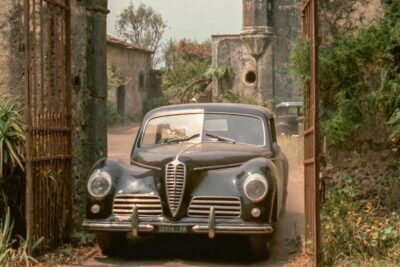
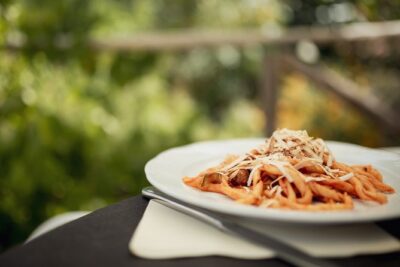
Godfather vs Mafia Tour & Pasta Lunch (Small Group or Private)
Read our review →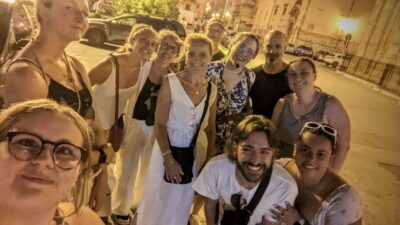
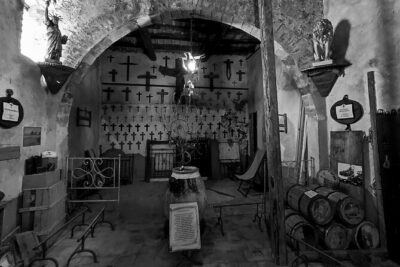
The Godfather Origins of Mafia: Corleone & Visit Monreale Duomo
Read our review →
Corleone: Guided Tour of the C.I.D.M.A – Anti-Mafia Movement
Read our review →
Browse the lists this tour appears in