
Reviewed · THE GODFATHER TOURS
Corleone: Guided Tour of the C.I.D.M.A – Anti-Mafia Movement
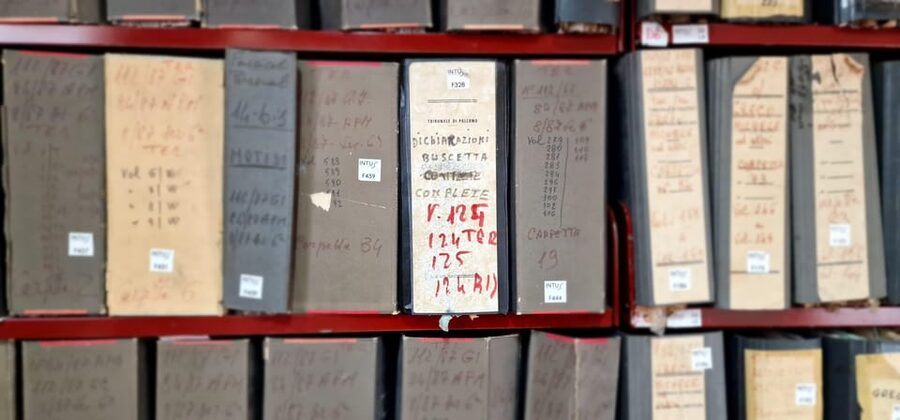
Corleone’s CIDMA does something important: it replaces movie-Mafia mythology with real court files, photographs, and personal stories. The center’s most striking room holds the folders from Italy’s huge Palermo Maxi Trial, giving you a physical sense of the work behind the fight against organized crime.
I like the direct, human scale of the visit, and I like that a live guide connects the documents to Sicily’s wider struggle for justice. At about $11, it is an unusually good-value cultural stop. The main limitation is the one-hour format: you get a focused introduction, not a full study of Mafia history.
In This Review
- Key points at a glance
- Why CIDMA matters in Corleone
- Entering the folders room of the Palermo Maxi Trial
- Letizia and Shobha Battaglia’s photographs
- A guided hour, not a self-guided museum visit
- What the visit teaches about the anti-Mafia movement
- Is $11 a good value for one hour?
- Location and practical timing in Corleone
- Who should book this experience?
- How to get the most from the hour
- Should you book CIDMA in Corleone?
- FAQ
- Where is CIDMA located?
- How long does the guided tour last?
- How much does the experience cost?
- Is a guide included?
- Which languages are available?
- What can I see at CIDMA?
- Is CIDMA wheelchair accessible?
- Can I cancel the booking?
Key points at a glance
- Authentic Maxi Trial files: See the actual folders that held thousands of documents from the Palermo trial.
- Powerful Sicilian photography: Letizia Battaglia and Shobha Battaglia’s images show the people and consequences behind the headlines.
- Guide-led context: A live guide explains the anti-Mafia movement in Italian, English, or Spanish.
- A useful reality check: The visit helps separate the real Mafia from the version shaped by The Godfather films.
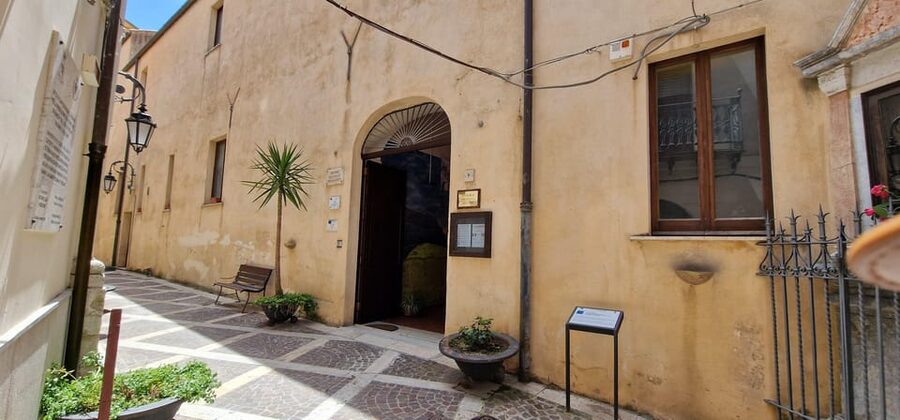
- Central Corleone location: CIDMA is near Piazza Giuseppe Garibaldi at 7 G. Valenti Street.
- Short and accessible: The tour lasts one hour, costs $11 per person, and the center is wheelchair accessible.
Why CIDMA matters in Corleone
Corleone carries a heavy reputation. Popular culture has made the town familiar to people who have never visited Sicily, but that familiarity often comes through fictional characters and cinematic drama.
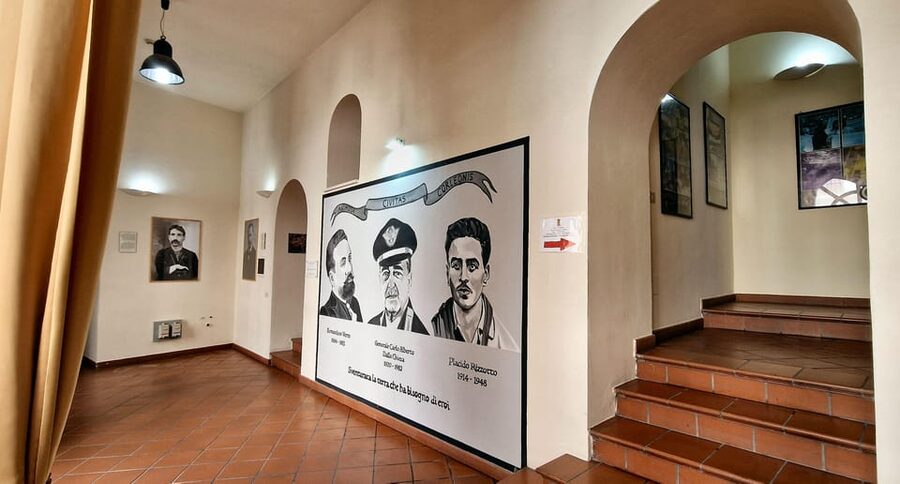
CIDMA takes a different path. Its purpose is to explain the Mafia and the anti-Mafia movement through documents, photographs, and testimony. You are not simply shown a collection of objects. You are asked to look at the record of a long public fight against criminal power.
That distinction matters. A movie can make Mafia life seem stylish, secretive, or strangely romantic. CIDMA points you toward the cost paid by ordinary Sicilians and toward the people who challenged illegality. The tone is serious, but the visit is not designed to bury you under facts.
For me, the center works best as a place of civic history. It shows that the story is not only about Mafia bosses. It is also about judges, investigators, photographers, families, and citizens who refused to accept fear as a permanent way of life.
More Godfather filming-location trips from Palermo:
- From Palermo: Half-Day Corleone Excursion
★ 3.8 · 182 reviews - The Godfather Origins of Mafia: Corleone & Visit Monreale Duomo
★ 5.0 · 73 reviews - From Palermo: Mafia Tour of Corleone with Hotel Pickup
★ 5.0 · 34 reviews
Entering the folders room of the Palermo Maxi Trial
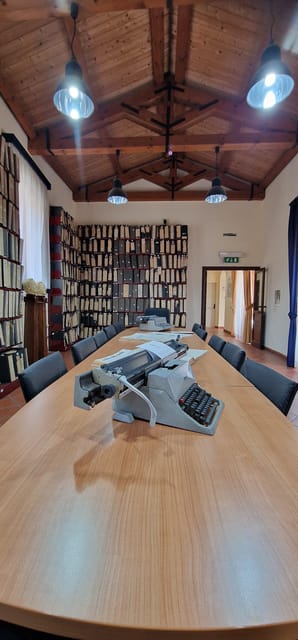
The clearest focus of the visit is the room containing the faldoni, or folders, from the Palermo Maxi Trial. This was the largest trial against the Mafia held in Italy, and the folders contain thousands of authentic documents.
The sight of the folders gives the legal process a physical presence. Instead of hearing only that a major case involved mountains of evidence, you can see the material form of that effort. The documents represent years of investigation and the work required to bring a powerful criminal organization before a court.
Your guide is especially useful here. Without explanation, a room full of legal files could feel dry or difficult to understand. With context, the folders become symbols of persistence and risk. They show that justice was built through paperwork, evidence, and sustained institutional effort, not just dramatic courtroom moments.
The room may be the strongest reason to book the tour if you have a serious interest in modern Sicilian history. It is also the part most likely to appeal to visitors who prefer original documents over reconstructed displays.
You should keep your expectations in check. The tour lasts one hour, so you will not receive a document-by-document reading of the case. The value comes from seeing the collection and understanding why it changed the fight against the Mafia.
Letizia and Shobha Battaglia’s photographs
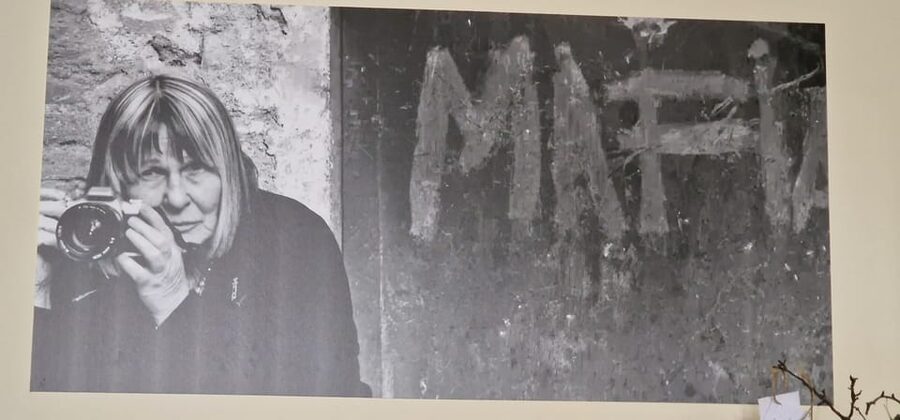
The photographs by Letizia Battaglia and her daughter Shobha Battaglia add the human face that legal papers cannot provide. Their work records Sicily during a period marked by violence, fear, and public resistance.
These are not decorative travel photographs. They show people living under the shadow of the Mafia and people pushing for a different future. The images help you understand the emotional and social cost of the events discussed in the folders room.
I would give this section your full attention. A photograph can communicate a great deal in a few seconds, but you may need the guide to explain who appears in an image and how it fits into the larger story. One useful point from the experience is that the photographs are not treated as isolated art objects. They are connected to the events and people of the anti-Mafia movement.
The amount of explanation may vary by guide and by the group’s questions. Some visitors want more detail about the photographs and more information about how Sicily moved beyond that period. If that is your priority, ask questions during the tour rather than waiting for a long lecture. The format is guided and focused, so your questions can help shape what you take away.
A guided hour, not a self-guided museum visit
The entrance includes a guide, and the live tours are offered in Italian, English, and Spanish. That makes a real difference here. The documents and images carry weight, but their meaning depends on names, dates, and connections that may not be obvious at first glance.
The guide’s role is to give you a clear path through the material. The best version of this visit is not a flood of facts. It is a measured explanation of how the Mafia operated, how the anti-Mafia movement responded, and why the Maxi Trial became such an important turning point.
A strong guide also helps correct common assumptions. One visitor arrived with ideas shaped by The Godfather and left with a clearer view of the real Mafia and the people who worked to bring it to justice. That is a useful way to think about the center: it replaces a fictional lens with historical evidence.
Some content is shown in its original language. If you do not speak Italian, English or Spanish guidance will help, but not every item may be translated in the same way. This is worth knowing if you want to read every document closely.
The one-hour length is both a strength and a weakness. It fits easily into a day in Corleone and keeps the visit manageable, especially if you are touring with children or combining the center with other stops. But anyone seeking a detailed academic treatment will likely want more time than the standard visit provides.
More mafia and anti-mafia history walks in Palermo:
- Palermo: NO Mafia Walking Tour
★ 4.8 · 2,431 reviews - Palermo No Mafia walking tour: discover the Anti-mafia culture in Sicily
★ 5.0 · 1,011 reviews - Palermo: Anti-Mafia Heroes Evening Walking Tour
★ 4.6 · 172 reviews - Palermo: Anti-mafia Bike Tour
★ 4.9 · 28 reviews
What the visit teaches about the anti-Mafia movement
CIDMA is not only about criminal activity. Its larger subject is the struggle against criminal activity.
That focus gives the center a more useful balance. You learn about the Mafia because you also learn about those who resisted it. The documents show how institutions gathered evidence and pursued justice. The photographs show the people affected by violence and the social pressure for change.
This is why the visit suits history and culture enthusiasts, but it also works for anyone trying to understand Sicily beyond food, scenery, and familiar movie references. You leave with a better sense of how public memory is built. Files preserve the legal record. Photographs preserve faces and moments. Guides connect both to the fight for civil resistance.
The subject is difficult. The center deals with violence, illegality, and the damage done to Sicilian communities. It is not a light entertainment stop, and you should not expect a cheerful museum experience. Still, the presentation is aimed at understanding and remembrance rather than sensationalism.
That makes CIDMA a responsible choice for a visitor who wants to engage with Corleone’s past without turning the Mafia into a tourist prop.
Is $11 a good value for one hour?
At $11 per person, the tour offers strong value if you care about history. Your admission includes the center and a live guide, so you are paying not only to enter a room but also to receive an explanation of material that would be hard to interpret alone.
The price is particularly fair because the collection includes authentic Maxi Trial folders and photographs by two important photojournalists. Those are not generic displays assembled for a quick sightseeing stop. They give the visit a clear subject and a genuine connection to Sicily’s public history.
Value depends on your interests, of course. If you are looking for scenic views, food tasting, or a relaxed village activity, CIDMA may feel too serious. If you want a short cultural stop that adds meaning to your time in Corleone, the cost is modest.
The tour also benefits from its length. You do not have to sacrifice half a day. You can set aside one hour, then continue exploring Corleone or the area around Piazza Giuseppe Garibaldi.
Location and practical timing in Corleone
CIDMA is near Piazza Giuseppe Garibaldi, at 7 G. Valenti Street in Corleone. That central location makes it easier to fit the visit into a walking plan around town.
Check the available starting times before you book. The listed duration is one hour, but the meeting time depends on availability. Arriving with enough time to find the address is sensible, especially if you are planning another timed activity afterward.
The center is wheelchair accessible, which removes one common barrier for visitors with limited mobility. The experience is also available with free cancellation up to 24 hours in advance, and you can reserve now and pay later. Those options are useful if your Sicily route is still changing.
The published languages are Italian, English, and Spanish. Choose the language that will let you follow historical explanations most easily. Since some material remains in its original language, the guide’s spoken explanation is a key part of the visit.
Who should book this experience?
I would recommend CIDMA most strongly to:
- History-minded visitors who want original documents rather than a general town tour.
- First-time visitors to Corleone who want to understand the town beyond Mafia film references.
- Photography enthusiasts interested in Letizia and Shobha Battaglia’s documentary work.
- Culturally curious families with older children, provided everyone is comfortable with a serious subject.
- Visitors with a tight schedule who want a meaningful stop lasting only one hour.
- Anyone comparing Sicily with movie stereotypes, since the center offers a more grounded view.
You may want to skip it if you have little interest in modern history or if you are hoping for a casual, scenic activity. The subject is demanding, and the displays require attention. You should also avoid expecting a broad tour of Corleone itself. CIDMA focuses on documentation and the anti-Mafia movement, not on every part of the town’s history.
How to get the most from the hour
Before entering, decide what you most want from the visit. Do you care more about the Maxi Trial, the photography, or the wider story of resistance? Knowing your priority will help you listen for the details that matter most.
During the folders room, pay attention to the guide’s explanation of why the documents were important. The folders are visually impressive, but the real value is understanding the legal and civic effort they represent.
In the photography section, look beyond the first emotional reaction. Notice how the images record both suffering and resistance. Ask for the background of photographs that interest you, especially if you want more explanation about the people shown.
Try not to judge the experience by its size. One hour is not enough for every detail, but it can give you a firm foundation for understanding Corleone and Sicily’s anti-Mafia movement. If you approach it as a focused introduction, the format makes sense.
Should you book CIDMA in Corleone?
Book this tour if you want the real story behind Corleone’s Mafia reputation. The authentic Maxi Trial folders, the Battaglia photographs, and the guide’s explanation work together to create a serious but manageable history visit.
At $11, it is easy to justify for most history and culture-focused itineraries. The main tradeoff is limited time and the possibility that you will want more detail, especially about the photographs and the wider social changes in Sicily.
My advice is simple: put CIDMA on your Corleone plan, particularly if you have one spare hour and want something more meaningful than a quick photo stop. Go with an open mind, listen closely, and let the documents move the story away from fiction and toward the people who fought for justice.
FAQ
Where is CIDMA located?
CIDMA is near Piazza Giuseppe Garibaldi at 7 G. Valenti Street in Corleone, Sicily.
How long does the guided tour last?
The tour lasts one hour.
How much does the experience cost?
The listed price is $11 per person.
Is a guide included?
Yes. Entrance to the center includes a live guide.
Which languages are available?
Guided tours are available in Italian, English, and Spanish.
What can I see at CIDMA?
You can see the folders containing authentic documents from the Palermo Maxi Trial, along with photographs by Letizia Battaglia and Shobha Battaglia.
Is CIDMA wheelchair accessible?
Yes, the center is wheelchair accessible.
Can I cancel the booking?
You can cancel up to 24 hours in advance for a full refund. You can also reserve now and pay later.
Just added around Palermo
- Anti-Mafia Heroes (Cool Hours) Morning Walking Tour★ 5.0 · 3 reviews
- The art of the Italian Aperitivo with a local: Learn & Enjoy in Palermo★ 5.0 · 3 reviews
- Private transfer from Palermo airport to Mercure Palermo Centro or vice versa★ 5.0 · 3 reviews
- ERICE and SEGESTA Private Exclusive Tour starts from Palermo with Guide Driver★ 4.0 · 3 reviews
- Private 10 hour tour to Agrigento (Valley of the Temples) from Palermo★ 5.0 · 3 reviews
- Palermo Private MINITOUR of WEST SICILY 4 Days with Guide Driver★ 5.0 · 3 reviews
- The Best Of Sicily and Sorrento & Culinary Experiences, Deluxe★ 5.0 · 3 reviews
- Transfer from Palermo Airport to Scopello and Tonnara di Scopello★ 5.0 · 3 reviews
The Godfather Tours, compared.
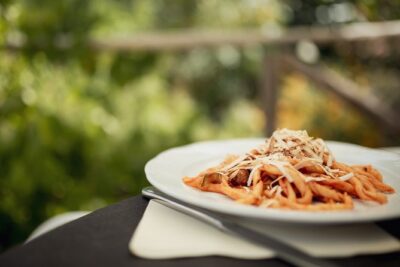
Godfather vs Mafia Tour & Pasta Lunch (Small Group or Private)
Read our review →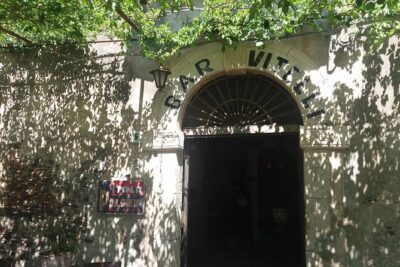
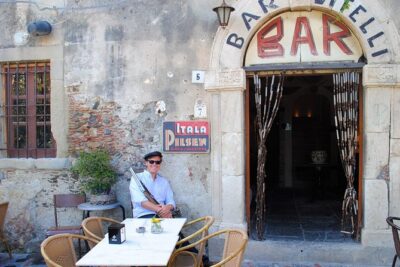
Private/Guided Godfather with appetizer and Pasta
Read our review →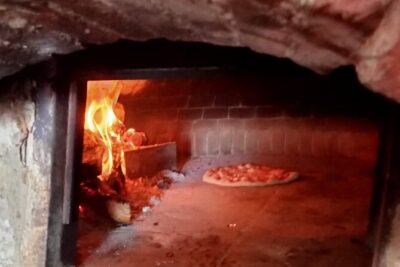
Browse the lists this tour appears in