
Reviewed · SICILIAN MAFIA HISTORY TOURS
Palermo: NO Mafia Walking Tour
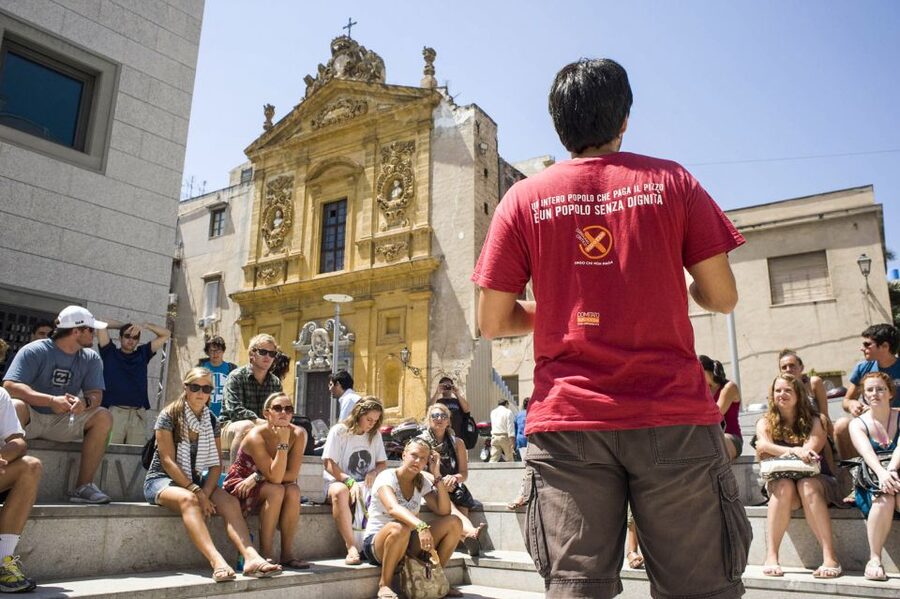
Palermo’s No Mafia Walking Tour uses the city itself as a history book. You walk from Teatro Massimo through markets, squares, churches, and government buildings while learning how organized crime shaped daily life, politics, business, and public memory in Sicily. The focus is not on glamorous gangsters or movie myths. It is on harm, fear, courage, and the citizens working to change their city.
I like two things right away. First, the tour joins Palermo’s famous sights to a serious story, so you get more than a standard old-town walk. Second, your fee includes a contribution to Addiopizzo, the anti-extortion group behind the ethical campaign pago chi non paga, or I pay who does not pay. The main consideration is that this is primarily a talk-led history walk, not a tour of secret Mafia hideouts or crime scenes.
In This Review
- Key points to know before you book
- Why this Palermo walk is different
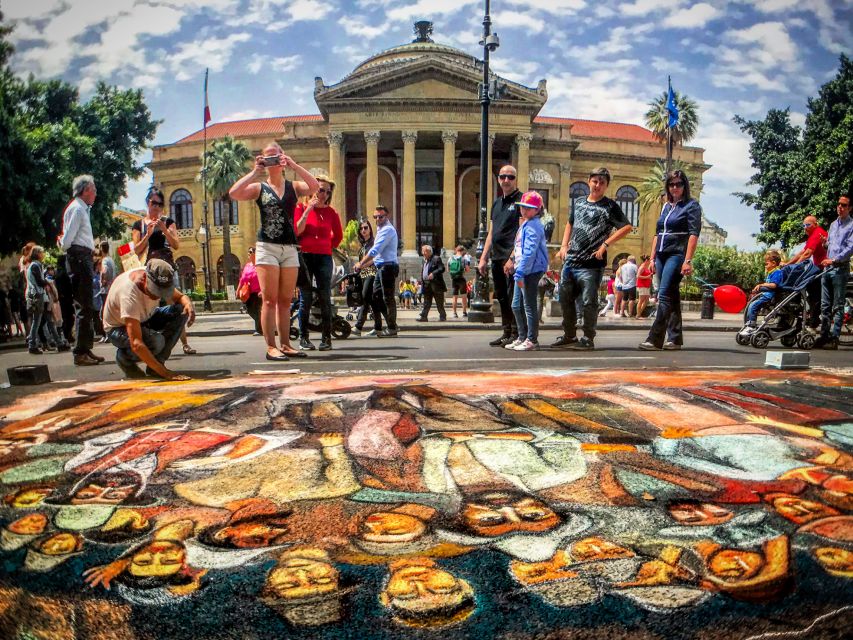
- Teatro Massimo opens the story
- Il Capo market and the everyday city
- Piazza della Memoria and the cost of resistance
- Orange stickers along the Cassaro
- Piazza Beati Paoli, the cathedral, and city hall
- The guide makes or breaks the experience
- What the three hours feel like
- What you get for $40
- Who should book this tour
- A better way to use the tour
- Should you book the Palermo No Mafia Walking Tour?
- FAQ
- How long does the Palermo No Mafia Walking Tour last?
- What sights are included on the walking route?
- Does the tour include entry to Palermo Cathedral or other monuments?
- Which languages are available?
- What should I bring?
- What is included in the $40 price?
Key points to know before you book
- Three hours on foot: Wear comfortable shoes and expect a steady walk through Palermo’s historic center.
- A clear look beyond movie clichés: The guide explains the Mafia’s social and political reach without glamorizing it.
- Major Palermo sights included: See Teatro Massimo, Il Capo market, Palermo Cathedral, city hall, Piazza Beati Paoli, and Piazza della Memoria.
- Real anti-extortion work: Orange stickers mark businesses that refuse protection payments and support ethical consumer choices.
- Strong local guides: Linda, Valeria, Attilio, Salvatore, Giuseppe, Marinella, Claudio, Laura, and Ermes are among the guides praised for clear, passionate storytelling.
- Good value at $40: You receive a three-hour guided walk, local context, food tips, and a charitable contribution, though monument entry is not included.
Why this Palermo walk is different
Many city tours give you dates, names, and a procession of pretty buildings. This one asks you to look at Palermo as a place where history still affects ordinary choices. A shop sign, a memorial plaque, or a quiet square can become a doorway into questions about power, silence, public courage, and the cost of resistance.
The tour is run by Addiopizzo Travel, an organization tied to Sicily’s civil anti-mafia movement. That matters. You are not simply buying a Mafia-themed product designed to entertain. Part of the price supports a group that encourages businesses to reject extortion and helps visitors spend money in ways that support those businesses.
The subject is serious, but the presentation is not necessarily grim from start to finish. Guides such as Claudio and Laura have been praised for using humor at the right moments, while Attilio, Ermes, Linda, Valeria, Salvatore, Giuseppe, and Marinella are known for holding attention across the full three hours. The best guides make complex political and social history easy to follow without turning it into a simple good-versus-evil tale.
More Walking Tours in Palermo
- Palermo Original Street Food Walking Tour by Streaty
★ 5.0 · 2,105 reviews - Palermo: Street Food and History Walking Tour
★ 4.9 · 1,294 reviews - Palermo No Mafia walking tour: discover the Anti-mafia culture in Sicily
★ 5.0 · 1,011 reviews
Teatro Massimo opens the story
The walk includes Teatro Massimo, Palermo’s grand opera house and one of the city’s best-known landmarks. You may already know it from photographs or cinema, but here it works as more than a backdrop. Your guide uses the area to place Palermo’s modern public life within the city’s wider story.
Expect the guide to set the scene before moving through the older streets. The exact order can vary, and the meeting point may change with the option you book, but the route covers key parts of the historic center. The guide’s narration is the main attraction, so listen closely and ask questions as you go.
This is useful if you are new to Palermo. You get an early look at the old center while also learning how to read the city through its public spaces. One useful tip from past participants is to take the tour near the start of your stay. The guide’s advice on food and ethical businesses can shape the rest of your visit.
Il Capo market and the everyday city
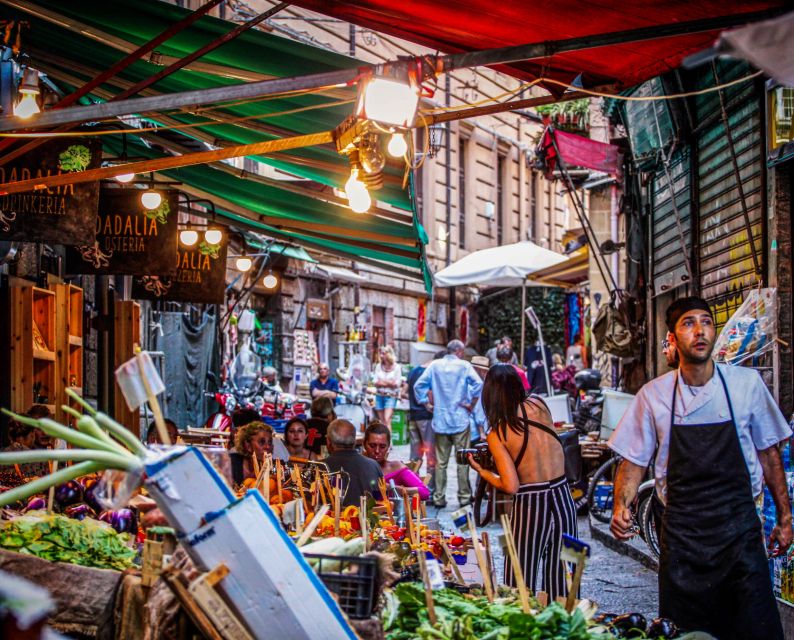
The route passes through Il Capo, one of Palermo’s traditional open-air markets. This is where the tour shifts from grand monuments to ordinary commerce. Market streets make the subject feel closer to daily life, because the Mafia story is not only about famous bosses, assassinations, or court cases. It is also about shopkeepers, families, workers, customers, and the pressure placed on local businesses.
The market also gives your walk a change of pace. After formal squares and monumental buildings, you see Palermo as a working city. The route is not designed as a food tour, but your guide may point out places to try Sicilian specialties at the end.
Keep your expectations sensible. The market is one stop within a three-hour historical walk, not a long tasting session. If street food is a top priority, save time before or after the tour for eating. The benefit here is context: you see a real commercial district while learning why independent businesses and civic choices matter.
Piazza della Memoria and the cost of resistance
One of the most important stops is Piazza della Memoria, a memorial dedicated to prosecutors and judges killed by the Mafia. This is a place for names and remembrance rather than spectacle. The guide explains the people behind the public memory and the risks faced by those who challenged Mafioso power through law and public service.
For me, this is the point where the tour’s purpose becomes clearest. A Mafia walk can easily become a parade of notorious figures. This route keeps returning attention to those who opposed violence and corruption, and to the people harmed by them.
The memorial also helps you understand why the anti-mafia movement is not only a matter for police and courts. The tour presents resistance as a civic effort, involving citizens and businesses as well as judges, prosecutors, and public officials. That wider view gives the walk more value than a simple account of criminal events.
More mafia and anti-mafia history walks in Palermo:
- Palermo: Anti-Mafia Heroes Evening Walking Tour
★ 4.6 · 172 reviews - The Godfather Origins of Mafia: Corleone & Visit Monreale Duomo
★ 5.0 · 73 reviews - Corleone: Guided Tour of the C.I.D.M.A – Anti-Mafia Movement
★ 4.6 · 37 reviews - From Palermo: Mafia Tour of Corleone with Hotel Pickup
★ 5.0 · 34 reviews
Orange stickers along the Cassaro
Along the Cassaro, look for shops and businesses displaying orange stickers. These mark owners who have refused to pay extortion and joined the pago chi non paga ethical consumer campaign.
This small detail is one of the tour’s most useful takeaways. You are shown a practical way to connect sightseeing with local civic action. Instead of treating the Mafia as a closed chapter or a distant threat, the sticker campaign shows how everyday buying decisions can support businesses that reject it.
Your guide can explain how the campaign works and how you can take part as a customer. The tour does not suggest that one meal or purchase solves a vast problem. It shows a modest, direct choice you can make during your time in Palermo.
The stickers are also easy to miss if you walk alone. That is one reason the guided format earns its fee. You are not only shown buildings. You are taught what to notice.
Piazza Beati Paoli, the cathedral, and city hall
The route continues through Piazza Beati Paoli, Palermo Cathedral, and the city hall area. These stops broaden the tour beyond Mafia history alone. You get a sense of Palermo’s older layers, its religious and civic institutions, and the way power has been represented in the city over time.
Palermo Cathedral is a major sight in its own right, but do not expect entry to be included. Museum and monument admissions are not part of the $40 price. The guide discusses the exterior and the surrounding area as part of the walk, while you can return later if you want to go inside.
City hall provides another useful setting for discussing politics and public life. The route links grand civic spaces with the long struggle over who controls a city and whose interests public institutions serve. This kind of connection is the tour’s strength. The buildings are not isolated photo stops.
Piazza Beati Paoli adds another layer of local atmosphere. As with the other locations, the stop matters most when paired with the guide’s explanation. If you want a purely architectural tour, you may prefer a conventional Palermo sightseeing walk. If you want the city’s buildings placed in a social and political frame, this route gives you something more.
The guide makes or breaks the experience
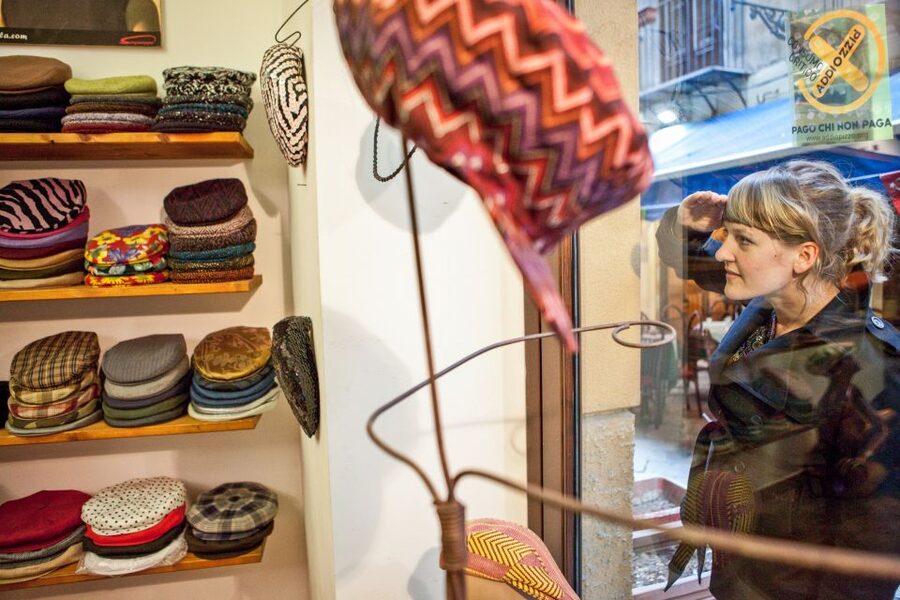
A three-hour walking tour needs a guide who can tell a complicated story clearly. Here, the human element is especially important because much of the value comes through explanation rather than special access or admission to an attraction.
The strongest guide names repeatedly associated with this experience include Valeria, Attilio, Salvatore, Linda, Giuseppe, Marinella, Claudio, Laura, and Ermes. Their styles differ, but the qualities you should look for are clear English, an ability to answer questions, and genuine commitment to the anti-mafia cause.
Several guides are praised for speaking clearly in English, which matters because the subject includes political terms, historical shifts, and difficult events. Spanish, French, Italian, and English are offered, though the available language depends on the departure you choose. Polish is not listed among the available options.
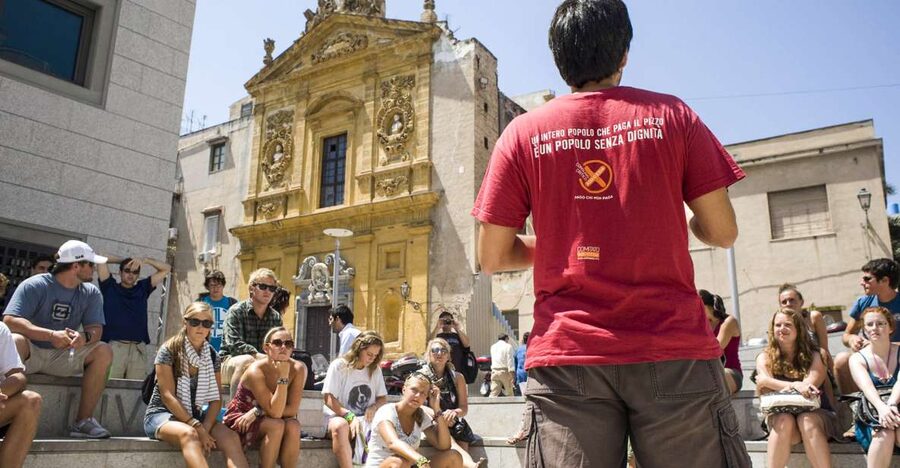
The group can be small, which helps when you want to ask questions or hear the guide in busy streets. Still, group size can vary. If you are sensitive to crowding or need frequent rests, check the available option before booking.
This is not a tour where you can switch off and simply follow a flag. You will spend a lot of time listening. The payoff is a more thoughtful understanding of Palermo, but you should choose it because you want that kind of experience.
What the three hours feel like
The walking itself is manageable for most people who are comfortable on city streets, but three hours is still a real commitment. Wear comfortable shoes. Guides may offer places to sit in the shade during parts of the talk, yet conditions can change with the season and route.
The experience combines walking and standing, with the guide stopping to speak at important sites. You should bring water, especially in warm weather, although the supplied information does not promise any refreshments. A small group makes it easier to hear, but lively streets, traffic, and market noise can still be part of the setting.
The timing works well because it allows the story to develop. A shorter walk might give you a few facts about Falcone, Borsellino, Cosa Nostra, and Addiopizzo, but three hours gives the guide room to explain causes, consequences, and resistance. Many people find that the time passes quickly because the subject keeps changing from city landmarks to social history and back again.
The drawback is information density. You may leave with a lot to think about and a few names to look up later. If you prefer a light, relaxed introduction to Palermo, this may feel heavy. If you want substance, the length is part of the value.
What you get for $40
At $40 per person, this is priced above a basic free walk, but the comparison is not quite fair. The fee covers a live guide, a three-hour route, access to local interpretation, and a contribution to Addiopizzo. You are paying for a focused lesson as well as sightseeing.
No museum or monument entry is included. That keeps the price from rising, but it means you should budget separately if you want to enter the cathedral or other sites later. The tour is best viewed as a city orientation and civic history experience, not as an all-inclusive attraction.
I consider it good value for visitors who would otherwise need several hours of reading to understand the subject. You also gain practical food and shopping suggestions from someone familiar with Palermo. Those tips can help you support businesses connected with the anti-extortion campaign.
Free cancellation up to 24 hours before the start and a reserve-now, pay-later option add useful flexibility. The key point is to confirm the meeting point for your selected departure, since it may vary.
Who should book this tour
I would choose this tour if you want to understand Sicily beyond the postcard version. It suits adults, families with older children, students, and anyone interested in modern Italian history, social movements, politics, or ethical travel. One family found that the subject held a teenager’s attention for the whole walk, which says something about the guides’ storytelling.
It is also a smart choice if you are tired of repeating the same old European city formula of churches, palaces, and viewpoints. You still see important sights, but the route gives them a human and political context.
You may want to skip it if your main goal is Mafia film locations, sensational crime stories, or dramatic abandoned sites. This is not a hunt for hidden lairs. It is a recent-history and civic-resistance walk, with the emphasis firmly on the damage caused by organized crime and the people opposing it.
I would also think twice if you dislike long guided talks or have difficulty walking and standing for three hours. Comfortable shoes are essential, and you should check the particular departure details before committing.
A better way to use the tour
Book it early in your Palermo stay if possible. You will see several central landmarks, learn which parts of the old town deserve another visit, and receive suggestions for Sicilian food. More important, you will know what the orange stickers mean when you notice them later.
Take notes if the subject matters to you. The tour covers enough history, names, and political background that you may not remember every detail. Asking questions is worthwhile, especially if you want to understand how the anti-mafia movement works today rather than hearing only about past violence.
Keep the tone in mind. This is a respectful look at real suffering and ongoing civic work. Photography may be natural at the monuments, but memorial sites deserve some restraint.
Should you book the Palermo No Mafia Walking Tour?
Yes, if you want a serious, local view of Palermo and are willing to give three hours to listening and walking. The combination of Teatro Massimo, Il Capo, the cathedral, city hall, Mafia memorials, and anti-extortion businesses gives you a useful introduction to the city.
The $40 price makes sense for visitors who value strong guiding and want their spending to support Addiopizzo. Choose an English, Italian, French, or Spanish departure that suits you, wear good shoes, and book near the beginning of your stay. Skip it only if you want a light sightseeing stroll or a sensational Mafia-themed attraction. For an honest look at Sicily’s struggles and its civic response, this is one of Palermo’s most worthwhile walks.
FAQ
How long does the Palermo No Mafia Walking Tour last?
The tour lasts three hours and takes place on foot through Palermo’s historic center.
What sights are included on the walking route?
The route includes Teatro Massimo, Il Capo open-air market, Piazza della Memoria, the Cassaro, Piazza Beati Paoli, Palermo Cathedral, and Palermo city hall.
Does the tour include entry to Palermo Cathedral or other monuments?
No. Entrance to museums and monuments is not included in the tour price.
Which languages are available?
The tour is offered in English, Italian, Spanish, and French. The available language depends on the option you book.
What should I bring?
Bring comfortable shoes for the three-hour walk. The tour may include periods of standing, though guides can offer places to sit in the shade during parts of the presentation.
What is included in the $40 price?
The price includes a live guide, the walking tour, and a contribution to the Addiopizzo charitable organization.
Just added around Palermo
- Private transfer from Palermo airport to Mercure Palermo Centro or vice versa★ 5.0 · 3 reviews
- ERICE and SEGESTA Private Exclusive Tour starts from Palermo with Guide Driver★ 4.0 · 3 reviews
- Private 10 hour tour to Agrigento (Valley of the Temples) from Palermo★ 5.0 · 3 reviews
- Palermo Private MINITOUR of WEST SICILY 4 Days with Guide Driver★ 5.0 · 3 reviews
- The Best Of Sicily and Sorrento & Culinary Experiences, Deluxe★ 5.0 · 3 reviews
- Transfer from Palermo Airport to Scopello and Tonnara di Scopello★ 5.0 · 3 reviews
- Partinico: Farm’s Animals and Aromatic Garden Experience★ 4.6 · 3 reviews
- Sicily … A Love of a Lifetime★ 4.5 · 3 reviews
Sicilian Mafia History Tours, compared.
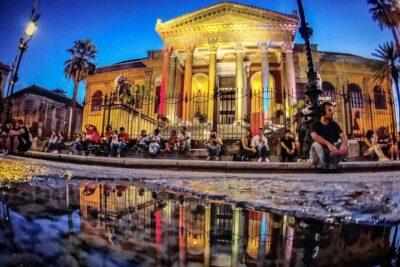
Palermo No Mafia walking tour: discover the Anti-mafia culture in Sicily
Read our review →
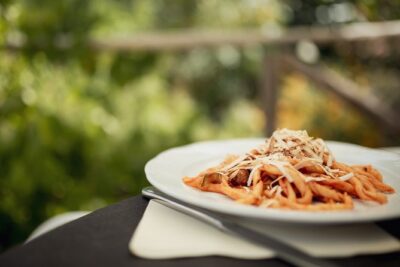
Godfather vs Mafia Tour & Pasta Lunch (Small Group or Private)
Read our review →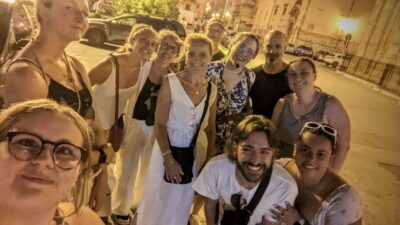
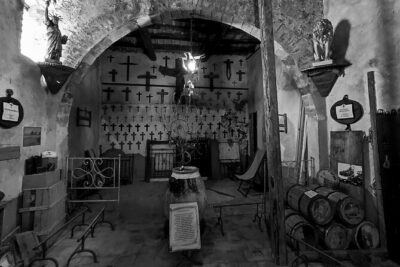
The Godfather Origins of Mafia: Corleone & Visit Monreale Duomo
Read our review →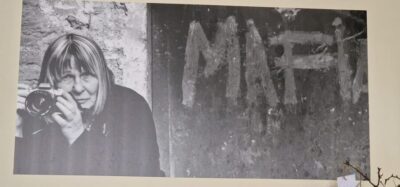
Corleone: Guided Tour of the C.I.D.M.A – Anti-Mafia Movement
Read our review →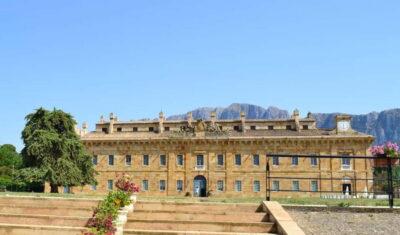
Browse the lists this tour appears in