
Reviewed · FARMS
Slowlife Family Farm: From Garden to Table
Sicily’s garden-to-table farm day mixes archaeology, farming, pasta making, and lunch in one four-hour visit. At this riverside property near Siracusa, you can see rare local vegetables, tour ancient sacred sites, walk to an old water mill, and help turn wheat into pasta.
I like the hands-on flow, especially gathering ingredients before cooking and learning how flour becomes pasta. I also like the personal welcome from Jess and Carlo, whose care for the land is a central part of the visit. The main drawback is that this is not a good choice for people with mobility impairments, and transport is not included.
In This Review
- Key points
- A Farm Where Sicilian History Meets Lunch
- Meeting Jess and Carlo Near Siracusa
- The Organic Garden and Sicily’s Giant Onion
- Ancient Altars and a River Through the Property
- From Wheat to Fresh Pasta
- Olive Oil, Wine, and the Historical Pantry
- What the Four Hours Feel Like
- Is the $164.26 Price Fair?
- Who Should Book This Farm Experience?
- Should You Book Slowlife Family Farm?
- FAQ
- How long does the Slowlife Family Farm experience last?
- Where does the experience begin?
- Is transportation included?
- What languages are available?
- What should I bring?
- Is the farm suitable for people with mobility impairments?
Key points
- A working organic farm: Learn about rare Sicilian vegetables, including the Giant Onion of Giarratana, which can weigh more than 2 kilograms.
- Wheat-to-pasta cooking: Use modern farm tools to follow the process from milling grain to preparing pasta.
- Ancient sites on the property: See altars connected with Greek and Roman use of the farm, which has been a sacred place for more than 2,500 years.
- A riverside setting: The farm sits beside a Sicilian canyon and river, with shaded areas and an ancient water lagoon where swimming may be possible.
- Local food and drink: Taste the farm’s produce along with local olive oil and wine.
- Small-group format: The group is limited to 10 people, giving the hosts room to explain the work and guide the cooking.
A Farm Where Sicilian History Meets Lunch
Slowlife Family Farm is not simply a cooking school with a few potted herbs outside. It is a working family farm built around a slower way of living, local food, and protection of old plant varieties.
The farm has operated off-grid for 16 years. Its owners grow organic vegetables, research varieties protected by the Slow Food movement, and work with local producers of wheat, olive oil, and wine. That gives the visit a useful focus: you are not just preparing a meal, you are following the path of its ingredients.
The property is also an archaeological site. Greek and Roman altars were found here, and the farm has been considered sacred for more than 2,500 years. That combination makes the visit unusual. You can move from garden beds to ancient stones, then from a water mill to a shared table.
The four-hour format is long enough for several activities but not so long that the day becomes tiring for most participants. You should still expect an active visit rather than a sit-down food demonstration. You will walk around the property, gather ingredients, handle cooking tools, and spend time outdoors.
A few more Syracuse tours and experiences worth weighing up
- Noto: Farm to Fork in Sicily – Cooking Class in a Farm
★ 5.0 · 15 reviews - Noto: Highlights Experience tour Cooking from Farm to Fork
★ 4.9 · 8 reviews - Alcamo Farm Animals and Aromatic Garden
★ 4.0 · 45 reviews
Meeting Jess and Carlo Near Siracusa
The stated meeting point is Via Malta, 7, 96100 Siracusa. A different meeting point may be arranged depending on where you are staying, but you need to contact the local partner before booking. The calendar is not always updated, so confirm the date, starting time, and pickup point directly.
Transport is not included. You will need to arrange your own taxi or other way of reaching the meeting point and the farm. That matters when planning your day in southeastern Sicily, especially if you are staying outside central Siracusa.
Jess and Carlo are the hosts associated with the farm experience. Their role is more than simply leading a class. They introduce you to the project, explain the work behind the gardens, and guide the food preparation. The personal connection is one of the strongest reasons to choose this visit over a standard cooking lesson.
The group is limited to 10 people. That is a sensible size for a farm kitchen, where everyone needs room to handle ingredients and tools. It also gives you a better chance to ask about the unusual vegetables, milling process, and local food traditions.
The Organic Garden and Sicily’s Giant Onion
The garden is the heart of the experience. You will learn how the farm grows organic vegetables and protects older local varieties that are less common in ordinary markets.
One special example is the Giant Onion of Giarratana, an endemic Sicilian variety that can grow to more than 2 kilograms. Traditionally, it is baked directly over an open fire. If the onion is in season, you may see it growing and taste it as part of the meal.
The season matters here. The farm cannot promise every vegetable at every time of year, and that is part of the point. A true garden-to-table meal follows the calendar rather than forcing the same menu all year.
You will gather vegetables from the garden for the lunch you help prepare. You may also collect wild edible plants with guidance from a qualified nature guide. This is a useful part of the visit, but you should not pick anything on your own. Identification is the guide’s job, and the lesson is about learning which plants are safe and how they fit into Sicilian cooking.
I like this section because it connects food with place. You see where ingredients grow, hear why certain varieties matter, and then use them at the table. For children and food-minded adults, that link can be more memorable than a polished restaurant meal.
Ancient Altars and a River Through the Property
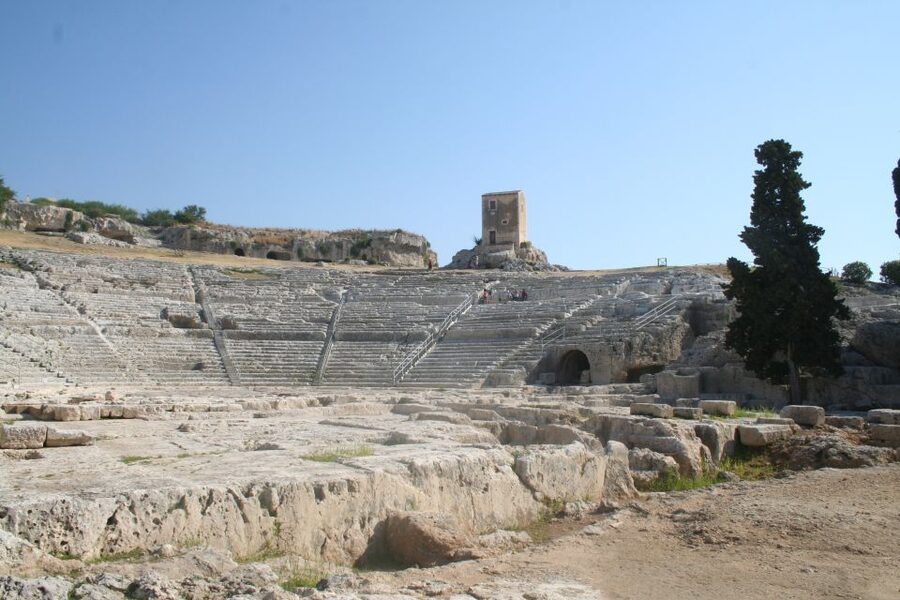
The archaeological tour gives the farm another layer. Licensed historical guides lead you to the remains found on the property, including altars used by Greek and Roman communities.
You should not expect a large museum complex or a long formal archaeological lecture. The appeal is that these remains sit within a living farm. You are seeing old sacred places in the same setting where vegetables are grown and food is prepared today.
The property is inside one of Sicily’s notable canyons, beside a river. The water and trees provide a cooler place to pause, especially in the warmer months. The farm also includes an ancient water lagoon where swimming is possible, according to the activity details.
The water is a pleasant bonus, but do not book this solely as a swimming outing. The central plan is the farm visit, archaeology, food gathering, cooking, and tasting. Bring a swimsuit only if you want the option of entering the water and if conditions allow it, but the required items are comfortable shoes, a sun hat, and water.
An ancient water mill is also being restored. You will visit it as part of the property tour. Since restoration is still underway, expect a historic structure in progress rather than a fully operating mill. Its importance is easy to understand, though: wheat, water, milling, and bread or pasta once formed a much more visible part of daily life.
Same island, a completely different day out:
- Syracuse: Boat Tour with Captain Mirko, Snorkeling & Caves
★ 4.7 · 746 reviews - Siracusa: Ortigia Boat Tour with Marine Grotto
★ 4.7 · 617 reviews - Siracusa: Ortigia & Sea Caves Speedboat Tour with Swim Stop
★ 4.9 · 499 reviews - Syracuse: Neapolis Archaeological Park Small Group Tour
★ 4.7 · 350 reviews
From Wheat to Fresh Pasta
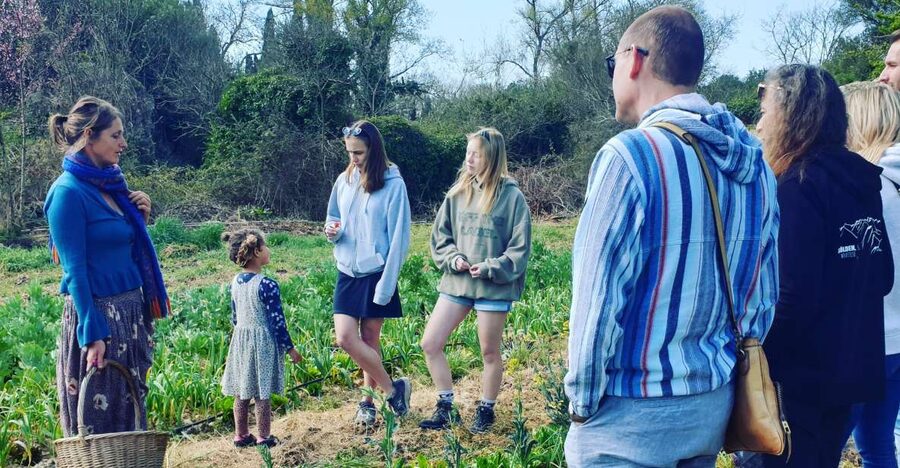
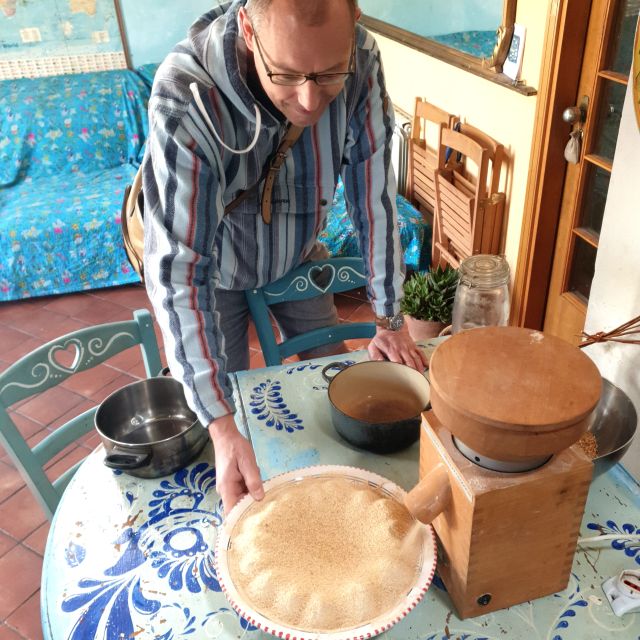
The cooking class follows the grain from milling to pasta. Using modern tools, you will help process wheat and prepare pasta for the meal.
This is more interesting than arriving at a kitchen with a bowl of ready-made dough. Milling gives you a clearer sense of the work behind a basic Sicilian staple. It also fits the farm’s larger idea of slowing down and paying attention to ordinary food.
The class is practical. You will work with ingredients gathered from the garden and take part in preparing the lunch with the group. The exact dishes can vary with the season and what is available, so do not expect a fixed menu unless the farm confirms one in advance.
I especially like this part for people who want an activity rather than a demonstration. You are involved from the beginning, and the final meal feels connected to the work done earlier in the day. The cooking also gives the visit a natural social rhythm, with time to talk while the ingredients are being prepared.
If you have limited mobility, consider this carefully. The property includes outdoor areas, archaeological remains, a river setting, and a mill under restoration. The activity is specifically not suitable for people with mobility impairments.
Olive Oil, Wine, and the Historical Pantry
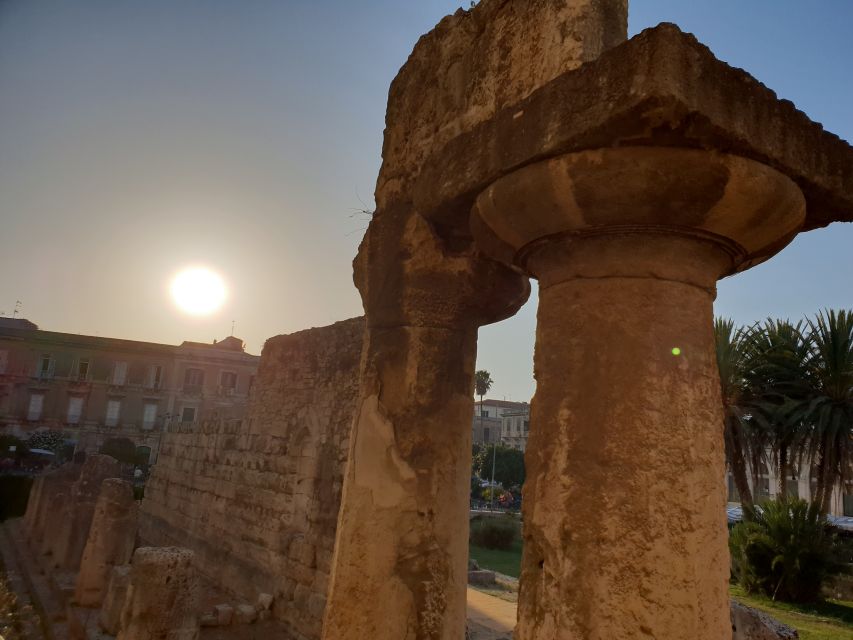
The tasting portion focuses on local olive oil and wine. You will also visit the farm’s historical food and wine pantry.
These tastings help explain the regional food system beyond the garden. Olive oil is not just a condiment in Sicilian cooking, and wine is not simply a drink added at the end of lunch. Both are tied to local agriculture and the producers the farm supports.
Do not expect a large commercial tasting room. This is a family farm, so the setting is more personal and connected to the food you are preparing. You can compare the products with the vegetables and pasta on your plate, which makes the tasting more useful than sampling them in isolation.
Wine is included, so anyone drinking should plan the return journey with care. Since transport is not included, arrange a safe way back before the visit rather than trying to solve it after lunch.
What the Four Hours Feel Like
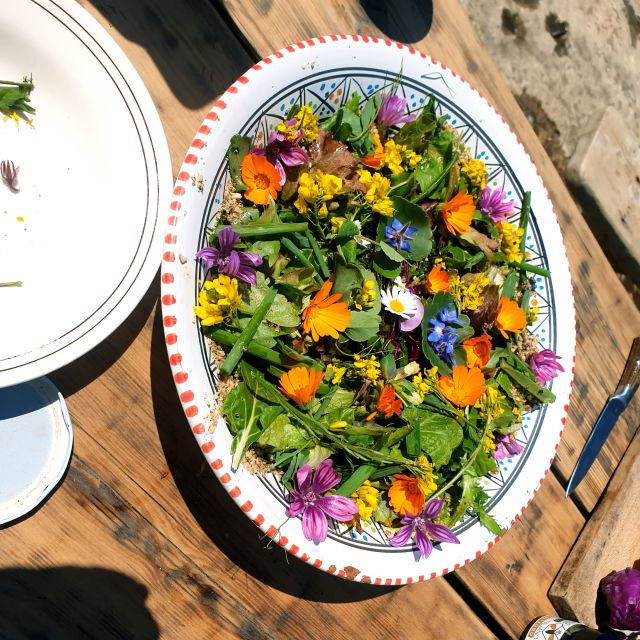
The activity has several parts, and the exact order may change. A typical visit includes:
- Meeting the local guide and reaching the farm
- Touring the archaeological remains
- Learning about the organic garden and local plant varieties
- Gathering vegetables and approved wild edible plants
- Visiting the historical pantry and water mill
- Milling wheat and preparing pasta
- Tasting local olive oil and wine
- Sharing the Sicilian lunch prepared together
Four hours can pass quickly because the visit keeps changing pace. You are outdoors for part of the time, then working with food, then sitting down to eat.
The schedule is customizable, but that flexibility requires planning. Contact the local partner before booking if you need a different starting time or meeting point. Do not assume the online calendar tells the full story.
Wear shoes suitable for uneven outdoor ground. A sun hat and water are sensible in Sicily, particularly during the warmer part of the year. No entrance tickets are included in the cost, so confirm exactly what your booking covers if you are planning extra archaeological visits nearby.
Is the $164.26 Price Fair?
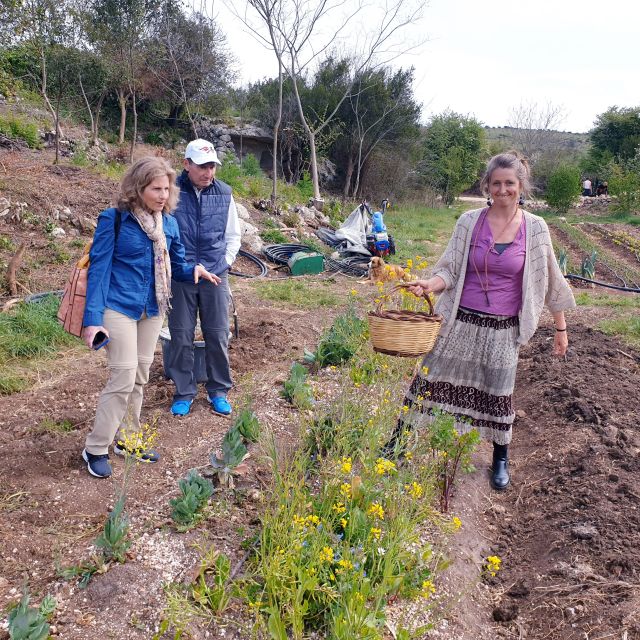
At $164.26 per person, this costs more than a basic pasta class. The value depends on how much of the full experience you want.
You are paying for a small-group farm visit, a licensed historical guide, a nature guide for edible plant recognition, garden access, an archaeological tour, a wheat-to-pasta class, an olive oil tasting, a wine tasting, and a shared meal. Transport and entrance tickets are not included, so those costs need to be added to your plan.
For someone who wants only to make pasta, the price may feel high. A simpler city cooking class will likely be a better match. But if you want food, archaeology, farming, and nature in one outing, the price is easier to justify.
The strongest value comes from the setting and the range of activities. You are not just buying lunch. You are spending time on a private working property, learning about unusual crops, seeing ancient remains, and taking part in the food preparation.
The small group also matters. Ten people is enough to create a social meal but small enough for direct contact with Jess and Carlo. If the group fills, you should still expect a shared experience rather than a private class.
Who Should Book This Farm Experience?
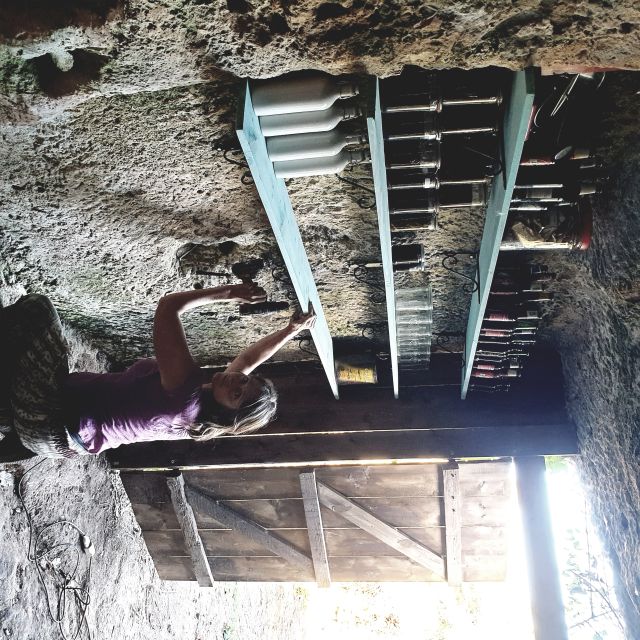
I would recommend it to you if you enjoy local food with a clear connection to agriculture. It is also a good fit if you like adding a little history and nature to a cooking activity.
Families may appreciate the mix of outdoor exploration and hands-on food preparation, though adults should keep an eye on children near the river and archaeological areas. Food lovers will get the most from the garden, milling, tasting, and seasonal cooking.
This is less suitable if you want a highly polished culinary school, a fixed menu, easy transport, or a fully accessible site. It is also not ideal for anyone who prefers a short demonstration followed by a restaurant meal.
The experience received an overall rating of 4.3 from six reviews. The most praised elements are the welcome from Jess and Carlo, the beauty of the property, the ancient sites, the garden work, and the satisfying feeling of preparing food from the first step. Those points line up with what makes the farm different from an ordinary cooking class.
Should You Book Slowlife Family Farm?
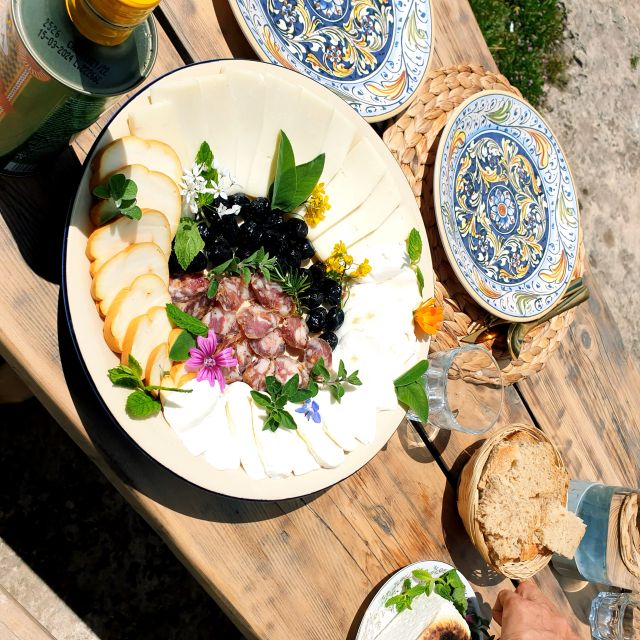
Book it if you want a personal, hands-on day that brings together Sicilian produce, pasta, archaeology, and the outdoors. The Giant Onion of Giarratana, the ancient altars, the old water mill, and the wheat-to-pasta lesson give the visit plenty of character.
Skip it if mobility is a concern, if you need included transport, or if you want a predictable restaurant-style menu. Before paying, contact the farm to confirm the date, start time, meeting point, seasonal ingredients, and what is included in your specific visit.
For the right person, this is more than a cooking lesson. It is a look at how one family is linking old crops, local producers, ancient land use, and a slower daily routine.
FAQ
How long does the Slowlife Family Farm experience last?
The activity lasts four hours. Starting times should be checked in advance because the schedule can be customized.
Where does the experience begin?
The stated meeting point is Via Malta, 7, 96100 Siracusa. An alternate meeting point may be arranged based on your accommodation.
Is transportation included?
No. Taxi service or pickup and drop-off are not included in the price.
What languages are available?
The experience is offered in English and Italian.
What should I bring?
Bring comfortable shoes, a sun hat, and water. The farm includes outdoor areas, so practical clothing is useful.
Is the farm suitable for people with mobility impairments?
No. The activity is not suitable for people with mobility impairments.
Just added around Syracuse
- Sicily Boats Avola: Plemmirio boat tour 4 people 4 hours★ 5.0 · 3 reviews
- From Syracuse: Private Taormina and Castelmola tour with lunch★ 5.0 · 3 reviews
- Siracusa Iris Photography Experience★ 5.0 · 3 reviews
- Siracusa E-bike rental service★ 5.0 · 3 reviews
- Tour Ragusa Ibla, Modica and Noto, from Syracuse★ 5.0 · 3 reviews
- Cyclops Tour★ 4.5 · 3 reviews
- Archaeological Syracuse: Neapolis Park private tour★ 5.0 · 3 reviews
- Tour of Syracuse by Ape Calessino★ 3.0 · 3 reviews
Farms, compared.
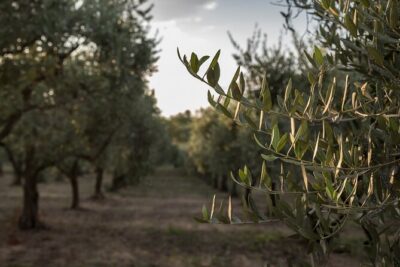
Visit to the olive grove, oil tasting and lunch at the farm
Read our review →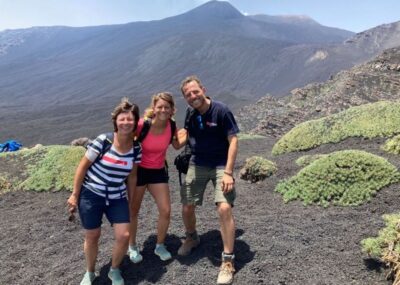
Guided Tour of Etna with Farm Visit & Food Tasting
Read our review →
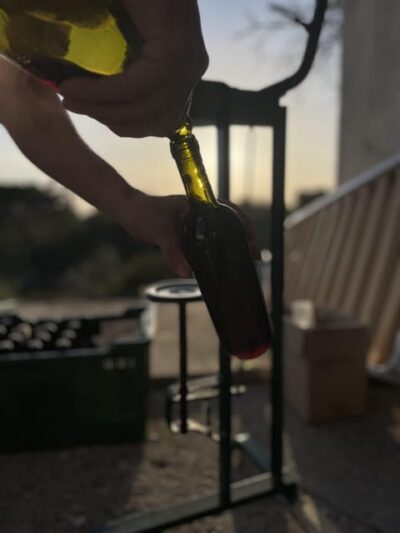
Farm to Fork in Sicily – Cooking Class in a Farm
Read our review →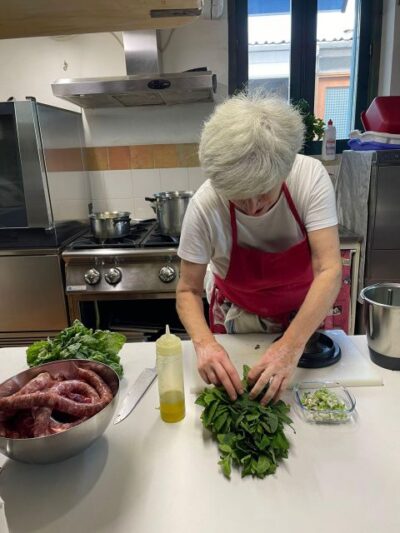
Highlights Experience tour Cooking from Farm to Fork
Read our review →
Private Etna tour and pistachio lunch in a pistachio farm
Read our review →Browse the lists this tour appears in