
Reviewed · HIKING & TREKKING
Hike near the summit craters up to the maximum safe altitude currently foreseen
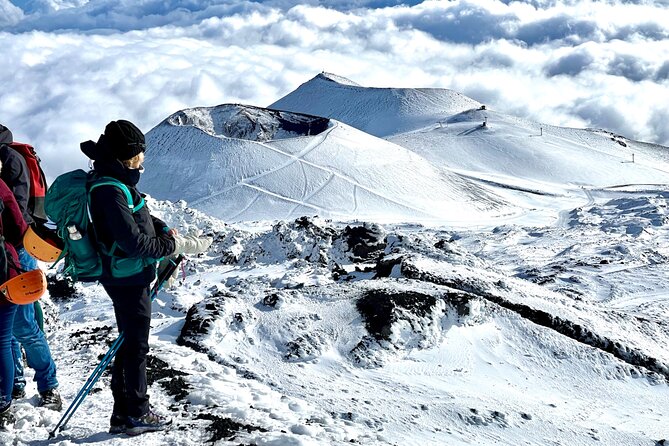
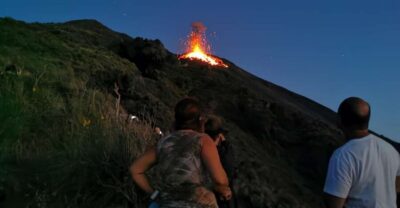
Mount Etna gives you something rare: a close look at an active volcano without stepping into a forbidden summit zone. This hike climbs from the cable-car station at 2,500 meters to about 3,000 meters, the highest altitude currently allowed, with views toward the South-East Crater and its hot fumaroles.
I like the hands-on volcanic setting, where black lava, old craters, ash, and unstable ground make every step feel different. I also like the guiding, especially when a geologist such as Filippo leads the group and explains why Etna keeps changing.
The main drawback is altitude. The air is colder and thinner than many people expect, and the €52 cableway ticket is paid separately. If you rarely exercise or have heart, lung, or blood-pressure problems, this is not the right outing.
In This Review
- Key points at a glance
- What the five-hour Etna hike is really like
- From 1,900 to 2,500 meters by cable car
- Crossing lava fields and older craters
- Reaching 3,000 meters near the South-East Crater
- The descent is part of the experience
- Guides who make the geology easier to understand
- Clothing, equipment, and high-altitude comfort
- Who should book this hike?
- Booking, cancellation, and the final value
- Should you book the 3,000-meter Etna hike?
- FAQ
- Where does the Mount Etna hike begin?
- How high does the hike go?
- Is the cable-car ticket included?
- What equipment is provided?
- Is the hike suitable for children?
- Can the route change because of eruptions or weather?
- What happens if the tour is canceled?
Key points at a glance
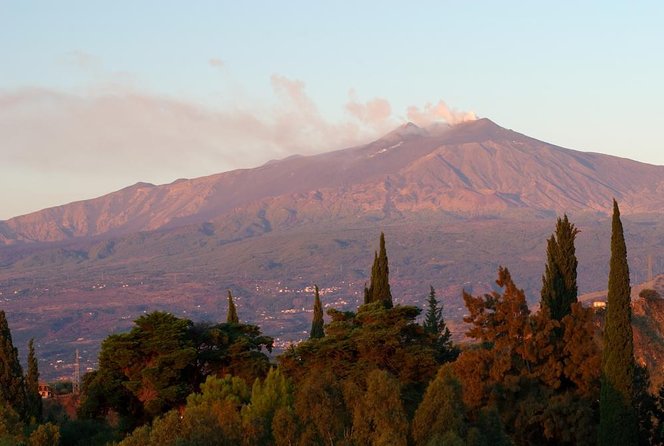
- Climb to 3,000 meters: Reach the maximum altitude currently permitted by summit regulations, near Etna’s active South-East Crater.
- Start high on the mountain: Take the cable car from 1,900 to 2,500 meters, then hike roughly 500 meters uphill.
- Walk on active volcanic ground: Expect lava fields, crater rims, lava channels, ash, and hot fumaroles.
- Use supplied equipment: Trekking poles, hiking shoes, helmets, warm jackets, extra socks, and an extra backpack are included.
- Learn as you walk: Guides explain Etna’s eruptions, geology, local plants, and volcanic hazards.
- Plan for extra costs: The round-trip cableway ticket costs €52 per person, and snowshoes cost €15 if deep snow requires them.
What the five-hour Etna hike is really like
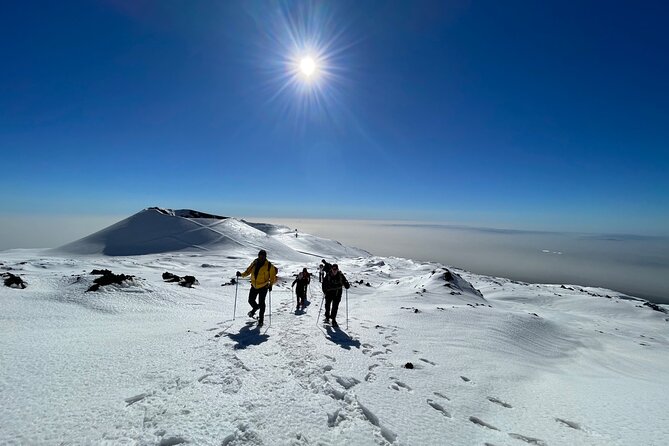
This is not a casual stroll to a viewpoint. It is a half-day mountain trek on volcanic ground, with about 6.5 kilometers of walking and an uphill gain of roughly 500 meters. The exact route can change with snow, wind, volcanic activity, or safety orders.
You begin at the southern cable-car area in Nicolosi at 1,900 meters. After checking in with the guide and sorting out tickets, you ride to 2,500 meters. The cable car saves you from walking the lower slopes, where the scenery is less dramatic and the climb would take much longer.
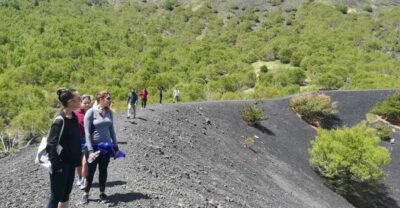
At the upper station, the hike starts in earnest. You walk over lava fields and around volcanic formations rather than along a smooth mountain path. The surface can be uneven, loose, and unstable, so trekking poles are useful, not decorative. A steady pace matters more than speed.
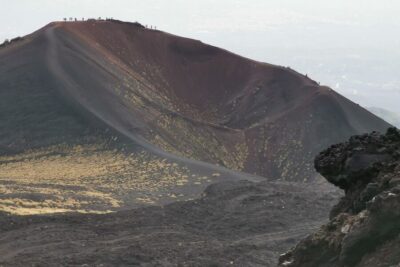
The goal is the area around 3,000 meters, at the base of the South-East Crater. This cone has produced many recent eruptions and remains closed because of intense heat, unstable ground, and the risk of rock or ash collapse when magma lies close to the surface. You get a safe view of the crater without pretending that a warning zone is an attraction.
More walks and treks around Sicily:
- Mount Etna: Guided Volcano Summit Hiking Tour with Cable Car
★ 4.7 · 3,784 reviews - Mount Etna: Trek to 3000m with cable car and jeep
★ 4.7 · 1,978 reviews - Mount Etna: Summit Crater Trek with Cable Car
★ 4.8 · 1,875 reviews
From 1,900 to 2,500 meters by cable car
The meeting point is Piazzale Funivia Etna Sud, near Nicolosi. The start time is 8:30 a.m., so you should arrive ready to check in rather than treating the area as a place to sort out breakfast and clothing at the last moment.
The cable car ride is a practical part of the experience. It takes you from the lower mountain to the high volcanic zone, where the route becomes more unusual. The round-trip ticket is not included in the advertised tour price, so budget an additional €52 per person on site.
That extra payment changes the real cost of the outing. At $66.38 per person before the cableway fee, the tour is reasonably priced for a five-hour guided hike with equipment, insurance, and admission included. Once the cable car is added, it is no longer a bargain-basement activity, but the price still makes sense if you would otherwise need to arrange a high-altitude guide and rent specialist gear yourself.
One practical warning: the cable car may be unavailable because of maintenance or operating conditions. The route can then be adjusted, and a longer walk may replace the ride. That can add effort, but it may also give you more time among the older craters and lava formations.
Crossing lava fields and older craters
The upper slopes are the heart of the outing. You move through a stark volcanic setting of dark lava, ash, channels, and crater edges. It is easy to focus only on the final altitude, but the ascent is interesting because the ground records different stages of Etna’s activity.
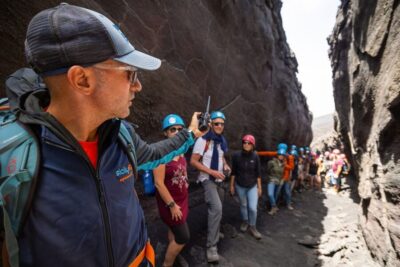
Your guide may pause to explain how lava moved through channels, how cones formed, and how older eruptions shaped the route. The best guides, including Filippo, Vincenzo, Daniele, and Podlo when they are assigned to a group, add useful geology without turning the walk into a classroom lecture.
Well-timed breaks are important here. At high altitude, a short pause lets you catch your breath, look back toward the lower slopes, and take in the scale of the volcano. You may feel fine at first, then notice that a modest incline demands more effort than expected.
The surface also keeps you alert. Loose volcanic material can shift under your boots, and crater rims can cause dizziness for people sensitive to height or unstable footing. Stay close to the guide and do not wander toward a better photograph.
Reaching 3,000 meters near the South-East Crater
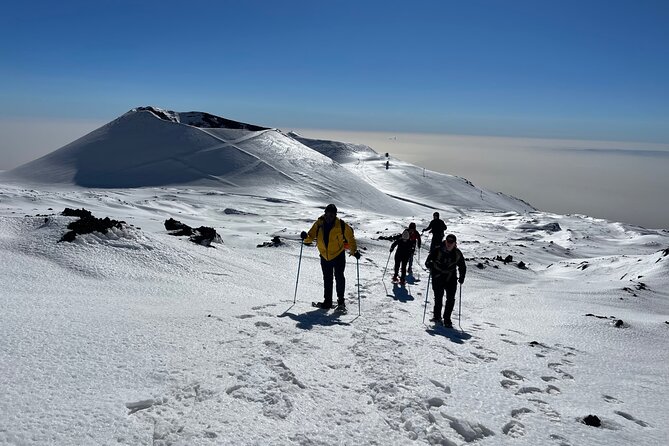
The highest point is not the summit cone itself. It is the maximum safe altitude permitted by current regulations, at the base of the South-East Crater. This distinction matters. You are visiting an active volcano under controlled conditions, not taking an unrestricted summit walk.
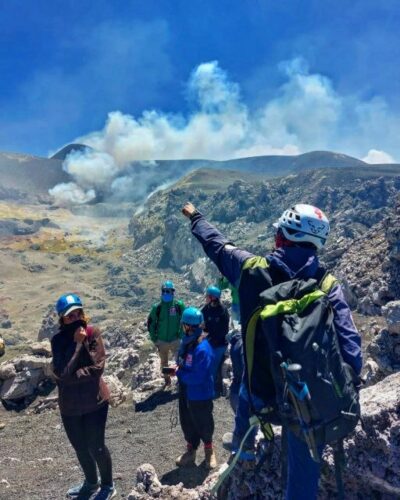
From a safe distance, you can look toward the crater that has played a major role in Etna’s recent activity. Heat and volcanic gases are part of the setting, but they are also why the cone is closed. The guide decides how close the group can approach and which sections are safe on the day.
This is one of the strongest parts of the tour because it combines spectacle with restraint. You see the source of eruptions while respecting the barriers and rules designed to protect you. If volcanic activity changes, the route may stop below the planned altitude or be suspended altogether.
Recent eruptions have sometimes made the summit crater inaccessible. In those situations, the guide can offer a reduced or modified outing, with views of the upper craters from a safe distance and more walking around older cones, lava caves, or lower sections. You should book this experience expecting a volcano, not a guaranteed altitude number.
Same island, a completely different day out:
- Catania: Mount Etna Morning or Sunset Day Trip with Tasting
★ 4.8 · 4,028 reviews - Palermo: NO Mafia Walking Tour
★ 4.8 · 2,431 reviews - Palermo: Hop-on Hop-off Bus Tour 24-hour Ticket
★ 3.9 · 2,410 reviews - From Trapani: Cruise to Favignana and Levanzo with lunch
★ 4.2 · 2,286 reviews
The descent is part of the experience
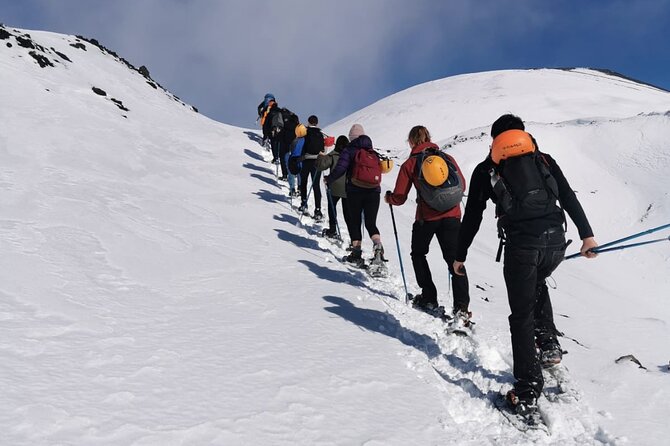
After reaching roughly 3,000 meters, you walk down to the cable-car station before riding back to 1,900 meters. The descent is not simply dead time after the main achievement. It gives you a different view of the craters and changes the way you read the ground.
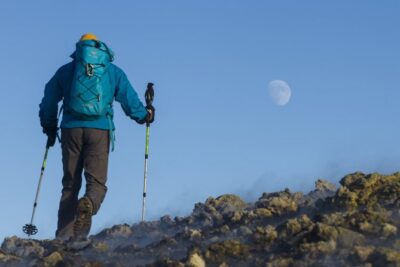
Downhill walking can be harder on knees and ankles, particularly on loose ash. Trekking poles help with balance, and sturdy shoes matter. If you borrow the supplied footwear, check the fit before leaving the meeting point.
The schedule includes about five hours overall, but weather, pace, snow, and volcanic conditions can affect the timing. A group of up to 15 people is small enough for a guide to monitor the pace more closely than on a large coach excursion.
If the cable car is operating, the final ride gives your legs a break and returns you to the original meeting point. The activity does not provide transport from your accommodation, so you need to arrange your own way to Etna Sud.
Guides who make the geology easier to understand
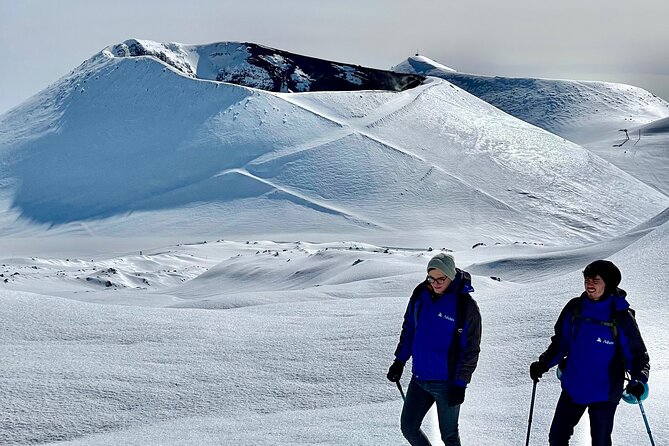
The guide is central to the value of this hike. A good mountain escort does more than point toward a crater. The guide watches the ground, weather, breathing, group pace, and changing safety conditions while explaining what you are seeing.
Filippo is described as a PhD geologist who combines technical information with encouragement during the climb. Vincenzo is noted for friendly explanations, route awareness, and good viewing spots. Daniele has led families through the upper slopes and included an old lava tunnel and the 2002 crater when conditions allowed.
You should not assume that one particular guide will lead your departure. Names can vary, but the important point is that this is presented as a vulcanological-guided hike rather than an unaccompanied mountain walk. Ask questions as you go. Etna becomes far more interesting when you understand the difference between an old cinder cone, a lava channel, and a dangerous active vent.
The standard language offered is English. If a larger mixed-language booking is present, groups may be separated by language, but the stated maximum for this activity is 15 people.
Clothing, equipment, and high-altitude comfort
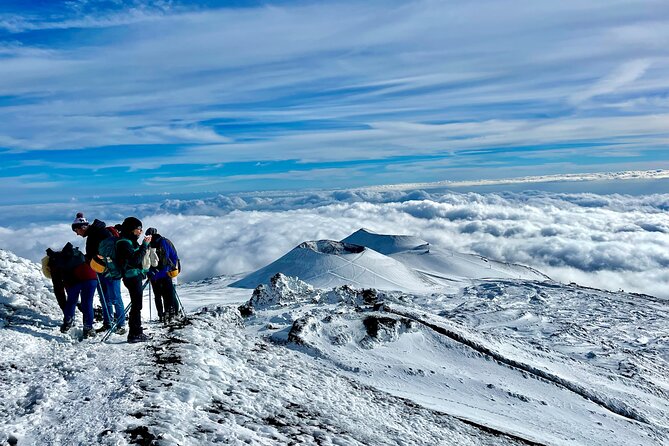
The supplied equipment is one of the tour’s better practical features. You can use trekking poles, trekking shoes, a helmet, a warm jacket, extra socks, and an additional backpack. Accident insurance and entry to Mount Etna are also included.
You still need to bring a hat and gloves. Add a neck warmer if you have one. The upper mountain can be much colder than Nicolosi, and the thin air makes the climb feel harder even when the weather looks calm below.
Wear layers that you can adjust. You may warm up while climbing, then cool quickly during a break. Sunglasses are useful because volcanic ash and glare can irritate your eyes.
Contact lenses are not recommended because volcanic gases and ash may cause irritation. If you use them, sunglasses are advised. This is a small detail, but it can make the difference between enjoying the view and spending the afternoon with sore eyes.
Snow changes the outing. If deep snow covers the route, snowshoes may be needed at an extra cost of €15 per person, paid directly to the guide. You should also understand that weather and volcanic conditions can lead to a route change or cancellation.
Who should book this hike?
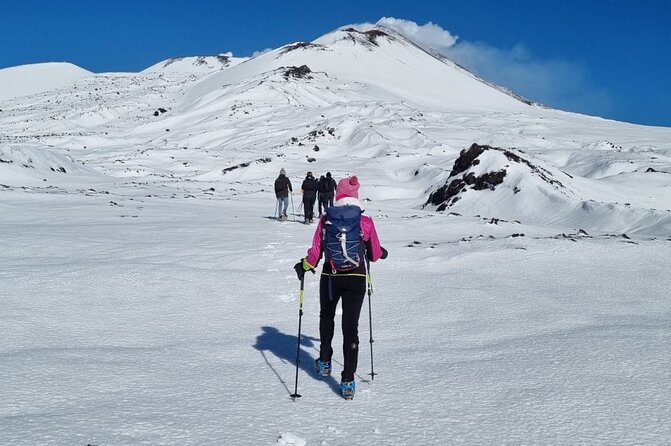
This outing suits you if you are in good physical health, enjoy walking uphill, and want more than a cable-car viewpoint. You do not need a specialist mountaineering background, but you should be used to regular walking and comfortable on uneven ground.
A fit person with limited hiking experience can manage it at a sensible pace. Children over seven may join if they are accustomed to walking, although the altitude and crater edges call for close attention from adults.
It is not a good match if you do little physical activity, dislike loose ground, or want a short and effortless sightseeing stop. The route is also unsuitable for people with specific cardiovascular or respiratory conditions, hypertension, or other health concerns that could make high altitude risky. Tell the guide about relevant medical issues before setting out.
You should also be comfortable with uncertainty. Etna is active, and the exact route depends on conditions beyond the operator’s control. The safest and most honest version of this experience is one that changes when the mountain demands it.
Booking, cancellation, and the final value
The tour is generally booked well ahead, with an average booking time of about 19 days before departure. That is useful if your Sicily schedule is fixed, especially in busy months, but do not place it on the final day of your trip. A weather cancellation is easier to handle when you have spare time.
Free cancellation is available up to 24 hours before the 8:30 a.m. start. A cancellation inside that window is not refundable, and changes are not accepted. If poor weather or an insufficient number of participants cancels the outing, you can choose another date or receive a full refund.
At first glance, $66.38 looks like the whole price. It is not. Add the €52 cableway ticket, possible parking, and perhaps €15 for snowshoes. Even so, you receive a guide, safety oversight, gear, accident insurance, and access to terrain that is difficult to understand safely on your own.
I consider it good value for an active half-day, particularly if you would otherwise rent boots and poles or hire a private guide. The value is weaker if you only want a quick view from the cable-car station or if you are likely to turn back early because of the climb.
Should you book the 3,000-meter Etna hike?
Book it if you want to feel the scale and force of Etna under your boots. The combination of high-altitude walking, old craters, fumaroles, lava channels, and a safe view toward the South-East Crater gives you a much fuller picture than a simple summit photo stop.
Skip it if you want a guaranteed summit visit, an easy walk, or a fixed route. Etna may close sections, change the itinerary, or stop the climb for good safety reasons.
For a fit visitor who packs gloves, warm layers, sunglasses, and patience, this is one of the better ways to meet Sicily’s active volcano. The mountain supplies the drama. A strong guide helps you understand it without taking unnecessary risks.
FAQ
Where does the Mount Etna hike begin?
The meeting point is Esagonal Piazzale Funivia Etna Sud, 95030 Nicolosi, Sicily. The activity starts at 8:30 a.m. and ends at the same meeting point.
How high does the hike go?
The route begins around 2,500 meters after the cable-car ride and climbs approximately 500 meters to about 3,000 meters. This is the maximum altitude currently allowed by summit regulations.
Is the cable-car ticket included?
No. The round-trip cableway ticket costs €52 per person and is paid on site. The tour price includes Mount Etna admission, but not this cableway charge.
What equipment is provided?
The tour includes trekking poles, trekking shoes, helmets, warm jackets, extra socks, and an additional backpack. You need to bring your own hat and gloves.
Is the hike suitable for children?
Children over seven may take part if they are accustomed to walking. The route has high altitude, uneven volcanic ground, and crater rims, so adults should consider the child’s fitness and comfort carefully.
Can the route change because of eruptions or weather?
Yes. The guide may adjust or suspend the hike if weather, environmental, or volcanic conditions create a safety risk. Access to the South-East Crater itself is closed because of heat, unstable ground, and possible collapses.
What happens if the tour is canceled?
If poor weather or an insufficient number of participants causes cancellation, you can choose a different date or receive a full refund. You must cancel at least 24 hours before the start time to receive a full refund for your own cancellation.
Just added around Sicily
- Anti-Mafia Heroes (Cool Hours) Morning Walking Tour★ 5.0 · 3 reviews
- Nicolosi: Excursion Etna Craters at 3000 mt.★ 4.2 · 3 reviews
- DISCOVER THE SECRET OF PALERMO Walking Tour Combining Art and best street food★ 5.0 · 3 reviews
- The art of the Italian Aperitivo with a local: Learn & Enjoy in Palermo★ 5.0 · 3 reviews
- Taormina PRIVATE EAST COAST EXCURSIONS 2 Exclusive Days with Guide Driver★ 5.0 · 3 reviews
- Monti Rossi Adventure Park Entry Ticket Full★ 5.0 · 3 reviews
- Guided kayak tour inside the Stagnone of Marsala★ 5.0 · 3 reviews
- Catania : Diving for patented divers★ 5.0 · 3 reviews
Hiking & Trekking, compared.
Guided Volcano Summit Hiking Tour with Cable Car
Read our review →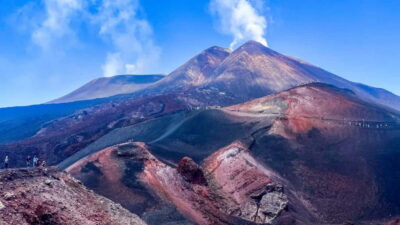
Mount Etna Trekking Trip off the Tourist Path
Read our review →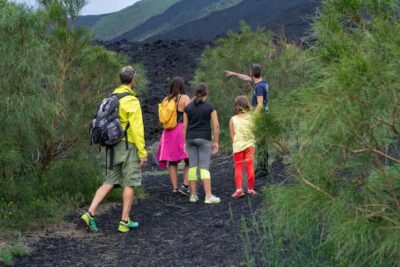
Browse the lists this tour appears in