
Reviewed · ORTIGIA TOURS
Syracuse: Highlights of Ortigia Guided Walking Tour
Ortigia packs Greek temples, Baroque stonework, Christian worship, and old myths into a small island center. This two-hour guided walk takes you from the Temple of Apollo to Piazza Duomo and finishes at the freshwater Arethusa Spring, giving you a useful first look at Syracuse without needing transport.
I like the clear route and the chance to hear the story behind places that can otherwise blur together. I also like the local character of the guiding, with guides such as Giuseppe, Michael, Letizia, Vincenzo, and Eva praised for explaining Syracuse with warmth and detail. The main drawback is that a combined English and Italian group can slow the pace, and the actual visit may run shorter than the advertised two hours.
In This Review
- Key points to know before you book
- Starting beside the Temple of Apollo
- Piazza Archimede and the Fountain of Diana
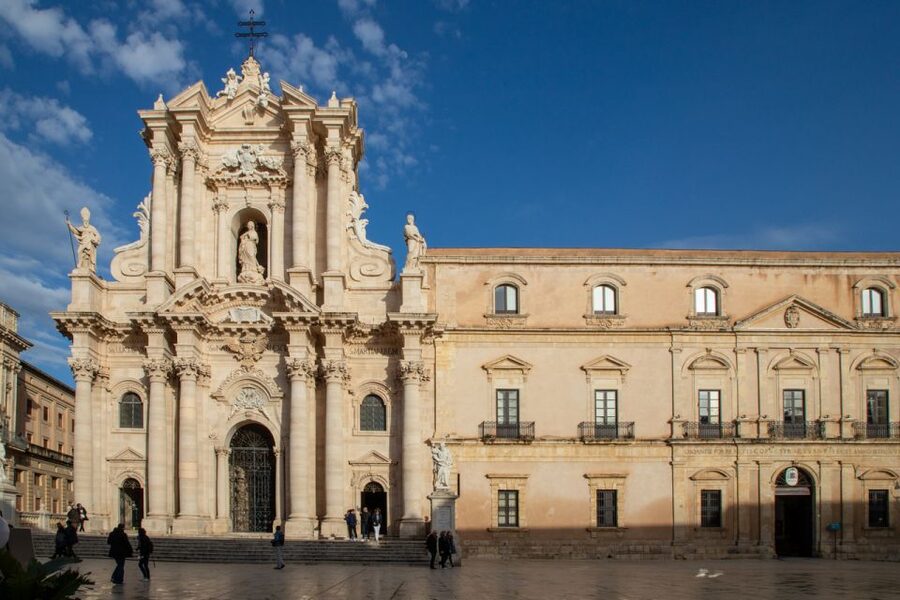
- Piazza Duomo and Syracuse Cathedral
- Arethusa Spring, where myth meets the sea
- What the guiding adds for $29
- The guides are the main reason to go
- Heat, timing, and the practical side of the walk
- Who will get the most from this Ortigia walk
- Should you book the Syracuse Ortigia tour?
- FAQ
- How much does the Ortigia walking tour cost?
- How long does the tour last?
- Where does the tour meet?
- How early should I arrive?
- Which languages are available?
- Can the tour run in English and Italian together?
- Is Syracuse Cathedral admission included?
- What sights are included in the walking route?
- Do I need a headset?
- Can I cancel the booking?
Key points to know before you book
- Ancient Greek starting point: The walk begins at the Temple of Apollo, described as the oldest Greek temple in the Western world.
- Four central Ortigia stops: You visit the Temple of Apollo, Piazza Archimede, Piazza Duomo and the Arethusa Spring.
- Cathedral entry costs extra: The walking tour includes a guide, but admission to Syracuse Cathedral is not included.
- English and Italian may be combined: Every explanation may be given twice, making the tour slower.
- Strong local guiding: Giuseppe, Michael, Letizia, Vincenzo, Eva, and other guides have been praised for history, architecture, myths, and helpful answers.
- Good summer tip: Arrive early, wear suitable clothing for religious sites, and bring a headset or buy a disposable one onsite for €1.
Starting beside the Temple of Apollo
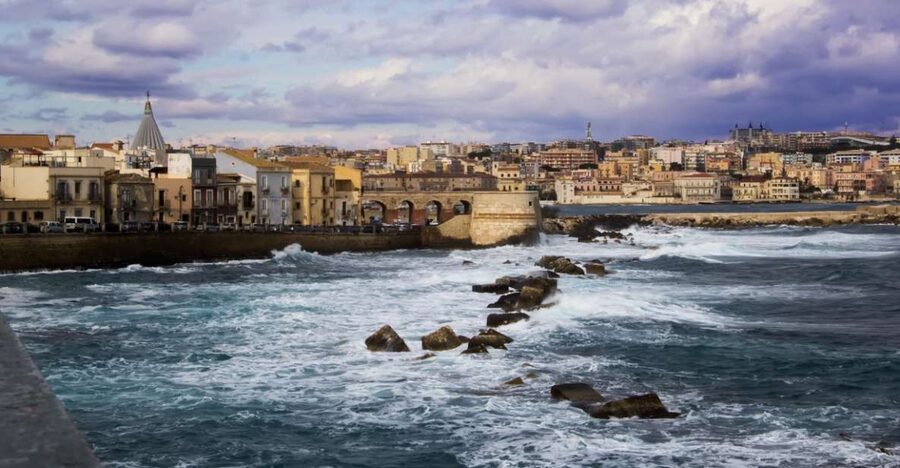
The meeting point is easy to identify if you know what to look for: Largo XXV Luglio, 7, under the pomegranate tree in front of the Temple of Apollo. The spot is at the roundabout where Corso Matteotti begins. Look for a guide wearing a badge, and arrive 10 minutes early.
That early arrival matters. The tour can wait for late participants, but delays have affected the start for some groups. A punctual group gets more time at the monuments and less time standing around in the heat.
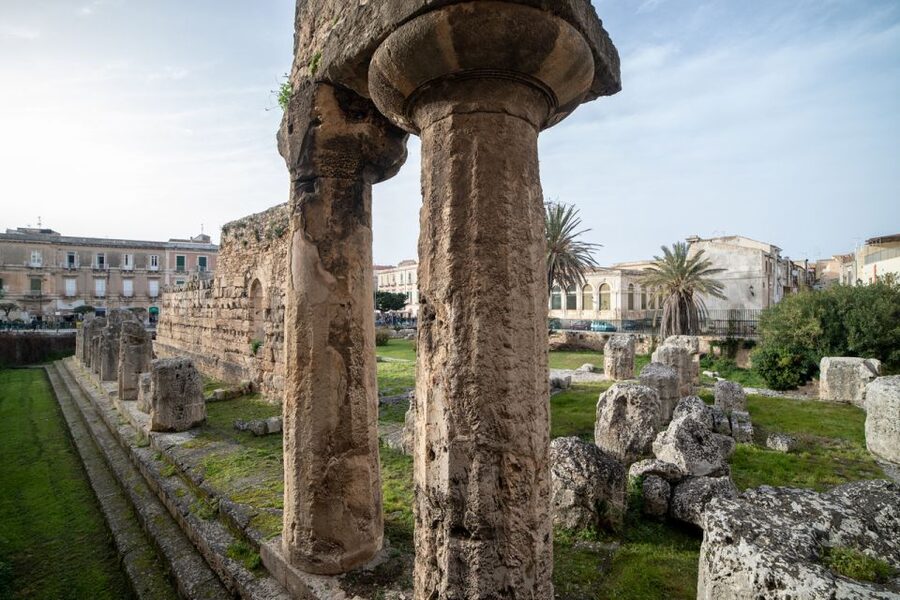
The Temple of Apollo is a fine place to begin because it immediately gives you the long view of Syracuse. You are not starting with a pretty square or a modern shopping street. You are looking at the remains of a Greek sanctuary in the middle of today’s city, with later layers of Ortigia built around it.
The guided portion here lasts about 30 minutes. I would pay attention to the guide’s explanation of how the ancient site fits into the later history of the island. The stones matter, but the real benefit of a guide is learning how Greek, Roman, Byzantine, medieval, and modern Syracuse occupy the same small area.
The temple is also a good orientation point. From here, your route heads into the pedestrian streets of Ortigia. You will be walking on city surfaces for the rest of the tour, so comfortable shoes are more useful than anything dressy.
More Walking Tours in Syracuse
- Syracuse: Street Food Walking Tour in Ortigia with Tastings
★ 4.9 · 293 reviews - Syracuse: Ortigia and Neapolis Guided Walking Tour
★ 4.7 · 205 reviews - Syracuse: Ortigia Private Walking Tour
★ 4.8 · 181 reviews
Piazza Archimede and the Fountain of Diana
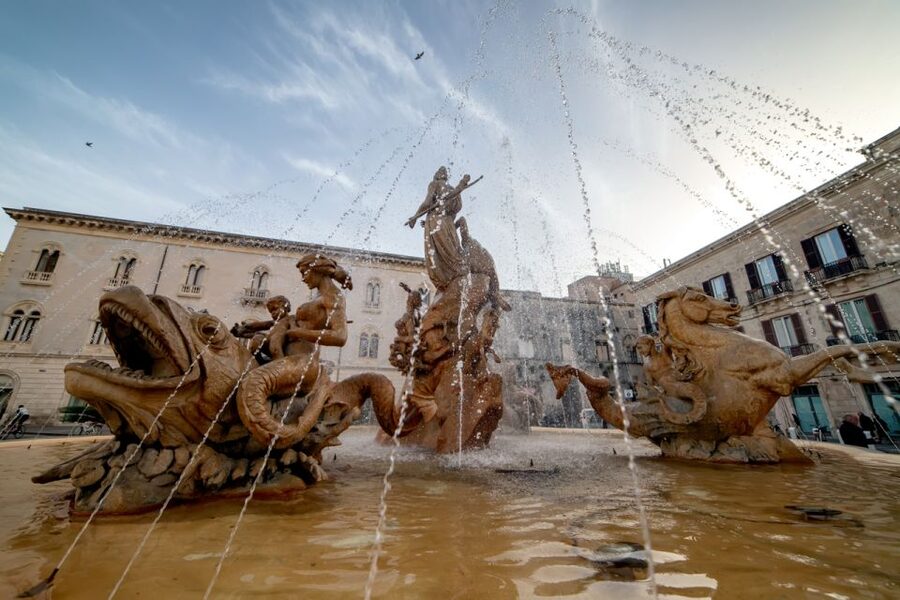
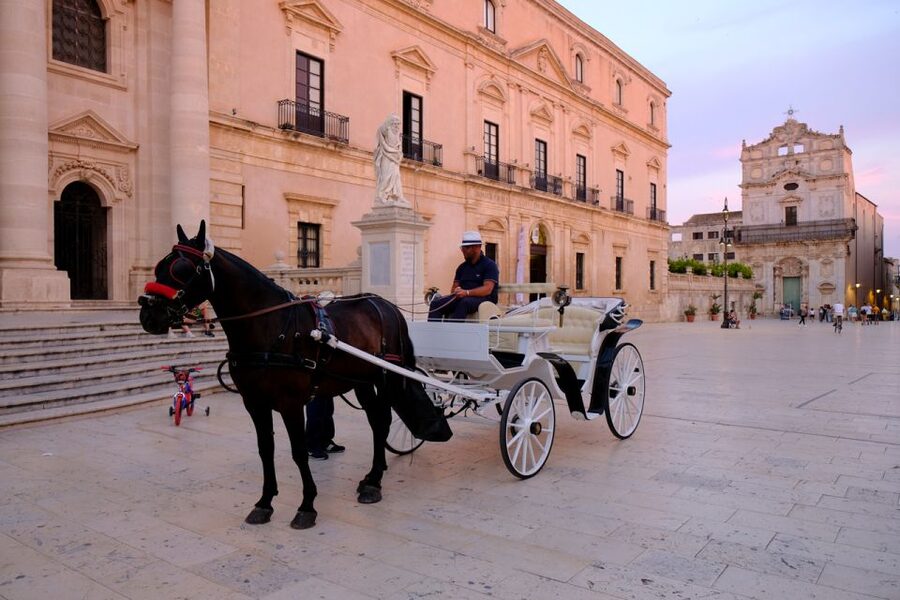
The next stop is Piazza Archimede, reached after about 20 minutes of guided walking. The square is named for Archimedes, Syracuse’s famous mathematician, and its centerpiece is the Fountain of Diana.
The fountain links local history with Greek mythology. Diana is the Roman name for Artemis, and the sculpture shows the goddess at the moment when Arethusa is transformed into a spring. That detail gives the tour a useful thread: the myth is not confined to one monument. It appears again at the final stop, the Arethusa Spring.
This is the kind of explanation that makes a short walking tour worthwhile. You can see the fountain on your own, but you may miss why Arethusa appears here, how Artemis relates to her, and why the same story keeps returning around Ortigia.
The stop also provides a break from the heavy ancient dates that can fill a city tour. One guide may focus more on local stories and architectural changes, while another may give a more date-filled account. If you prefer the human side of history, ask about the myths and daily life of old Syracuse. Guides have been especially appreciated when they answer questions rather than simply recite a script.
The main issue here is pace. If your group includes both English and Italian speakers, the guide may repeat each explanation. That arrangement is practical, but it can make a 20-minute stop feel longer and leave less time for independent looking.
Piazza Duomo and Syracuse Cathedral
From Piazza Archimede, the walk continues to Piazza Duomo. The scheduled guided time for this part is about 45 minutes, making it the longest stop on the route.
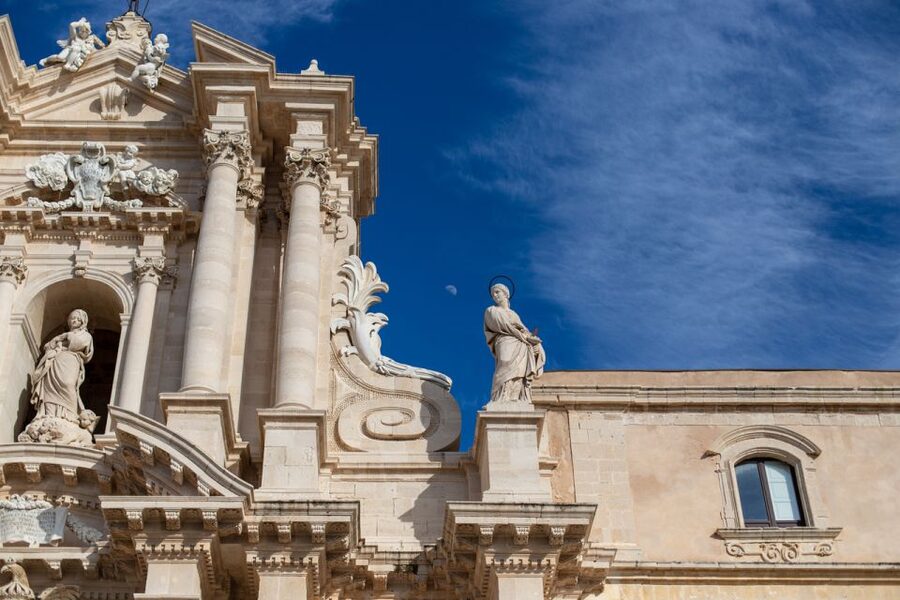
Piazza Duomo is one of Italy’s great urban spaces, and its appeal comes from the way pale marble, grand facades, and open space work together. The square also marks the place where the Greek founders from Corinth settled. That gives you an important link between the modern center and Syracuse’s earliest city story.
The tour includes a visit to the majestic Syracuse Cathedral, but the admission ticket is not included in the $29 price. You need to pay the entry fee onsite. The supplied information does not state the ticket price, so check locally rather than assuming it is covered.
The cathedral is especially interesting because the building carries more than one historical layer. Your guide can help you read its marble work and understand how a Christian church occupies a site tied to the city’s Greek beginnings. The value here is not just seeing an impressive interior. It is learning to notice how Syracuse changed while keeping older foundations and memories in view.
Dress properly for access to places of worship. The guidance specifically asks participants to respect a dress code, so avoid clothing that could prevent entry. Since monument visits may change with holidays or opening hours, the cathedral portion is not guaranteed to run in exactly the same way on every departure.
One point deserves attention: the schedule gives 45 minutes for this section, while one participant reported receiving only about 15 minutes inside the cathedral and a total tour of roughly an hour and a half. That may reflect opening times, group conditions, or a change to the route. I would book this walk for orientation and context, not as a substitute for a full cathedral visit.
Arethusa Spring, where myth meets the sea
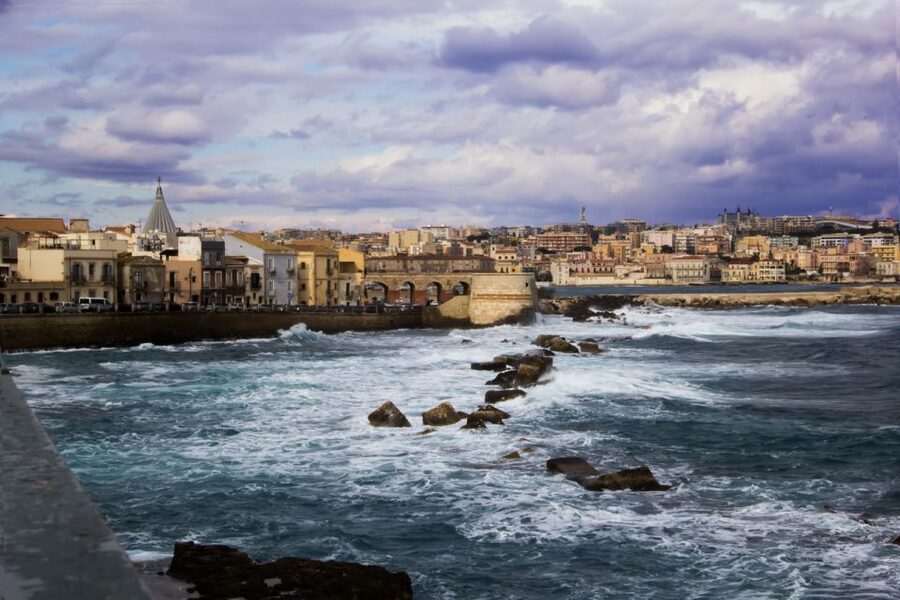
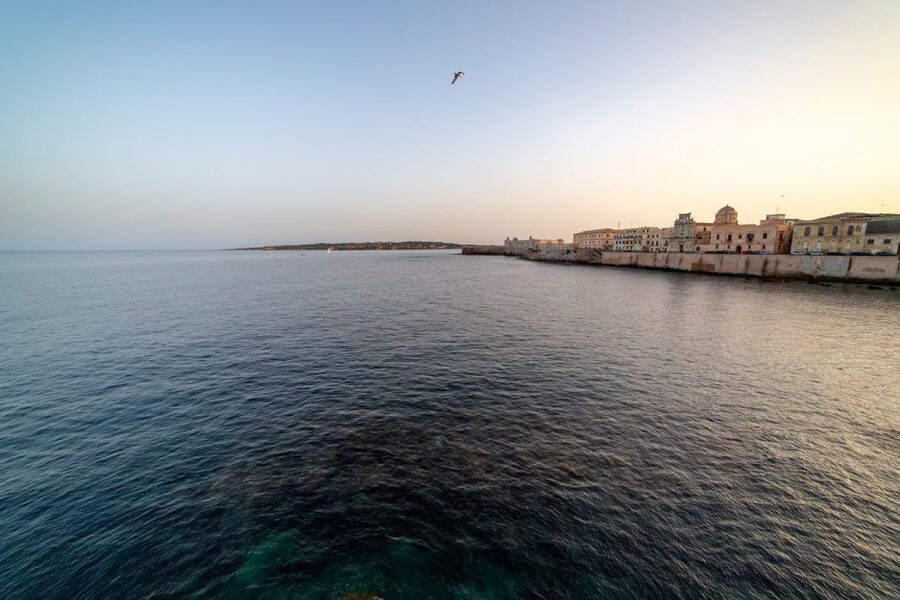
The final stop is the Arethusa Spring, about 40 minutes in the stated schedule. This is a freshwater spring just a few meters from the sea, a striking feature even before the mythology is explained.
The story connects Arethusa with Alphaeus. In the myth, Arethusa becomes a spring, and the water’s appearance beside the sea gives the tale a physical setting. You are not simply hearing a story in a museum. You are standing beside the place that keeps the legend alive in Syracuse’s public imagination.
This is a fitting end because it brings together the tour’s main themes: Greek myth, water, the sea, and Ortigia’s layered past. The spring also offers a change of mood after the formal architecture of Piazza Duomo. Instead of another large building, you finish with a small natural feature and a story that has shaped local identity.
The guide’s treatment of this stop can make a big difference. Ask about Arethusa and Alphaeus if the explanation moves quickly. Guides such as Michael and Vincenzo have been praised for answering questions and adding local lore, and this is the point where those details can turn a basic sightseeing route into a more personal introduction to Syracuse.
More Ortigia walks in Syracuse:
- Siracusa: Ortigia Boat Tour with Marine Grotto
★ 4.7 · 617 reviews - Siracusa: Ortigia & Sea Caves Speedboat Tour with Swim Stop
★ 4.9 · 499 reviews - Syracuse: Pillirina, Ortigia, and Sea Caves Tour by Boat
★ 4.6 · 348 reviews - Syracuse: Ortigia Island and Sea Caves Boat Tour with Drinks
★ 4.6 · 337 reviews
What the guiding adds for $29
At $29 per person, the tour is priced as a reasonably accessible introduction to central Ortigia. You are paying for a live guide, not for a long museum visit or a private vehicle. The route covers several of the island’s key sights in a compact period, which is useful on a short stay.
I see the best value in the explanations. The Temple of Apollo, Fountain of Diana, Piazza Duomo, Cathedral, and Arethusa Spring are all easy to locate. The guide helps you connect them, supplying the myths, city history, architecture, and local context that a map cannot provide.
The value is strongest if you are new to Syracuse. After the walk, you will have a mental map of Ortigia and a better sense of which places deserve a slower return visit. You may also pick up small local details, such as stories about notable people with homes near the Duomo, if your guide shares that kind of material.
The price does not cover food, drinks, or the Cathedral ticket. There is also a possible €1 charge for a disposable headset if you do not bring your own. Those are small costs, but they matter when comparing this walk with a more expensive tour that includes admission.
The guides are the main reason to go
The strongest part of this experience is the quality of the individual guide. Giuseppe has been described as friendly and well prepared. Michael, an American who has lived in Syracuse for 22 years, has been singled out for his local perspective and strong value. Letizia has been praised for covering both major sights and less obvious corners.
Vincenzo has received particular praise for explaining how Ortigia changed over time rather than giving only a surface account. Eva has also been warmly described as an excellent guide. These details suggest that the experience depends partly on who leads your departure, as is common with group walking tours.
You should expect a live guide in English or Italian, but do not assume that every English departure will be English only. The tour may be conducted in both languages at once. That can be helpful for mixed groups, but each explanation may be repeated, making the outing feel less brisk.
The equipment is not always perfect. One participant found the technical setup weak, and the tour allows you to bring your own headset or buy a disposable one onsite for €1. If hearing clearly matters to you, a personal headset is worth considering.
Heat, timing, and the practical side of the walk
Syracuse can be very hot in summer. A June departure took place during a 96-degree heatwave, and the guide made a point of keeping the group in the shade. That kind of care is valuable, but it cannot remove the basic fact that you will be outdoors for most of the tour.
An evening departure can be a smart choice when available. One participant liked the softer light and the way Ortigia looked at that hour. Starting later may also make the walk more comfortable, though you should check the available times for your date.
The advertised duration is two hours, but the schedule adds up to more than that when each guided segment is counted separately. Actual timing can vary. Combined languages, late arrivals, cathedral hours, holidays, and changes to monument access may all affect the route.
Arrive 10 minutes early, bring water, and wear comfortable shoes. Dress in a way that allows entry to religious sites. The meeting point is outdoors, so do not plan to arrive at the last second and expect to find the group instantly.
Who will get the most from this Ortigia walk
I would recommend this tour to first-time visitors who want a clear introduction before exploring independently. It also fits well into a short Syracuse stay because the route covers the historic center without requiring a bus or taxi.
It suits anyone who enjoys mythology, city history, and architecture in equal measure. The Arethusa story gives the walk a memorable thread, while Piazza Duomo and the cathedral provide the visual centerpiece.
Families and mixed-age groups may appreciate the short route and the variety of stops, though the heat and repeated bilingual explanations could test patience. If you have limited mobility, the supplied information does not describe the walking surfaces or accessibility arrangements, so you should ask the provider before booking.
I would choose something else if you want extensive time inside Syracuse Cathedral, a private guide, or a tightly timed two-hour visit with no language repetition. This is a group introduction, and its success depends on the guide, the group’s punctuality, and monument opening hours.
Should you book the Syracuse Ortigia tour?
Book it if you want a friendly, history-focused introduction to Ortigia for $29, especially early in your stay. The Temple of Apollo, Piazza Archimede, Piazza Duomo, and Arethusa Spring make a sensible route, and a strong guide can connect Greek myth, local history, and the city’s architecture in a way that adds real value.
Go in with realistic expectations. Cathedral admission costs extra, the route may be shortened or adjusted, and English and Italian may be combined. Arrive early, dress for the church, bring water and a headset if useful, and consider an evening time in hot weather.
FAQ
How much does the Ortigia walking tour cost?
The tour costs $29 per person.
How long does the tour last?
The advertised duration is two hours, though the actual timing can vary. One reported departure lasted about one and a half hours.
Where does the tour meet?
Meet at Largo XXV Luglio, 7, under the pomegranate tree in front of the Temple of Apollo, at the roundabout where Corso Matteotti starts.
How early should I arrive?
Arrive 10 minutes before the scheduled starting time.
Which languages are available?
The live guide is available in English and Italian.
Can the tour run in English and Italian together?
Yes. The tour may be conducted simultaneously in both languages, which can make the pace slower because explanations are repeated.
Is Syracuse Cathedral admission included?
No. Entry to Syracuse Cathedral is not included, and tickets must be paid for onsite.
What sights are included in the walking route?
The route includes the Temple of Apollo, Piazza Archimede and the Fountain of Diana, Piazza Duomo and Syracuse Cathedral, and the Arethusa Spring.
Do I need a headset?
No, but you may use your own headset. A disposable headset can be purchased onsite for €1.
Can I cancel the booking?
Yes. You can cancel up to 24 hours in advance for a full refund. You can also reserve now and pay later.
Just added around Syracuse
- Sicily Boats Avola: Plemmirio boat tour 4 people 4 hours★ 5.0 · 3 reviews
- From Syracuse: Private Taormina and Castelmola tour with lunch★ 5.0 · 3 reviews
- Siracusa Iris Photography Experience★ 5.0 · 3 reviews
- Siracusa E-bike rental service★ 5.0 · 3 reviews
- Tour Ragusa Ibla, Modica and Noto, from Syracuse★ 5.0 · 3 reviews
- Cyclops Tour★ 4.5 · 3 reviews
- Archaeological Syracuse: Neapolis Park private tour★ 5.0 · 3 reviews
- Tour of Syracuse by Ape Calessino★ 3.0 · 3 reviews
Ortigia Tours, compared.
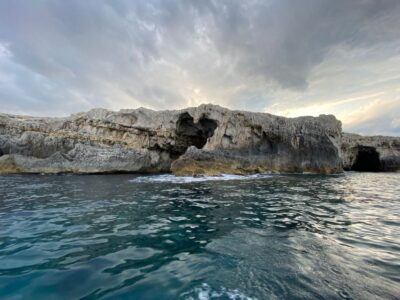
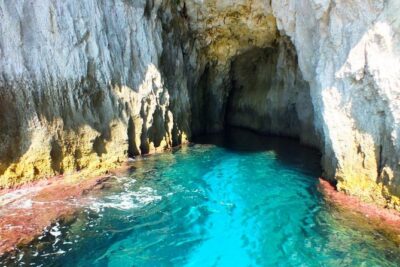
Tour of the island of Ortigia and exploration of sea caves with baths.
Read our review →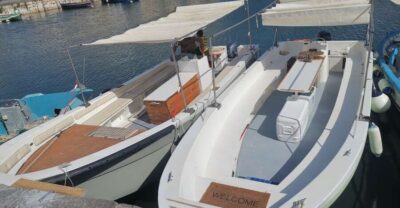
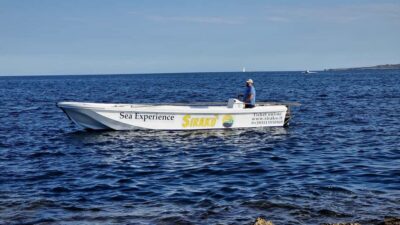
Ortigia & Sea Caves Speedboat Tour with Swim Stop
Read our review →

Ortigia Island and Sea Caves Boat Tour with Drinks
Read our review →Browse the lists this tour appears in