
Reviewed · SICILIAN SALT PAN TOURS
Guided tour of the Marsala Salt Pans and salt harvesting
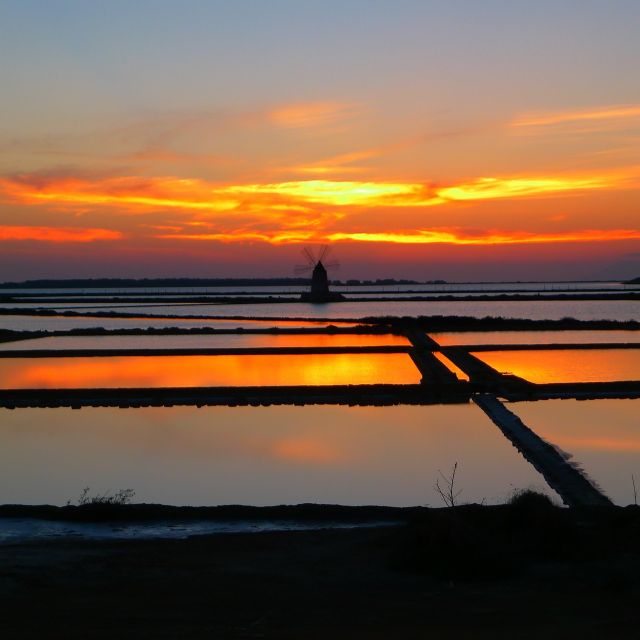
Marsala’s salt pans turn ordinary seawater into a striking scene of shallow tanks, narrow canals, old windmills, and bright piles of salt. I like that this is not just a photo stop: you visit the Infersa Mill, then step outside to take part in salt harvesting. I also like the tasting of different salt types, including hand-picked whole salt and fior di sale. The main drawback is the short one-hour length, which leaves little time for a slow visit or much independent wandering.
The tour is a good fit if you want a compact cultural stop with real hands-on work. Guides speak Italian and English, and one guide named Antonetta has been praised for her friendly, attentive approach. Bring your shoe size when booking so the right boots are ready, and keep in mind that bad weather can change the plan.
In This Review
- Key points at a glance
- Why Marsala’s salt pans matter
- Starting inside the Infersa Mill
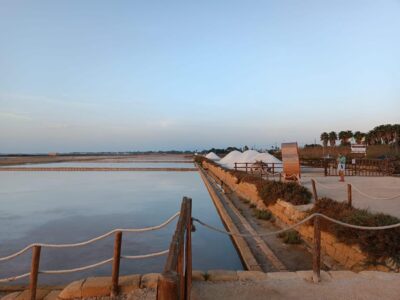
- Walking among tanks, canals, and windmills
- Taking part in the salt harvest
- Understanding whole salt and fior di sale
- Salt beyond the kitchen
- The guide makes a short tour work
- Who will get the most from this hour?
- Price, timing, and practical details
- Should you book the Marsala salt pans tour?
- FAQ
- Where does the Marsala salt pans tour meet?
- How long does the tour last?
- What languages are offered?
- Are boots included?
- Is salt harvesting part of the tour?
- Are food and drinks included?
Key points at a glance
- Sixteenth-century salt tradition: Marsala’s salt pans have served as a major local resource since the 1500s.
- Infersa Mill visit: A multimedia presentation explains the old methods used to produce sea salt.
- Hands-on harvesting: You can gather salt yourself and handle both salt crystals and fior di sale when conditions permit.
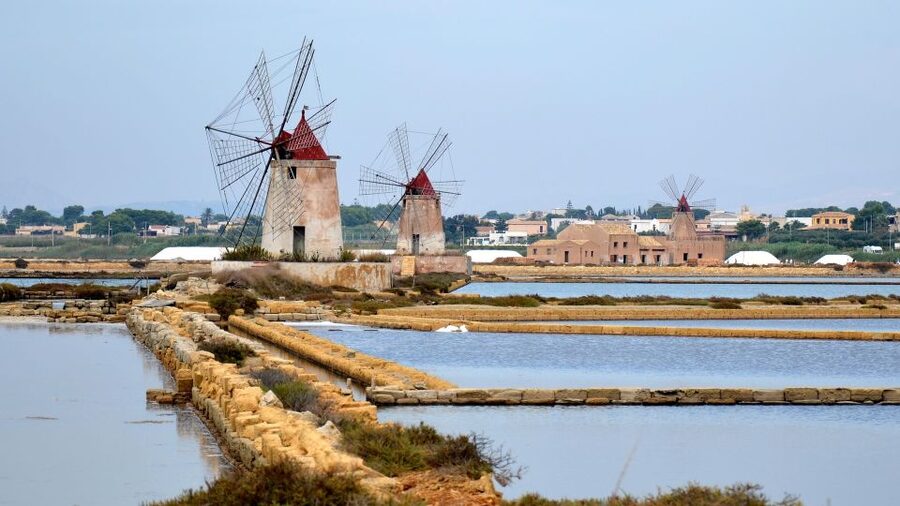
- Distinctive scenery: Shallow tanks, small canals, windmills, and white salt heaps create one of Marsala’s most recognizable views.
- Food and cosmetics: You learn how salt is used in cooking and in skin-care products.
- Simple practical setup: The one-hour tour includes a guide and boots, while food and drinks are not included.
Why Marsala’s salt pans matter
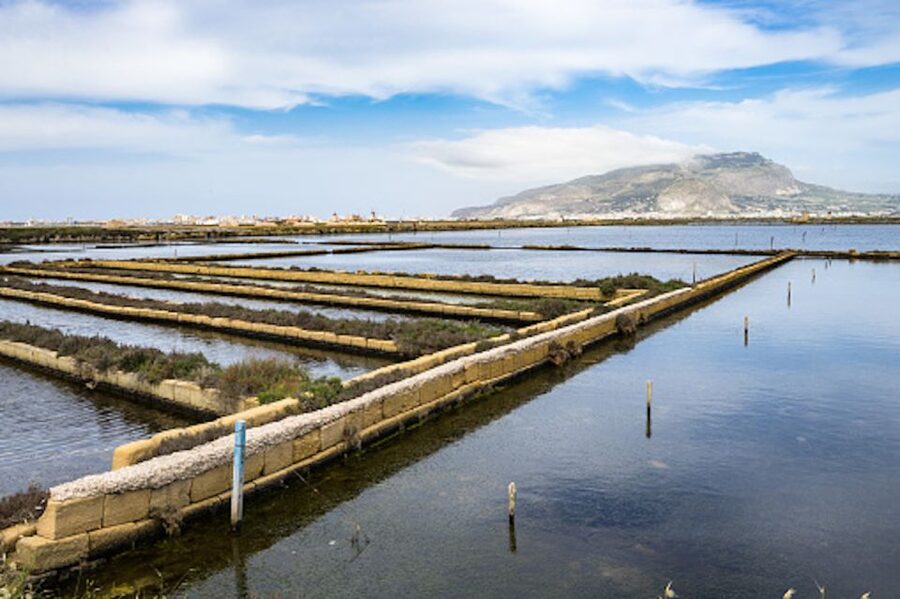
The salt pans are more than a scenic patch of water beside Marsala. They are part of the identity of the area, with salt production reaching back to the 1500s. The work shaped the local setting, leaving behind a carefully arranged system of tanks, canals, windmills, and storage piles.
I find that context important because the view can seem abstract at first. You see flat water and white mounds, but the guided explanation helps connect those features to a working trade. The mill and the harvesting activity give the place a human story, not just a pretty backdrop.
The Nature Reserve of the Stagnone Islands of Marsala adds another reason to visit. You are not touring a factory floor or a modern industrial plant. Instead, the salt works sit within a broad natural setting where water, wind, and simple tools remain central to the process.
The setting is especially appealing if you want a break from churches, museums, and crowded town streets. It is open, quiet, and visually unusual. At the same time, you should not expect a long nature walk or a full half-day excursion. The scheduled visit lasts one hour, so the guide keeps the pace moving.
More salt pan visits near Marsala:
- Marsala: Guided Salt Pans Walk Tour with Windmill Visit
★ 4.7 · 162 reviews - Marsala: Guided tour of the Genna Salt Pans
★ 4.4 · 97 reviews - Marsala: Pink Salt Pans Wellness
★ 4.5 · 31 reviews
Starting inside the Infersa Mill
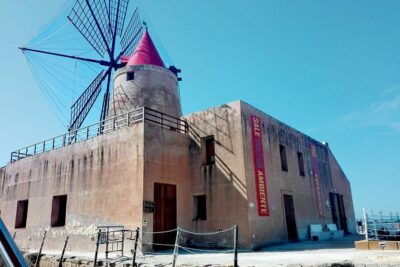
Your guide waits inside the mill, which makes the meeting point easy to understand. The visit begins with the Infersa Mill and its multimedia presentation, where you learn about the older methods used to make sea salt.
This part gives the tour its backbone. Without it, gathering salt could feel like a quick novelty. With the mill visit first, you understand why the tanks and windmills are there and how the salt fits into Marsala’s past.
The presentation is a useful choice for a short tour because it can explain a lot in a limited amount of time. One Italian participant described the videos as being of a very high standard, similar to a well-produced science program. That matters if you prefer clear visual explanations instead of a long spoken lecture.
You will also see different kinds of salt inside the mill. The selection includes whole salt, picked strictly by hand, and fior di sale, a delicate salt gathered from the surface. Flavored versions are also part of the presentation and tasting.
The mill visit should suit families and first-time visitors because it gives you something concrete to look at while the guide explains the process. Still, the multimedia section means part of the hour is indoors. If your main goal is photography outside, remember that the tour divides its time between explanation and the salt pans.
Walking among tanks, canals, and windmills
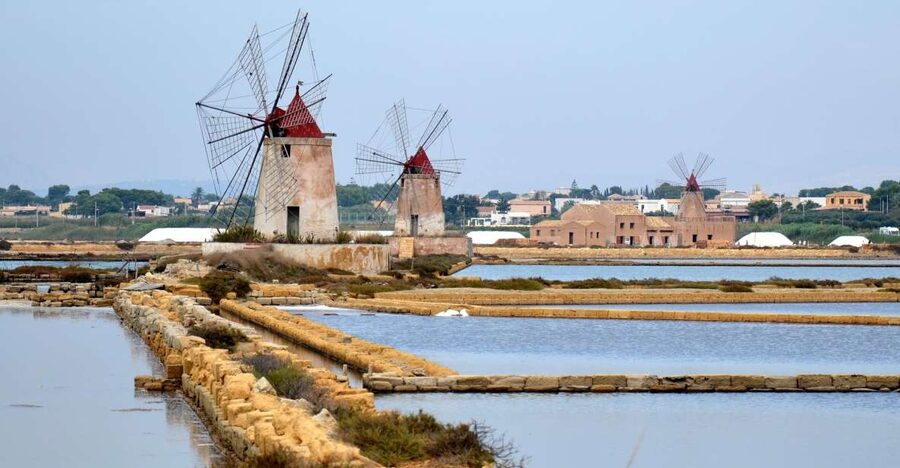
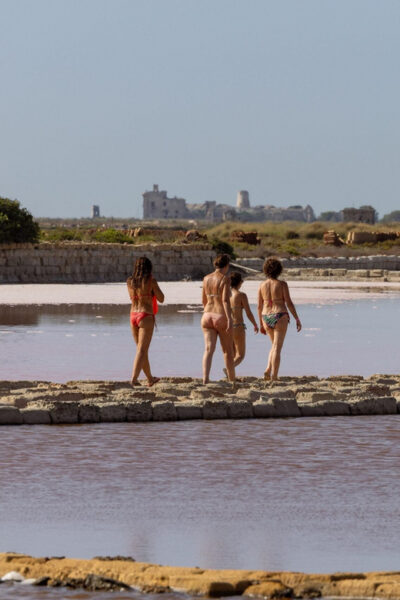
After the mill, you continue along a nature trail through the salt works. The route takes you past the features that give the area its character: shallow tanks, narrow canals, windmills, and piles of harvested salt.
I like this part because the details are close together, yet each one has a clear role. The tanks show where seawater is processed. The canals link the working areas. The windmills add a strong visual reminder of the older methods. The salt heaps make the end product easy to understand because you can see it gathered in large quantities.
The scenery is also the tour’s best chance for photographs. A reported view from the windmill terrace was described as fantastic, so look for a raised viewpoint during your visit. The exact view can depend on weather and access, but the combination of water, white salt, and windmill structures gives you plenty to notice.
You should wear footwear that can handle wet or salty ground. Boots are included, which is helpful and removes one common worry about walking around the pans. You must provide your shoe size at booking so the correct pair can be prepared.
The trail is described as unique, but the activity is only one hour long. I would treat it as a guided route with stops, not as a long hike. The value comes from seeing a working cultural site and understanding its parts, rather than covering a large distance.
Taking part in the salt harvest
The most memorable portion is the chance to help with the salt harvest. Under suitable conditions, the guide lets you gather salt yourself, bringing the process down to a physical level. You do not just hear about sea salt. You handle the crystals and take part in the work.
That hands-on element has broad appeal. Children can see that salt is collected rather than simply appearing in a supermarket shaker. Adults get a better sense of the effort behind a product that usually feels ordinary. One family-oriented comment described the activity as great fun for children and adults alike.
You may handle both regular salt crystals and fior di sale. The latter is treated as a particularly delicate product, and its collection helps show why different salt varieties have different textures and uses.
A particularly nice touch is the chance to leave with salt you collected yourself. The information provided does not specify the exact amount or packaging, so do not book this expecting a large souvenir. Think of it as a small, personal reminder of the visit.
The harvest can be affected by the weather. If conditions are poor, the reservation may be changed or modified. That is worth keeping in mind if you are planning the tour around a tight cruise stop or a fixed afternoon schedule. The outdoor portion is central to the experience, so weather has a real effect on what you can do.
A few more Marsala tours and experiences worth weighing up
- Mount Etna: Guided Volcano Summit Hiking Tour with Cable Car
★ 4.7 · 3,784 reviews - Taormina: Ancient Theater Skip-the-Line Ticket & Audio Guide
★ 4.5 · 1,701 reviews - Palermo: Teatro Massimo Opera House Guided Tour
★ 4.5 · 1,573 reviews - Etna Volcano: South Side Guided Summit Hike
★ 4.7 · 1,545 reviews
Understanding whole salt and fior di sale
Salt tasting adds a food angle to the visit. You can discover several varieties and compare their character, including whole salt and fior di sale. The activity explains how salt is used in cooking rather than treating all salt as the same product.
I appreciate this distinction because it gives the tasting a purpose. You are not just buying a souvenir with a local label. You are learning how harvesting methods and presentation affect the salt you use at home.
The hand-picked whole salt is one of the more traditional products shown at the mill. Fior di sale is presented as a flavored option in the supplied information, and the tasting lets you see how local producers use different types in the kitchen.
The exact tasting selection can vary, so I would not expect a formal meal or a large food spread. Food and drinks are not included. This is a small sampling connected to the tour, not a replacement for lunch.
If you care about regional food, the tasting improves the value of the visit. At $41 per person, the tour costs more than a simple look at the salt pans from the roadside, but you are paying for the guide, mill entry, multimedia explanation, boots, and participation in the harvest. The price makes the most sense if you value access and interpretation rather than scenery alone.
Salt beyond the kitchen
The guide also explains how salt is used in cosmetics. Its moisturizing power is connected to products intended to support skin well-being. This part broadens the subject and shows how the local product reaches beyond cooking.
You should keep your expectations realistic. This is an introduction to cosmetic uses, not a spa treatment or a beauty workshop. Still, it is a useful detail, particularly if you are interested in natural ingredients and regional products.
I like the contrast between the two uses. In one moment, you are thinking about seasoning food. In the next, you are considering salt as part of skin-care products. That makes the tour more rounded without adding much time to the schedule.
The mill is also the place to inspect the various salts more closely. If you plan to purchase something, this is where you can compare products and learn what makes each type different. The supplied details do not confirm what purchases are available or their prices, so treat shopping as an optional extra rather than part of the paid tour.
The guide makes a short tour work
A one-hour tour depends heavily on the guide. There is not enough time for a slow, self-guided visit, so clear explanations and good pacing matter.
The activity is offered in Italian and English. That makes it practical for international visitors, though you should choose the language you need when checking availability. One guide named Antonetta has been singled out for being warm, attentive, and willing to involve participants in the harvest. If she leads your visit, you can expect a personal touch, though guide assignments are not guaranteed.
Several comments also praised the guide’s English and the amount learned during the hour. That matches the structure of the visit: the multimedia path handles the background, while the guide can focus on what you are seeing and doing.
The best guides on this kind of tour do not drown you in technical detail. They help you notice why one tank differs from another, what the windmills contribute, and how the salt reaches its final form. The reported experience points toward that practical style.
Because the tour is short, arrive ready to listen and take part. If you spend too long taking photographs at the first stop, you may have less time for the harvesting portion. The guide is there to keep the visit balanced.
Who will get the most from this hour?
I would recommend this tour to several types of visitors:
- Families: Children can wear the provided boots, handle salt, and take part in a real task rather than only watching.
- Food lovers: The tasting and explanation of salt varieties add a local flavor to the visit.
- Photographers: Windmills, canals, tanks, and salt piles create unusual images, especially from a raised viewpoint.
- Short-stay visitors: The one-hour duration fits neatly into a day of sightseeing around Marsala.
- Curious first-time visitors: The mill presentation gives you enough background to understand what you are seeing.
It may be less suitable if you want a long outdoor walk, a full meal, or a relaxed half-day visit. It is also not the best choice if bad weather would seriously disrupt your plans, since the outdoor harvest can change with conditions.
The tour works particularly well as a focused stop near other Marsala activities. You get a clear subject, a short route, and a practical activity. Just remember that food and drinks are not part of the $41 price.
Price, timing, and practical details
At $41 per person, this is not the cheapest way to view the salt pans. You could perhaps see parts of the area without a guide, but that would not include the Infersa Mill visit, the multimedia path, boots, or the chance to take part in harvesting.
I see the value in the combination. The tour joins scenery, local history, a small tasting, and hands-on work in one compact package. If you only want a quick photograph of a windmill, the price may feel high. If you want to understand the salt trade and handle the product yourself, it is more reasonable.
The official duration is one hour, with starting times available according to the date you choose. The guide meets you inside the mill, and the host or greeter can speak Italian or English.
Reserve and pay later is available, which lets you hold a place without paying immediately. You can also cancel up to 24 hours before the start for a full refund. These policies are useful if your route through Sicily may change.
Bring your shoe size at booking time. Boots are included, but the right size has to be prepared in advance. Food and drinks are not included, so plan your meal separately. Weather may lead to changes or modifications, particularly because the salt harvest takes place outdoors.
Should you book the Marsala salt pans tour?
Book it if you want a short, well-focused introduction to one of Marsala’s defining local trades. The best reasons are the hands-on salt harvest, the Infersa Mill presentation, the chance to compare whole salt and fior di sale, and the unusual views of tanks, canals, windmills, and salt heaps.
I would be comfortable recommending it to families, food-minded visitors, and anyone with only an hour to spare. The 4.7 rating from 60 bookings fits the experience described: the strongest points are the friendly guides, clear English explanations, good multimedia material, and the chance to collect salt yourself.
Skip it if you need a long walk, a meal, or a guaranteed outdoor program in uncertain weather. For everyone else, $41 buys more than a look at a scenic site. It gives you the story behind the salt, the tools to understand what you are seeing, and a small task you can remember after you leave.
FAQ
Where does the Marsala salt pans tour meet?
Your guide waits inside the Infersa Mill, which is the starting point for the visit.
How long does the tour last?
The guided experience lasts one hour. Starting times depend on availability.
What languages are offered?
The tour is available in Italian and English.
Are boots included?
Yes. Boots are included, and you should provide your shoe size when booking so the correct footwear can be prepared.
Is salt harvesting part of the tour?
Yes. When conditions allow, you can take part in gathering salt and handle different types, including salt crystals and fior di sale.
Are food and drinks included?
No. Food and drinks are not included in the price.
Just added around Marsala
- Marsala: Kayak Tour in Stagnone di Marsala Nature Reserve★ 5.0 · 4 reviews
- Marsala: Market Tour & Meal at a Local’s Home★ 5.0 · 5 reviews
- Marsala Wellness on the Isola Lunga Salt Pans with Aperitif★ 4.7 · 5 reviews
- Salt tub scrub in Marsala★ 3.7 · 6 reviews
- Isola Lunga Marsala★ 3.1 · 7 reviews
- Erice and Segesta Multi-Language Tour from Palermo★ 4.7 · 9 reviews
- Marsala: Favignana dinghy tour with wine tasting★ 5.0 · 9 reviews
- Aperitif in a old tub of salt in Marsala★ 4.3 · 12 reviews
Sicilian Salt Pan Tours, compared.
Segesta, Erice and Salt Pans Full-Day Excursion from Palermo
Read our review →
Guided tour of the salt pans of Trapani and the Salt Museum
Read our review →
Browse the lists this tour appears in