
Reviewed · DRINKING TOURS
Chocolatier for a day: raw bean to bar chocolate in Modica
Modica’s chocolate tradition becomes far more interesting when you stop being a shopper and start making the chocolate yourself. In this three-hour workshop, you select cacao beans, roast them, grind them on stone, taste the changes, and finish with a bar of your own.
I like the hands-on process and the chance to taste cacao at every stage. I also like the warm, personal instruction from Giuseppe and Vincenzo, plus the fact that your finished bar is made and packaged by you.
The main drawback is practical: instruction is in Italian, and a foreign language interpreter is not included. The small group, capped at 10 people, helps, but this is worth considering before you book.
In This Review
- Key points at a glance
- Why this Modica workshop is different
- Entering the artisan laboratory
- Choosing and roasting the cacao beans
- From roasted bean to cacao mass
- Tasting cacao at every stage
- Creating and packaging your own chocolate bar
- What the guides add to the experience
- Is $94 a fair price?
- Who should book this experience?
- Timing, group size, and useful preparation
- Should you book the Modica chocolatier workshop?
- FAQ
- How long does the chocolatier workshop last?
- How much does the experience cost?
- Is the workshop taught in English?
- What will I make during the workshop?
- Is chocolate tasting included?
- Is the workshop suitable for children?
- What should I bring to the workshop?
Key points at a glance
- Follow cacao from raw bean to finished bar: You take part in selection, roasting, grinding, refining, and molding.
- Taste the transformation: Cacao changes noticeably as it moves through each stage, and guided tastings are built into the workshop.
- Learn Modica’s cold chocolate tradition: The process connects your work to the local style of chocolate making.
- Make a bar your own: Choose ingredients, create the chocolate, then package it to take home.
- Meet local chocolate makers: Giuseppe brings detailed instruction, while Vincenzo adds a friendly, welcoming touch.
- Small and accessible: The group is limited to 10 participants, and the laboratory is wheelchair accessible.
Why this Modica workshop is different
Many chocolate activities begin with a finished piece and work backward through a talk or tasting. This one starts with cacao beans. That simple change gives you a much clearer sense of how much work sits behind a small bar of artisan chocolate.
You do not just watch a chocolatier temper, pour, and decorate. You handle the early ingredients, smell the beans as they roast, and see how a hard, dry bean becomes a usable chocolate mixture. The result is less like a standard tasting and more like a compact food workshop.
That matters in Modica, where chocolate is tied to a distinctive local method. The workshop explains the city’s traditional cold chocolate style, a method associated with a grainier texture and a more direct expression of cacao and sugar. You get context while working, rather than hearing a long history lecture before the practical part begins.
I also like the scale. With no more than 10 participants, the group should be small enough for the master chocolatier to guide individual tasks. It is not a private class, but it has a more personal feel than a large demonstration.
More Noto, Modica and Scicli days from Ragusa:
- 8-hour tour of the Baroque cities Noto-Modica-Ragusa-Ortigia
★ 4.9 · 18 reviews - Ragusa, Noto and Chocolate Tasting – Day tour from Siracusa
★ 4.7 · 7 reviews - Scicli – Bonelli Patané Palace: exclusive private tour
★ 4.6 · 4 reviews
Entering the artisan laboratory
The experience takes place in an artisan laboratory in Modica. You are supplied with a disposable gown, cap, and gloves, along with the equipment and raw materials needed for the chocolate-making session.
The clothing is not glamorous, but it signals that this is a working food space rather than a polished museum exhibit. The laboratory has been described as clean and easy to find, two small details that make a difference when you are fitting the workshop into a day of sightseeing.
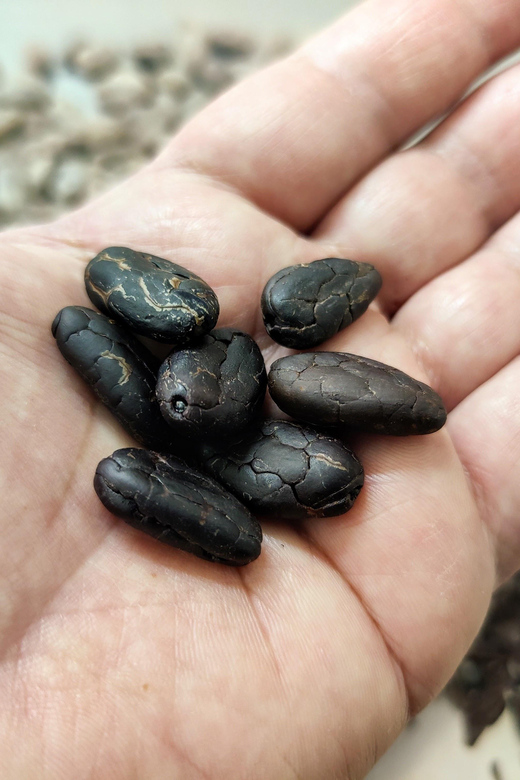
The activity begins with an introduction to cacao origins and varieties. This gives you a useful starting point: chocolate is not one uniform ingredient, and the bean’s origin and type affect aroma and flavor. You then move from general background to the first practical decision, selecting the cacao beans.
That choice gives the session an immediate sense of purpose. You are not simply handed a prepared mixture. You begin with the raw material and take part in deciding what goes into your chocolate.
Instruction is in Italian. If you understand Italian, you will get the full benefit of the explanations and conversation. If you do not, ask about language support before booking, since a foreign language interpreter is not included in the standard experience.
Choosing and roasting the cacao beans
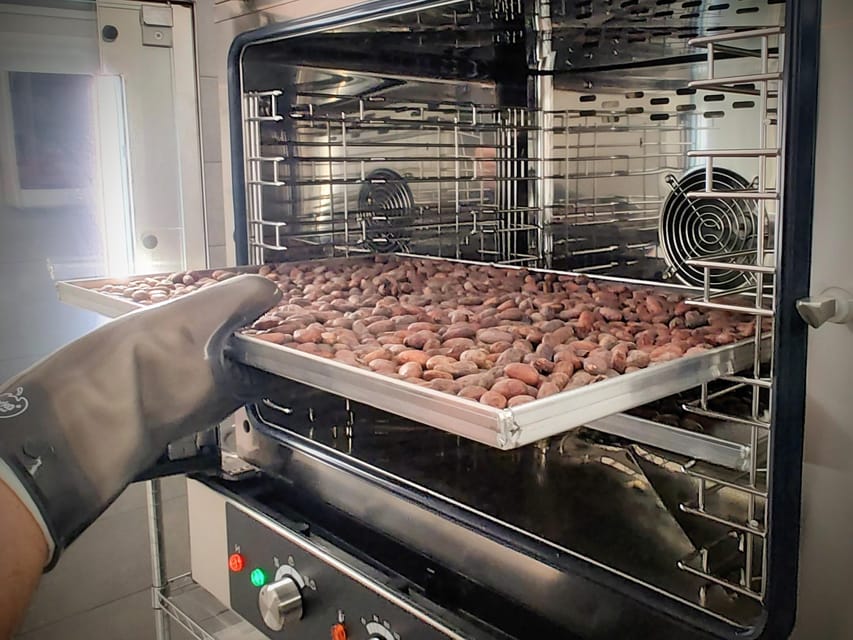
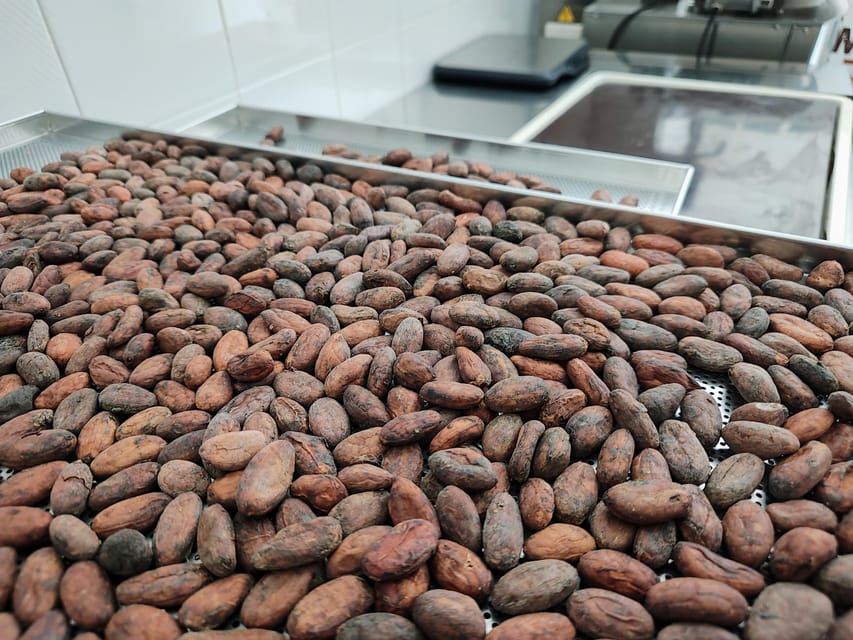
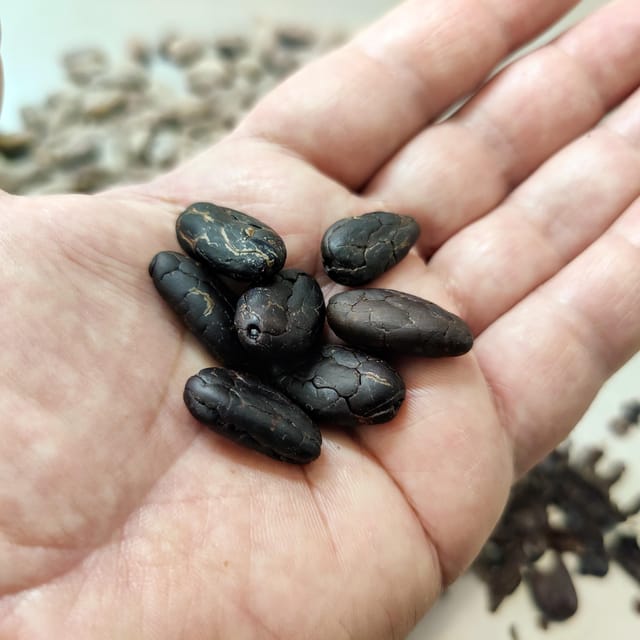
Bean selection is followed by roasting, one of the most appealing parts for the senses. As the beans heat, their aromas develop. You can smell the change and connect it to what you later taste in the chocolate.
This step is especially useful because it explains why chocolate flavor is not present in finished form from the start. Raw cacao beans have their own character, but roasting helps bring out the familiar chocolate aromas. You get to observe that change instead of treating roasting as an invisible factory process.
The workshop keeps you close to the work. You are guided through the equipment and materials, so you do not need previous chocolate-making experience. The instruction is designed for curious beginners, not for people arriving with professional pastry skills.
For families, roasting is one part of a longer sequence that keeps the activity moving. A six-year-old participant was able to take part in touching, mixing, and molding, with the guides keeping the session engaging. Still, parents should remember that this is a food laboratory, not a play area. Younger children will need close supervision, and allergies or intolerances should be reported in advance so the workshop can be adapted.
From roasted bean to cacao mass
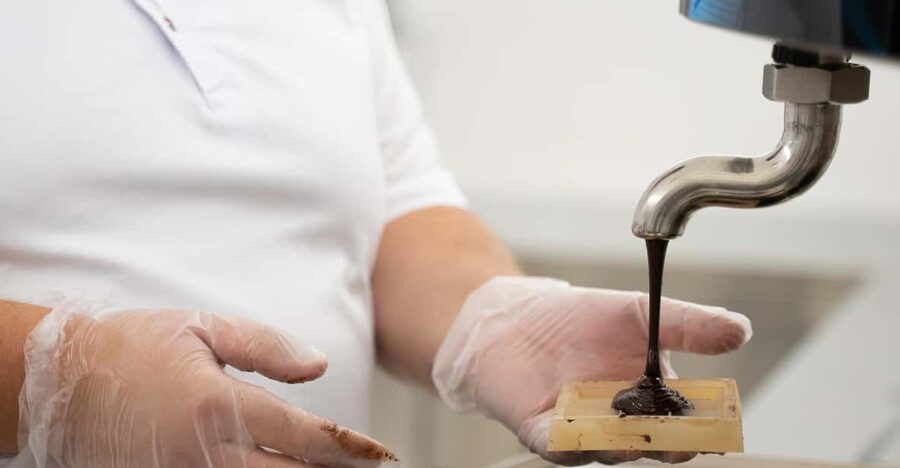
After roasting, the cacao is ground and refined. The workshop uses traditional stone grinding, which makes this stage more tangible than a quick explanation beside a modern machine.
You see the beans slowly become cacao mass. The texture changes, the aroma develops, and the ingredient begins to resemble the chocolate you know. This slower process is one of the best reasons to choose the class. It helps you understand why small-batch chocolate has a different character from a mass-produced bar.
The guides explain what is happening while you work. Giuseppe is particularly associated with the detailed side of the teaching, explaining the process and the traditional Modica method with clear passion. Vincenzo is described as warm and especially good with children, making the practical work feel relaxed.
The stone grinding also gives the workshop a strong connection to craft. You are not only learning a recipe. You are seeing how a traditional technique shapes the final product. The process may take patience, and the three-hour format leaves room for that slower pace.
More dessert stops around Ragusa:
- Modica private tour: the chocolate town in Sicily
★ 5.0 · 3 reviews - Ragusa, Noto and Chocolate Tasting – Day tour from Siracusa
★ 5.0 · 9 reviews - Become a chocolatier for a day, in Modica raw chocolate
★ 5.0 · 8 reviews
Tasting cacao at every stage
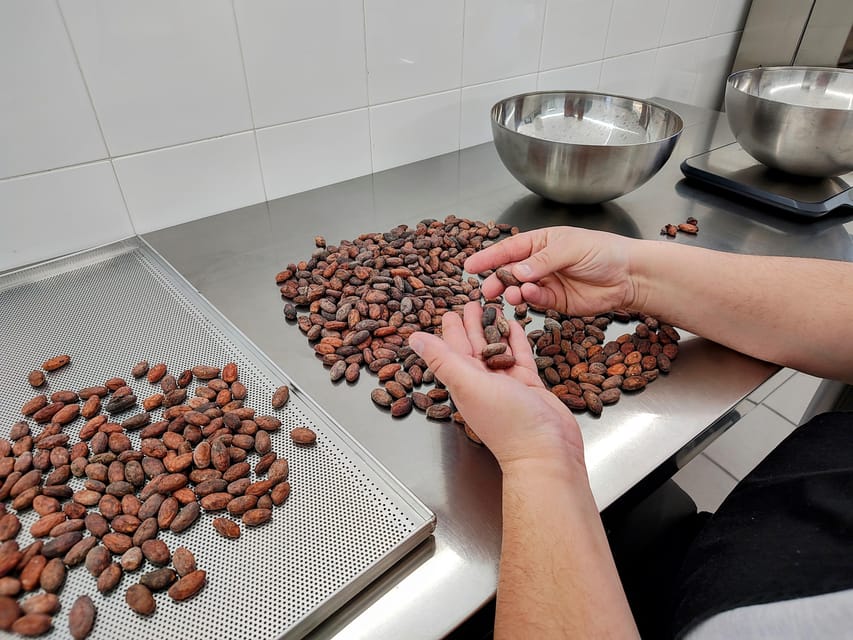
Tasting is built into the whole session, not saved for the end. You taste cacao and chocolate as the ingredients move through selection, roasting, grinding, and refining.
This is where the workshop becomes more than a pleasant food activity. You can compare raw cacao with roasted cacao, then notice how grinding changes the texture and flavor. Each sample helps you connect a physical step with a taste.
I like this approach because it gives you a vocabulary for chocolate without turning the class into a formal tasting exam. You do not need to know how to identify obscure flavor notes. You simply pay attention to what changes.
The tastings are also a practical reason to mention allergies and intolerances before arrival. The organizers ask you to provide that information so the activity can be adjusted. Food is not allowed during the workshop, and pets are not allowed in the laboratory.
Do not expect a huge dessert buffet. The point is comparison, not quantity. You will sample different forms of cacao and chocolate as part of the making process, then create one personal bar at the end.
Creating and packaging your own chocolate bar
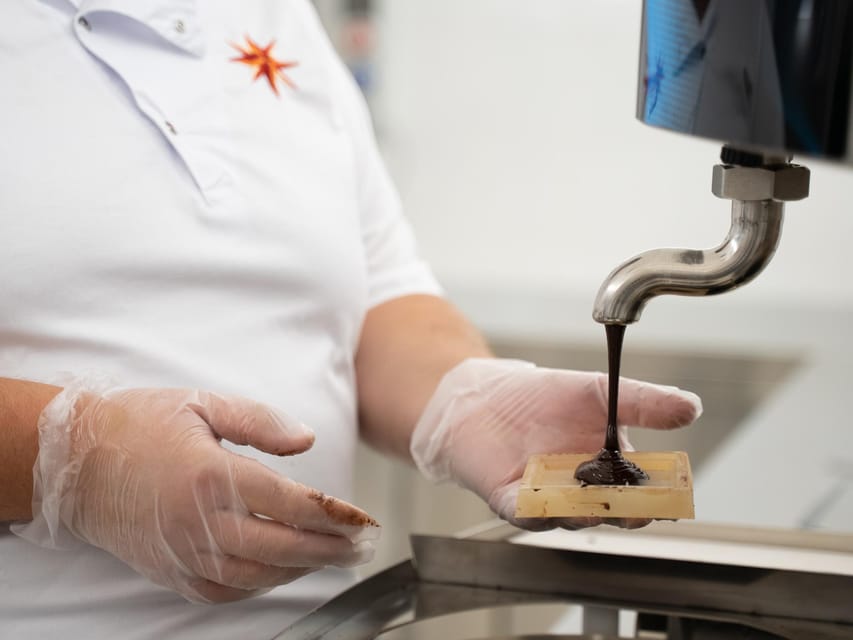
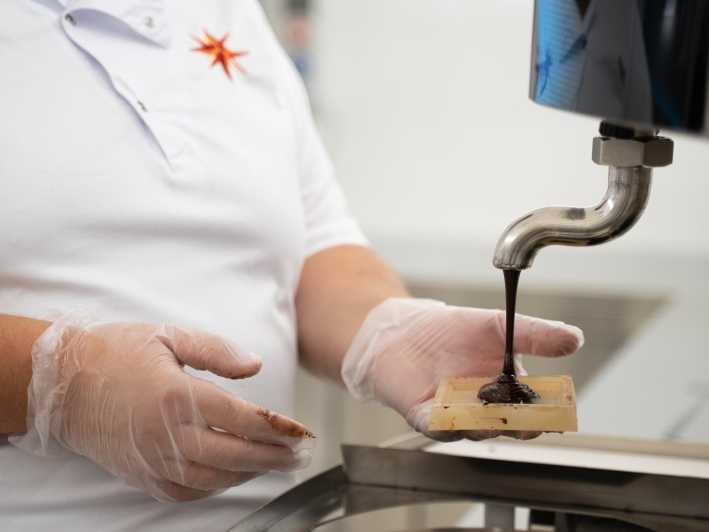
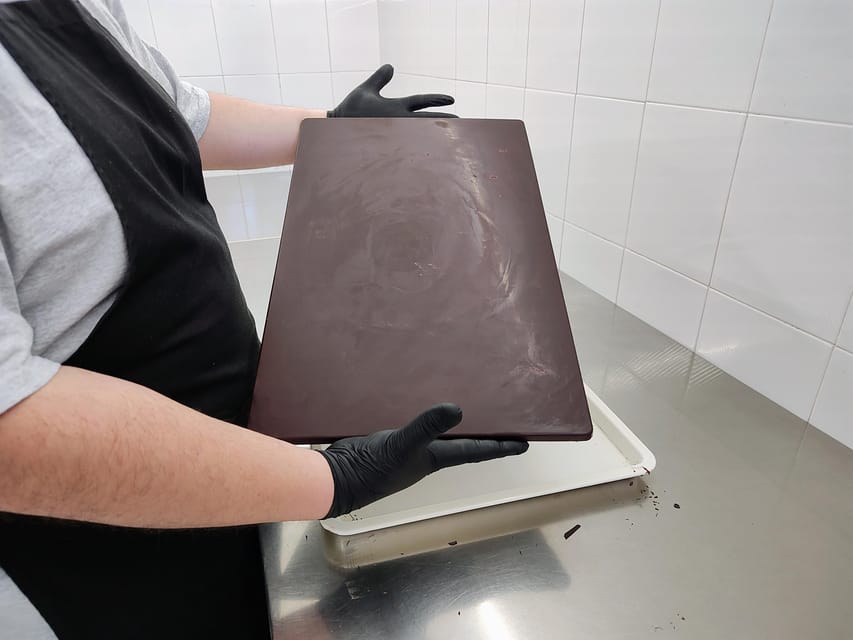
The final stage gives you the most obvious souvenir. You make a bean-to-bar chocolate bar and choose the ingredients that go into it.
This is where the workshop shifts from learning to personal choice. You are no longer simply following the master chocolatier’s demonstration. You decide how your bar should be finished, within the ingredients offered during the class.
You then package the bar yourself. That small act makes the souvenir more meaningful. You leave with something you helped produce, rather than a shop-bought bar with a factory label.
The bar also gives you a useful reminder of the earlier steps. After seeing the cacao roasted and ground, you understand what is inside it and how the texture and flavor developed. It is a modest souvenir, but a good one for a food-focused trip.
Because the bar is handmade during the workshop, do not think of the class as a way to produce a large supply of chocolate. The value lies in the process, the tasting, and the personal connection to Modica’s chocolate culture.
What the guides add to the experience
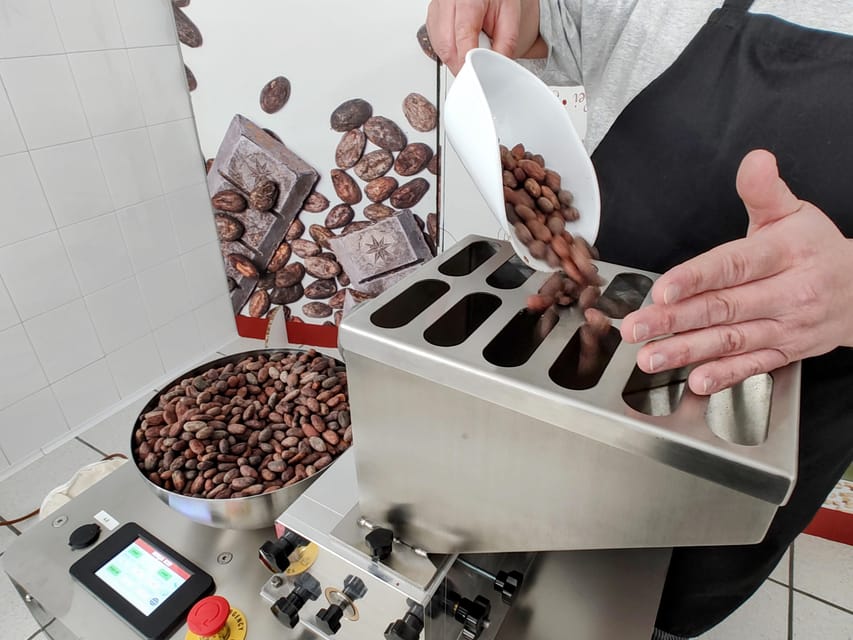
The two main guides, Giuseppe and Vincenzo, give the workshop a local, personal feel. Their roles appear to balance well: Giuseppe focuses on detailed explanations and chocolate technique, while Vincenzo brings an easy warmth to the practical side.
That combination is important in a three-hour class. Too much technical information can make a food workshop feel like school. Too little explanation turns it into a craft demonstration with no real lesson. Here, the available feedback points to a good mix of education, humor, and hands-on work.
The guides are also a strong reason to consider this for families. The workshop has been praised as engaging for a six-year-old, with opportunities to touch, mix, and mold the chocolate. Children who like making things will get more from this than children who only want to eat sweets.
The language point remains the one qualification. The instructor language is Italian. You may still be able to follow the physical steps, especially in a small group, but do not assume that English instruction or an interpreter is part of the booking.
Is $94 a fair price?
At $94 per person, this is not the cheapest way to eat chocolate in Sicily. You could buy several bars in Modica for less. The price makes more sense when you treat the activity as a three-hour workshop with instruction, equipment, raw materials, protective clothing, tastings, and a finished bar.
You are paying for access to the process, not simply for the final product. The master chocolatier’s guidance is the main value. So is the chance to work with cacao from its raw form and understand how the traditional method changes it.
I consider the price fair for visitors who value local food experiences and prefer doing something active over adding another shop to the itinerary. It is especially reasonable for couples, families, and small groups who want a shared activity with a tangible souvenir.
The value is weaker if your main goal is to collect a large amount of chocolate or receive instruction in English. It is also less appealing if you are not interested in tasting cacao in several forms. This is a process-led experience, not an all-you-can-eat chocolate event.
Who should book this experience?
I would recommend it to chocolate lovers, curious cooks, families, and anyone who wants a closer look at Modica’s food traditions. You will get the most from it if you enjoy asking questions, trying unfamiliar textures, and taking part in each stage.
It is a good choice for a rainy day or a break from walking around town, since the activity takes place indoors in a laboratory. It also works well as a focused half-day plan, with three hours long enough to feel substantial without taking up an entire day.
Families should note the positive experience with a six-year-old, but age alone does not guarantee a perfect fit. Children need to be comfortable wearing a cap, gown, and gloves, following instructions, and waiting through the roasting and grinding stages.
People with mobility concerns may find the wheelchair accessibility helpful. Still, accessibility details beyond that basic designation are not provided, so contact the organizer if you need specific information about entrances, work surfaces, or seating.
Timing, group size, and useful preparation
The workshop lasts three hours, with starting times available according to the day’s schedule. Plan enough time to arrive at the laboratory without rushing, since transfers to and from the site are not included.
The group is limited to 10 people. That is small enough to support questions and individual participation, but it does not mean you are guaranteed a private class. If you are traveling with friends or family, booking early may help keep your group together.
Bring a hair tie if you have long hair. The laboratory provides disposable gowns, caps, and gloves, so you do not need to bring protective equipment.
Tell the organizers about allergies or food intolerances before the activity. That is more important here than at a simple chocolate tasting because you will handle and taste ingredients throughout the process.
The cancellation policy is traveler-friendly: you can cancel up to 24 hours ahead for a full refund. You can also reserve now and pay later, useful if you are still arranging your Modica plans.
Should you book the Modica chocolatier workshop?
Book it if you want to understand how chocolate is made, not just eat it. The strongest parts are the bean-to-bar sequence, the tastings at each stage, the personal instruction from Giuseppe and Vincenzo, and the handmade bar you take home.
Skip it if you need English-language instruction, dislike hands-on food preparation, or want a quick tasting with lots of finished sweets. For everyone else, this is a thoughtful use of three hours in Modica and a good-value introduction to the city’s chocolate craft.
FAQ
How long does the chocolatier workshop last?
The experience lasts three hours.
How much does the experience cost?
The listed price is $94 per person.
Is the workshop taught in English?
The instructor language is Italian. A foreign language interpreter is not included.
What will I make during the workshop?
You will create your own bean-to-bar chocolate bar, choose its ingredients, package it yourself, and take it home.
Is chocolate tasting included?
Yes. Guided tastings take place throughout the process, including cacao and chocolate at different stages of production.
Is the workshop suitable for children?
The activity can suit families. A six-year-old participant was able to take part in touching, mixing, and molding the chocolate. Children will need to follow the laboratory instructions and remain supervised by their adults.
What should I bring to the workshop?
Bring a hair tie if you have long hair. Disposable gowns, caps, and gloves are provided. Inform the organizers about any allergies or intolerances in advance.
More Drinking Tours in Ragusa
- Pub Crawl Palermo
★ 5.0 · 595 reviews - Palermo: Guided Bar Crawl with Shots and Discounts on Drinks
★ 5.0 · 465 reviews - Taormina Rooftop & High End Cocktail Bar Walking Tour
★ 5.0 · 8 reviews - Taormina premium food & wine tour at rooftops and upscale bars
★ 5.0 · 5 reviews
Just added around Ragusa
- Modica private tour: the chocolate town in Sicily★ 5.0 · 3 reviews
- Scicli: Guided Walking Tour in Baroque City Center★ 4.3 · 3 reviews
- Tour in the heady scents of our garden in Ragusa★ 5.0 · 4 reviews
- Scicli – Bonelli Patané Palace: exclusive private tour★ 4.6 · 4 reviews
- Private tour of the Baroque cities of Eastern Sicily★ 4.5 · 5 reviews
- Ragusa Countryside Home Cooking Class & Meal★ 4.8 · 6 reviews
- Radici: IImmerse yourself in the heady scents of our garden★ 4.7 · 7 reviews
- Ragusa Ibla: Walking Tour with Local Guide★ 4.4 · 8 reviews
Drinking Tours, compared.
Guided Bar Crawl with Shots and Discounts on Drinks
Read our review →
Taormina Rooftop & High End Cocktail Bar Walking Tour
Read our review →
Taormina premium food & wine tour at rooftops and upscale bars
Read our review →
Craft beer tasting with food samples at High Hops
Read our review →Browse the lists this tour appears in