
Reviewed · SICILY
Underwater Archaeology Course
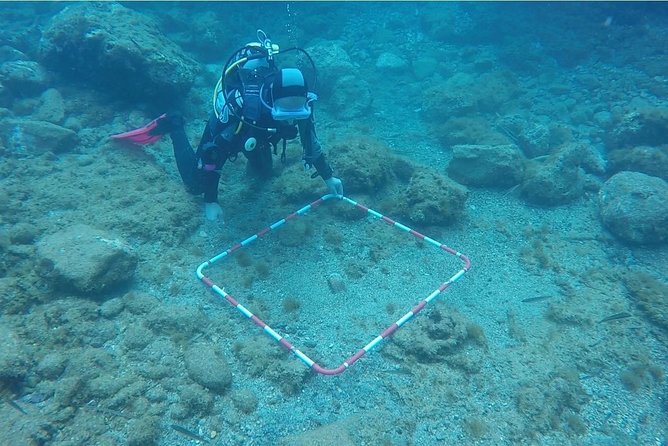
Sicily’s ancient past does not stop at the shoreline. This five-hour course near Giardini Naxos gives you a practical introduction to underwater archaeology, beginning with research methods on land and continuing with two underwater sessions to apply them. You finish by making field notes and drawings, not just posing beside old stones.
I like the hands-on format and the way the course links local history with real archaeological practice. I also like the generous package: equipment rental, museum entry, digital manual, hotel pickup, photos, and video are included.
The main thing to weigh is the extra PADI license fee, listed at about €65. The advertised price is $270.39 per person, but that additional charge means the final cost is higher than the headline figure. Weather can also force a date change or cancellation.
In This Review
- Key points at a glance
- Why this Sicily course feels different from a standard boat outing
- The classroom opening: history before the water
- Search and measuring methods you can actually practice
- Two underwater sessions and a look at submerged heritage
- Returning to shore for notes, drawings, and discussion
- Museum entry adds useful context on land
- What the $270.39 price includes
- Group size, timing, and planning your day
- Weather and cancellation details that matter
- Who will enjoy this most
- Who may want a different Sicily activity
- Should you book the Underwater Archaeology Course?
- FAQ
- Where does the Underwater Archaeology Course begin?
- Where does the activity end?
- How long does the course last?
- How much does the course cost?
- Is hotel pickup included?
- Is equipment rental included?
- Is the archaeological museum entrance included?
- Are photos and video included?
- Is the PADI fee included?
- How many people can join the course?
- Can I cancel for a full refund?
- What happens if bad weather cancels the course?
Key points at a glance
- Five hours of practical training: Learn basic underwater research methods, then use them during two underwater sessions.
- Field notes and drawings: The shore-based debrief teaches you how to document your work instead of simply observing a site.
- Local heritage near Giardini Naxos: The course connects Sicily’s past with an archaeological setting beneath the sea.
- Equipment and media included: Full equipment rental, underwater instruments, photos, and video are part of the package.
- Museum entry included: Your archaeological lesson continues on land with admission to an archaeological museum.
- Small maximum group: The course accepts no more than 15 participants, though the exact group size on your date may vary.
Why this Sicily course feels different from a standard boat outing
Many coastal activities give you a pleasant look beneath the surface and little else. This course asks you to work like a beginner archaeological researcher. You learn how to search, measure, record, and discuss what you find.
That distinction matters. The point is not simply to see underwater remains. You are taught why careful measurement and written records matter when studying material that cannot be moved or handled casually. Even a basic field sketch can preserve information about placement, shape, and condition.
The course also has a useful rhythm. You first learn the background and methods, then put them into practice underwater, and finally return to shore to review your work. That sequence makes the session feel like a short field school rather than a sightseeing stop.
You should still keep your expectations sensible. This is an introductory program, not professional archaeological training. The description promises basic techniques, a brief history of the subject, and practical exercises. It does not promise advanced excavation, artifact recovery, or a formal academic qualification.
Other Sicily trips travellers book alongside this one:
- Catania: Mount Etna Morning or Sunset Day Trip with Tasting
★ 4.8 · 4,028 reviews - Mount Etna: Guided Volcano Summit Hiking Tour with Cable Car
★ 4.7 · 3,784 reviews - Palermo: NO Mafia Walking Tour
★ 4.8 · 2,431 reviews
The classroom opening: history before the water
The first part takes place on land. You receive a short introduction to the origins of underwater archaeology and the basic methods used to conduct research.
This is important preparation, not filler. Without it, the underwater portion could become a simple search for interesting objects. The classroom session gives you a framework for understanding what you are looking at and how archaeologists approach a site.
You will also receive a digital underwater archaeology manual. It gives you something to refer back to after the course, which is useful if the subject catches your interest or you want to remember the terms and methods introduced during the day.
The wording suggests a focused lesson rather than a long academic lecture. That should suit most people. You get enough background to understand the activity, then move toward practical work instead of spending the whole morning indoors.
If you enjoy archaeology, history, or marine exploration, this opening should add meaning to the later session. If you mainly want free time in the water, the classroom portion may feel more structured than expected.
Search and measuring methods you can actually practice
The course focuses on standard search and measuring techniques used in archaeological research. You are introduced to special underwater archaeology instruments and equipment, then shown how they support careful observation.
The value here is in learning a method. Archaeology depends on location and context. An object or structure means more when its position and relationship to other remains are recorded. The course gives you a taste of that process through guided practice.
You should expect to pay attention to instructions and work methodically. This is not designed as a fast-moving underwater attraction. You may need to repeat a measurement, check a position, or record a detail that would be easy to overlook during casual sightseeing.
The supplied information does not specify the exact instruments, the archaeological site, or the particular remains you will see. That is worth keeping in mind when deciding how much to expect. You are booking an introduction to field methods, not a guaranteed encounter with one named monument.
Still, the setting gives the subject a strong sense of place. You are learning about submerged heritage in Sicily, a region where ancient coastal life and maritime activity are central to the story of the island.
Two underwater sessions and a look at submerged heritage
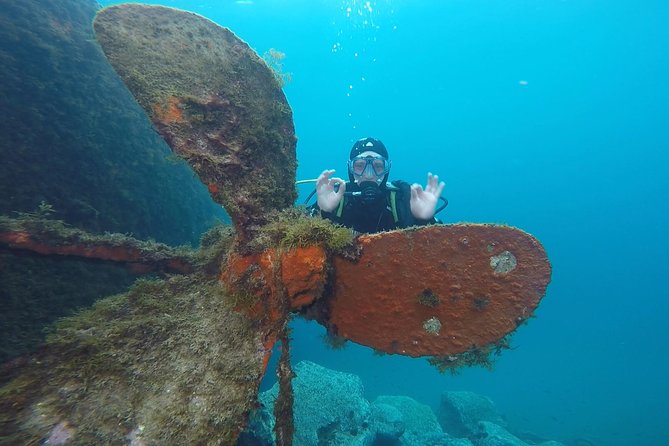
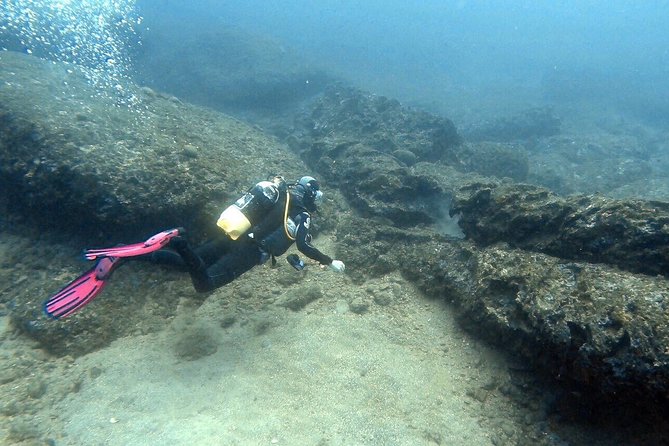
After the classroom work, you take part in two underwater sessions to practice what you have learned. The course describes one of them as a visit to underwater heritage, so the practical training is tied to a real historical setting rather than being limited to drills.
This is the central part of the experience. You have already heard the basic history, handled the tools, and learned what to record. Now you apply those ideas below the surface.
The two-session format is helpful because it gives you more than one chance to work with the techniques. A first attempt can feel unfamiliar. The second allows you to pay closer attention to searching, measuring, or documenting instead of simply adjusting to the setting.
The exact duration of each underwater session is not provided. The entire activity lasts about five hours, including the classroom lesson, equipment preparation, underwater work, museum visit, and final debrief. Plan for a full half-day rather than a quick morning appointment.
This course may suit you best if you already have an interest in underwater activities and want a historical purpose added to them. The listing states that most participants can take part, but it does not provide detailed medical, certification, or water-skill requirements. Ask the operator for those details before booking if you are unsure about your suitability.
Same island, a completely different day out:
- Palermo: Hop-on Hop-off Bus Tour 24-hour Ticket
★ 3.9 · 2,410 reviews - From Trapani: Cruise to Favignana and Levanzo with lunch
★ 4.2 · 2,286 reviews - Catania: Sunset Jeep Tour of Mount Etna and Lava Flow Caves
★ 4.8 · 2,113 reviews - Palermo Original Street Food Walking Tour by Streaty
★ 5.0 · 2,105 reviews
Returning to shore for notes, drawings, and discussion
The final shore-based debrief is one of the strongest parts of the program. You prepare field notes and drawings to document the work you completed.
That step turns the day from an observation session into a small research exercise. You are encouraged to think about what you saw, how you measured it, and how another person might understand your notes later.
Drawing may sound old-fashioned in a world of instant photos, but it serves a different purpose. A sketch can show the shape and position of a feature in a direct way. It also forces you to look closely rather than rely on a quick image.
The debrief gives you time to connect the practical work with the classroom introduction. You can review the methods, consider what worked, and see how archaeologists build a record from many small observations.
You also receive free underwater photos and video. These provide a personal record of the day, but they do not replace the field notes. The photos show what you saw. The written work shows how you studied it.
Museum entry adds useful context on land
Admission to an archaeological museum is included. The information does not name the museum or explain how long you spend there, so you should confirm the exact arrangement when booking or meeting the instructor.
Even without a detailed museum schedule, this inclusion makes sense. Underwater archaeology is easier to understand when you can compare submerged material with objects and displays presented on land. A museum can help place the fieldwork within Sicily’s wider archaeological story.
Do not assume the museum visit is a separate long tour. The activity lasts about five hours overall, and much of that time is taken by instruction, equipment, underwater sessions, and the debrief. Think of the museum entry as an added part of the course rather than a full museum day.
For a first introduction, that balance is sensible. You get context without giving up the practical work that makes this experience different from a standard museum visit.
What the $270.39 price includes
At $270.39 per person, this is not a low-cost coastal activity. Its value depends on whether you want instruction and archaeological content, not simply time in the water.
The package includes full equipment rental, special underwater archaeology instruments and equipment, the digital manual, archaeological museum admission, underwater photos and video, and pickup and return transport from your hotel. Those extras reduce the number of separate costs and arrangements you need to handle.
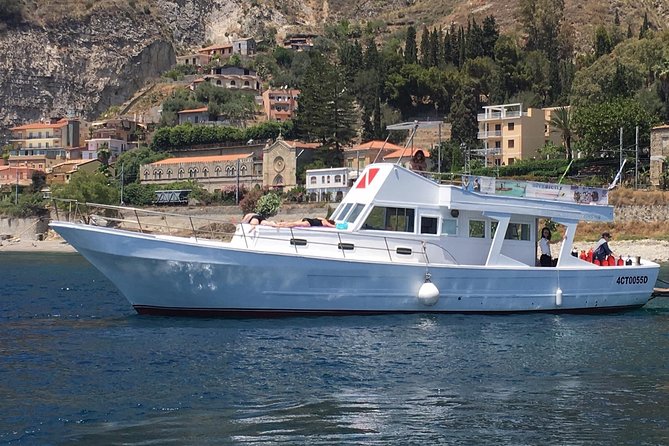
The hotel transfer is especially useful if you are staying in the local area and do not want to arrange transport to the meeting point at Dive Sicily, Porto di Giardini-Naxos, near Taormina. The activity ends back at that meeting point, so confirm whether your return to the hotel is part of the included drive-back service or whether you need to arrange the final short journey yourself.
There is one clear additional cost. The PADI license fee is not included and is listed at around €65. At the same time, completion of the course includes a PADI certification card. Before booking, ask how the separate fee is charged and exactly what the card covers.
That detail matters when comparing this course with other underwater programs. The headline cost includes a lot, but you should budget for the license fee and any personal expenses not listed.
Group size, timing, and planning your day
The maximum group size is 15 people. That is not an intimate private lesson, but it is limited enough to keep the course more focused than a large mass-market outing.
The actual number on your date may be smaller. If you value one-to-one instruction, ask about the expected group size before paying. The number of participants can affect how much time you receive with the instruments and how much individual feedback you get during the field notes and drawing session.
The activity is booked, on average, about 30 days ahead. That is a useful planning signal. If your Sicily trip is built around a fixed schedule, reserve early rather than leaving this for the last few days.
The meeting point is Dive Sicily in Porto di Giardini-Naxos, in the Taormina area. The location is near public transportation, and hotel pickup and return driving are included according to the tour details. Confirmation is received at booking.
The total time is about five hours. Leave room around it for changing, transport, and the possibility that the session runs at a relaxed pace. Since the activity depends on good weather, avoid placing it on the last possible day of your trip.
Weather and cancellation details that matter
This activity requires good weather. If conditions are poor, the operator offers another date or a full refund.
You can cancel for a full refund up to 24 hours before the local start time. Cancellations or changes made less than 24 hours ahead are not accepted and are not refunded.
That policy is fairly workable, but the weather rule deserves attention. Water conditions can affect both safety and the quality of archaeological work. If you are booking during a changeable period, keep one flexible day available.
The best practical move is to schedule the course early or midway through your Sicily stay. That gives you time to move it if conditions are unsuitable. Avoid booking it on your departure day or immediately before an important connection.
Who will enjoy this most
I would choose this for a person who wants more than a scenic underwater outing. It suits you if you enjoy history, practical learning, marine environments, or the idea of recording evidence with your own hands.
It is also a strong solo-trip option. The structure gives you a clear activity, a lesson to follow, and a small shared project without requiring you to organize a group of your own. The experience has already been described as a particularly good choice for a solo visit.
Families and mixed-age groups require more thought. The details say most participants can take part, but they do not state a minimum age or describe children’s arrangements. Ask before booking if you are considering it for a young participant.
You should also ask for full participation requirements if you have concerns about water comfort, physical ability, or certification. The available details do not specify those points. The operator can give the answer that the general description cannot.
Who may want a different Sicily activity
This may not be right for you if you want a long, relaxed underwater outing with no classroom work. The history briefing, measuring practice, notes, and drawings are core parts of the day.
It may also disappoint if you expect a named ancient shipwreck, a guaranteed artifact sighting, or advanced archaeological training. The description promises access to underwater heritage and basic research methods, but it does not identify a specific site or guarantee particular finds.
The price can be another reason to choose something else. At $270.39, plus the approximately €65 PADI license fee, this is best viewed as a specialist educational activity. If you only want general recreation, you may not feel you are getting enough value.
For the right person, though, the fee covers more than equipment. You receive instruction, local historical context, guided practical work, museum entry, documentation materials, media, and transport. That is a substantial half-day package.
Should you book the Underwater Archaeology Course?
Book it if you want to understand how submerged sites are studied, not just look at them. The strongest reasons are the hands-on research methods, two underwater sessions, careful shore debrief, and connection to Sicily’s archaeological heritage.
I especially like that the experience asks you to create field notes and drawings. That extra work gives the day a purpose and helps the lesson stay with you after you leave the coast.
Before paying, confirm the separate PADI fee, the exact museum arrangement, the expected group size, and any water or certification requirements that matter to you. Also leave a weather buffer in your itinerary.
If those details suit you, this is a thoughtful and unusual way to spend half a day near Taormina. If you want only recreation or a specific famous underwater site, choose a simpler water activity instead.
FAQ
Where does the Underwater Archaeology Course begin?
It begins at Dive Sicily, Porto di Giardini-Naxos, 98035 Giardini-Naxos ME, Italy.
Where does the activity end?
The activity ends back at the meeting point.
How long does the course last?
The course lasts approximately five hours.
How much does the course cost?
The listed price is $270.39 per person.
Is hotel pickup included?
Yes. Pickup and the drive back from your hotel are included.
Is equipment rental included?
Yes. Full equipment rental and special underwater archaeology instruments and equipment are included.
Is the archaeological museum entrance included?
Yes. The archaeological museum entrance fee is included.
Are photos and video included?
Yes. Free underwater pictures and video are included.
Is the PADI fee included?
No. The PADI license fee is separate and costs around €65.
How many people can join the course?
The activity has a maximum of 15 participants.
Can I cancel for a full refund?
Yes. You can cancel at least 24 hours before the local start time for a full refund.
What happens if bad weather cancels the course?
You will be offered a different date or a full refund.
Just added around Sicily
- Anti-Mafia Heroes (Cool Hours) Morning Walking Tour★ 5.0 · 3 reviews
- Nicolosi: Excursion Etna Craters at 3000 mt.★ 4.2 · 3 reviews
- DISCOVER THE SECRET OF PALERMO Walking Tour Combining Art and best street food★ 5.0 · 3 reviews
- The art of the Italian Aperitivo with a local: Learn & Enjoy in Palermo★ 5.0 · 3 reviews
- Taormina PRIVATE EAST COAST EXCURSIONS 2 Exclusive Days with Guide Driver★ 5.0 · 3 reviews
- Monti Rossi Adventure Park Entry Ticket Full★ 5.0 · 3 reviews
- Guided kayak tour inside the Stagnone of Marsala★ 5.0 · 3 reviews
- Catania : Diving for patented divers★ 5.0 · 3 reviews