
Reviewed · PALERMO TOURS
Tour Cappella Palatina e palazzo Reale: patrimonio Unesco
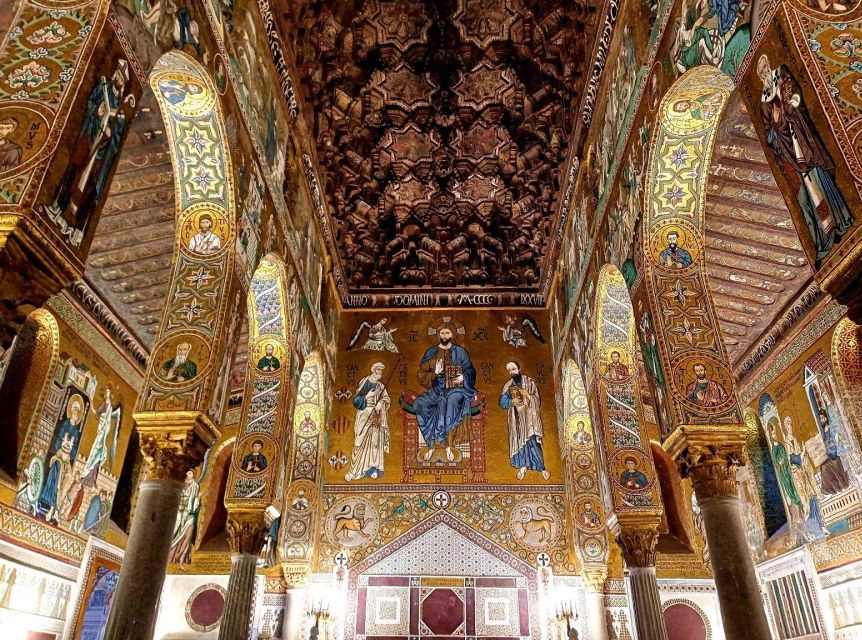
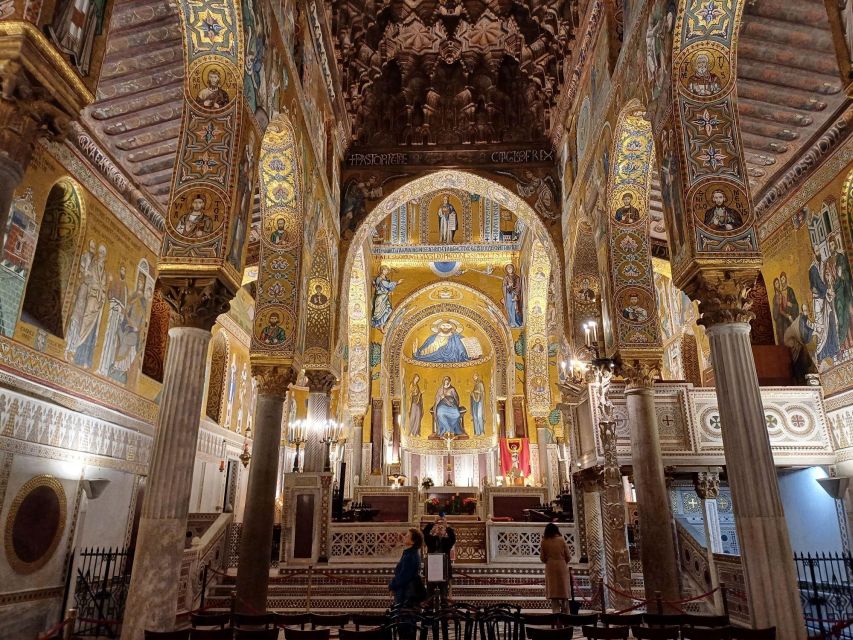
The real prize here is the Palatine Chapel, a small royal church covered in glowing Byzantine mosaics, carved marble, and an Islamic-style muqarnas ceiling. It is an extraordinary mix of cultures, built in 1140 by Roger of Hauteville to display Norman power in Sicily.
I like two things right away: the Italian guide service adds structure to a place that can otherwise feel visually overwhelming, and the tour goes beyond the chapel to the Royal Palace’s royal rooms, including a Chinese-style queen’s chamber. The main catch is clear: your $14 payment covers the guide, not the entrance ticket, and the tour is conducted only in Italian.
In This Review
- Key Points at a Glance
- Why the Palatine Chapel Deserves Your Time
- Walking Through 2,700 Years of the Royal Palace
- The Norman Vision Behind the Chapel
- Royal Rooms and the Chinese-Style Queen’s Chamber
- What the $14 Price Really Covers
- Practical Clothing and Comfort Advice
- Who Will Get the Most From This Visit
- How the Guide Can Change the Visit
- Should You Book the Royal Palace and Palatine Chapel Tour?
- FAQ
- Is the entrance ticket included?
- Where is the meeting point?
- What language is the tour conducted in?
- Which sites are included in the guided visit?
- How old is the Royal Palace?
- Who built the Palatine Chapel?
- Are shorts and sleeveless shirts allowed?
- Is the experience suitable for wheelchair users?
- Can I cancel the booking?
Key Points at a Glance
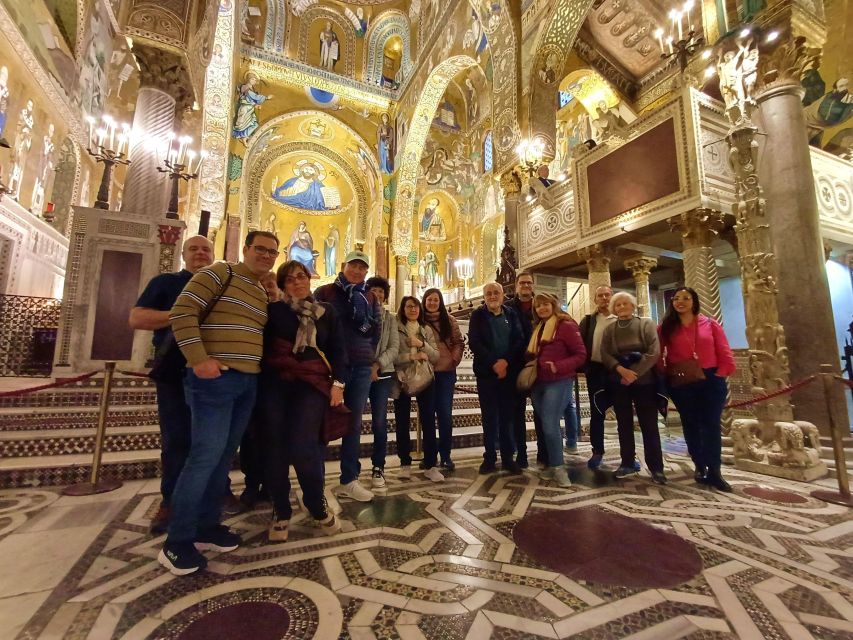
- Palatine Chapel mosaics: See gold Byzantine scenes covering the chapel walls and apse.
- 2,700 years of palace history: The Royal Palace began as a fortified site and later served kings, emperors, viceroys, and the Sicilian Parliament.
- A striking cultural mix: Byzantine mosaics, Islamic ceiling work, Norman architecture, and Romanesque marble meet in one building.
- Italian-speaking guides: Fabrizio and Claudio are among the guides leading this experience.
- Royal interiors: Visit palace rooms, including the Chinese-style queen’s chamber.
- Ticket cost is separate: Buy admission at the palace ticket office or on the official website before entering.
Why the Palatine Chapel Deserves Your Time
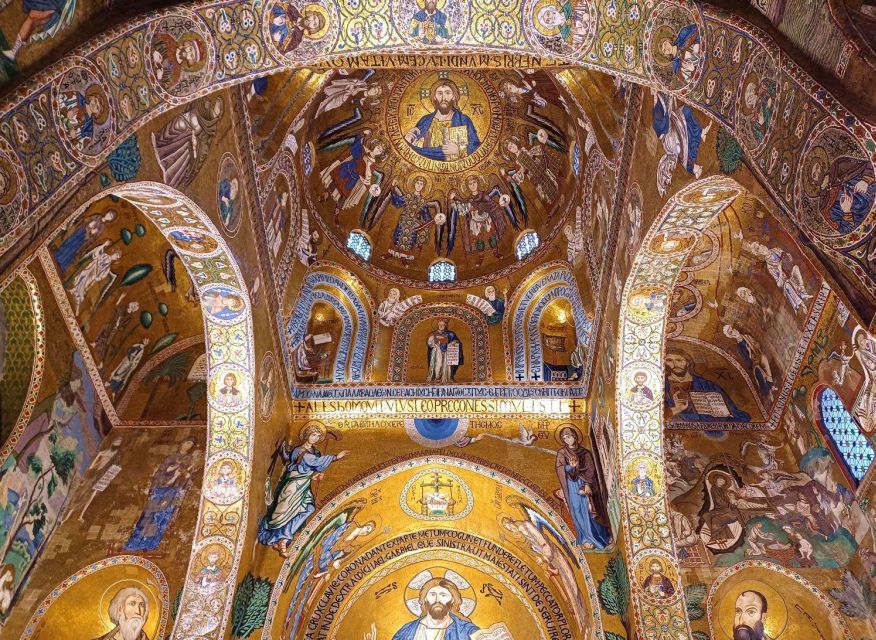
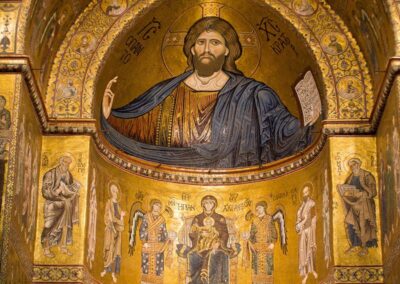
Palermo’s Palatine Chapel is not large, but it is intensely decorated. Gold mosaics cover the walls with biblical scenes, saints, and royal imagery. Look upward and the style changes: the ceiling uses Islamic muqarnas, a honeycomb-like form made of small carved sections that create a patterned, almost architectural canopy.
Then look down at the marble floor. Its inlays follow the Romanesque tradition, giving the chapel another visual language. The effect is not a single style repeated from wall to wall. It is a meeting of Norman, Byzantine, Islamic, and Romanesque design.
That mix is the reason this chapel matters. Sicily in the Norman period was not culturally simple. Different communities, skills, and artistic traditions worked under the same royal government. The chapel turns that political story into something you can see in a few steps.
The title of most beautiful church in the world is a matter of taste, but I understand why the phrase has stuck. The space asks you to keep shifting your attention. One moment you are following a mosaic scene, and the next you are studying the ceiling’s geometric carving or the floor’s colored stone.
Your guide can help turn those details into a readable story. Without context, the gold may simply look lavish. With an explanation of the imagery and its royal purpose, the chapel becomes a record of power, faith, and cultural exchange.
Other Palermo trips travellers book alongside this one:
- Palermo: NO Mafia Walking Tour
★ 4.8 · 2,431 reviews - Palermo: Hop-on Hop-off Bus Tour 24-hour Ticket
★ 3.9 · 2,410 reviews - Palermo Original Street Food Walking Tour by Streaty
★ 5.0 · 2,105 reviews
Walking Through 2,700 Years of the Royal Palace
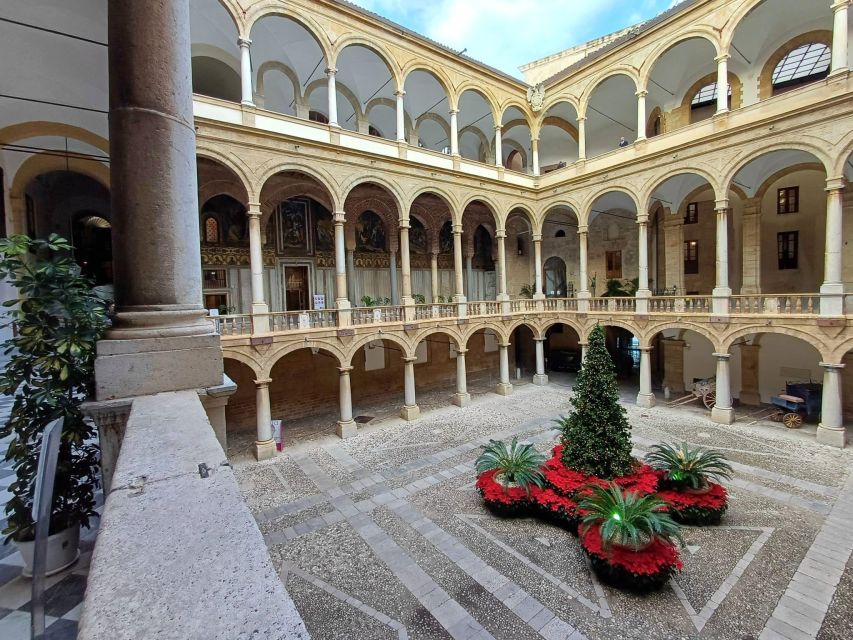
The Royal Palace, also called the Palazzo dei Normanni, reaches far beyond the Norman period. Its history stretches back more than 2,700 years, and the site has changed roles many times.
It began as a fortified settlement connected with the early history of Palermo. Norman rulers later rebuilt and expanded it, making it their main residence. The palace became the center of royal government, the court, the treasury, and important royal workshops.
That practical side is worth remembering as you walk through. This was not built only as a grand backdrop. It was a working seat of power, where decisions were made, money was managed, and royal life unfolded.
Under Frederick II, the palace also became associated with the Sicilian Poetic School. Frederick was both king and emperor, and his court helped foster a major literary movement in medieval Sicily. That detail gives the palace a more surprising identity. It was not only a place of ceremony and administration, but also a center for writing and intellectual life.
The building later served as the Court of the Inquisition, the seat of the viceroy, and the home of the Sicilian Parliament. I like this succession of uses because it makes the palace feel less frozen in one era. You are seeing a building that kept adapting as Sicily’s rulers and political systems changed.
The guide service is particularly useful here. Palace architecture can be hard to read on your own because layers from different periods overlap. An Italian-speaking guide can point out what belongs to the Norman royal period and explain how the building continued to function after the Norman kings.
The Norman Vision Behind the Chapel
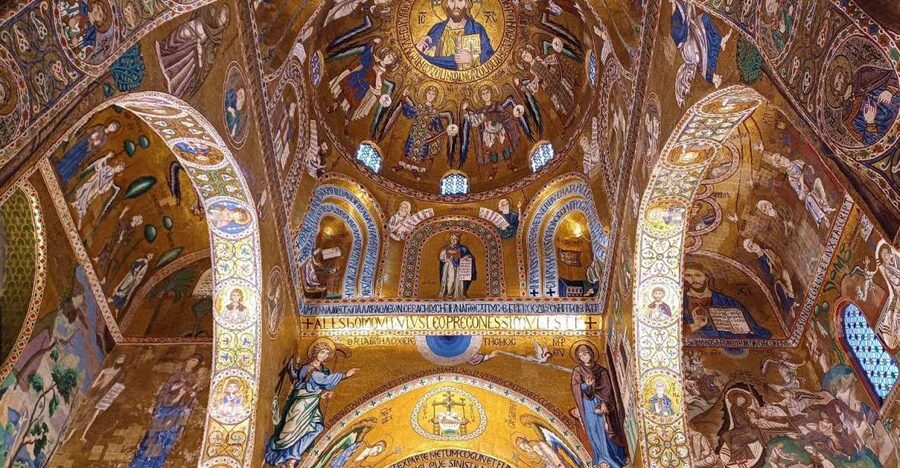
Roger of Hauteville, the first king of Sicily, ordered the Palatine Chapel in 1140. The church was a public statement as much as a place of worship.
The chapel’s decoration communicated royal authority in a language people could understand: sacred images, costly materials, and a design that connected the king with the Christian world. At the same time, the building used artistic methods associated with the wider Mediterranean, including Byzantine mosaic work and Islamic ceiling design.
The result is one of Palermo’s best examples of how power can bring different artistic traditions into the same room. The Normans ruled Sicily, but their court drew on the skills and forms already present in the region.
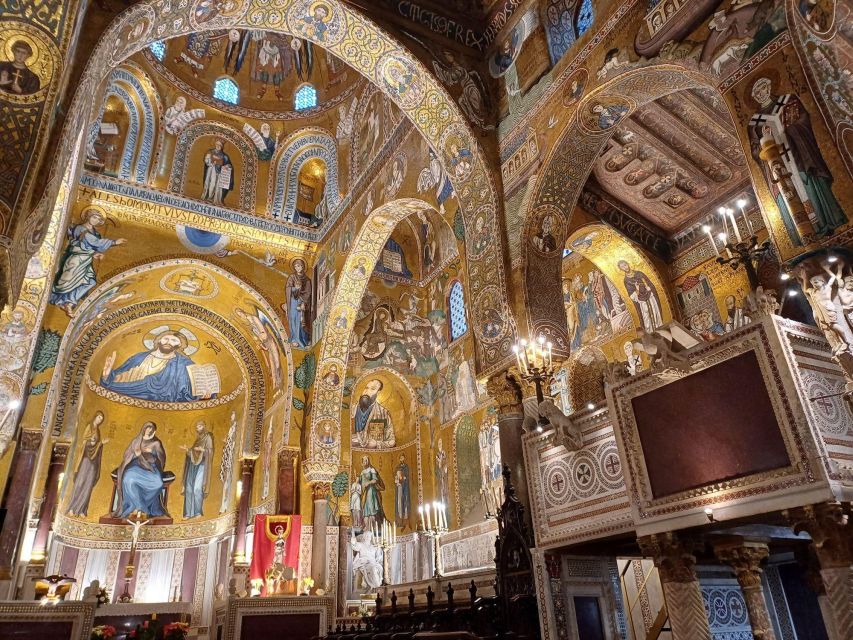
Pay attention to the narrative quality of the mosaics. They are not scattered decoration. The scenes form a cycle, and the guide can explain how the images fit together. This is one of the strongest reasons to choose a guided visit rather than simply buying an admission ticket and wandering through.
Fabrizio is praised for explaining the palace’s history, the narrative cycle in the Palatine Chapel mosaics, and the royal rooms with precision and energy. Claudio is also among the named guides associated with the experience, described as engaging and tireless. Since the tour is only in Italian, these strengths matter most if you understand Italian well enough to follow a sustained historical explanation.
Royal Rooms and the Chinese-Style Queen’s Chamber
The chapel gets most of the attention, but do not rush through the palace rooms. The royal interiors help you understand how the building shifted from a medieval court to a later political residence.
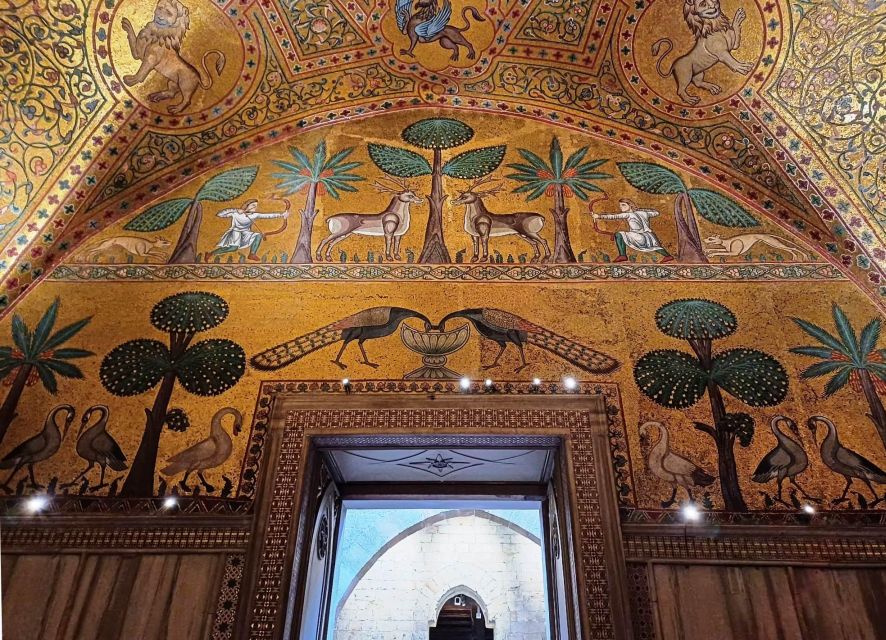
One highlight is the Chinese-style queen’s chamber. Its presence may seem unexpected beside Norman architecture and medieval mosaics, but that is part of the palace’s appeal. The room shows that the building continued to absorb new tastes long after its first royal construction.
I would treat this chamber as a reminder that the Royal Palace is not one perfectly preserved time capsule. It is a collection of periods, uses, and design choices. The chapel gives you the Norman royal vision in its strongest form, while the later rooms show how courtly taste changed.
The rooms also offer a useful contrast with the chapel. The chapel is designed to overwhelm you through sacred imagery and glittering surfaces. The royal chambers are more connected to daily court life and status. Together, they create a fuller picture of what it meant to live and govern inside the palace.
Your guide can help you notice what you might otherwise pass without a second look. The detailed explanation of the royal rooms is one reason this experience has earned a high 4.8 rating from 183 submitted assessments. The strongest praise centers on guides who make the history clear and keep the visit moving.
Same island, a completely different day out:
- Segesta, Erice and Salt Pans Full-Day Excursion from Palermo
★ 4.2 · 1,791 reviews - Palermo: Teatro Massimo Opera House Guided Tour
★ 4.5 · 1,573 reviews - From Palermo: Monreale and Cefalù Half-Day Trip
★ 4.2 · 1,354 reviews - Palermo: Street Food and History Walking Tour
★ 4.9 · 1,294 reviews
What the $14 Price Really Covers
At $14 per person, this is a low-cost way to add interpretation to one of Palermo’s essential sights. The value depends on one important detail: admission is not included.
You must purchase the entrance ticket separately at the Royal Palace ticket office or through the official website. That means the final cost is higher than $14, and you should check the current admission price before budgeting for the visit.
Still, the separate guide fee can make sense if you already planned to enter the palace. The Royal Palace contains several layers of history, and the Palatine Chapel’s imagery is easier to appreciate when someone explains the scenes and symbols. You are paying for orientation and interpretation, not transportation, food, or entry.
The arrangement also gives you some flexibility. You can reserve the guide service and pay later, and cancellation is available up to 24 hours before the scheduled experience for a full refund. The activity is valid for one day, with starting times depending on availability.
The meeting point is in front of the ticket office, at a kiosk about 100 meters from the palace entrance. Arrive with enough time to identify that kiosk and sort out your admission ticket. Do not assume the guide fee gets you through the palace door.
Practical Clothing and Comfort Advice
Dress for a religious site. Shorts, short skirts, and sleeveless shirts are not allowed, so choose clothing that covers your shoulders and knees.
Plan for standing. One specific note is that there are very few places to sit inside, so anyone who has trouble remaining on their feet for long periods should think carefully before booking. The tour may be listed as wheelchair accessible in one part of the activity information, but another section says it is not suitable for wheelchair users. Because those details conflict, contact the provider before booking if wheelchair access is important to you.
The tour lasts one day in the booking system, but no exact guided-tour duration is provided. Check the available starting time and allow extra time for buying or collecting your entrance ticket.
Since the tour is conducted only in Italian, this is not a good choice if you need English, French, or another language. A French-speaking visitor may be able to manage the visual highlights independently, but the main service being sold is the Italian explanation.
Who Will Get the Most From This Visit
I would choose this experience if you want the Royal Palace to make sense, not merely look impressive. It suits anyone interested in medieval Sicily, Norman rule, religious art, royal government, or the way different Mediterranean cultures shaped one building.
It is especially useful for visitors who enjoy detailed explanations of art. The mosaics are beautiful on their own, but the narrative cycle rewards attention. A guide can help you follow the scenes and understand why they were placed in a royal chapel.
History-minded visitors will also appreciate the palace’s many later roles. The site connects early Palermo, the Norman kings, Frederick II, the Sicilian Poetic School, the Inquisition, the viceroys, and the Sicilian Parliament. That is a lot of history in one stop, and a guide provides a path through it.
I would hesitate if you do not understand Italian, dislike guided interpretation, or have difficulty standing for long periods. I would also be cautious if you are looking for a simple all-inclusive activity. This is guide service only, with the admission ticket purchased separately.
How the Guide Can Change the Visit
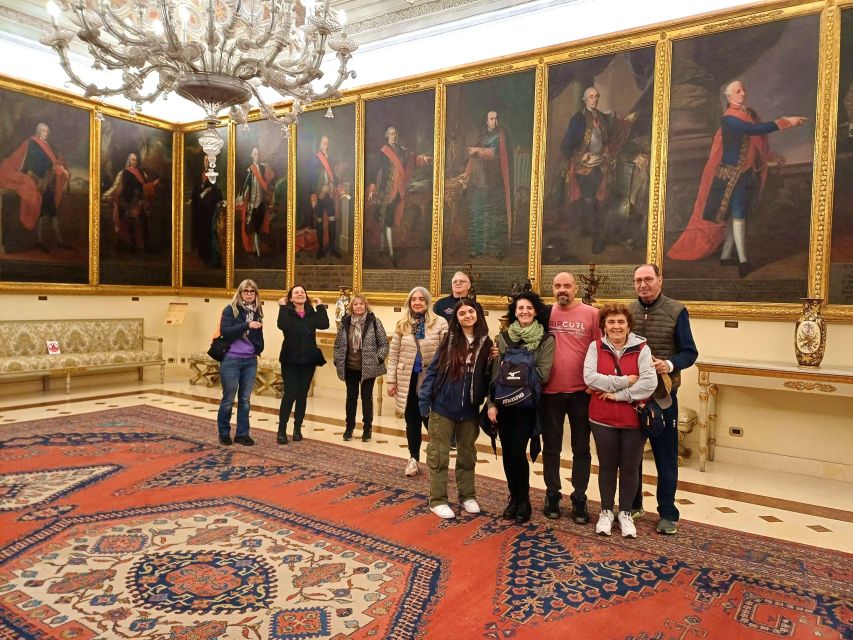
A palace this layered can leave you with a pile of dates and no clear picture. The best part of the guide service is the connection between the spaces.
Fabrizio’s explanations focus on three useful threads: the palace’s long history, the story shown in the Palatine Chapel mosaics, and the purpose of the royal rooms. That is the right balance. You get the broad political story, the visual details, and a sense of how the building was used.
Claudio is another guide associated with the experience. His approach is described as energetic and engaging, which may help if you prefer a lively presentation rather than a quiet, academic lecture.
Guide quality can vary from person to person, but the feedback connected with this experience is strongly positive. Fabrizio is repeatedly praised for being prepared, clear, and engaging. That does not remove the language limitation, but it does suggest that Italian speakers are receiving more than a basic escort through the building.
Should You Book the Royal Palace and Palatine Chapel Tour?
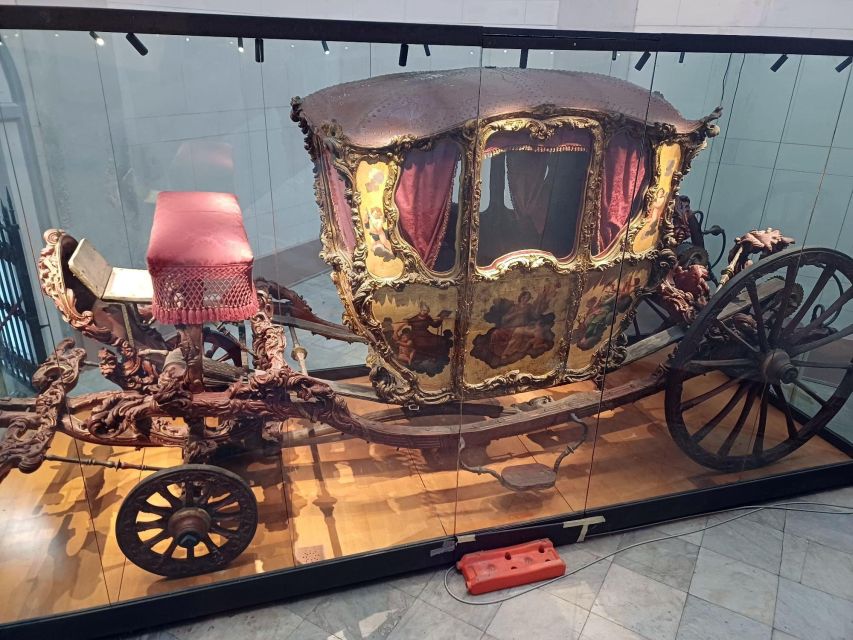
Book it if you understand Italian and want a focused explanation of Palermo’s most important royal complex. The $14 guide fee is reasonable when you add it to a visit you already plan to make, especially because the chapel’s mosaics and mixed artistic styles are much easier to read with guidance.
Before booking, confirm the separate entrance cost, check the meeting point near the ticket-office kiosk, and wear suitable clothing. Give yourself time to obtain the admission ticket, and expect limited seating.
Skip it if you need a non-Italian tour, want an all-inclusive ticket, or cannot stand comfortably for an extended period. For the right visitor, though, this is a practical way to connect Palermo’s Norman kings, Frederick II, Byzantine artists, Islamic craftsmen, and later rulers in one memorable building.
FAQ
Is the entrance ticket included?
No. The $14 price covers the professional Italian-speaking guide service only. You must purchase admission separately at the Royal Palace ticket office or on the official website.
Where is the meeting point?
Meet in front of the ticket office, at a kiosk about 100 meters from the entrance to the Royal Palace.
What language is the tour conducted in?
The tour is conducted only in Italian. The listed guide language is Italian.
Which sites are included in the guided visit?
The experience covers the Royal Palace, also called the Palazzo dei Normanni, and the Palatine Chapel. It includes the chapel mosaics, the palace’s history, and royal rooms such as the Chinese-style queen’s chamber.
How old is the Royal Palace?
The Royal Palace has more than 2,700 years of history. It has served as a fortified site, royal residence, court, treasury, seat of the viceroy, and home of the Sicilian Parliament.
Who built the Palatine Chapel?
Roger of Hauteville, the first king of Sicily, built the Palatine Chapel in 1140.
Are shorts and sleeveless shirts allowed?
No. Shorts, short skirts, and sleeveless shirts are not allowed inside.
Is the experience suitable for wheelchair users?
The activity information gives conflicting accessibility details. One section describes it as wheelchair accessible, while another says it is not suitable for wheelchair users. Contact the provider before booking to confirm current conditions.
Can I cancel the booking?
Yes. You can cancel up to 24 hours in advance for a full refund. The reserve-now, pay-later option also allows you to keep your plans flexible.
Just added around Palermo
- Anti-Mafia Heroes (Cool Hours) Morning Walking Tour★ 5.0 · 3 reviews
- The art of the Italian Aperitivo with a local: Learn & Enjoy in Palermo★ 5.0 · 3 reviews
- Private transfer from Palermo airport to Mercure Palermo Centro or vice versa★ 5.0 · 3 reviews
- ERICE and SEGESTA Private Exclusive Tour starts from Palermo with Guide Driver★ 4.0 · 3 reviews
- Private 10 hour tour to Agrigento (Valley of the Temples) from Palermo★ 5.0 · 3 reviews
- Palermo Private MINITOUR of WEST SICILY 4 Days with Guide Driver★ 5.0 · 3 reviews
- The Best Of Sicily and Sorrento & Culinary Experiences, Deluxe★ 5.0 · 3 reviews
- Transfer from Palermo Airport to Scopello and Tonnara di Scopello★ 5.0 · 3 reviews
Palermo Tours, compared.
Palermo Original Street Food Walking Tour by Streaty
Read our review →
Segesta, Erice and Salt Pans Full-Day Excursion from Palermo
Read our review →
Agrigento and the Valley of the Temples Day Tour
Read our review →Browse the lists this tour appears in