
Reviewed · HISTORICAL TOURS
Pantalica nature history and archeology
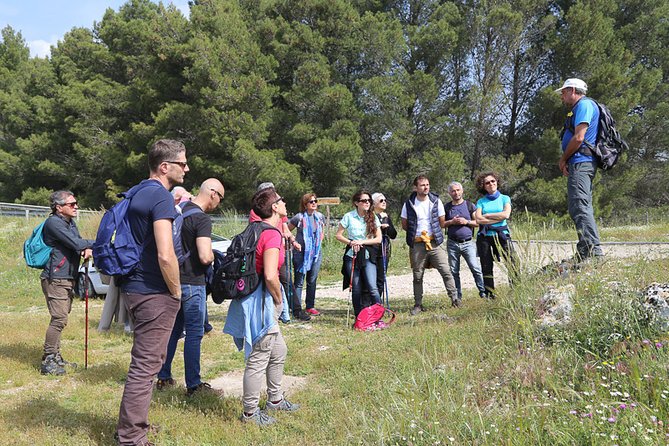
Pantalica packs 5,000 prehistoric rock tombs into a dramatic limestone setting cut by the Anapo River and Calcinara stream. In three hours, Gregorio Chiarenza leads you from the 12th century BC through Byzantine settlements, railway remains, native plants, and modern Sicily. I like the way this combines serious archaeology with a real walk outdoors, rather than keeping you inside a museum.
I also like two practical touches: the group is limited to 12 people, and the route can include a swim in Calcinara’s cool water when conditions allow. The main consideration is the short schedule. Five kilometers and three hours give you a strong introduction, but not time to explore every path or archaeological corner.
In This Review
- Key points to know before booking
- Why Pantalica feels different from a standard archaeological visit
- The Bronze Age necropolis and Anaktoron
- Byzantine villages carved into the rock
- Plants, orchids, and the medicine of the Iblean plateau
- The Anapo River, Calcinara, and possible swimming
- The old Ciccio Pecora railway
- What the three-hour schedule really gives you
- Is $85.97 good value?
- Who should book this walk?
- Booking, weather, and group size
- Should you book Pantalica Nature History and Archaeology?
- FAQ
- Where does the tour begin?
- What time does the tour start?
- Where does the tour end?
- How long is the experience?
- How far is the walking route?
- How many people can join the group?
- Is swimming included?
- Is breakfast included?
- Are trekking poles provided?
- What happens if the weather is poor?
Key points to know before booking
- 5,000 rock-cut tombs: Pantalica contains Europe’s largest Bronze Age necropolis.
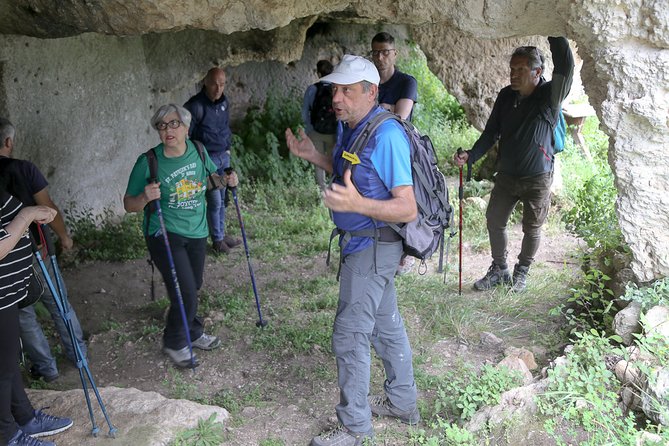
- Gregorio Chiarenza as guide: Expect commentary on archaeology, local plants, medicine, food uses, and toxic species.
- A three-hour route: The walk reaches a maximum of five kilometers and returns to Piazza San Sebastiano in Ferla.
- More than ancient tombs: The route can include Byzantine rock churches, Anaktoron, a Greek trench, and an old narrow-gauge railway.
- Swimming may be possible: If the weather cooperates, you can bathe in the cool waters of Calcinara.
- Small-group value: The price is $85.97 per person, with group discounts and a maximum of 12 participants.
Why Pantalica feels different from a standard archaeological visit
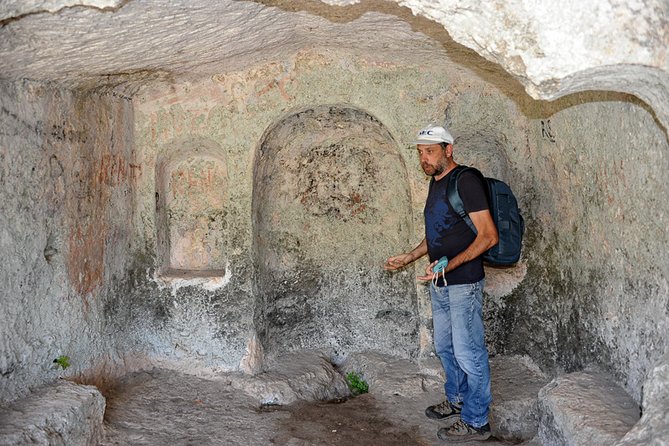
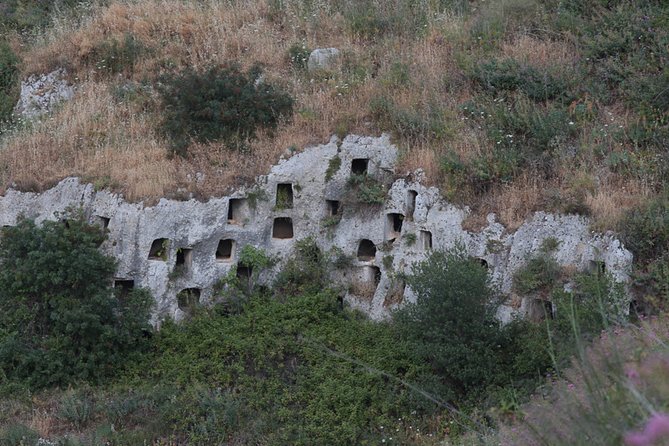
Many ancient sites ask you to walk from one marked monument to another across open ground. Pantalica works differently. Its archaeology is built into a huge limestone and marl massif, with tombs cut into cliffs and ravines rather than gathered around one tidy central ruin.
That setting changes the experience. You are not just looking at old stones. You are walking through the terrain that made Pantalica useful, defensible, and difficult to reach. The Anapo River and Calcinara tributary cut through the plateau, creating steep sides, shaded stretches, and sudden views across the gorge.
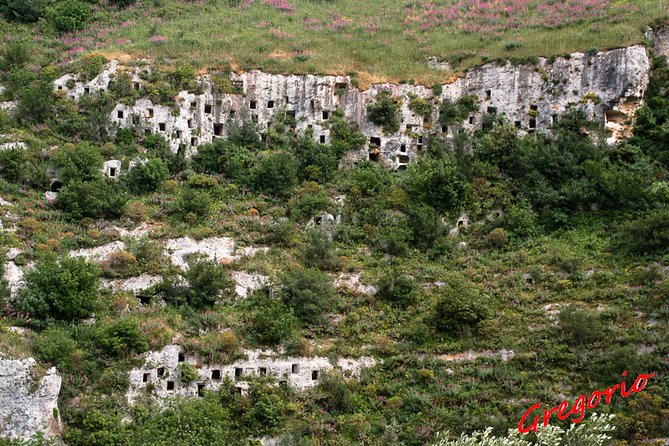
The first major story begins in the 12th century BC. The necropolis contains about 5,000 artificial cave tombs, making it the largest final Bronze Age necropolis in Europe. You will not inspect every tomb in a three-hour outing, of course. The value is seeing how extensive the site is and understanding that these caves are part of a much larger settlement system.
I like this kind of visit because the scale is easy to grasp on foot. A guide can point out groups of tombs and explain how they relate to the rock and valley. Without that context, the openings can look like random holes in a cliff. With it, the entire gorge becomes an archaeological record.
More history walks around Sicily:
- Palermo: Street Food and History Walking Tour
★ 4.9 · 1,294 reviews - Palermo: UNESCO World Heritage Sites Guided Walking Tour
★ 4.8 · 548 reviews - Palermo: Walking Tour of Historic Markets and Monuments
★ 4.9 · 478 reviews
The Bronze Age necropolis and Anaktoron
The tombs are the headline attraction, but Anaktoron gives the ancient story a political center. Known as the prince’s palace, Anaktoron is associated with local power in the 12th century BC.
Do not expect a complete palace with standing rooms and restored decoration. The appeal lies in the remains and in the questions they raise. A site this large needed organization, authority, and a strong relationship with the surrounding terrain. Anaktoron helps connect the countless tombs with the people who governed the settlement.
The route also includes remains of a Greek trench. It is a smaller feature, but it shows how Pantalica continued to matter after the Bronze Age. This is one of the best reasons to take a guide. A trench can be easy to miss, while a short explanation can place it within the long sequence of occupations.
The site covers a lot of ground, so expect an interpretive walk rather than a full archaeological survey. If your main goal is to photograph every tomb or study each ruin at length, you may find the three-hour limit restrictive. If you want a clear introduction to the main periods, the pace should work well.
Byzantine villages carved into the rock
Pantalica’s story does not end with prehistory. The route can take you to the Byzantine villages of San Micidiario and San Nicolicchio, including rock churches identified as dating from the fourth century.
These places add a human scale to the visit. The tombs show the reach of an ancient burial tradition, while the villages and churches reveal people adapting the same difficult terrain for daily life and worship. Rock-cut spaces also make the connection between nature and settlement especially clear. The cliffs were not just barriers. They provided shelter, walls, and places for buildings.
You will need to pay attention to footing around these sections. The walk is described as simple and non-binding, and most people can participate, but Pantalica is still a reserve crossed by paths and uneven natural ground. The route difficulty can vary, so good walking shoes are sensible even though the maximum distance is only five kilometers.
The guide’s role matters here. Gregorio’s explanations are described as witty as well as informed, which is useful during a walk with several historical periods. A dry list of dates would not do much for the churches or village remains. The best commentary helps you picture how these spaces were used.
Plants, orchids, and the medicine of the Iblean plateau
The natural side of Pantalica is not filler between ruins. The reserve includes Iblean endemic flora, spontaneous orchids, Mediterranean scrub, and the oriental plane tree.
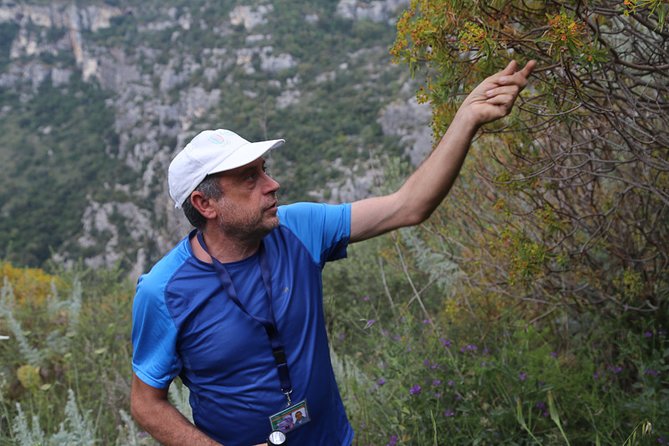
Gregorio also discusses the practical uses of the plants. You can learn which species have therapeutic or officinal uses, which have been used as food, and which are toxic. That makes the botanical portion more useful than simply naming flowers. You begin to see the reserve as a place where people have long gathered, avoided, and worked with local plants.
I appreciate this balance. A history-heavy tour can make the countryside feel like a backdrop. A nature-only hike can leave you unsure why the site matters. Here, the plants help explain the setting, while the ruins give the walk a human story.
The timing of seasonal flowers is not specified, so you should not book this expecting a particular orchid display. What you can count on is a focus on local plant life and its uses, with the exact sights shaped by the season and weather. The biodiversity also includes varied fauna and the very rare Macrostigma Trout, associated with the area’s waterways.
Same island, a completely different day out:
- Catania: Mount Etna Morning or Sunset Day Trip with Tasting
★ 4.8 · 4,028 reviews - Mount Etna: Guided Volcano Summit Hiking Tour with Cable Car
★ 4.7 · 3,784 reviews - Palermo: NO Mafia Walking Tour
★ 4.8 · 2,431 reviews - Palermo: Hop-on Hop-off Bus Tour 24-hour Ticket
★ 3.9 · 2,410 reviews
The Anapo River, Calcinara, and possible swimming
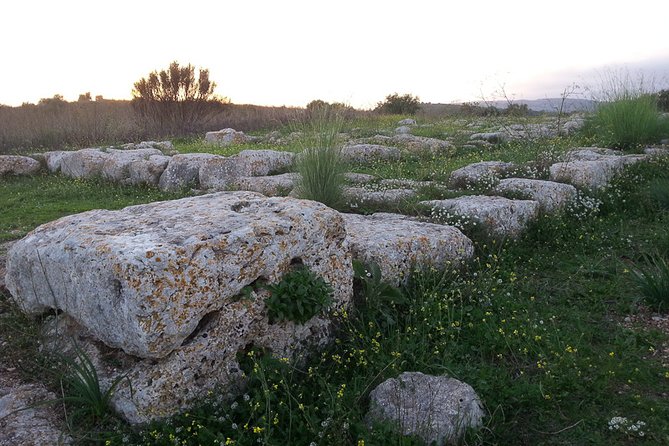
The rivers are central to Pantalica’s character. The reserve is bounded by the Anapo and its Calcinara tributary, and their gorges create the dramatic views that make the walk feel more adventurous than its distance suggests.
If the weather permits, the outing can include bathing in Calcinara’s cool water. This is a fine seasonal bonus, especially in summer, but it should not be treated as guaranteed. Weather can cancel the activity, and swimming depends on conditions during the visit.
There is also a chance to visit one of the active karst caves in the area. The information does not promise a specific cave or a full underground excursion, so think of this as a possible addition rather than the main event. The combination of limestone, water, caves, and rock-cut archaeology gives Pantalica its unusual character.
I would bring a towel and spare clothes only if swimming is important to you, but the tour details do not list swim equipment or changing facilities. The safer assumption is that you should be ready for a natural setting, not a managed swimming area.
The old Ciccio Pecora railway
One of Pantalica’s more unexpected details is the narrow-gauge railway known as Ciccio Pecora. It operated until the last century, leaving another layer of history among the ancient remains.
This small piece of industrial heritage is valuable because it widens the story beyond princes, churches, and tombs. Pantalica was not frozen in prehistory. People kept using the valleys and finding new ways to move through them.
The railway also gives the guide a chance to show how the same terrain challenged modern infrastructure. A narrow-gauge line suggests the practical limits imposed by steep ravines and rough ground. For you, it is a reminder that the reserve has been shaped by many generations, not only by its earliest inhabitants.
Do not expect a working train ride. The attraction is the remains and the story of the line, not transport during the tour.
What the three-hour schedule really gives you
The meeting time is 9:30 am at Piazza San Sebastiano in Ferla, in the province of Syracuse. The activity ends back at the same meeting point, which keeps the morning straightforward if you are arranging your own transport.
At about three hours, this is an introduction rather than an all-day expedition. The maximum walking distance is five kilometers. That should be manageable for most people, and the route is described as suitable for families as well as more experienced hikers, though paths can vary in difficulty.
I would think of the schedule in three parts: an explanation of the reserve and its ancient setting, a walk through selected archaeological and natural points, and time for the river or cave features if conditions and timing allow. The exact balance may shift. Swimming or extra interpretation can reduce the time available elsewhere.
Trekking poles are available on request. Ask for them when booking or before setting out, especially if you prefer extra support on uneven ground. Breakfast is not included, so eat before arrival or plan your morning accordingly.
Is $85.97 good value?
At $85.97 per person, the tour is not the cheapest way to see Pantalica. Its value depends on how much you want from the visit.
If you simply want to walk through the reserve and take in the cliffs, you may prefer an independent visit. The price makes more sense if you want the site explained as one connected story. You are paying for a guide who covers archaeology, Byzantine settlement, industrial remains, botany, plant uses, geology, and the possibility of swimming or seeing a karst cave.
The small group helps justify the cost. With a maximum of 12 people, Gregorio can point out details that would be easy to miss in a large outing and adjust explanations to the group. Group discounts may improve the price for parties booking together.
The strongest value is for curious visitors who do not want to choose between a hike and a cultural tour. Pantalica gives you both. The weaker value is for someone seeking a long, strenuous trek or a highly specialized archaeological study. Three hours cannot provide that level of depth.
Who should book this walk?
I would recommend it to you if you enjoy combining ruins with outdoor scenery and prefer a guide who can connect small details to a larger story. Families may find the moderate length useful, provided everyone is comfortable walking on natural paths.
It also suits visitors who want more than the best-known Sicilian towns. Pantalica offers a quieter kind of cultural experience, with tombs, churches, plants, water, and old transport remains spread across a large reserve.
Experienced hikers may enjoy it as a compact orientation, but might want more time and more kilometers afterward. One person who joined the walk wished there had been extra hours and distance, which points to the main limitation for serious walkers.
The tour can accommodate service animals, and most people can participate. Still, the route is outdoors and conditions can change. Ask about the day’s path if you have concerns about uneven ground, swimming, or cave access.
Booking, weather, and group size
Confirmation is sent within 48 hours of booking, subject to availability. The experience requires good weather, so a poor forecast can lead to a different date or a full refund.
A minimum number of participants is also required. If that number is not reached, you can be offered another date or experience, or receive a full refund. Free cancellation is available up to 24 hours before the 9:30 am start, while cancellations or changes made later are not refunded or accepted.
These rules are worth noting because the river and outdoor paths are a major part of the appeal. The weather policy protects you from being committed to a nature walk in poor conditions, but keep your plans flexible if Pantalica is a key part of your day.
Should you book Pantalica Nature History and Archaeology?
Book this experience if you want a guided morning that links Bronze Age tombs, Byzantine churches, plant life, rivers, and modern railway remains. Gregorio Chiarenza appears to be the right kind of guide for a place with so many layers, combining clear knowledge with humor and a personal feel.
Skip it if you want a full-day hike, guaranteed swimming, or long periods at every archaeological feature. The route is limited to about five kilometers and three hours.
For most people, this is a well-balanced way to meet Pantalica. You get the site’s major ideas without turning the morning into a punishing trek, and you leave with a better sense of why this reserve is far more than a collection of old tombs.
FAQ
Where does the tour begin?
It begins at Piazza San Sebastiano, Piazza S. Sebastiano, 96010 Ferla SR, Italy.
What time does the tour start?
The tour starts at 9:30 am.
Where does the tour end?
The activity ends back at the meeting point in Piazza San Sebastiano.
How long is the experience?
The experience lasts approximately three hours.
How far is the walking route?
The route has a maximum length of five kilometers.
How many people can join the group?
The activity has a maximum of 12 participants.
Is swimming included?
Swimming in the cool waters of Calcinara may be possible if the weather permits. It is not guaranteed.
Is breakfast included?
No. Breakfast is not included in the price.
Are trekking poles provided?
Trekking poles are available on request.
What happens if the weather is poor?
If the experience is canceled because of poor weather, you will be offered a different date or a full refund.
Just added around Sicily
- Anti-Mafia Heroes (Cool Hours) Morning Walking Tour★ 5.0 · 3 reviews
- Nicolosi: Excursion Etna Craters at 3000 mt.★ 4.2 · 3 reviews
- DISCOVER THE SECRET OF PALERMO Walking Tour Combining Art and best street food★ 5.0 · 3 reviews
- The art of the Italian Aperitivo with a local: Learn & Enjoy in Palermo★ 5.0 · 3 reviews
- Taormina PRIVATE EAST COAST EXCURSIONS 2 Exclusive Days with Guide Driver★ 5.0 · 3 reviews
- Monti Rossi Adventure Park Entry Ticket Full★ 5.0 · 3 reviews
- Guided kayak tour inside the Stagnone of Marsala★ 5.0 · 3 reviews
- Catania : Diving for patented divers★ 5.0 · 3 reviews
Historical Tours, compared.
UNESCO World Heritage Sites Guided Walking Tour
Read our review →
Walking Tour and street food Tour Palermo / History and Food
Read our review →
Discover Palermo in 3 hours. Art, history, markets and street food
Read our review →
Palermo in 2 hours Main monuments and historic markets
Read our review →
Browse the lists this tour appears in