
Reviewed · PALERMO TOURS
Palermo: Sicilian Bread Masterclass
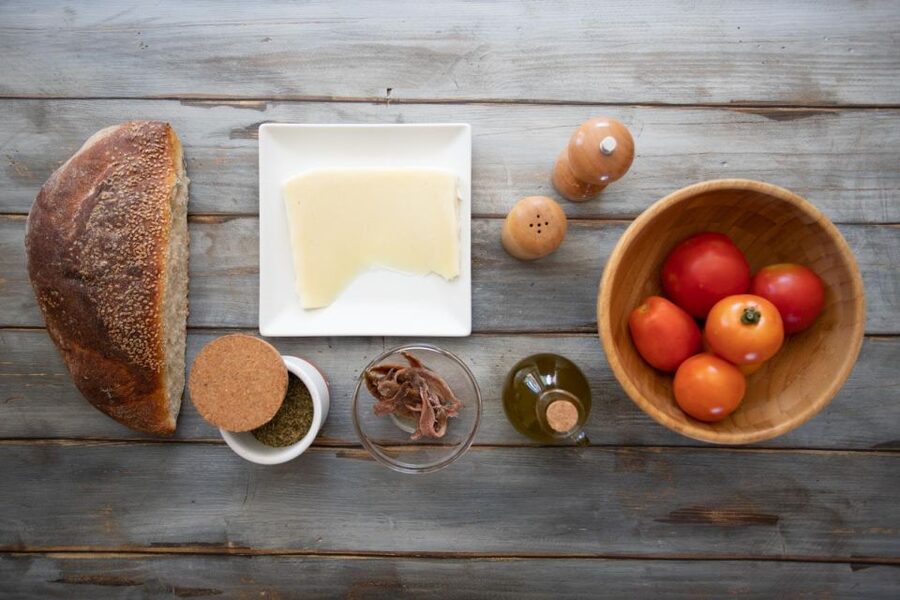
Palermo’s bread tells a bigger story than flour, water, and yeast. In this two-hour class, Chef Giacomo shows you how three local styles, Palermitano, Monreale, and brioscine, connect food with Sicilian identity. You work with the dough, learn the method, and finish by eating what you helped make.
I like the practical focus: you get useful tips, recipes, and advice on finding the right flour and ingredients. I also like the warm, generous spirit reported by people who joined, with food, wine, laughter, and more than bread on the table.
The main consideration is time. Two hours gives you a lively introduction, not a full professional baking course. If you want long fermentation experiments or a detailed study of Sicilian flour mills, this class may feel brief.
In This Review
- Key things to know before booking
- Why Sicilian bread makes a good Palermo class
- Meeting Chef Giacomo and getting started
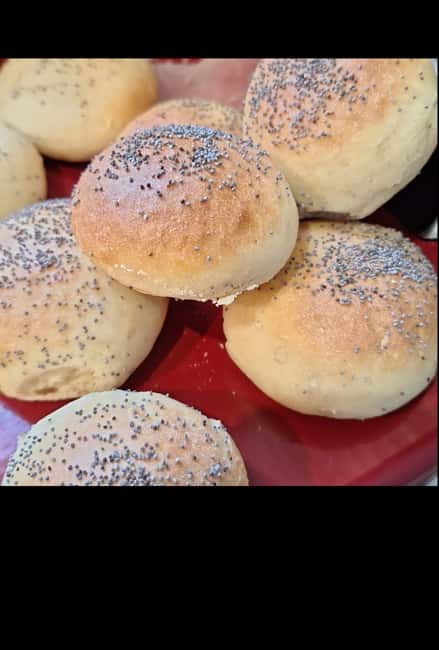
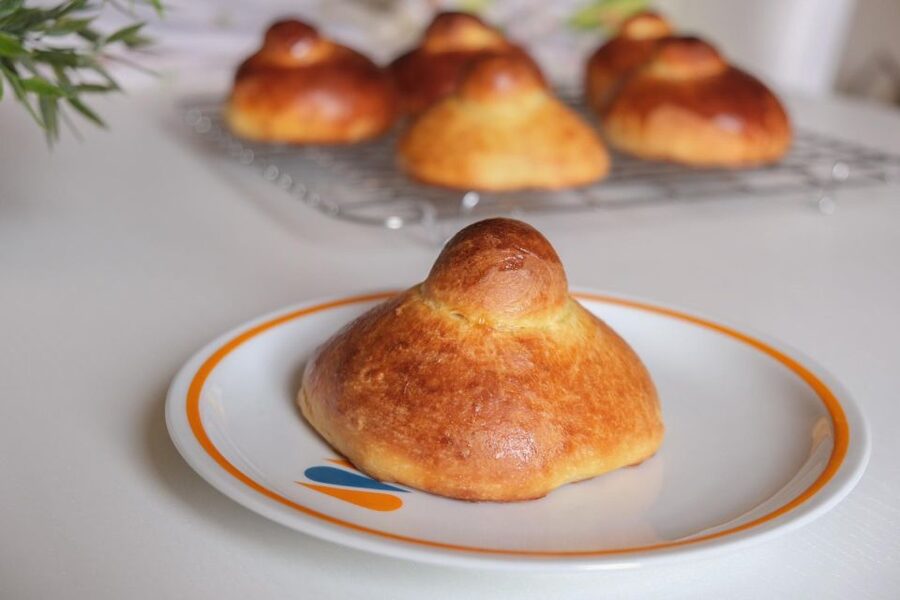
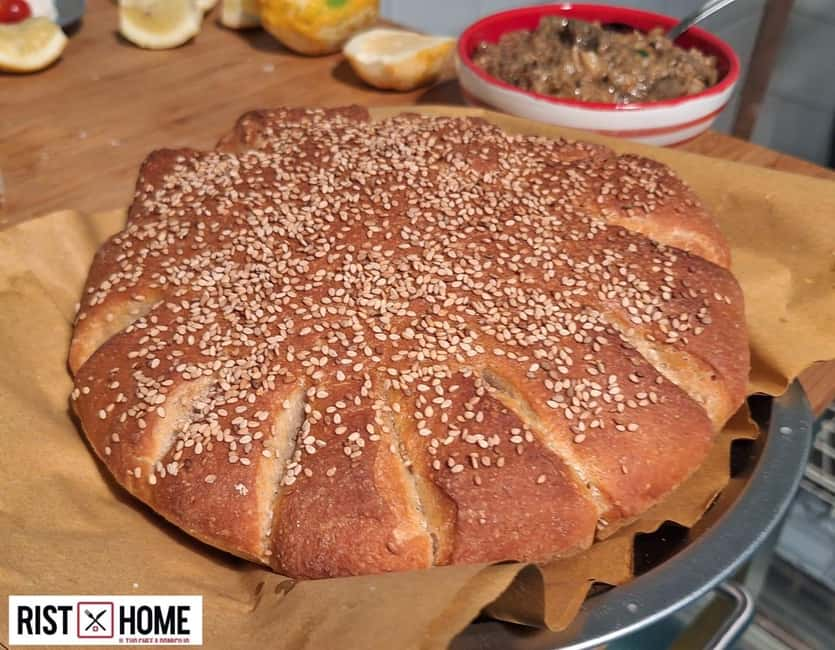
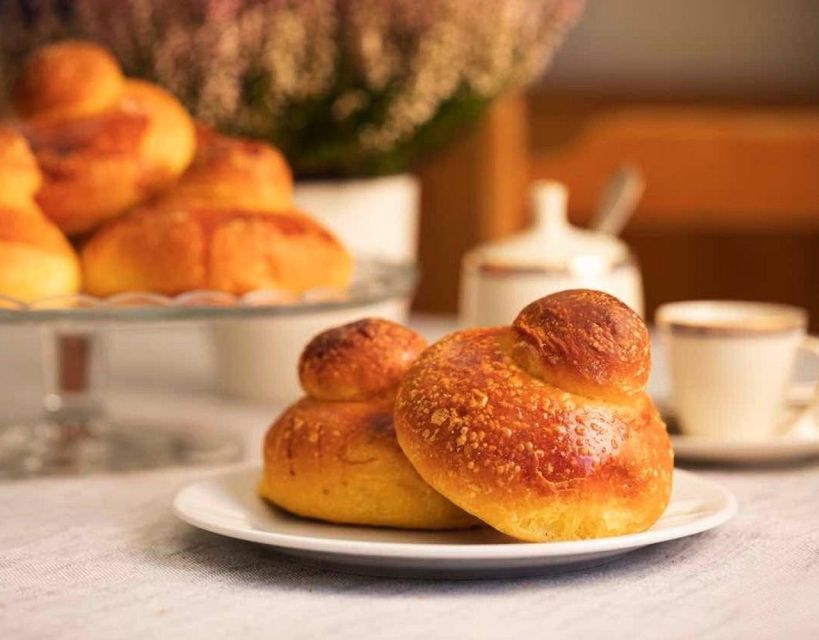
- Working through Palermitano, Monreale, and brioscine
- The final tasting, food, and wine
- What makes the class good value
- Who should book this bread masterclass
- Languages, access, and useful planning details
- How this compares with other Palermo cooking classes
- Should you book it?
- FAQ
- How long does the Palermo Sicilian Bread Masterclass last?
- Which breads will I learn to make?
- Who teaches the bread class?
- Which languages are available?
- Is the class wheelchair accessible?
- Can I cancel the class for a full refund?
- Can I reserve now and pay later?
Key things to know before booking
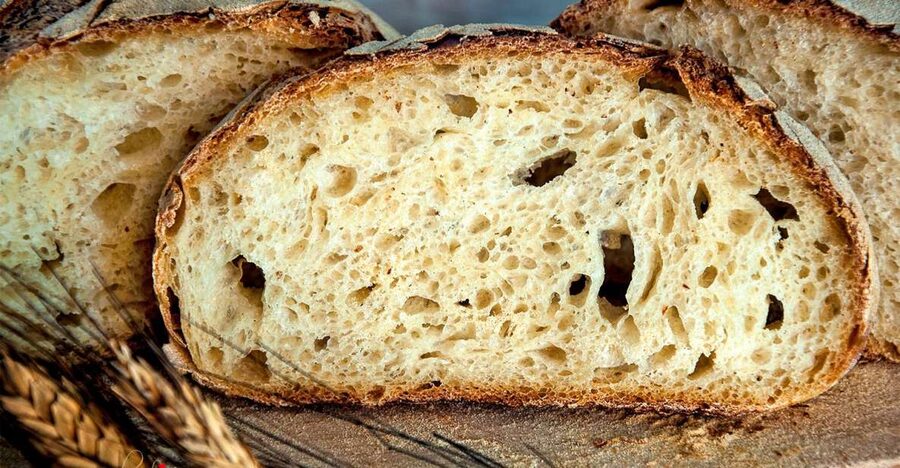
- Three Sicilian breads in one class: Learn the differences between Palermitano, Monreale, and brioscine.
- Chef Giacomo leads the session: He teaches in Italian, English, Spanish, French, or German.
- You work with several doughs: The class can include a range of foods made from three different dough preparations.
- Recipes and ingredient advice are included: You can take the lesson home and repeat it in your own kitchen.
- The tasting is part of the experience: Expect to eat the finished breads and other prepared food, with wine also part of the generous hospitality described by participants.
- Flexible format: Join at the Palermo facility or arrange the class in your own home, depending on the option booked.
Why Sicilian bread makes a good Palermo class
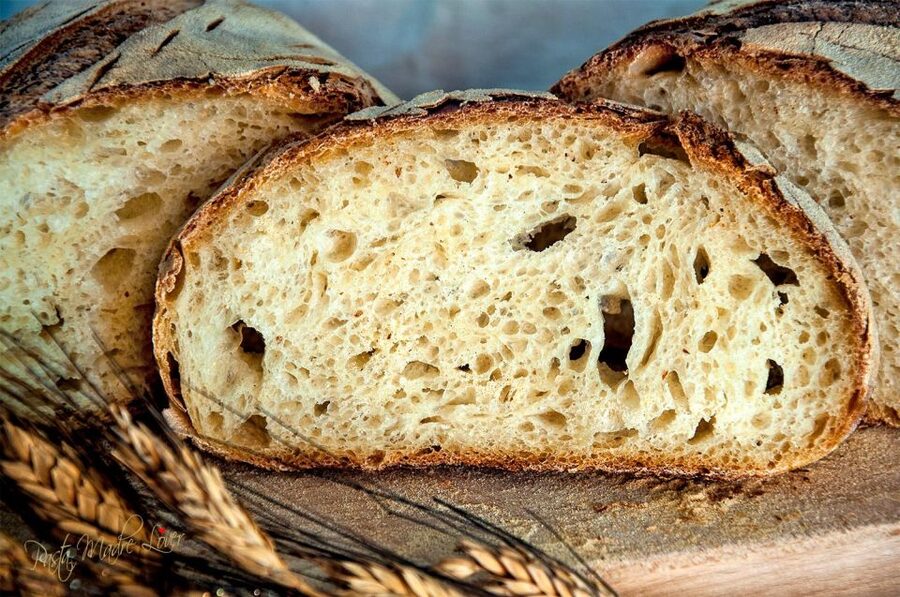
Palermo is easy to approach through its street food, markets, pastries, and family kitchens. Bread fits neatly into that picture because it is both everyday food and a marker of place. A class built around local bread gives you a way to understand Sicily through something you can touch, shape, smell, and eat.
That matters because a cooking demonstration can leave you with a pleasant memory but little ability to repeat it. Here, you handle the dough and follow the steps behind several regional styles. I like that practical angle. You do not simply watch a baker produce a finished loaf while you stand at the edge of the room.
The lesson centers on Palermitano, Monreale, and brioscine. These names are not just menu labels. They give the class a useful structure, allowing you to compare different shapes, textures, and uses. You begin to see that Sicilian bread is not one single thing, but a family of preparations with their own character.
The experience also suits a visitor who wants more than a standard sightseeing stop. Palermo’s famous churches and markets are important, but a bread lesson offers a quieter way to meet local food culture. You spend time with a cook, ask questions, and leave with stories you can share around your own dinner table.
Other Palermo trips travellers book alongside this one:
- Palermo: NO Mafia Walking Tour
★ 4.8 · 2,431 reviews - Palermo: Hop-on Hop-off Bus Tour 24-hour Ticket
★ 3.9 · 2,410 reviews - Palermo Original Street Food Walking Tour by Streaty
★ 5.0 · 2,105 reviews
Meeting Chef Giacomo and getting started
Chef Giacomo is the central figure in the class. His teaching style comes through as warm, clear, and involved. One experienced home baker found new techniques to add to an already well-used kitchen routine, while another participant appreciated the detailed explanations and precise guidance.
That combination is useful for mixed groups. If you bake often, you can listen for small changes in kneading, ingredient choice, or handling. If you are new to bread, the clear sequence should make the process less daunting. The class is not framed as a contest, so you do not need to arrive with baking experience.
The opening portion focuses on the building blocks of bread. You learn about ingredient selection, with particular attention to flour and other products that affect the final result. Advice on where to source ingredients is especially helpful if you plan to repeat the recipes after your trip.
I would pay close attention here. A recipe can tell you the quantity of flour, but it rarely explains why one flour works better than another, or how the dough should feel at a certain stage. A live teacher can point out these details as you work.
The facility in Palermo is described as state of the art, and the class may also be arranged in your own home. The exact setting affects the feel of the experience. A dedicated kitchen gives you a purpose-built place to work, while a home session may feel more personal. Check the available format when you choose your date.
Working through Palermitano, Monreale, and brioscine
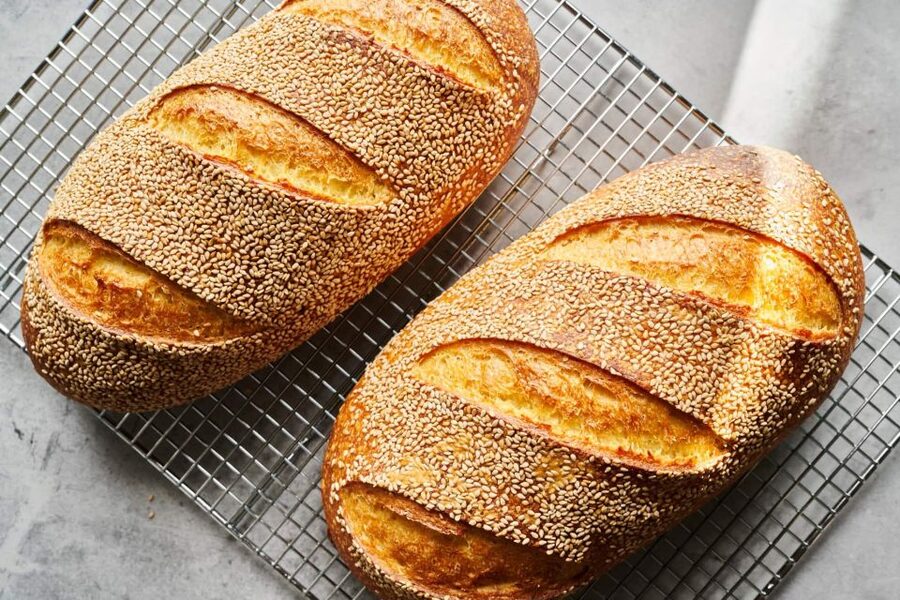
The heart of the class is the bread-making itself. You work through the techniques behind three Sicilian breads, beginning with the ingredients and moving through mixing, kneading, shaping, and baking.
Kneading is where the lesson becomes more valuable than a printed recipe. You learn how the dough changes as it develops and how handling affects the finished bread. This is also where Chef Giacomo’s hands-on teaching matters most. A written instruction can say knead until smooth, but a teacher can show you what smooth means.
The three breads give the session variety. Palermitano and Monreale provide a chance to compare two local styles, while brioscine brings another texture and shape into the picture. The point is not simply to produce three items. It is to notice how the method changes from one dough to another.
One participant who joined as an avid baker learned several new techniques. That is a strong sign for anyone who already owns a sourdough starter, mixer, or well-used baking tray. You should not assume the class is only for beginners. It has enough regional detail and technique to reward someone who already knows the basics.
Another participant described using three types of dough to make a variety of foods. That suggests the lesson reaches beyond a single loaf and shows how dough can serve different purposes. The exact selection may vary, so I would treat the bread names as the firm focus and the wider food preparation as an added part of the session.
The class is also a chance to slow down. Bread takes attention. You cannot rush every stage, and the work encourages you to notice texture, timing, and heat. For a visitor moving quickly through Palermo, that change of pace can be welcome.
The final tasting, food, and wine
The tasting brings the lesson together. After working through the doughs and baking process, you get to taste the results rather than simply pack them away. That final step matters because it lets you judge texture and flavor while the instruction is still fresh.
The food is not limited to a token bite. Participants describe generous servings and a broader meal-like experience, with food and wine included in the hospitality. One useful tip is to avoid eating before class. This is not a light demonstration with a single sample at the end.
I like the way the tasting turns technique into memory. You might forget the exact order of two kneading steps, but you are more likely to remember the feel of the bread, the taste of the flour, and the way the finished food worked with the meal.
The tasting also gives you a chance to ask final questions. If your dough at home turns out too wet, too firm, or too slow to rise, the advice you receive here may be more useful than another page of instructions. The class aims to make you a storyteller as well as a baker, and food is a good way to carry that story home.
Do keep your expectations measured. The supplied details do not promise a full sit-down Sicilian feast or a particular wine pairing. Think of the tasting as a generous close to a bread class, with additional food and wine possible as part of the experience.
Same island, a completely different day out:
- Segesta, Erice and Salt Pans Full-Day Excursion from Palermo
★ 4.2 · 1,791 reviews - Palermo: Teatro Massimo Opera House Guided Tour
★ 4.5 · 1,573 reviews - From Palermo: Monreale and Cefalù Half-Day Trip
★ 4.2 · 1,354 reviews - Palermo: Street Food and History Walking Tour
★ 4.9 · 1,294 reviews
What makes the class good value
No price is provided here, so I cannot judge whether the class is cheap or expensive in absolute terms. I can still explain what you are paying for. The value comes from the combination of instruction, hands-on preparation, regional context, recipes, ingredient advice, and a final tasting.
A simple bread demonstration would offer less. You would watch someone else mix and shape dough, perhaps taste one sample, and leave with a few photographs. This experience gives you techniques you can use later, along with recipes and sources for flour and other ingredients.
The value is strongest for someone who will bake at home. If you return from Sicily and never intend to turn on an oven, the food and cultural side may matter more than the practical lesson. If you enjoy cooking, the recipes and ingredient guidance give the class a longer life after your holiday.
The two-hour length also helps with planning. You can fit the session into a Palermo day without giving up an entire morning or afternoon. At the same time, two hours means the class must keep moving. You will get a focused introduction, not the slow pace of a multi-day baking workshop.
The reserve-now-and-pay-later option adds flexibility, and you can cancel up to 24 hours before the activity for a full refund. Those terms are useful when you are arranging several Palermo plans at once. A separate entrance for the class may also help you get inside without waiting in a general line.
Who should book this bread masterclass
I would recommend it most strongly to home bakers, food-focused visitors, and anyone who wants a hands-on activity in Palermo. It is also a good choice for couples, families, or small groups who want to eat together while learning something concrete.
You do not need to be an expert. The class is designed around explanation and practice, so beginners can follow the basic process while more experienced bakers can watch for regional methods and small technical adjustments.
It may also suit people who want a personal connection to Sicilian food without booking a market tour. A market visit shows you ingredients and daily life. This class shows you how those ingredients become something central to the table.
I would think twice if you dislike group cooking, have a very tight schedule, or want a highly technical course focused only on fermentation science. The experience has a social side, and the food, wine, and conversation are part of its appeal. It is about bread as culture, not just bread as a laboratory project.
The home option may appeal to you if you prefer a more private setting. The Palermo facility is likely the simpler choice if you want a dedicated cooking environment. Since the exact arrangement can depend on the booking option, confirm the setting before paying.
Languages, access, and useful planning details
Instruction is available in Italian, English, Spanish, French, and German. That wide language range makes the class easier to join for international visitors, particularly when the lesson depends on precise explanations about dough texture and technique.
The activity is wheelchair accessible. That is important for anyone who needs an accessible cooking experience, though you should still confirm the exact venue and any personal requirements before booking.
The duration is two hours, with starting times based on availability. I would place the class where you can keep the rest of the day fairly open. Bread work has a natural rhythm, and you will enjoy it more if you are not watching the clock.
The experience includes skip-the-line access through a separate entrance. Since the class takes place at a dedicated facility or in a private home setting, check the meeting details carefully after booking so you know where to go.
The cancellation policy allows a full refund when you cancel at least 24 hours in advance. You can also reserve without paying immediately under the pay-later option. These are practical benefits, especially if your Palermo schedule includes weather-dependent plans or changing arrival times.
How this compares with other Palermo cooking classes
Palermo has many food classes built around pizza, pasta, tiramisu, gelato, ravioli, cannoli, and market visits. Those are good choices if you want a broad meal, a famous dessert, or a tour through local produce.
This class is narrower and more focused. Bread receives the full attention, and the three named Sicilian styles give it a clear regional purpose. I would choose it over a general cooking class if you already know you care about baking or want a food skill that is easy to continue at home.
A pasta or pizza class may feel more immediately familiar to many visitors. A bread class offers a different reward. You pay closer attention to dough behavior, ingredient quality, and the connection between a basic staple and local tradition.
The best choice depends on your appetite for the subject. If you want several dishes and a full meal, compare the class with Palermo’s pasta, pizza, or dining experiences. If you want to leave with bread recipes and a better sense of Sicilian baking, this is the more direct match.
Should you book it?
Book this class if you want to understand Palermo through food and prefer doing over watching. Chef Giacomo’s clear instruction, the work with three doughs, the recipes, and the final tasting create a useful two-hour introduction to Sicilian bread.
I would especially choose it if you bake at home, because the flour advice and techniques can continue to pay off after you leave Sicily. Skip it if you want a long professional course or a meal with no practical instruction. For most food-minded visitors, it offers a friendly, focused way to take a piece of Palermo’s bread culture home.
FAQ
How long does the Palermo Sicilian Bread Masterclass last?
The class lasts two hours.
Which breads will I learn to make?
The class teaches Palermitano, Monreale, and brioscine breads.
Who teaches the bread class?
Chef Giacomo leads the experience. The provider is RistHome, a private chef service specializing in Mediterranean fine dining.
Which languages are available?
Instruction is available in Italian, English, Spanish, French, and German.
Is the class wheelchair accessible?
Yes, the activity is listed as wheelchair accessible.
Can I cancel the class for a full refund?
Yes. You can cancel up to 24 hours before the activity for a full refund.
Can I reserve now and pay later?
Yes. The pay-later option lets you reserve a place without paying at the time of booking.
Just added around Palermo
- Anti-Mafia Heroes (Cool Hours) Morning Walking Tour★ 5.0 · 3 reviews
- The art of the Italian Aperitivo with a local: Learn & Enjoy in Palermo★ 5.0 · 3 reviews
- Private transfer from Palermo airport to Mercure Palermo Centro or vice versa★ 5.0 · 3 reviews
- ERICE and SEGESTA Private Exclusive Tour starts from Palermo with Guide Driver★ 4.0 · 3 reviews
- Private 10 hour tour to Agrigento (Valley of the Temples) from Palermo★ 5.0 · 3 reviews
- Palermo Private MINITOUR of WEST SICILY 4 Days with Guide Driver★ 5.0 · 3 reviews
- The Best Of Sicily and Sorrento & Culinary Experiences, Deluxe★ 5.0 · 3 reviews
- Transfer from Palermo Airport to Scopello and Tonnara di Scopello★ 5.0 · 3 reviews
Palermo Tours, compared.
Palermo Original Street Food Walking Tour by Streaty
Read our review →
Segesta, Erice and Salt Pans Full-Day Excursion from Palermo
Read our review →
Agrigento and the Valley of the Temples Day Tour
Read our review →Browse the lists this tour appears in