
Reviewed · SYRACUSE TOURS
Museo delle Illusioni – Siracusa –
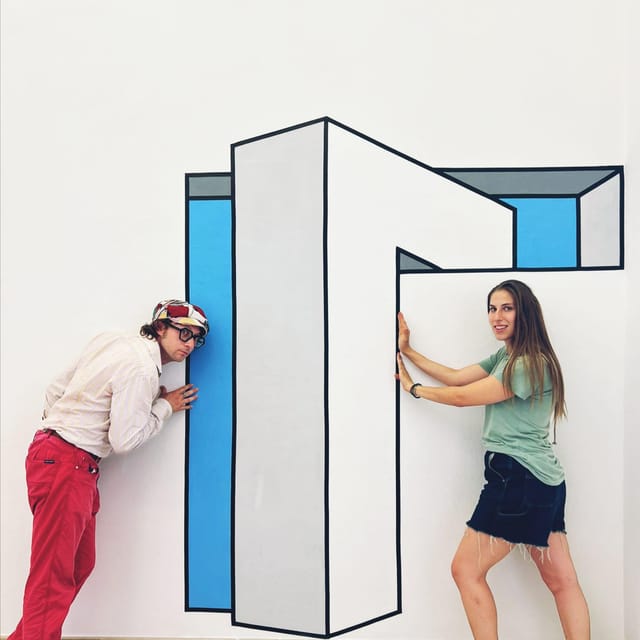
The cleverest part of Syracuse’s Museo delle Illusioni is that it asks you to question your own eyes. Inside a historic building on Ortigia, you’ll find optical effects, puzzle stations, special rooms, light shows, and photo setups designed to make ordinary rules feel unreliable. I like the hands-on format, because you are meant to experiment rather than quietly walk past glass cases.
I also like that the museum is made in Sicily and built for more than one kind of visitor. Families can turn it into a playful outing, while children, school groups, young people, and artists may find different ideas to enjoy. The camera is not merely allowed here, it is part of the fun.
The main caution is value. At $17 per person, this is not a long historical museum visit, and the available feedback suggests it may suit families best. If you prefer ancient artifacts, detailed explanations, or a quiet gallery, this could feel light.
In This Review
- Key things to know before you go
- A museum where your eyes get the questions wrong
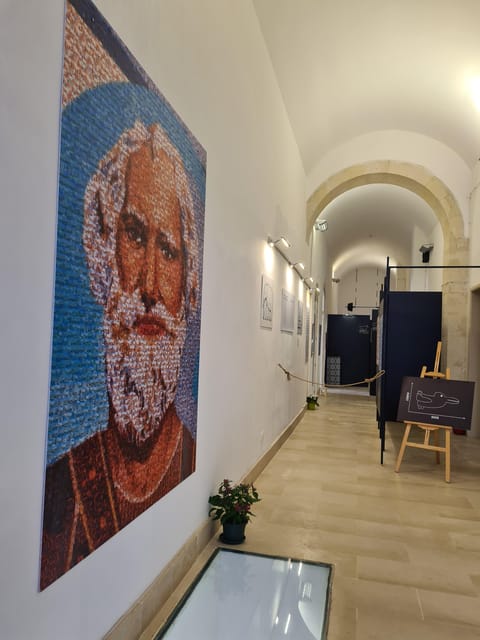
- What the visit offers inside the Ortigia building
- Why the camera matters here
- A family outing with room for creativity
- The educational side: physics, psychology, and perception
- How to judge the $17 price
- Booking details that make planning easier
- Where it fits in a Syracuse day
- Who should book it
- FAQ
- Where is Museo delle Illusions located?
- How much does admission cost?
- How long is the ticket valid?
- What can I see inside the museum?
- Can I take photographs inside?
- Is the museum suitable for children?
- What languages are available?
- Is the museum wheelchair accessible?
- Can I cancel my booking?
Key things to know before you go
- Optical tricks are the main event: Expect visual effects, puzzles, special rooms, and displays that play with perception.
- Photography is part of the visit: Bring your camera or phone for unusual pictures and social media shots.
- The museum is in Ortigia: You’ll visit inside a historic building on Syracuse’s enchanting island district.
- It works best as an active outing: You are encouraged to experiment, laugh, create, and take part.
- The ticket stays valid for 20 days: The validity period begins with your first activation.
- Practical booking is flexible: You can skip the ticket line, reserve now and pay later, and cancel up to 24 hours ahead for a full refund.
A museum where your eyes get the questions wrong
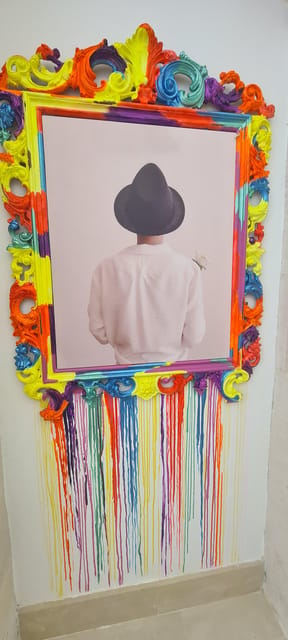
Many museums ask you to look closely at an object. Museo delle Illusioni asks you to look closely at yourself. The displays use optical effects, physics, psychology, light, and visual tricks to show how easily the mind builds a version of reality.
That makes this a different sort of stop in Syracuse. You are not simply reading labels and moving on. You may be asked to stand in a certain place, inspect an image, solve a puzzle, or use your body and camera to understand what is happening.
The supplied information does not list individual exhibits by name, so I would not arrive expecting a specific famous room or a fixed sequence of attractions. Instead, think of the visit as a collection of interactive stations. The pleasure comes from testing each one and figuring out why your senses respond as they do.
This format suits curious people who like to ask how did that happen? It also gives younger children something concrete to do. You can point, test, laugh, take a picture, and try again. That active rhythm is often easier for a family than a formal museum where everyone must stay silent and move at the same pace.
Other Syracuse trips travellers book alongside this one:
- Syracuse: Boat Tour with Captain Mirko, Snorkeling & Caves
★ 4.7 · 746 reviews - Siracusa: Ortigia Boat Tour with Marine Grotto
★ 4.7 · 617 reviews - Siracusa: Ortigia & Sea Caves Speedboat Tour with Swim Stop
★ 4.9 · 499 reviews
What the visit offers inside the Ortigia building
The museum is located in a historic building on Ortigia, Syracuse’s island district. That setting matters. You are not making a special trip to an isolated attraction outside town. The museum can fit naturally into a day spent walking around Ortigia.
Inside, the stated mix includes exhibitions, optical effects, tricks, light shows, puzzles, and special rooms. Each type of display brings a slightly different kind of challenge.
Optical effects play with size, shape, color, distance, and movement. You may see something that appears to change when you shift your position, or an image that your brain interprets in an unexpected way. These exhibits are easy to enjoy at first glance, but they become more interesting when you stop and ask why your perception is being fooled.
Puzzles add a mental test. They make the museum more than a series of photo backgrounds, especially for visitors who enjoy working things out. I would give yourself time at each station rather than rushing through for a quick collection of pictures.
Light shows and special rooms bring a more theatrical side. The details of the individual rooms are not specified, so the best approach is to expect changes in mood, color, and perspective without planning around one particular effect.
The museum also connects the fun to science and psychology. You do not need specialist knowledge to enjoy it, but the ideas give the visit some substance. The displays turn abstract subjects into things you can see and test for yourself.
Why the camera matters here
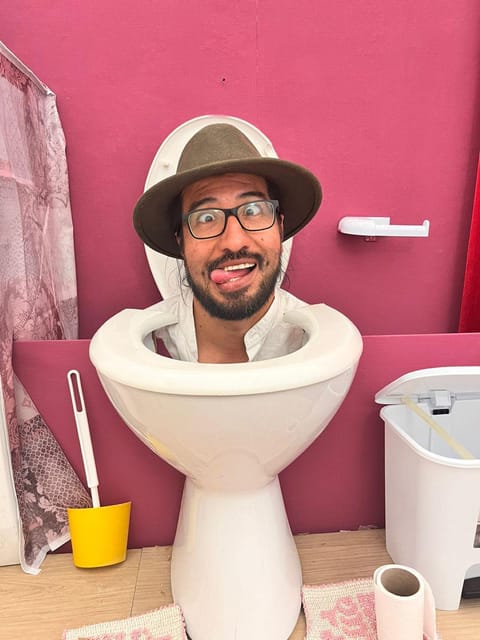
At many museums, taking photos is restricted or discouraged. Here, photography is described as essential to the full experience. That tells you something important about the design: some illusions are meant to be understood through the camera as well as through your own eyes.
You may find that a position, angle, or pose makes the effect clearer in a photograph. A person can appear to interact with a room or image in a way that looks surprising on a phone screen. That gives you a small creative project at each stop.
I would keep your phone charged and ready. You do not need professional equipment. A standard phone camera should let you test the effects and save the results, though the exact photo setups are not specified.
The camera also changes the social side of the visit. You can compare what you saw with what the image captured. Children may enjoy posing, while older visitors may appreciate the visual explanation behind the trick. Artists and anyone interested in composition can pay attention to framing, balance, and forced perspective.
The drawback is that a photo-focused museum can feel less rewarding if you do not enjoy taking pictures. If you would rather concentrate on written information or historic objects, the camera-based format may not be your ideal match.
A family outing with room for creativity
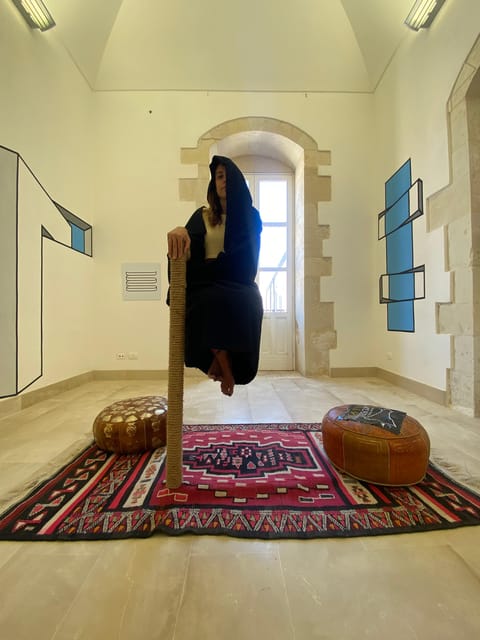
The museum is specifically presented as suitable for families, children, young people, schools, and artists. That broad audience is useful, but it also means the visit is not aimed at one narrow style of museumgoer.
For families, the strongest feature is participation. A child can engage with an illusion by moving, guessing, posing, or solving. Adults can join in instead of standing to one side. That makes the activity easier to share across age groups.
For school groups, the links between physics, psychology, and perception may help turn a lesson into something visible. The information does not describe formal educational talks or worksheets, so you should not assume a guided school program. Still, the interactive displays can provide a starting point for discussions about how the eye and brain work.
Young people may enjoy the social and photographic side. The museum gives them reasons to take pictures together, test unusual angles, and make their own small scenes. Artists may respond to the relationship between space, light, proportion, and the human body.
One available three-star comment called the attraction probably best for families. I would take that as a useful warning rather than a criticism of the whole concept. The museum’s strengths are play, surprise, and participation. If those are not high on your list, the $17 ticket may feel harder to justify.
Same island, a completely different day out:
- Syracuse: Neapolis Archaeological Park Small Group Tour
★ 4.7 · 350 reviews - Syracuse: Pillirina, Ortigia, and Sea Caves Tour by Boat
★ 4.6 · 348 reviews - Syracuse: Ortigia Island and Sea Caves Boat Tour with Drinks
★ 4.6 · 337 reviews - Syracuse: Coast and Sea Caves Full Transparent Boat Tour
★ 4.8 · 330 reviews
The educational side: physics, psychology, and perception
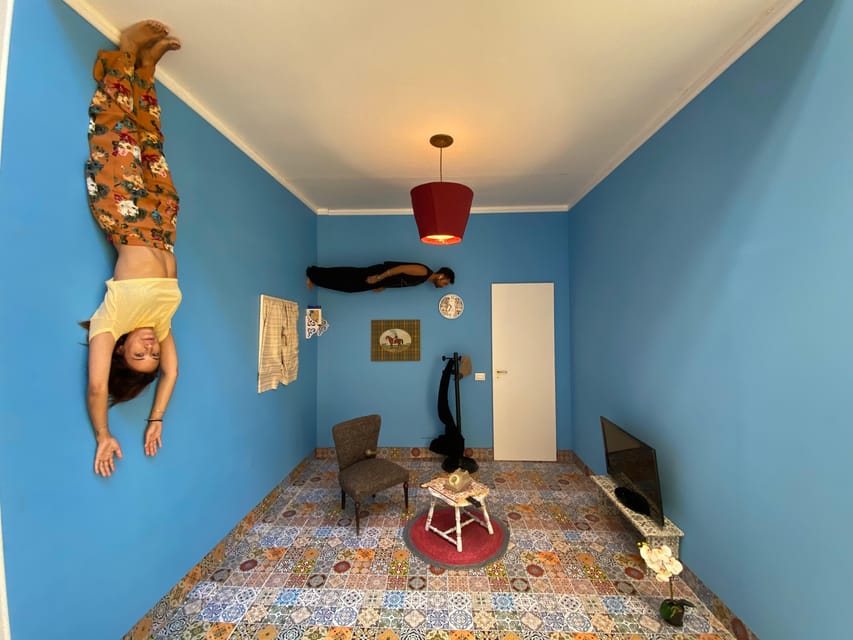
The museum works because it turns a lesson about the mind into a personal experience. You do not simply hear that perception can be unreliable. You see the effect and notice your own reaction.
Physics enters through light, angles, space, and visual structure. Psychology enters through the way the brain sorts information and makes quick assumptions. History is also listed among the subjects connected to the museum, though no specific historical exhibits are described.
That combination gives parents and teachers useful ways to talk about the visit. You might ask why an image looks different from one position to another, why a room seems unusual, or why a photograph captures something your eyes did not notice in the same way.
Still, keep the educational claim in proportion. This is designed first as a playful, interactive attraction. It is not presented as a specialist science museum, and the available information does not promise detailed lectures or expert demonstrations. I would visit for the experience first, then enjoy the learning that grows out of it.
How to judge the $17 price

At $17 per person, the ticket sits in the range where you should think about the type of afternoon you want. The price may make sense if you are visiting with children, enjoy unusual photos, or want an indoor activity that everyone can take part in.
The value is strongest when you use the museum actively. If you move through quickly, skip the puzzles, and take only a few pictures, the admission may feel high for a short outing. If you test the displays, repeat effects, and spend time creating photos, you get more from the ticket.
The attraction also gains value from its location. Because it is in Ortigia, you can pair it with the rest of your time on the island rather than paying for a separate excursion outside Syracuse. The ticket is valid for 20 days from first activation, which is unusually flexible if your plans change or you want to use it during a longer stay.
No exact visit length is provided, so I would not build an entire day around the museum. Treat it as one stop within an Ortigia sightseeing plan. That keeps expectations sensible and lets the museum work as a change of pace between churches, streets, food stops, and other sights.
Booking details that make planning easier
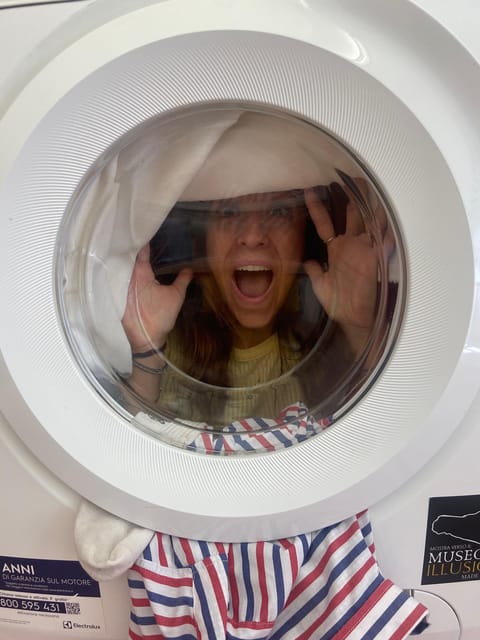
You can reserve the activity and pay later, which helps if your schedule in Syracuse is still moving around. You can also cancel up to 24 hours in advance for a full refund.
The ticket offers skip-the-line access. That can be useful during a busy period, especially since interactive attractions may take longer to process than a simple exhibit hall. The information does not state how long any normal queue might be, so I would value this mainly as a convenience rather than a guarantee of a major time saving.
A host or greeter is available in English, French, Italian, and Spanish. Those language choices make the attraction easier to use for an international audience, though no individual host names or specific guided presentation are provided.
The museum is wheelchair accessible. That is an important practical point, but the available information does not describe the width of individual rooms, the layout of every exhibit, or the exact accessibility of each puzzle. If you need detailed access information, contact the museum before booking.
Where it fits in a Syracuse day
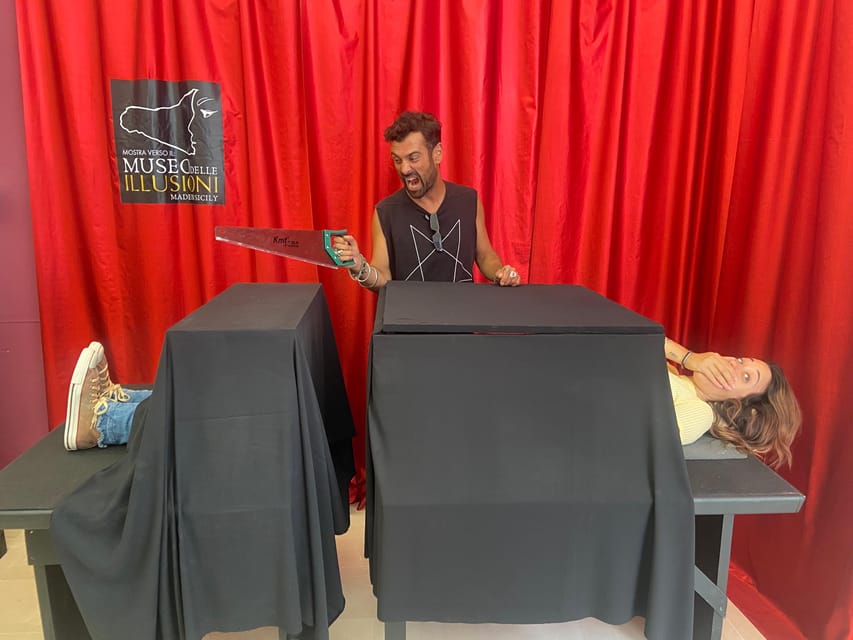
Ortigia rewards wandering, and the museum works best as part of that wider outing. Start with the parts of the island that interest you, then use the museum as a playful change from churches, architecture, food, and outdoor sightseeing.
Because the museum sits in a historic building, the setting adds a little character before you even reach the displays. Once inside, the atmosphere shifts from old stone and traditional streets to light, tricks, and visual surprises.
I would avoid treating this as a replacement for Syracuse’s archaeological attractions. The museum offers a modern, playful look at the mind, while Syracuse’s other major sights provide art, architecture, and ancient history. They serve different purposes, and pairing them gives you a more varied day.
The 20-day validity period also helps if you are staying in Sicily for a while. You can activate the ticket when it best fits your plans, then use it within the stated validity period. The information does not confirm whether repeated entry is allowed, so assume the ticket is for the normal admission visit unless the provider tells you otherwise.
Who should book it
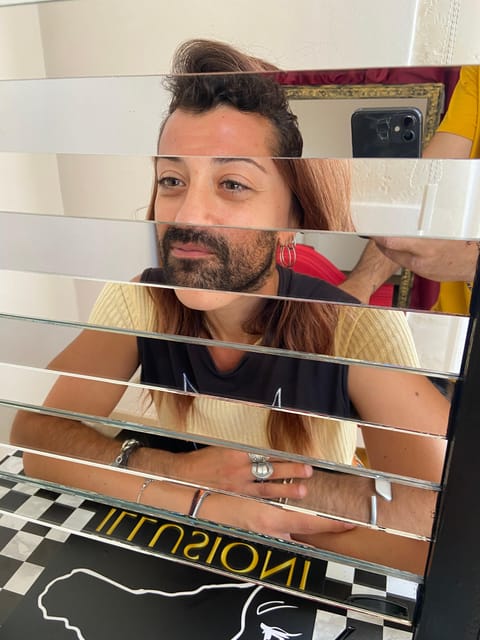
I would recommend Museo delle Illusioni to families who want an activity where adults and children can participate together. It is also a good fit for young people who enjoy taking photos, artists interested in visual ideas, and anyone who likes puzzles and perception tests.
It may suit you if you want a short, easy-to-pair attraction in Ortigia. The multilingual host option, wheelchair accessibility, flexible cancellation, and pay-later booking remove several common planning worries.
I would be more cautious if you are looking for a traditional museum with named masterpieces, long historical explanations, or a quiet scholarly visit. The attraction is built around action and visual surprise, not a large collection of objects.
At $17, I would book it when the format matches your interests and you plan to take your time with the displays. For a family day or a social photo stop in Ortigia, it has a clear purpose. For a solo visitor who dislikes staged pictures and puzzles, spend your money elsewhere.
FAQ
Where is Museo delle Illusions located?
It is located in a historic building on Ortigia, the island district of Syracuse in Sicily, Italy.
How much does admission cost?
The listed price is $17 per person.
How long is the ticket valid?
The ticket is valid for 20 days from the time you first activate it.
What can I see inside the museum?
You can expect exhibitions, optical effects, tricks, light shows, puzzles, special rooms, and displays connected to history, science, physics, and psychology.
Can I take photographs inside?
Yes. Photography is allowed and is described as an important part of enjoying the experience, including taking unusual pictures for social media.
Is the museum suitable for children?
Yes. It is presented as suitable for families, children, young people, schools, and artists.
What languages are available?
Hosts or greeters are available in English, French, Italian, and Spanish.
Is the museum wheelchair accessible?
Yes, the activity is listed as wheelchair accessible.
Can I cancel my booking?
Yes. You can cancel up to 24 hours in advance for a full refund. You can also reserve now and pay later.
Just added around Syracuse
- Sicily Boats Avola: Plemmirio boat tour 4 people 4 hours★ 5.0 · 3 reviews
- From Syracuse: Private Taormina and Castelmola tour with lunch★ 5.0 · 3 reviews
- Siracusa Iris Photography Experience★ 5.0 · 3 reviews
- Siracusa E-bike rental service★ 5.0 · 3 reviews
- Tour Ragusa Ibla, Modica and Noto, from Syracuse★ 5.0 · 3 reviews
- Cyclops Tour★ 4.5 · 3 reviews
- Archaeological Syracuse: Neapolis Park private tour★ 5.0 · 3 reviews
- Tour of Syracuse by Ape Calessino★ 3.0 · 3 reviews
Syracuse Tours, compared.
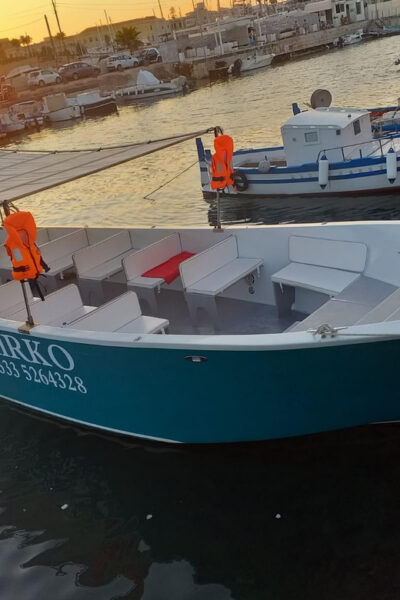
Boat Tour with Captain Mirko, Snorkeling & Caves
Read our review →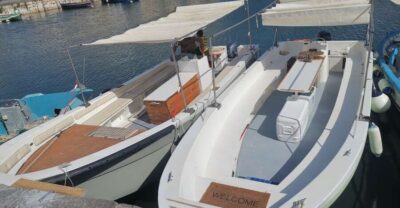

Ortigia & Sea Caves Speedboat Tour with Swim Stop
Read our review →

Ortigia Island and Sea Caves Boat Tour with Drinks
Read our review →

Street Food Walking Tour in Ortigia with Tastings
Read our review →Browse the lists this tour appears in