
Reviewed · ORTIGIA TOURS
Tour in bike history Island Ortigia and archeological park Neapolis
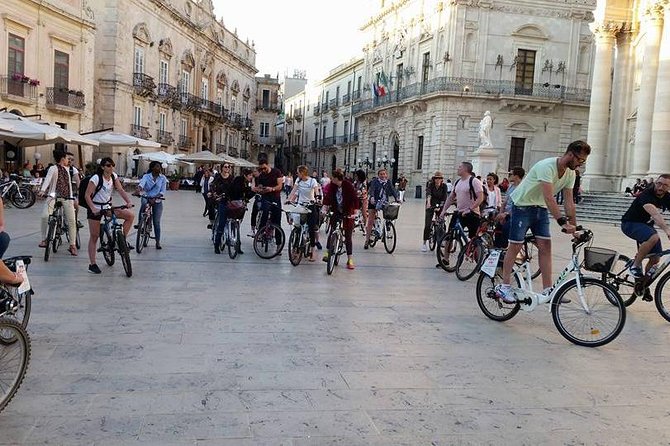
The most appealing part of this Syracuse tour is the chance to cover Ortigia and Neapolis by bicycle in one morning. You move between a handsome island old town and a major archaeological site without spending the day walking from one end of Syracuse to the other. The route includes Apollo’s Temple, Piazza Duomo, the Fountain of Diana, the Fountain of Arethusa, the Greek Theater, and the Roman amphitheater.
I like the choice of bikes, especially the e-bike option, which makes the four-hour route easier for many riders. I also like the private format: your group rides with its own guide rather than being folded into a large crowd. The main consideration is price. At $144.49 per person, this is a serious outlay, and the Neapolis admission ticket is not included.
In This Review
- Key points to know before you book
- Why a bicycle makes sense in Syracuse
- Meeting at Via della Dogana at 9 a.m.
- Ortigia begins with ancient remains
- Piazza Duomo and two very different fountains
- Riding onward to Neapolis Archaeological Park
- What the private format changes
- Bikes, equipment, and riding comfort
- Is $144.49 a fair price?
- Who should book this ride?
- Should you book the Ortigia and Neapolis bike tour?
- FAQ
- How long does the bike tour last?
- Where does the tour start?
- What time does the tour begin?
- Where does the tour end?
- Is the tour private?
- How many people are required to book?
- Is admission to Neapolis Archaeological Park included?
- What type of bicycle can I use?
- What is included in the tour?
- Is cancellation free?
Key points to know before you book
- Two sides of Syracuse in one ride: See Ortigia’s central sights, then continue to Neapolis Archaeological Park.
- E-bike or standard bicycle: Choose an e-bike, city bike, or mountain bike, subject to availability.
- Private guide and group: Only your party takes part, with a minimum of four people per booking.
- Italian-made bicycles: Bikes by Atala, Lombardo, and Bianchi Ducati come with practical touring touches.
- Neapolis ticket costs extra: Your guide and bicycle are included, but archaeological park admission is separate.
- Simple morning schedule: Meet at 9:00 a.m. on Via della Dogana 15 and return there after about four hours.
Why a bicycle makes sense in Syracuse
Syracuse is split between the compact island of Ortigia and the larger mainland area where Neapolis sits. They are not impossibly far apart, but seeing both on foot in a single morning would mean a lot of pavement and less time looking at the places that brought you here.
A bicycle gives you a better rhythm. You can stop at a square, look at a temple, ride onward, and let the guide connect the pieces. You are not simply ticking off monuments. You are seeing how ancient Syracuse and the later city fit together.
The e-bike is the practical choice if you are unsure about your fitness, dislike hills, or want to keep your attention on the sights rather than your legs. One rider specifically praised the ease of getting around on an e-bike. That is useful advice, particularly for a four-hour outing that includes both an urban route and an archaeological park.
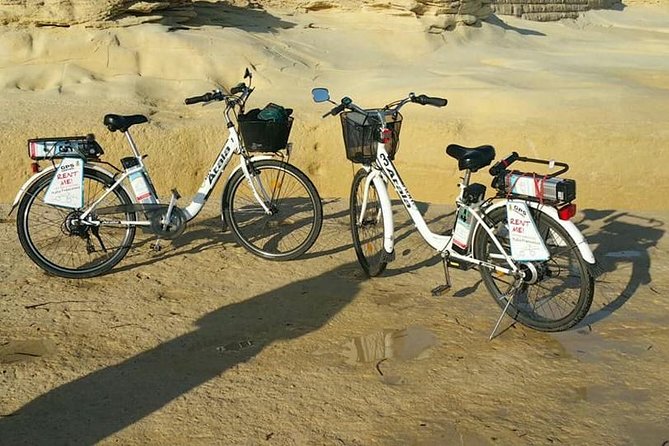
You can also request a normal city bike or mountain bike. The supplied bicycles are Italian brands including Atala, Lombardo, and Bianchi Ducati. Each bike is described as having a phone holder, basket, parcel holder, and silicone seat cover. Those are small additions, but they matter when you are carrying a water bottle, day bag, or phone for directions and photos.
More Ortigia walks in Sicily:
- Syracuse: Boat Trip of Ortigia Island and Sea Caves
★ 4.7 · 937 reviews - Tour of the island of Ortigia and exploration of sea caves with baths.
★ 5.0 · 668 reviews - Siracusa: Ortigia Boat Tour with Marine Grotto
★ 4.7 · 617 reviews
Meeting at Via della Dogana at 9 a.m.
The tour begins at Via della Dogana 15, near Ortigia, at 9:00 a.m. It also ends back at this meeting point. That makes the start and finish fairly easy to plan, especially if you are staying in or near central Syracuse.
You receive a helmet and a lock, along with the bicycle and bottled water. The phone holder is handy for keeping your device visible, though you should still listen to the guide rather than treat the ride like a self-guided navigation exercise.
The experience is private, but there is a minimum booking requirement of four people. That point changes the value calculation. At the listed $144.49 per person, the smallest qualifying group would pay $577.96 before the separate archaeological park tickets. For four people who want a private guide and a tailored pace, that may be reasonable. For one or two independent riders, it is not a flexible small-group option.
The tour is offered in English. Confirmation is normally sent when you book, though a booking made within two days of departure may take up to 48 hours to confirm, subject to availability.
Ortigia begins with ancient remains
The first part of the ride focuses on Ortigia, Syracuse’s historic island center. The route includes the Temple of Apollo, one of the clearest reminders that this is not simply a pretty seaside town. Its weathered columns and stone remains give you a direct look at the city’s Greek past.
A bicycle is especially useful here because Ortigia’s attractions are spread through streets and squares rather than arranged inside one single museum. You can ride between the stops without repeatedly retracing your steps. The guide’s role is important because the remains are easier to appreciate when you know what you are looking at and how the city’s old center developed.
The Fountain of Diana is another planned stop. Located in Piazza Archimede, it gives the ride a change of scale from archaeological ruins to a grand urban square. You can expect a short look and explanation rather than a long museum visit. The tour is built around movement, so this is not the right choice if you want extended time at every monument.
Piazza Duomo and two very different fountains
Piazza Duomo is one of the main highlights of Ortigia. The square brings together open space, stone architecture, and the cathedral area in a setting that rewards a pause. You can expect the guide to use the piazza as a key point in understanding the island’s civic and religious center.
The Fountain of Arethusa offers a different mood. It is tied to one of Syracuse’s best-known ancient legends and sits beside the waterfront. The stop gives you a chance to slow down and enjoy one of Ortigia’s most recognizable views before the ride continues.
The route’s appeal is the contrast between these places. The Temple of Apollo is an archaeological fragment. Piazza Duomo is a working urban space. The Fountain of Arethusa brings in water, myth, and the edge of the island. A walking tour could cover the same sights, but the bicycle lets you connect them with less effort and more range.
Do keep your expectations in check. The tour lasts about four hours and also includes Neapolis, so you will not have unlimited time in Ortigia. If you want to enter every church, examine every column, and linger at each fountain, you will probably prefer a longer private tour or a separate walking visit.
More history walks around Sicily:
- Palermo: Street Food and History Walking Tour
★ 4.9 · 1,294 reviews - Palermo: UNESCO World Heritage Sites Guided Walking Tour
★ 4.8 · 548 reviews - Palermo: Walking Tour of Historic Markets and Monuments
★ 4.9 · 478 reviews - Walking Tour and street food Tour Palermo / History and Food
★ 5.0 · 379 reviews
Riding onward to Neapolis Archaeological Park
The second major part of the experience is Neapolis Archaeological Park. This is where the tour shifts from compact city streets to a large archaeological area with several major ancient sites.
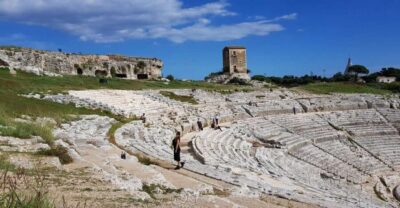
The Greek Theater is likely to be the centerpiece. It is one of Syracuse’s defining monuments, and its scale helps explain the city’s importance in the Greek world. The theater is not just an old stone structure to photograph. Its size and position show how public performance, civic life, and power were connected in the ancient city.
You will also see the Ara di Ierone, or Altar of Hieron. This enormous ancient altar is difficult to take in from a single glance. A guide can help you understand its purpose and size, which adds value to the stop. Without context, it may look like a broad stretch of stone. With an explanation, its role in public religious life becomes easier to picture.
The park also includes the Ear of Dionysius, a striking quarry cave associated with Syracuse’s old stoneworking and later legends. Its unusual shape is part of the attraction, but the stop also shows the less polished side of the ancient city. You are seeing where stone was cut and where people were confined, not only monumental public buildings.
The Roman amphitheater completes the park’s range. Its presence reminds you that Syracuse continued to matter under Roman rule, long after the Greek period. Seeing the Greek Theater and Roman amphitheater in the same morning makes the city’s long story easier to follow.
What the private format changes
A private tour gives you a more personal pace than a fixed large-group outing. You can ask questions as you go, and the guide can spend more time on the places that interest you most, within the limits of the schedule.
That format is particularly useful for a mixed group. One person may care most about Greek architecture, while another wants the main squares and fountains. The guide can adjust the explanation and keep the ride moving.
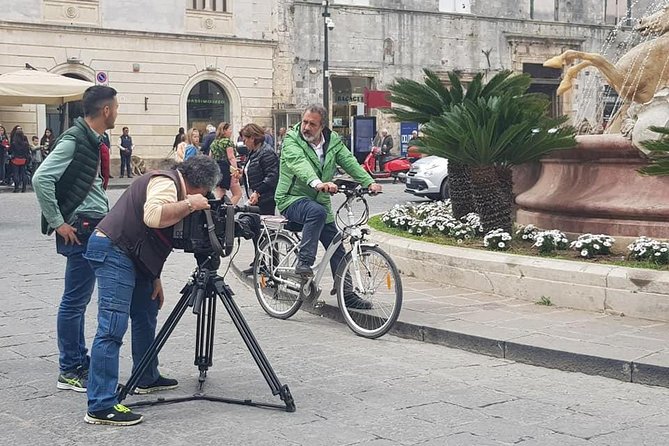
The available information names Joe as a guide who led an enjoyable e-bike route through Ortigia and offered strong local explanations. You should not assume Joe will lead every departure, but his presence suggests the experience can depend greatly on the individual guide. When booking, it is sensible to confirm the guide language and the bike type you want.
A private tour also means you are responsible for setting a comfortable pace. Tell the guide early if you need more time to adjust to the bicycle, pause for water, or take photographs. The supplied lock, helmet, water, and roadside assistance noted for the tour add reassurance, but they do not turn the outing into a casual ride with no physical demands.
Bikes, equipment, and riding comfort
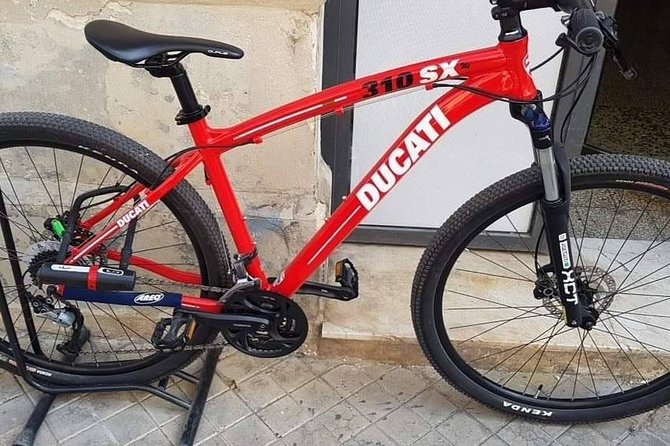
The bicycle selection is one of the tour’s strongest practical features. You may choose an e-bike, normal city bike, or mountain bike. The wording indicates that the choice is available, but it does not guarantee every type for every departure, so request your preference in advance.
The e-bike is the safest bet for convenience. It can reduce the effort needed to cover the full route and may help you arrive at the archaeological park with energy left for the monuments. If you already cycle regularly, a standard city bike may be perfectly adequate. A mountain bike could suit someone who prefers that style, though the route description does not specify off-road riding.
The Italian-made bikes are fitted for sightseeing rather than racing. A basket and parcel holder help with light belongings. A silicone seat cover may make a long urban ride more comfortable. The phone holder is useful, but secure your device carefully and avoid handling it while moving.
Helmets and locks are included. Bottled water is also provided. Lunch is not included, so plan to eat before or after the tour, or carry a small snack if permitted by the guide and park rules. Do not expect a meal stop to be built into the four-hour schedule.
Is $144.49 a fair price?
The price makes the most sense when you place a high value on private guiding, the bicycle, and the chance to cover both Ortigia and Neapolis in one morning. You are paying for a guide, bike use, helmet, lock, water, and a private route rather than simply renting a bicycle.
The cost is harder to justify if you are comfortable exploring independently. Ortigia can be walked, and the archaeological park can be visited separately. You will also need to pay the Neapolis entrance fee on top of the tour price, and lunch is extra.
For a group of four or more, the private format may compare well with booking several separate activities. For fewer than four people, the minimum booking rule is the bigger issue. I would choose this tour when convenience and expert orientation matter more than keeping the morning inexpensive.
The perfect value case is a group that wants one organized outing, prefers bicycles to long walks, and has limited time in Syracuse. The weaker case is a solo visitor or couple who wants a slow, low-cost visit and does not mind arranging transport and tickets independently.
Who should book this ride?
I would recommend it to reasonably active visitors who want to see a lot of Syracuse in a short period. The e-bike makes it suitable for many people who do not usually cycle long distances, though you should still be comfortable riding in an urban setting.
It suits first-time visitors who want a clear introduction to Ortigia and Neapolis. It also works for families or friends who value a private guide and can meet the four-person minimum.
I would think twice if you dislike bicycles, want extensive time inside each archaeological site, or are watching every euro. The tour is not designed as a slow archaeological seminar. It is a moving overview with several important stops, and its success depends on enjoying that pace.
The 9:00 a.m. start is another plus. You get the main sightseeing done early, leaving the rest of the day for lunch, independent exploring, or another Syracuse activity. Since the tour returns to Via della Dogana, you do not need to solve a separate transport problem at the end.
Should you book the Ortigia and Neapolis bike tour?
Book it if you want a private, active introduction to Syracuse and like the idea of combining city sights with major ancient monuments. The e-bike option, Italian bicycles, included safety equipment, and guide-led route make the experience easier than organizing the same morning on your own.
Skip it if the price feels high, you have fewer than four people, or you want long, unhurried visits at each site. Remember to budget for the Neapolis ticket and lunch. For the right group, though, this is a smart way to connect Ortigia’s fountains and squares with the Greek Theater, Roman amphitheater, and other major remains before the day gets away from you.
FAQ
How long does the bike tour last?
The tour lasts approximately four hours.
Where does the tour start?
It starts at Via della Dogana 15, 96100 Syracuse, near Ortigia.
What time does the tour begin?
The scheduled start time is 9:00 a.m.
Where does the tour end?
The activity ends back at the meeting point on Via della Dogana 15.
Is the tour private?
Yes. Only your group participates, rather than joining a shared group.
How many people are required to book?
A minimum of four people per booking is required.
Is admission to Neapolis Archaeological Park included?
No. Visitors must pay the archaeological park admission separately.
What type of bicycle can I use?
The tour offers e-bikes, normal city bikes, and mountain bikes. The bicycles include Atala, Lombardo, and Bianchi Ducati models, subject to availability.
What is included in the tour?
The tour includes a private guide, bicycle use, bottled water, helmet, and lock. Lunch is not included.
Is cancellation free?
Yes. You can cancel at least 24 hours before the local start time for a full refund. Cancellations and changes made less than 24 hours before the start are not accepted for a refund.
More Rides around Sicily
- Palermo: Guided Bike Tour with Street Food Tasting
★ 4.8 · 479 reviews - Rent road bike
★ 5.0 · 118 reviews - Bike tour of the historic center of Palermo with tasting
★ 5.0 · 91 reviews - Palermo: Historic Center Guided Bike Tour with Food Tasting
★ 4.7 · 85 reviews
Just added around Sicily
- Anti-Mafia Heroes (Cool Hours) Morning Walking Tour★ 5.0 · 3 reviews
- Nicolosi: Excursion Etna Craters at 3000 mt.★ 4.2 · 3 reviews
- DISCOVER THE SECRET OF PALERMO Walking Tour Combining Art and best street food★ 5.0 · 3 reviews
- The art of the Italian Aperitivo with a local: Learn & Enjoy in Palermo★ 5.0 · 3 reviews
- Taormina PRIVATE EAST COAST EXCURSIONS 2 Exclusive Days with Guide Driver★ 5.0 · 3 reviews
- Monti Rossi Adventure Park Entry Ticket Full★ 5.0 · 3 reviews
- Guided kayak tour inside the Stagnone of Marsala★ 5.0 · 3 reviews
- Catania : Diving for patented divers★ 5.0 · 3 reviews
Ortigia Tours, compared.
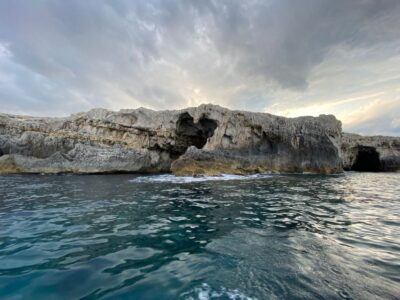
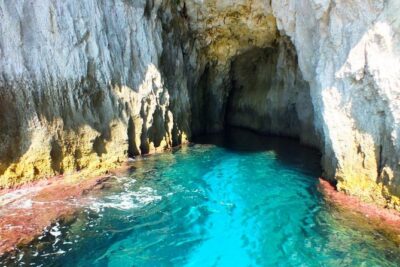
Tour of the island of Ortigia and exploration of sea caves with baths.
Read our review →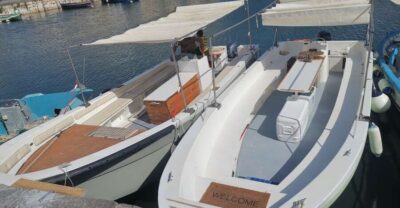
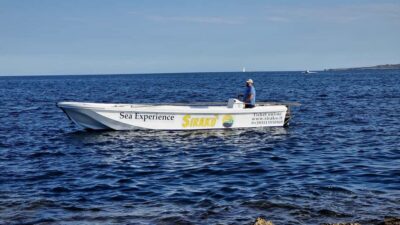
Ortigia & Sea Caves Speedboat Tour with Swim Stop
Read our review →

Ortigia Island and Sea Caves Boat Tour with Drinks
Read our review →Browse the lists this tour appears in