
Reviewed · WORKSHOPS
Taormina: Arancino Making Class with Drinks
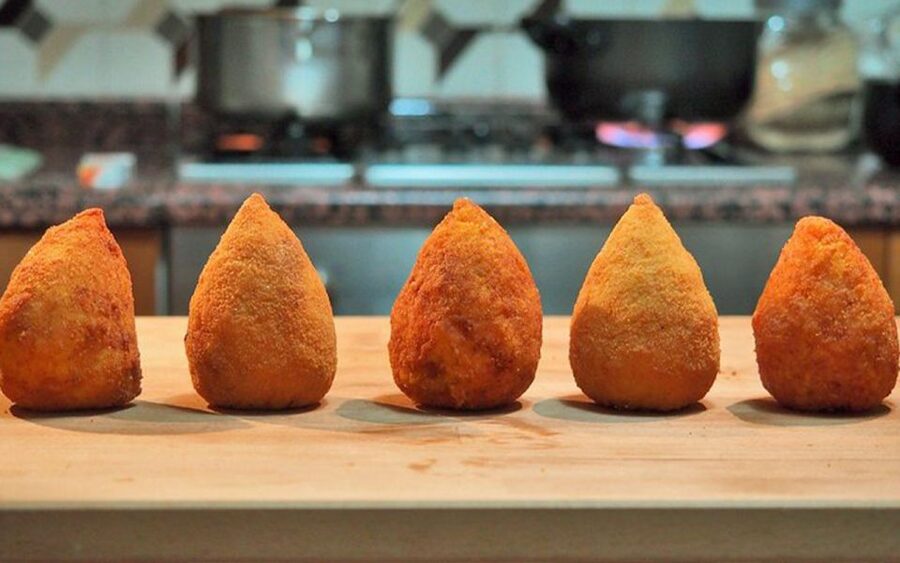
Taormina’s most useful food lesson may be the one that leaves you with a full stomach and a new party trick. In this arancino-making class, you learn how Sicilians shape rice around a filling, coat it for a crisp crust, and cook it until golden.
I like two things right away: the class takes place in an airy patio at Porta Messina Restaurant, and the meal is made from the arancini you prepare yourself. Wine, soft drinks, coffee, and a certificate are included too. The only caution is the short 1.5-hour schedule. You will cook a lot in that time, but this is a hands-on food activity rather than a long, detailed culinary course.
In This Review
- Key points at a glance
- Meeting at Porta Messina Restaurant
- Why arancini matter in Sicily
- Shaping the rice and choosing the filling
- Creating the crisp outer coating
- Eating your own Sicilian street food
- Dietary needs and family suitability
- Is $94 a fair price?
- Timing, cancellation, and what to wear
- Who should book this class?
- Final verdict: book it for the meal and the memory
- FAQ
- Where does the arancino-making class meet?
- How long does the class last?
- What languages are available?
- What food and drinks are included?
- Can the class accommodate dietary restrictions?
- What should I wear?
- Can I cancel or pay later?
Key points at a glance
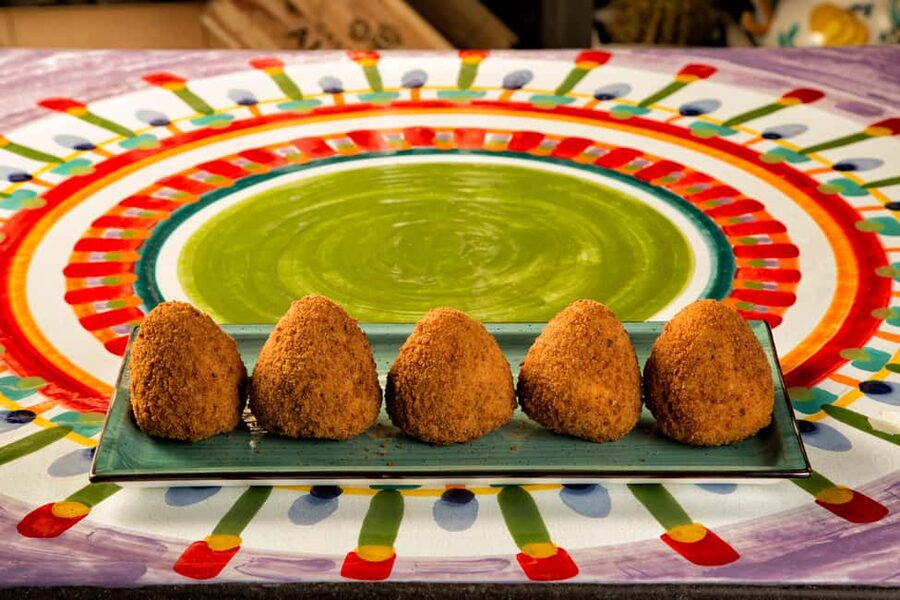
- Make several arancini each: Many participants prepare five or more, and some make more than ten.
- Learn the Sicilian details: The lesson covers shaping, fillings, coating, and final cooking, along with the local arancino versus arancina distinction.
- Eat and drink what you make: Your arancini become the main meal, served with water, wine, and soft drinks.
- Friendly named instructors: Paolo, Margherita, Luca, Francesca, Mary, and others have led sessions, with Italian and English available.
- Dietary needs can be discussed: Gluten-free, lactose-free, vegetarian, vegan, nut-free, kosher, and other requests have been accommodated.
- Meet in central Taormina: The restaurant is beside the Porta Messina Arch, making it easy to find after arriving in the old town.
Meeting at Porta Messina Restaurant
The class begins at Pizzeria Porta Messina, directly beside the Porta Messina Arch. This is one of the simplest meeting points you could ask for in Taormina. The arch marks the entrance to the old town, so you do not need to search down a side street or arrange a taxi to a distant kitchen.
I would allow a little extra time to reach the meeting point. Taormina’s central streets can be crowded, and the old-town setting is easier to enjoy when you are not rushing in with your cooking class already underway. Look for the restaurant beside the arch, rather than relying only on a street address.
The class takes place in a restaurant setting with an airy patio. That matters in Sicily, especially in the warmer months. You are not simply standing in a cramped demonstration kitchen. You have a social table setting where the cooking, eating, and conversation form one experience.
The setting also makes this a good activity for a break from Taormina’s churches, viewpoints, and steep streets. You get a taste of local food culture without giving up most of your day.
A few more Taormina tours and experiences worth weighing up
- Seaview Cooking Class & Taormina local flavors with Chef Mimmo
★ 5.0 · 665 reviews - COOKING CLASS in Taormina at Chef Massimo HOUSE!!
★ 5.0 · 543 reviews - Taormina: Half-Day Pizza Making Class
★ 4.8 · 353 reviews
Why arancini matter in Sicily
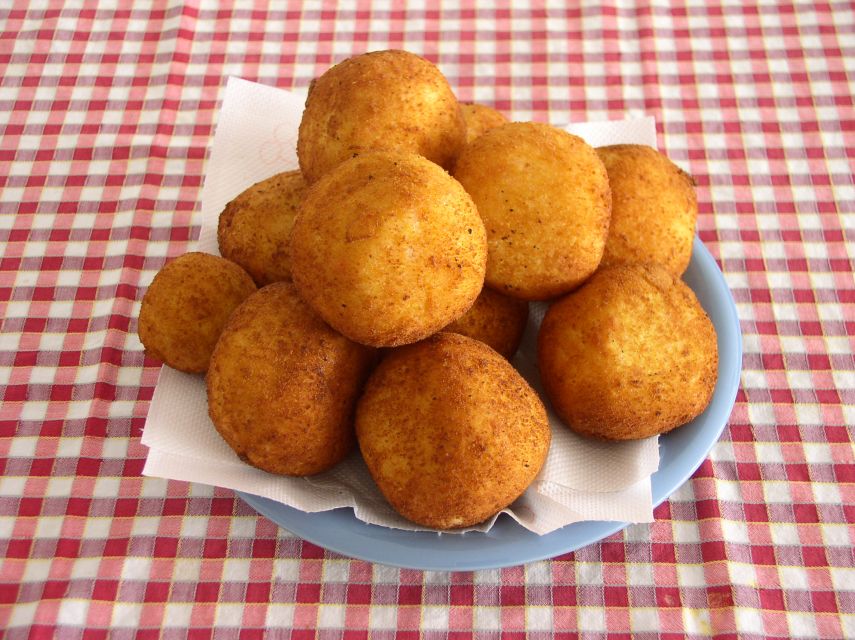
Arancini are among Sicily’s best-known street foods. At their simplest, they are rice balls with a filling, a crisp outer coating, and a fried finish. But the shape, filling, and even the name can vary across Sicily.
One useful detail covered in the class is the difference between arancino and arancina. The masculine form is strongly associated with eastern Sicily, including Taormina, while the feminine form is commonly heard elsewhere on the island. It is a small language lesson, but it helps you understand that Sicilian food traditions are local and sometimes fiercely debated.
The class also goes beyond showing you how to assemble a ready-made snack. You work through the rice, the filling, and the coating. That gives the dish more meaning than simply ordering one from a café window. You leave understanding why the rice must hold together, how the filling sits inside, and how the crust changes the final bite.
For me, this is the right level of food culture for a short holiday activity. You do not need to be a serious cook. You get enough background to connect the dish to Sicily, then move quickly into making it.
Shaping the rice and choosing the filling
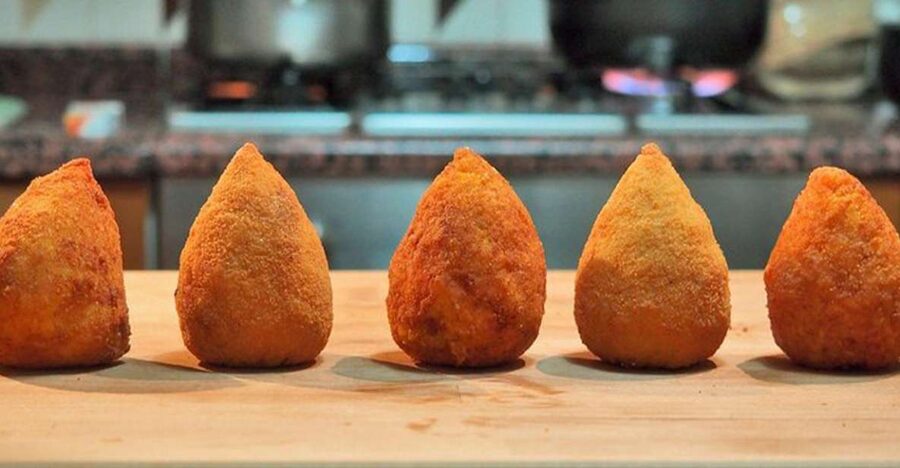
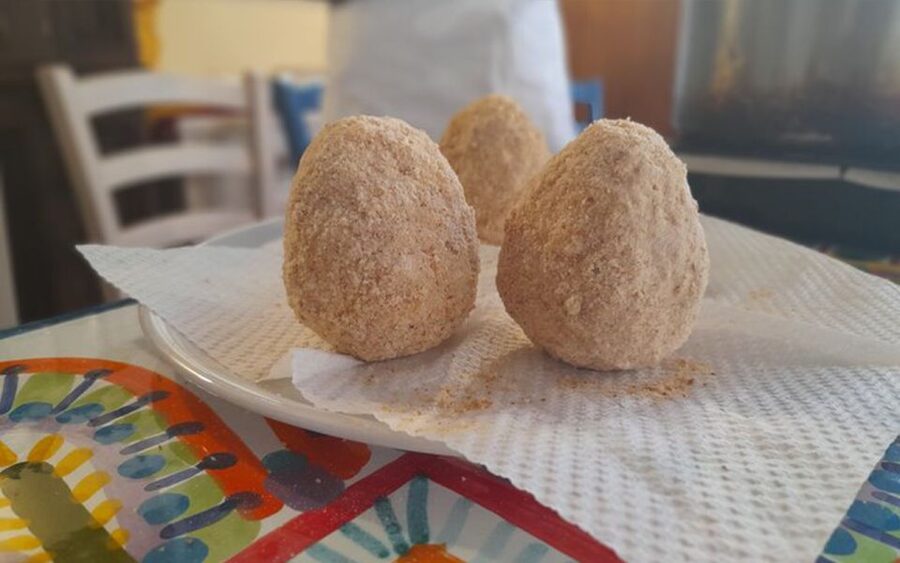
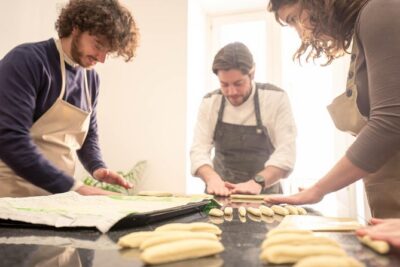
The first practical challenge is shaping the rice. You form the mixture around the filling and learn how to create the traditional shape. This takes more care than it looks. The rice needs to hold together, the filling needs to stay centered, and the outside must be even enough to receive its coating.
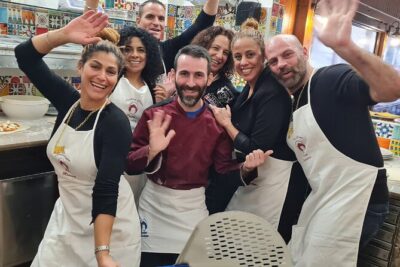
The instructors explain the techniques as you work. Paolo has been praised for making the lesson funny and easy to follow, while Margherita has been described as patient, friendly, and clear in English. Luca, Francesca, Mary, and other members of the team have also led classes, so the exact teaching style depends on who is working that day.
That changing instructor lineup is worth knowing. You cannot book this experience expecting one specific chef unless the provider confirms it. Still, the teaching has a consistent personal feel. The class is not presented as a stiff lecture. You learn by watching, trying, adjusting, and making another one.
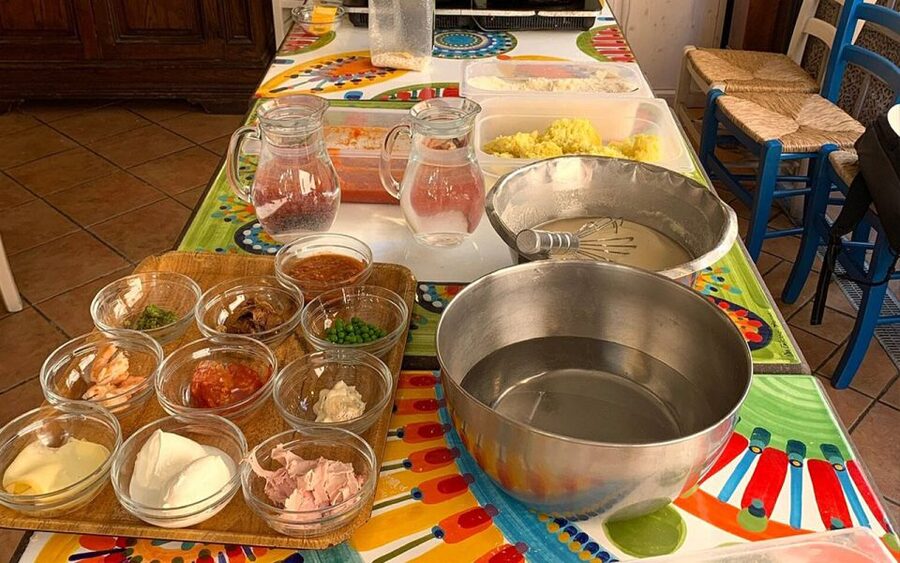
You may prepare different fillings, and some sessions allow you to choose among several options. The supplied details do not give a fixed list of fillings for every class, so I would not book this expecting one exact menu. Think of it as a chance to make several versions of a classic Sicilian dish.
The quantity is generous. People have prepared five or more arancini each, and one participant made over ten. That is good value, but it also means you should arrive hungry and avoid scheduling a large meal immediately afterward.
Creating the crisp outer coating
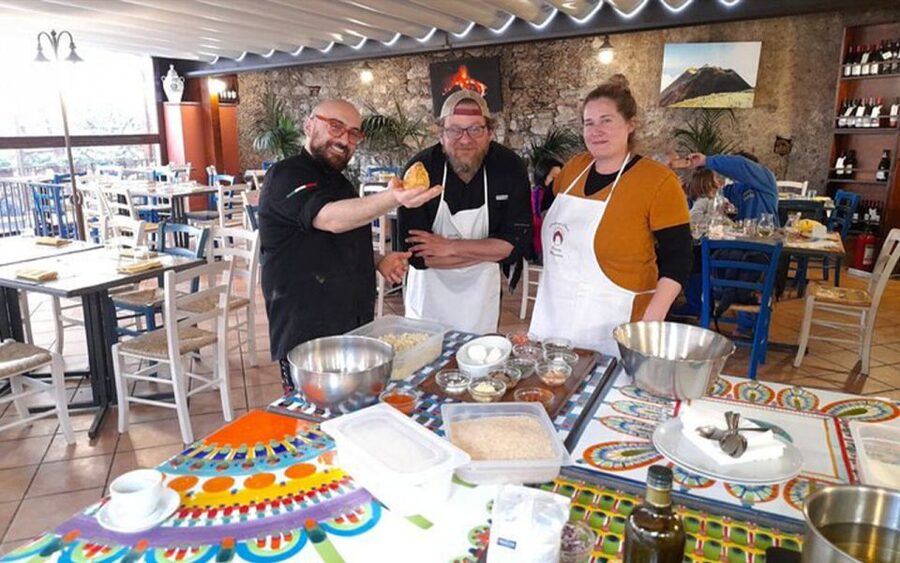
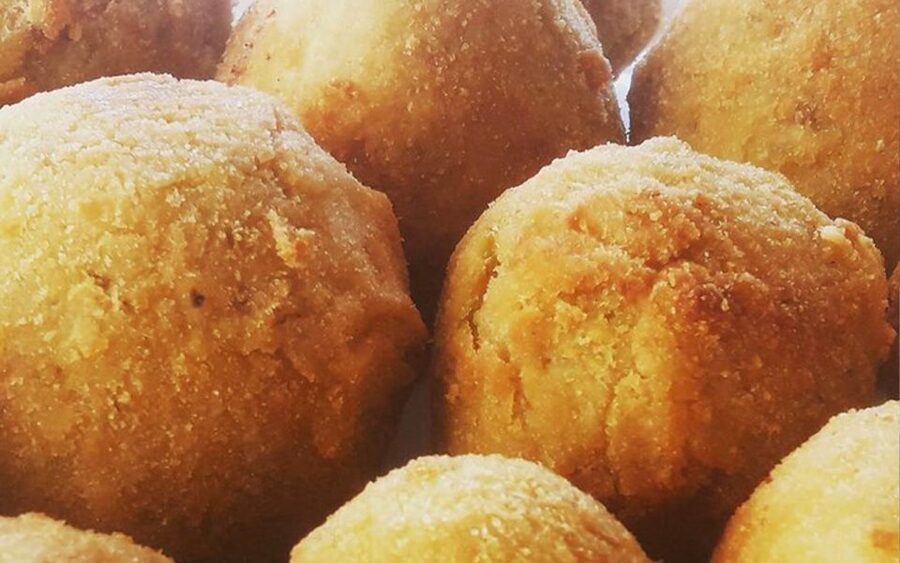
After shaping comes the coating. This is a key part of the lesson because the rice ball needs a surface that fries into a firm, crisp shell. You learn the mixture used just before frying, then move toward the final cooking stage.
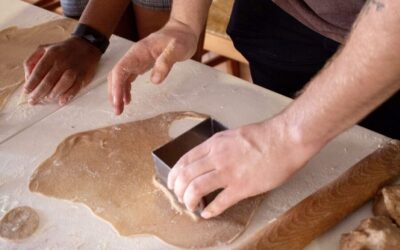
This hands-on sequence is the heart of the activity. You are not just watching a chef produce perfect food while you take notes. You get your hands involved, and the uneven pieces you make are part of the fun. The goal is to understand the method and enjoy the food, not to pass a professional kitchen test.
One useful point is that the class can help you make arancini at home later. A participant was sent the recipe after the session, and the certificate serves as another small souvenir. The apron is also included and can be kept, according to several accounts of the experience.
The class is conducted in Italian and English. If you are comfortable with basic English instructions, the format should be approachable. The instructors have been praised for explaining the steps clearly, using humor, and helping people who do not consider themselves cooks.
There is one modest limitation. A 1.5-hour class cannot cover every regional variation or every technical detail of Sicilian rice cooking. You will learn the core process rather than receive a full cooking-school curriculum.
Same island, a completely different day out:
- Taormina: Ancient Theater Skip-the-Line Ticket & Audio Guide
★ 4.5 · 1,701 reviews - Taormina: Opera Performance in the Nazarena Theater
★ 4.7 · 651 reviews - Taormina: Boat Tour with Aperitif on Isola Bella
★ 4.2 · 647 reviews - Mount Etna Half-Day Small Group Tour from Taormina
★ 5.0 · 628 reviews
Eating your own Sicilian street food
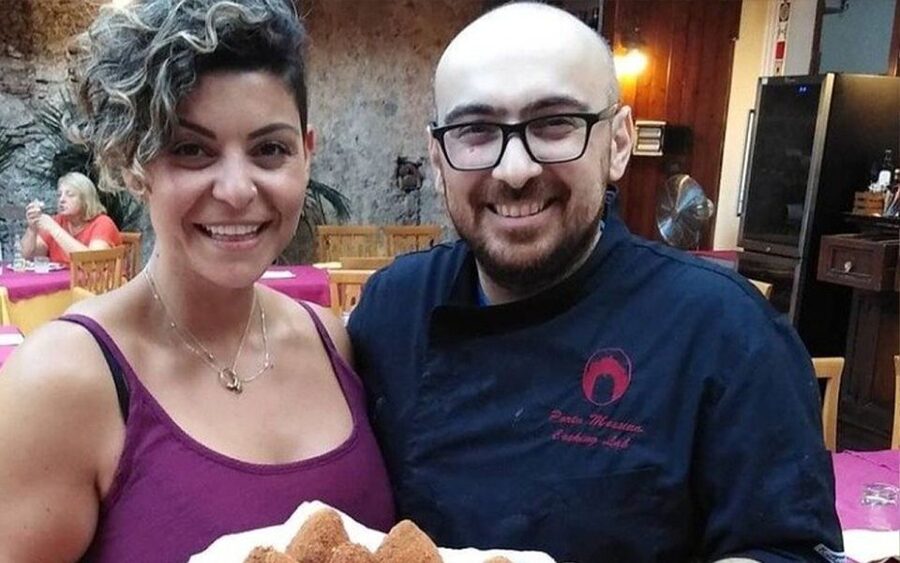
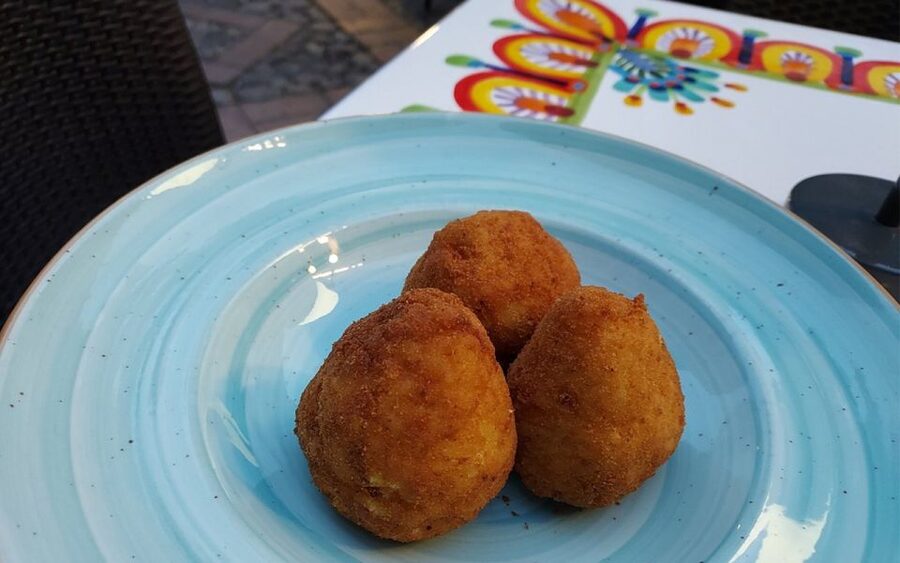
The best part comes when the arancini are cooked and served at the table. Your food is not packed away as a sample. It becomes the meal included with the class.
Expect a substantial amount. Several participants had enough left to take away, and some joked that they were eating arancini for days afterward. The exact amount depends on the class and how many you make, but the practical advice is simple: plan this as lunch or dinner, not as a small snack between sightseeing stops.
Water, wine, and soft drinks are included. Coffee is also part of the package. Extra alcoholic drinks cost more, so the included wine covers the main tasting but not every additional order you may want.
Some sessions have included pleasant extras such as cannoli and limoncello. These appear to be treats that may vary rather than a clearly guaranteed part of the basic package, so I would regard them as a bonus, not a reason to book. The listed inclusions are the arancini meal, water, wine, soft drinks, coffee break, apron, and certificate.
The social side is part of the value. You share a table, cook in a group, and often end up talking over the meal. One group continued with drinks after the scheduled class, but that extra time and any extra alcohol are not part of the fixed 1.5-hour program.
Dietary needs and family suitability
This class is unusually flexible about food restrictions. Gluten-free and lactose-free versions are available, along with vegetarian and vegan options. Other intolerances can also be discussed.
The important word is available, not automatic. Tell the provider about your needs when booking and confirm them again at the restaurant. People with nut allergies have received careful attention, and special requests such as no cheese, coeliac requirements, and kosher food separation have been handled in individual cases.
You should still be precise. Explain the difference between an allergy, an intolerance, and a preference. If cross-contact is a serious concern, ask what separation can be provided before you commit. The staff have shown a willingness to help, but a cooking class in a restaurant is not the same as a dedicated allergy-free kitchen.
Families can also fit comfortably here. Children as young as five and six have taken part and enjoyed the activity, and one instructor was specifically praised for working well with children. Comfortable clothing and shoes are recommended, since you will be cooking rather than sitting through a standard meal.
The class works especially well for couples and families because everyone can take part. Solo participants can also fit in. If the class is small, you may produce a surprisingly large amount of food, so ask about takeaway if you are alone.
Is $94 a fair price?
At $94 per person, this is not the cheapest way to eat arancini in Taormina. You can buy street food for far less. The price makes more sense when you treat the booking as a cooking lesson, a meal, drinks, and a cultural activity in one.
The value improves if you would otherwise book a separate lunch and a paid food activity. You receive an apron, coffee, water, wine, soft drinks, the food you make, and a certificate. You may also leave with extra arancini for later, depending on how many you prepare.
I would not choose this class for a traveler who wants a bargain snack or a formal, advanced culinary workshop. I would choose it if you value a social experience, want direct contact with a traditional Sicilian dish, and appreciate having enough food to replace a meal.
The group atmosphere also affects the value. Friendly instructors such as Paolo, Margherita, and Luca have made the class feel relaxed and lively. You are paying partly for that human element, not just for rice, filling, and frying.
Timing, cancellation, and what to wear
The activity lasts 1.5 hours, with starting times based on availability. That makes it easy to fit into a Taormina day, but check the time carefully before booking. The class may suit lunch or an early evening plan, depending on the available departure.
Wear comfortable clothes and shoes. Cooking can be messy, and practical footwear is wiser than anything delicate or hard to stand in.
You can cancel up to 24 hours before the activity for a full refund. The reserve-now, pay-later option also gives you some flexibility when your Taormina schedule is still changing. Extra alcoholic drinks are not included.
No transport is provided or needed for the meeting point. You make your own way to the restaurant beside Porta Messina Arch. The activity includes skip-the-ticket-line access, though this is a restaurant class rather than a museum or monument visit.
Who should book this class?
I would recommend it to couples who want a shared activity beyond sightseeing, families with children who enjoy making things, and solo visitors who like meeting people over food. It is also a smart choice for anyone who wants to understand a famous Sicilian dish rather than simply order one.
It suits beginners particularly well. The instructors explain the method step by step, and the atmosphere is more friendly than formal. You do not need to arrive with cooking experience.
Food-focused visitors will appreciate the local details, especially the arancino and arancina distinction and the chance to learn the rice and coating methods. People with dietary needs may also find this more useful than a standard restaurant meal, provided they contact the provider in advance.
I would hesitate only if your schedule is tight, you dislike group activities, or you want a quiet meal without instruction. The class is social, hands-on, and food-heavy. That is the appeal, but it will not suit every mood.
Final verdict: book it for the meal and the memory
I think this is a strong Taormina activity because it gives you something you cannot get from a quick takeaway counter: the method, the story, the practice, and the chance to eat your own work. The central location keeps logistics easy, while the 1.5-hour format leaves room for other plans.
Book it if $94 fits your budget and you want a generous, friendly food experience with wine and useful local context. Confirm your dietary needs before arrival, wear practical clothes, and do not plan a big dinner afterward. If you prefer a cheap bite or an advanced cooking course, spend your money elsewhere. For most visitors who want a relaxed taste of Sicilian life, this is an enjoyable and filling choice.
FAQ
Where does the arancino-making class meet?
It meets at Pizzeria Porta Messina Restaurant, beside the Porta Messina Arch in Taormina.
How long does the class last?
The class lasts 1.5 hours. Starting times depend on availability.
What languages are available?
The class is offered in Italian and English.
What food and drinks are included?
You receive a meal made from the arancini you prepare, along with water, wine, soft drinks, and a coffee break. Extra alcoholic drinks are not included.
Can the class accommodate dietary restrictions?
Gluten-free, lactose-free, vegetarian, vegan, and other dietary options are available. Nut allergies, coeliac requirements, no-cheese requests, and kosher food separation have also been accommodated. Contact the provider in advance with your specific needs.
What should I wear?
Comfortable clothes and shoes are recommended because the activity includes hands-on cooking.
Can I cancel or pay later?
You can cancel up to 24 hours in advance for a full refund. You can also reserve now and pay later.
Just added around Taormina
- Taormina PRIVATE EAST COAST EXCURSIONS 2 Exclusive Days with Guide Driver★ 5.0 · 3 reviews
- 1-hour quad bike excursion in the Alcantara Valley★ 5.0 · 3 reviews
- Taormina: BOAT PARTY IN CATAMARANO NELLA BAIA DI TAORMINA★ 5.0 · 3 reviews
- Messina, Savoca, Taormina e Castelmola★ 5.0 · 3 reviews
- From Taormina: Private Godfather Tour with lunch★ 4.7 · 3 reviews
- From Catania: Etna & Taormina Day Trip★ 5.0 · 3 reviews
- Boat Tour Taormina Isola Bella Giardini Naxos 8 hours★ 5.0 · 3 reviews
- Taormina: Historical Highlights Private Guided Walking Tour★ 5.0 · 3 reviews
Workshops, compared.
Seaview Cooking Class & Taormina local flavors with Chef Mimmo
Read our review →
COOKING CLASS in Taormina at Chef Massimo HOUSE!!
Read our review →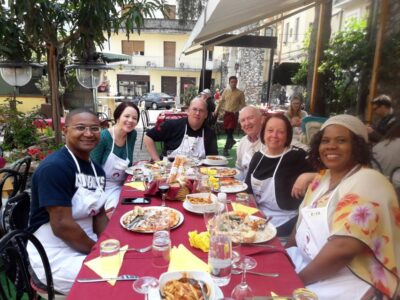
Cannolo Cooking Class with Completion Certificate
Read our review →
Browse the lists this tour appears in