
Reviewed · TICKETS
Catania: Underground Catania Tickets and Guided Tour
Beneath Catania’s Baroque streets lies a city repeatedly buried, reshaped, and rebuilt by lava, earthquakes, and war. This 2.5-hour underground tour links four very different places, including Roman remains, a prehistoric lava cave, the Amenano spring, and church foundations that rarely appear on a normal city walk.
I like the way the tour connects geology with human history. I also like that the guide takes you through central Catania on foot, pointing out aristocratic palaces and late Baroque churches between stops. The main drawback is practical: you climb irregular steps, enter cramped spaces, and may find the tour slow if the guide must explain everything in Italian and English.
- Four underground sites: Entry is included at a Roman monument, a lava cave, and underground areas beneath historic churches.
- Down to 15 meters: The route gives you a literal look beneath Catania’s streets and squares.
- Etna’s fingerprints: Lava flows and eruptions help explain why the city has so many buried layers.
- Amenano underground: Follow the mysterious river and springs into a cave beneath the modern city.
- Central walking route: The tour begins near the Black Amphitheater and continues along Via Etnea.
- Strong guide service: Oreste is frequently singled out for his archaeology, art history, humor, and clear explanations.
In This Review
- Why Underground Catania Tells the City’s Story
- Starting Beside the Black Amphitheater
- The Roman Monument and Catania’s Buried Layers
- A Prehistoric Lava Cave Beneath the Streets
- Following the Amenano River Underground
- Church Crypts, Buried Worship, and Darker Stories
- The Walking Route Between Four Stops
- Guide Quality and Language Details
- Group Size, Steps, and Comfort
- Is $29 a Good Price?
- Who Should Book This Catania Tour?
- Should You Book Underground Catania?
- FAQ
- How long does the Underground Catania tour last?
- How many underground places are included?
- How far below the city does the tour go?
- What sites can I expect to see?
- Is the tour available in English?
- Where does the tour meet?
- Is the tour suitable for wheelchair users?
- What should I wear and bring?
Why Underground Catania Tells the City’s Story
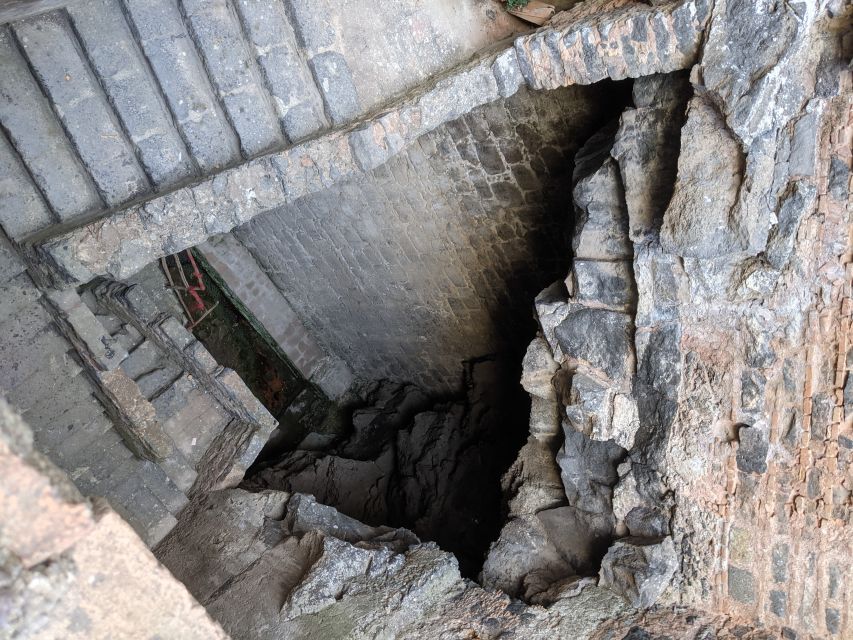
Catania is easy to admire at street level. Its grand churches, dark volcanic stone, and broad Via Etnea reflect the late Baroque rebuilding that followed disaster. But the city makes more sense once you see what lies below those polished façades.
The underground spaces show several layers at once. Ancient buildings were covered by later construction. Lava hardened around older routes. Water continued to run beneath churches and squares. In some places, you are looking at a natural cave. In others, you are standing in the remains of a Roman or Christian site that has been swallowed by the modern city.
That combination is the real value of this outing. It is not simply a series of dark rooms. The guide explains how Etna’s eruptions affected Catania, how the Amenano water system shaped the city, and how religious buildings changed over the centuries.
I would book it early in your Catania visit. Afterward, Via Etnea, the cathedral area, and the city’s volcanic-stone buildings will be easier to understand.
Starting Beside the Black Amphitheater
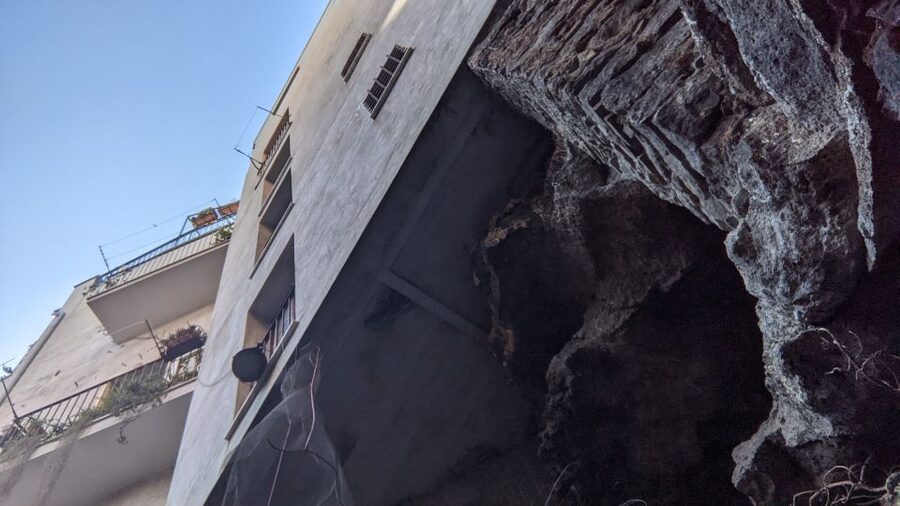
The meeting point is in front of the ruins of the Black Amphitheater, a Roman building once able to hold about 15,000 people. This is a useful beginning because the monument immediately shows how much of ancient Catania is buried beneath the present city.
Do not expect a full, open-air Roman arena like the Colosseum. The remains are integrated into the modern streetscape, and the tour uses the site as an introduction to the buried city. Your guide sets out the basic story before leading the group toward the other locations.
The route then moves through central Catania, often along Via Etnea. This is not wasted walking time. Look up as you go. The street is lined with grand palaces, churches, and façades built in the city’s late Baroque style, much of it shaped by reconstruction after major earthquakes and volcanic destruction.
The walk also creates an important contrast. Above ground, Catania feels open, sunny, and theatrical. Below ground, the spaces are cool, uneven, and sometimes shadowy. Moving between those two worlds is what gives the tour its rhythm.
A few more Catania tours and experiences worth weighing up
- Mount Etna: Return Funivia dell’Etna Cable Car Ticket
★ 4.0 · 240 reviews - Palermo: Hop-on Hop-off Bus Tour 24-hour Ticket
★ 3.9 · 2,410 reviews - Taormina: Ancient Theater Skip-the-Line Ticket & Audio Guide
★ 4.5 · 1,701 reviews
The Roman Monument and Catania’s Buried Layers
The Roman stop is one of the clearest reminders that modern Catania sits on top of an older city. Ancient public buildings did not vanish neatly. Parts were buried, reused, incorporated into later construction, or left hidden beneath streets and churches.
Your guide explains the function and age of the remains, then places them in the wider story of Greek and Roman Catania. The tour is particularly useful here because a self-guided visit may leave you looking at stones without understanding how they fit together.
One practical point: the route is not designed as a museum circuit with a seat at every stop. You will walk, listen, move through doorways, and climb steps. If your interest is archaeology, that active format is a plus. If you prefer a slow visit with plenty of time at one monument, the four-stop structure may feel brisk.
The Roman site is also included in the admission, which helps the price make sense. At $29 per person, you are paying for four entries and a live guide rather than one isolated attraction.
A Prehistoric Lava Cave Beneath the Streets
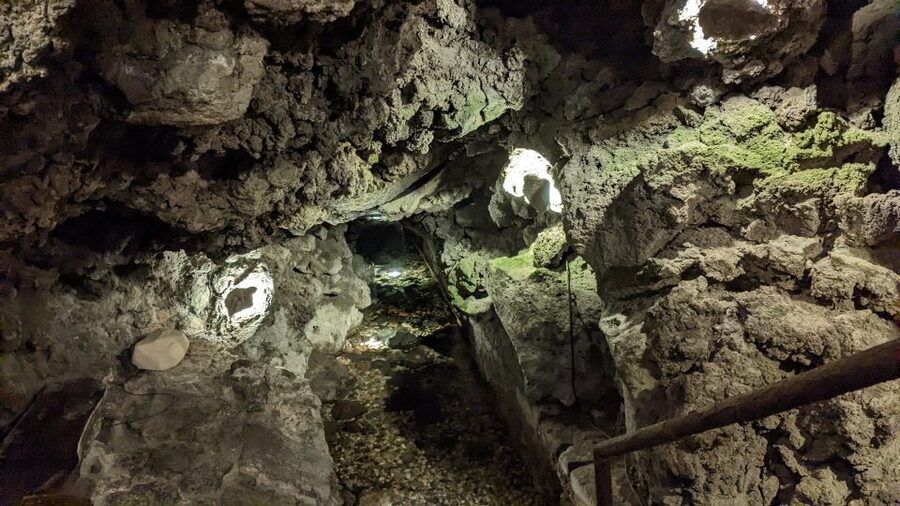
The lava cave is the tour’s strongest geology lesson. Here, Etna is not a distant mountain in the background. Its eruptions are visible in the very material beneath your feet.
The guide describes how lava moved and hardened, leaving cavities and channels that later became part of Catania’s underground world. The setting helps explain why the city has been forced to adapt again and again to volcanic events. The rock is not just scenery. It is the reason the city looks and feels the way it does.
The cave is also a welcome break during a hot day. Underground temperatures are cooler, though the floor can be damp and the footing uneven. Wear shoes with a firm sole. Thin sandals or smooth soles are a poor match for wet steps and rough surfaces.
The tour information warns that some steps are irregular, and that is worth taking seriously. You do not need mountain gear, but you do need to move carefully. Large bags and luggage are not allowed, so arrive with only what you can comfortably carry.
Following the Amenano River Underground
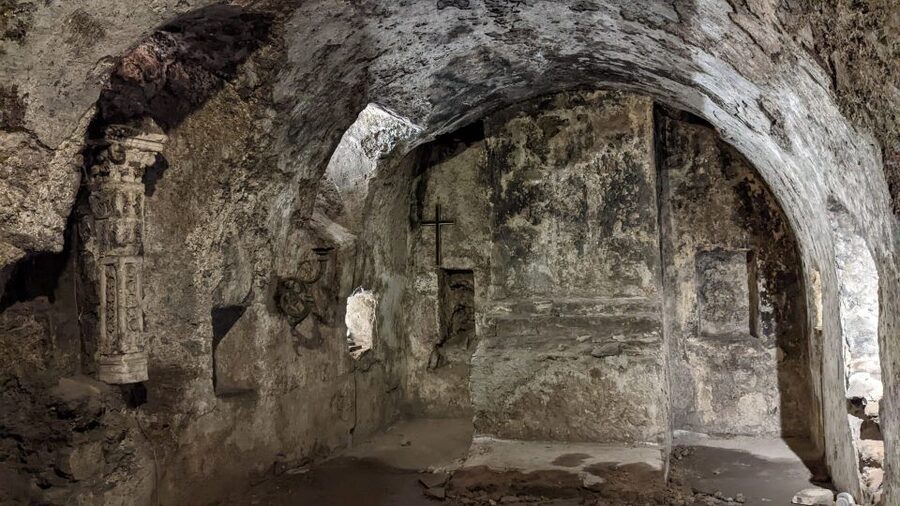
The Amenano is one of the tour’s more unusual subjects. The river and springs run below parts of Catania, and the route follows this underground water story into a cave.
This stop gives the tour a different mood. The Roman remains show human construction, while the lava cave shows volcanic force. The Amenano section introduces water as another power shaping the city. The springs helped define where people built and how the lower parts of Catania developed.
Acoustics can be tricky in underground rooms. A guide may need to repeat or project information, and members of a large group may have trouble hearing every word. Stay close enough to see the guide and listen before the group spreads out.
The cool air makes this a good summer activity, but damp surfaces are possible. A light layer is useful if you are sensitive to cool underground spaces.
Same island, a completely different day out:
- Catania: Mount Etna Morning or Sunset Day Trip with Tasting
★ 4.8 · 4,028 reviews - Catania: Sunset Jeep Tour of Mount Etna and Lava Flow Caves
★ 4.8 · 2,113 reviews - Sicily: Etna and Alcantara Gorges Full-Day Tour with Lunch
★ 4.8 · 1,766 reviews - Catania: Etna Sunset Tour with Pickup and Drop-off
★ 4.8 · 1,348 reviews
Church Crypts, Buried Worship, and Darker Stories
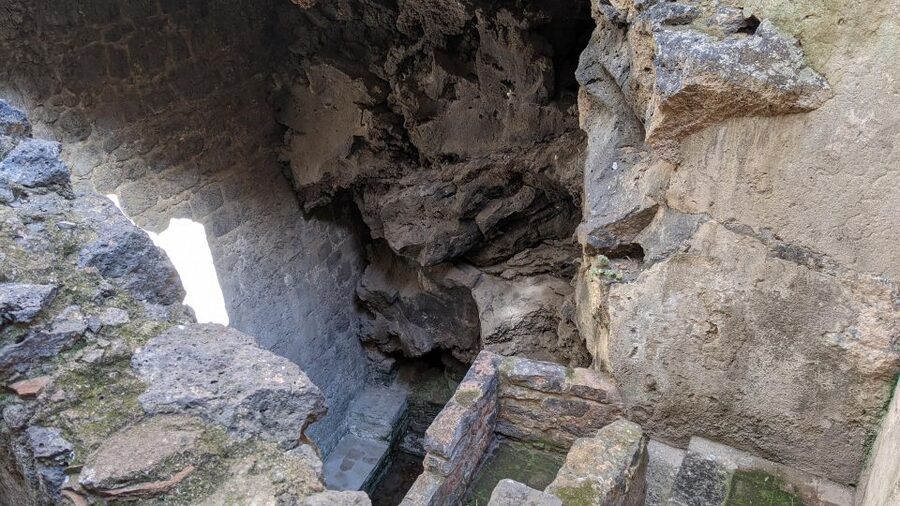
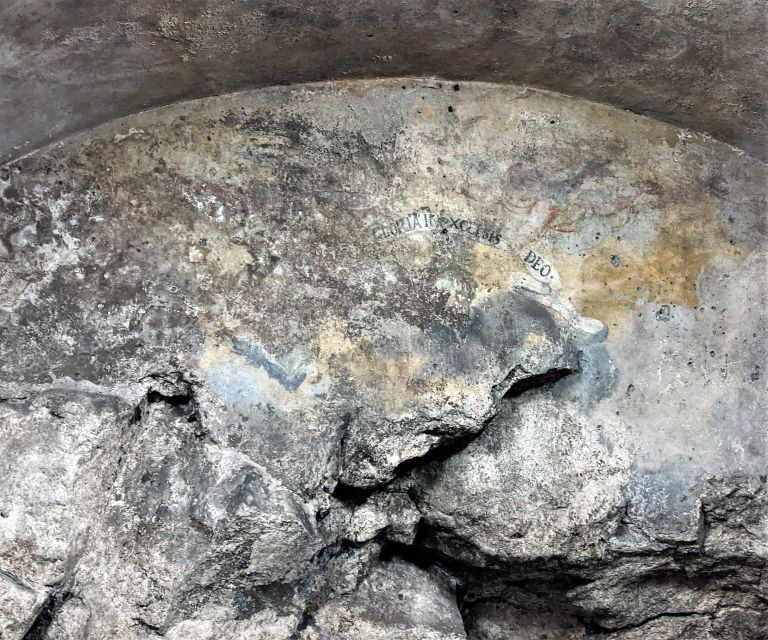
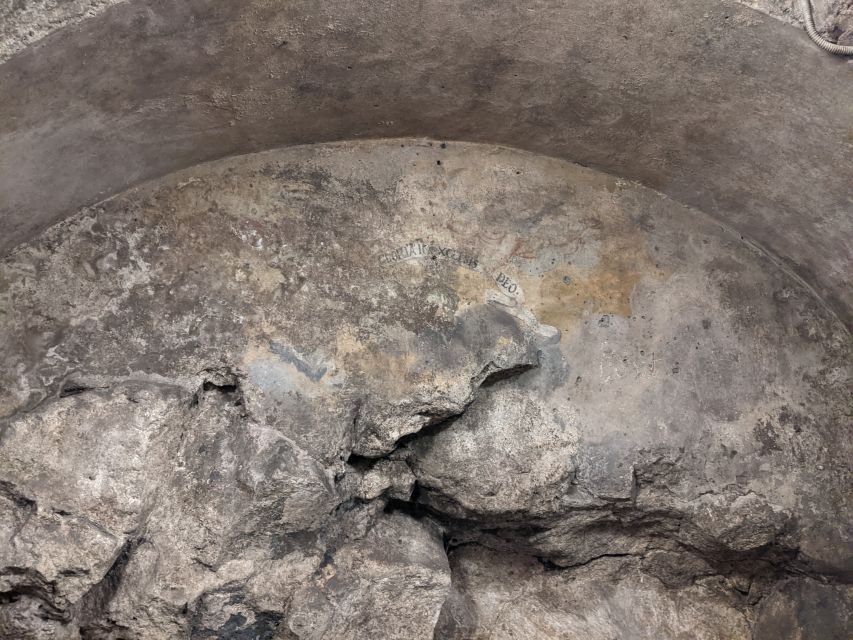
The church-related stops add the human drama. One site is a cave beneath a magnificent late Baroque church, connected with the early keeping of Saint Agatha’s relics. Another lies beneath the bombed Church of Saint Euplius.
These places are not polished attractions. Their appeal comes from the fragments, scars, and stories. You see how places of worship were built over older spaces, how religious traditions developed, and how war and disaster left physical marks on the city.
The Saint Agatha site connects Catania’s underground spaces with one of its most important religious traditions. The Saint Euplius location is more haunting. A damaged church above and a surviving underground area below create a sharp reminder that Catania’s past includes violence and destruction, not only grand rebuilding.
The guide’s role matters most at these stops. Oreste, one of the guides named by customers, is trained in archaeology and art history and is praised for bringing out details in frescoes, buildings, and local stories. A good guide prevents the churches from becoming a blur of dates and names.
You may find the atmosphere creepy, especially in the darker church spaces. That is part of the appeal, but this is not the right tour for anyone who dislikes confined rooms or underground passages.
The Walking Route Between Four Stops
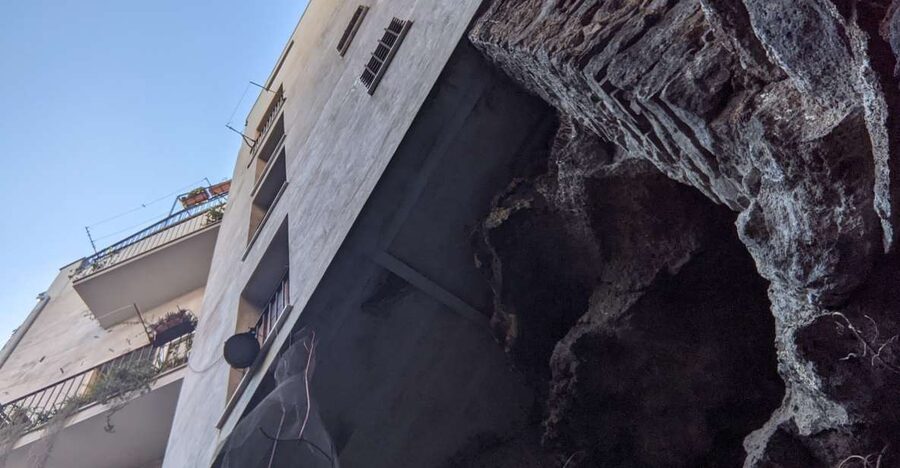
The experience is a guided walk across central Catania, not a vehicle excursion. There is no hotel pickup or drop-off. You meet near the Black Amphitheater, then travel between sites on foot.
The route takes you along Via Etnea and past the city’s grand architecture. That makes the tour a useful bridge between sightseeing above and below ground. You get a short orientation to central Catania while moving from one entrance to the next.
Allow for a substantial amount of walking. One person described being tired after combining the tour with a morning wander, and that is fair warning. The stated duration is 2.5 hours, but you are on your feet for much of it.
The tour takes place in rain or shine. In severe conditions, the organization may cancel if a site becomes unusable. If one location cannot be entered, it can be replaced with another underground site selected by the organization.
Guide Quality and Language Details
The guide is the biggest strength of this experience. The best feedback focuses on clear storytelling, local knowledge, humor, patience, and the ability to connect separate historical periods.
Oreste is specifically praised for his archaeology and art-history background. Other guides are described as friendly, enthusiastic, and good at answering questions. One guide even recommended a nearby restaurant after the walk, a small but useful touch if you are ready for lunch.
Check the language shown when you book. Italian and English are offered, but some departure times may be primarily Italian. Several English-speaking customers joined an Italian tour and received explanations in English from a guide who translated throughout.
That accommodation can work well with a small number of English speakers. It can also stretch the timing when the group is large or includes several languages. A group of nearly 30 people was described as less connected, with waiting outside one site and difficulty hearing in certain rooms.
If English is essential, choose a clearly advertised English departure when available. If you must book an Italian time, contact the provider or confirm the language before paying. Do not assume every departure will have the same balance of languages.
Group Size, Steps, and Comfort
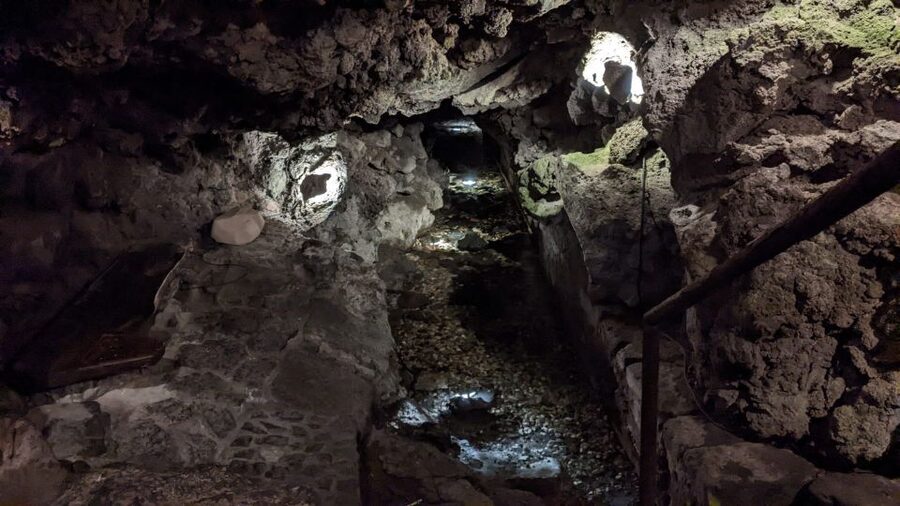
The tour is not suitable for wheelchair users or people with mobility impairments. Electric wheelchairs are specifically excluded, and the route includes several steps, some irregular. You may also encounter damp surfaces and narrow passages.
People with claustrophobia should skip it. The tour goes as far as about 15 meters below street level, and the underground rooms are not designed to feel spacious.
Motion sickness is also listed as a concern, though this is a walking experience rather than a bus ride. A weight limit of 280 pounds, or 127 kilograms, applies.
Bring practical clothing rather than dress shoes. Good walking shoes are the main requirement. Avoid large bags, sharp objects, weapons, alcohol, drugs, and fireworks. These rules are simple, but they matter when you are entering historic and confined spaces.
Is $29 a Good Price?
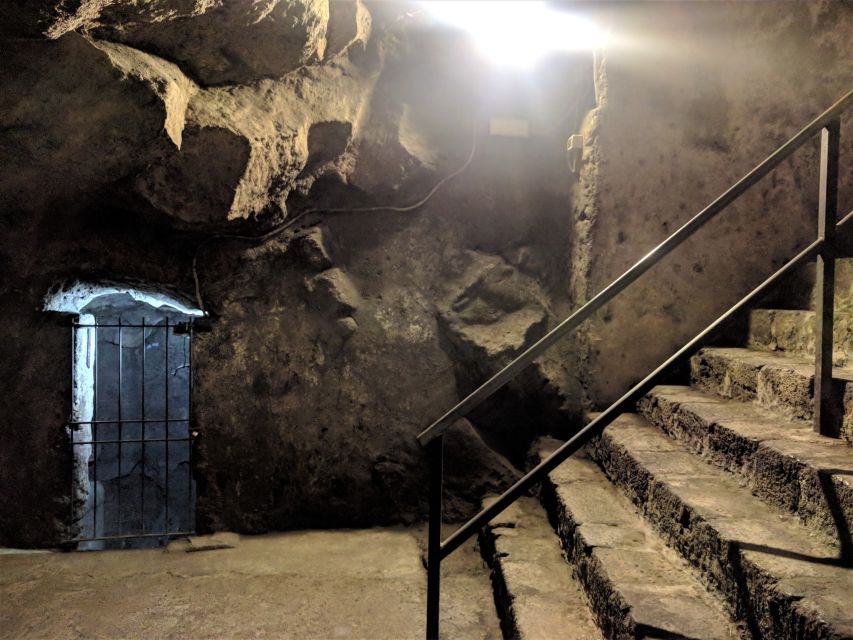
At $29 per person, the cost is reasonable if you want context as well as access. You enter four underground locations, and at least two are places you are unlikely to find open for casual sightseeing. The Roman monument is also normally a paid attraction, so the package gives you more than a standard walking tour.
The value depends on the guide. Without strong explanations, a lava cavity or basement ruin can feel brief. With a good guide, the four stops become a connected lesson in geology, ancient construction, religion, water, and disaster.
The 2.5-hour length is well judged for most people. It is long enough to cover four sites but short enough to fit around a day in Catania. The downside is that bilingual explanations can reduce the amount of time spent inside each place.
Free cancellation up to 24 hours before the start and the option to reserve now and pay later make the booking less rigid. Still, check the meeting point for your selected option, since it may vary.
Who Should Book This Catania Tour?
I would choose this experience if you enjoy archaeology, unusual city sights, volcanoes, churches, or stories about how cities survive disaster. It is especially useful for first-time visitors who want an explanation of Catania rather than a simple list of monuments.
It also works for repeat visitors. One local-born participant had visited Catania many times yet had never seen several of the underground locations. That says something about access: you are not merely walking into places you could easily find on your own.
This tour is less suitable if you want a relaxed, seated activity or a polished museum visit. It asks you to walk between locations, climb steps, and listen in rooms where sound may echo.
Plan it for a day when you are comfortable walking. On a hot afternoon, the cool underground spaces are a bonus. On a rainy day, the tour still operates, but wet steps may make the route more tiring.
Should You Book Underground Catania?
Book it if you want to understand why Catania is built from so many layers. The Roman monument, lava cave, Amenano river, and church crypts each offer something different, and together they explain the city better than any one attraction can.
I would be cautious only if you have mobility limits, dislike confined spaces, or cannot manage a fairly active walk. Also confirm the tour language and expect a slower pace if Italian and English are combined.
For most visitors, $29 buys an unusual look at places that remain easy to miss above ground. Bring sturdy shoes, keep your bag small, stay near the guide, and let the city reveal its lower floors.
FAQ
How long does the Underground Catania tour last?
The tour lasts approximately 2.5 hours.
How many underground places are included?
Entry to four different underground places is included.
How far below the city does the tour go?
The tour reaches approximately 15 meters below street level.
What sites can I expect to see?
The experience includes an ancient Roman monument, a prehistoric lava cave, an underground area connected with the Amenano river and springs, and underground spaces beneath historic churches. If a site is unavailable, the organization may replace it with another underground location.
Is the tour available in English?
Italian and English are offered. Some departures may be primarily in Italian, with the guide translating for English-speaking participants. Check the language for your selected option before booking.
Where does the tour meet?
The guide waits in front of the ruins of the Black Amphitheater for the stated meeting option. The exact meeting point may vary depending on the option booked.
Is the tour suitable for wheelchair users?
No. The tour is not suitable for wheelchair users or people with mobility impairments. It includes several steps, some of them irregular.
What should I wear and bring?
Wear good walking shoes because the route includes substantial walking, steps, and possibly damp surfaces. Large bags and luggage are not allowed, and sharp objects, weapons, alcohol, drugs, and fireworks are prohibited.
Just added around Catania
- Catania AIRPORT transfer From / To Taormina★ 5.0 · 3 reviews
- Catania : Diving for patented divers★ 5.0 · 3 reviews
- Transfer Catania / Agrigento Airport★ 5.0 · 3 reviews
- Taormina: exclusive tour with food, drinks, and sunset, pick-up from Catania★ 5.0 · 3 reviews
- From Catania/Taormina: Mount Etna Private Wine Tasting Tour★ 4.7 · 3 reviews
- From Catania: Day Trip to Giardini Naxos and Taormina★ 5.0 · 3 reviews
- Catania: Summit Craters from North Etna with 4×4 vehicles★ 5.0 · 3 reviews
- Catania: Guided Street Food Tour with Tastings★ 5.0 · 3 reviews
Tickets, compared.
Ancient Theater Skip-the-Line Ticket & Audio Guide
Read our review →
Valley of the Temples Ticket & App Audioguide
Read our review →
Valle dei Templi Fast-Track Ticket & Smart Guide
Read our review →
Norman Palace and Palatine Chapel Tour with Tickets
Read our review →
Valley of the Temples Entry Ticket & Audio Guide
Read our review →
Browse the lists this tour appears in