
Reviewed · VAL DI NOTO TOURS
From Naxos: Syracuse, Noto, and Catania Baroque Tour
Sicily packs three very different chapters of its past into this eight-hour private tour: ancient Syracuse, baroque Noto, and Catania’s grand city center. You’ll see Greek theater ruins, old temples, ornate churches, and lively streets without arranging several separate day trips.
I like the private vehicle and pickup service, especially if you are staying in Giardini Naxos, Taormina, or Catania. I also like the guides’ role in the long drives. Fabio and Ignazio are praised for explaining local history and culture and for adjusting to the group. The main catch is that the towns are not given as fully guided walking tours. You typically receive advice in the vehicle, then one to two hours to explore on your own.
In This Review
- Key points to know before booking
- Why this route works for a Sicily day trip
- Syracuse’s Neapolis brings the ancient world close
- Ortigia combines temples, churches, and a sea-facing old town
- Noto shows Sicily’s baroque style at its most concentrated
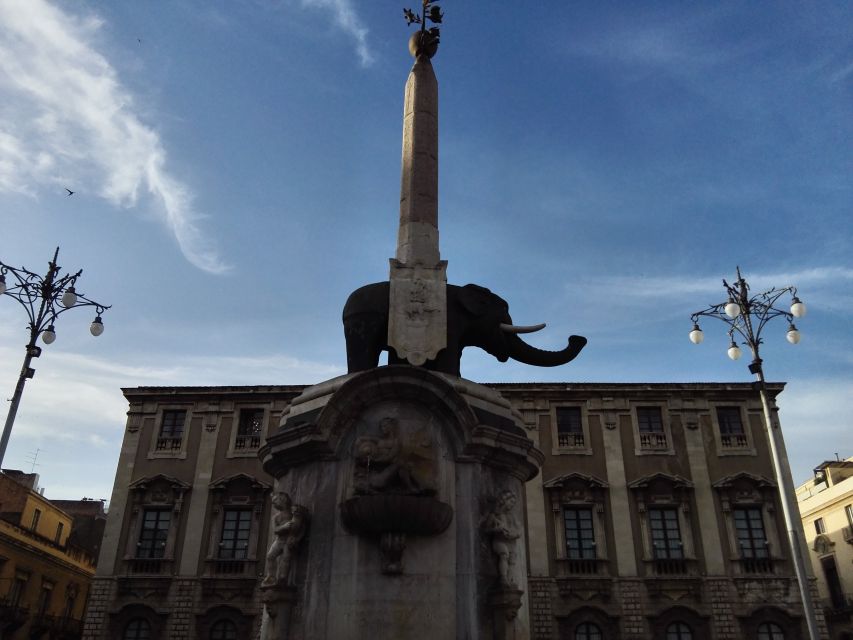
- Catania finishes with Via Etnea and Santa Agata Cathedral
- The guide can make the long drives useful
- How to handle the eight-hour schedule
- Who gets the best value from this private tour
- Should you book the Syracuse, Noto, and Catania tour?
- FAQ
- How long does the tour last?
- Where can pickup and drop-off take place?
- Is transportation included?
- Is this a private tour?
- What languages are available?
- Which places does the tour visit?
- What can I see at the Neapolis archaeological site?
- What are the main sights in Ortigia?
- What are the main sights in Noto?
- Is the tour wheelchair accessible?
- Can I cancel for a full refund?
- Do I have to pay when I book?
Key points to know before booking
- Three major Sicilian stops in one day: Syracuse, Ortigia, and Noto receive the most attention, with a panoramic Catania visit to finish.
- The Neapolis archaeological area: You see the Greek Theatre, Ear of Dionysius, and Latomie, the tour’s strongest ancient-world stop.
- Ortigia’s compact old center: The Temple of Apollo, cathedral square, and Aretusa Fountain give you a quick taste of Syracuse’s historic island core.
- Noto’s baroque staircase and cathedral: Porta Reale, the Church of St. Francesco, Palazzo Ducezio, and the cathedral form the visual heart of the town.
- Helpful guides during the drive: Fabio and Ignazio are noted for clear explanations, good planning, and a flexible approach.
- A brisk, self-guided format: You have time to walk and look around, but not the depth of a dedicated guided tour in every city.
Why this route works for a Sicily day trip
Eastern Sicily can be awkward to cover without a car. Syracuse, Noto, and Catania are separate destinations, and public transport takes planning, connections, and patience. This tour solves the basic transport problem in one stroke, picking you up and returning you to an agreed location.
The route is best understood as a sampler rather than a slow cultural study. You move from ancient ruins to a polished baroque town and then into a major Sicilian city. Each stop has a different mood, so the day does not feel like three repeats of the same church-and-square visit.
You should expect a full day on the road. The listed duration is eight hours, and the exact order can vary. One outing began in Noto, continued to Syracuse, and finished in Catania, while the general plan also describes Syracuse first. Ask about the day’s order when you book if one stop matters most to you.
The price is $677.54 per group of up to six people. That is not a cheap solo excursion, but it becomes more reasonable when divided among a full group. For six people, it works out to about $113 per person before any separate admission or personal spending. The private format also means you are not sharing the vehicle with a large coach group.
More Noto, Modica and Scicli days from Catania:
- Catania: Syracuse, Ortigia, and Noto Tour with Brunch
★ 4.6 · 404 reviews - Syracuse, Ortigia and Noto walking tour from Catania
★ 5.0 · 273 reviews - From Catania: Neapolis of Syracuse, Ortygia, and Noto Tour
★ 4.7 · 234 reviews
Syracuse’s Neapolis brings the ancient world close
The Neapolis archaeological area is the first major history stop on the route. Here you can see the famous Greek Theatre, the Ear of Dionysius, and the Latomie. These are not minor ruins tucked behind a modern street. They form a substantial ancient site and give you the clearest sense of Syracuse’s long past.
The Greek Theatre is the headline sight. Its curved seating and open setting make it easy to picture performances taking place here centuries ago. You do not need to be an archaeology specialist to enjoy it. The shape of the theater tells much of the story before the guide adds context.
The Ear of Dionysius is a dramatic cavern, while the Latomie are ancient stone quarries. Together, these sights add variety to the visit. You move from a formal performance space to cut-stone excavations and a striking underground feature.
I would give this stop your sharpest attention, since it is the part least like the later town walks. Syracuse’s archaeological area can also be tiring in warm weather, and the overall schedule means you may need to keep moving. Wear practical shoes and save some energy for Ortigia.
The guide’s explanations matter here. Since the city stops are mainly independent, a good introduction in the vehicle helps you recognize what you are seeing. Fabio and Ignazio are specifically praised for their explanations of the region’s history and culture, so you are not left to make sense of every ruin alone.
Ortigia combines temples, churches, and a sea-facing old town
After the archaeological area, the route turns to Ortigia, the historic island center of Syracuse. This is where the tour shifts from open ruins to streets, squares, and layers of old buildings.
The Temple of Apollo is an important early stop. Its surviving columns and stone remains sit within the modern town, a useful reminder that Syracuse is not a city with one neatly separated ancient quarter. Old and modern life occupy the same ground.
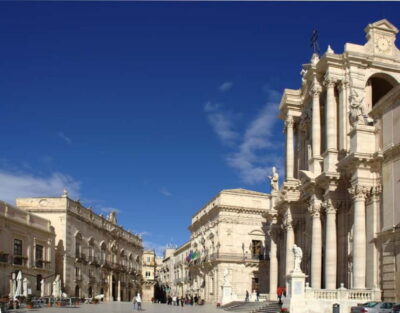
Next, head toward the Duomo square and the Cathedral of Saint Mary of the Immaculate Conception. The square is one of Ortigia’s most rewarding spaces, with broad paving and elaborate architecture. The cathedral is especially interesting because it belongs to a city shaped by many periods, not a single moment in time.
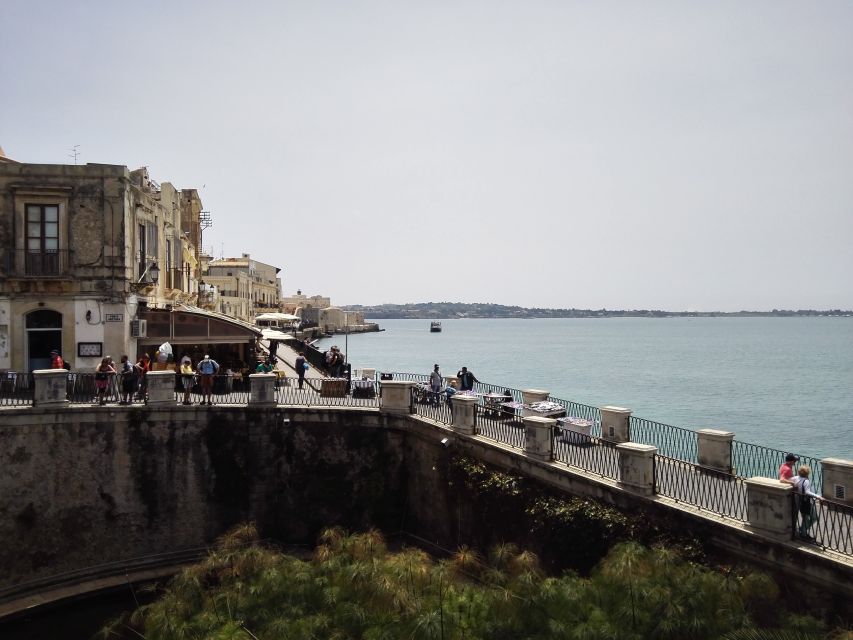
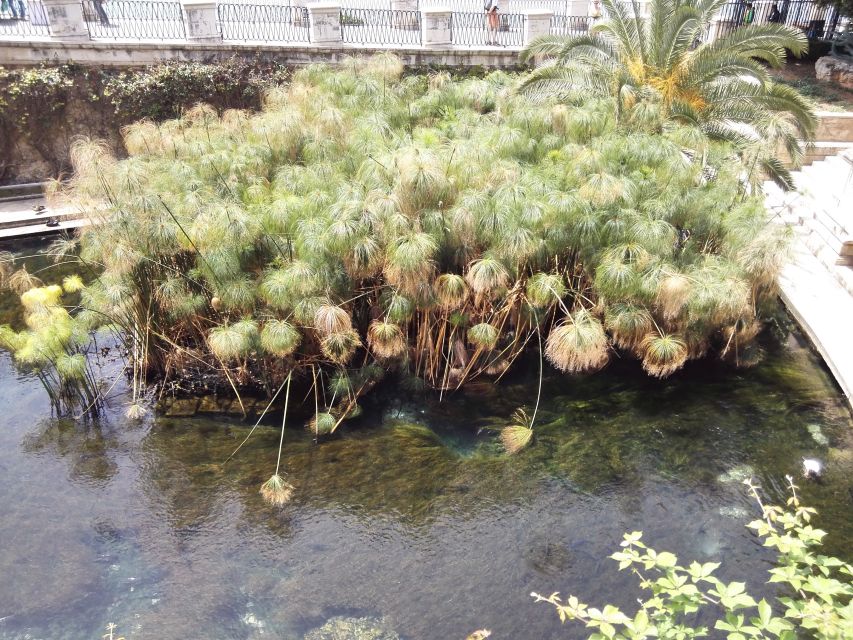
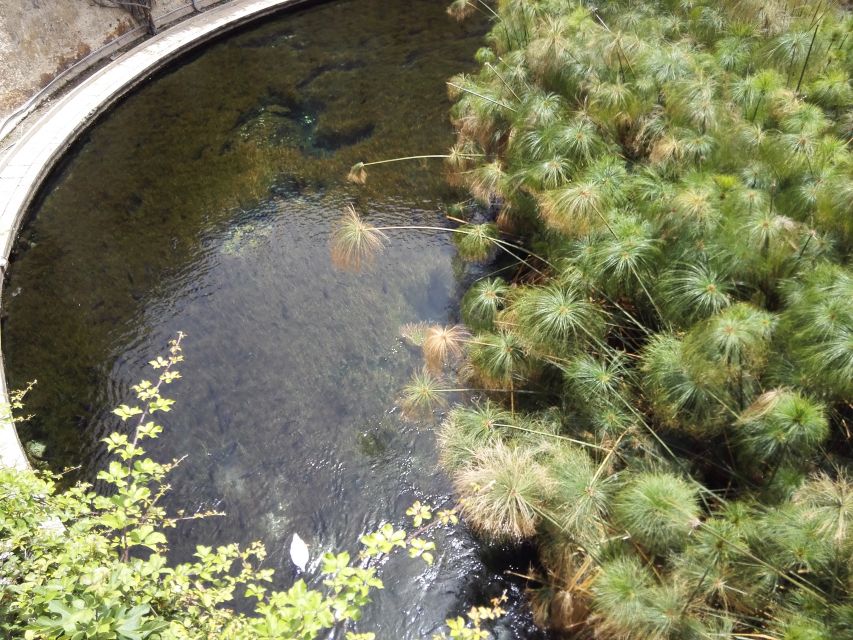
The Aretusa Fountain gives you another change of scene. It is one of Ortigia’s signature sights and helps break up the church-and-ruin sequence. You can walk between these places, but your available time is limited, usually around one to two hours according to the tour format.
That time limit is both useful and restrictive. You can get your bearings, see the main landmarks, and enjoy a short walk through the old center. You will not have time to study every side street, browse at length, or settle into a long meal without cutting into the rest of the day.
This is a good place to follow the guide’s advance advice. The route is easier when you already know which sights to prioritize. If you wander without a plan, the clock can disappear quickly.
Noto shows Sicily’s baroque style at its most concentrated
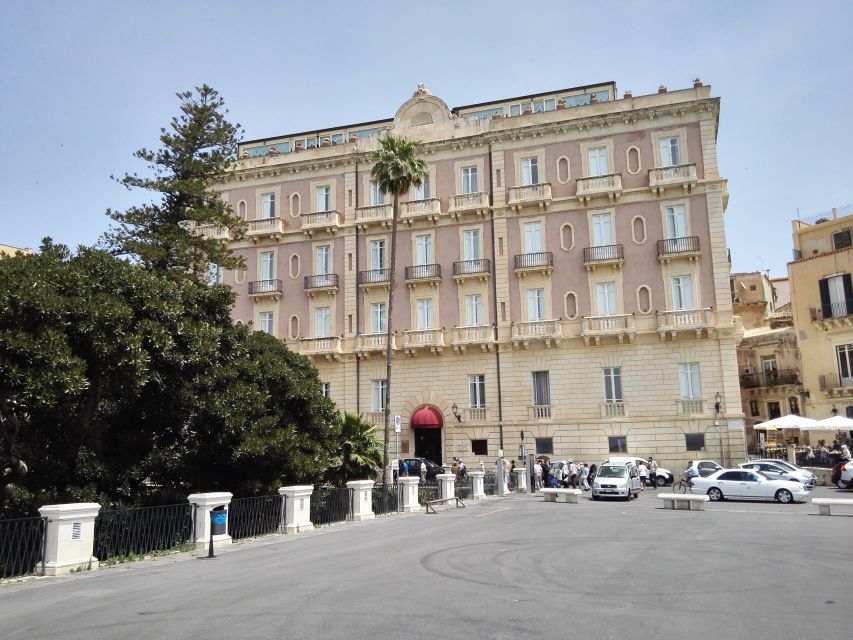
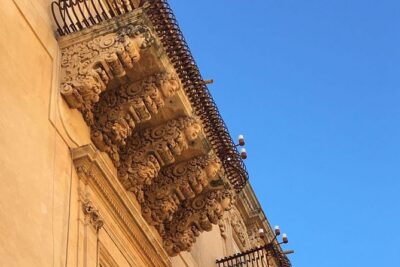
Noto is the most visually unified stop. Entering through Porta Reale, you reach a town known for its Sicilian baroque buildings, formal streets, and pale stone facades. The town works well for a short visit because several important sights sit along a compact central route.
The Church of St. Francesco is paired with a particularly handsome staircase. The steps create one of Noto’s most memorable views, with the church rising above the street and the baroque details building upward in layers.
Palazzo Ducezio and the cathedral follow as major points of interest. You do not have to visit every building to understand Noto’s appeal. The pleasure here comes from looking down a street, turning into a square, and finding another decorated facade or sweeping staircase.
Noto is a strong match for you if you enjoy architecture more than lengthy museum visits. The town’s appeal is easy to grasp in a short walk, though the limited schedule prevents a leisurely exploration of every corner.
The order of the stops can change, and one reported route visited Noto first. That may be helpful if you prefer seeing the most concentrated baroque center while your energy is fresh. It can also mean that the day’s final hours feel faster, especially if Catania comes last.
Same island, a completely different day out:
- Catania: Mount Etna Morning or Sunset Day Trip with Tasting
★ 4.8 · 4,028 reviews - Catania: Sunset Jeep Tour of Mount Etna and Lava Flow Caves
★ 4.8 · 2,113 reviews - Sicily: Etna and Alcantara Gorges Full-Day Tour with Lunch
★ 4.8 · 1,766 reviews - Catania: Etna Sunset Tour with Pickup and Drop-off
★ 4.8 · 1,348 reviews
Catania finishes with Via Etnea and Santa Agata Cathedral
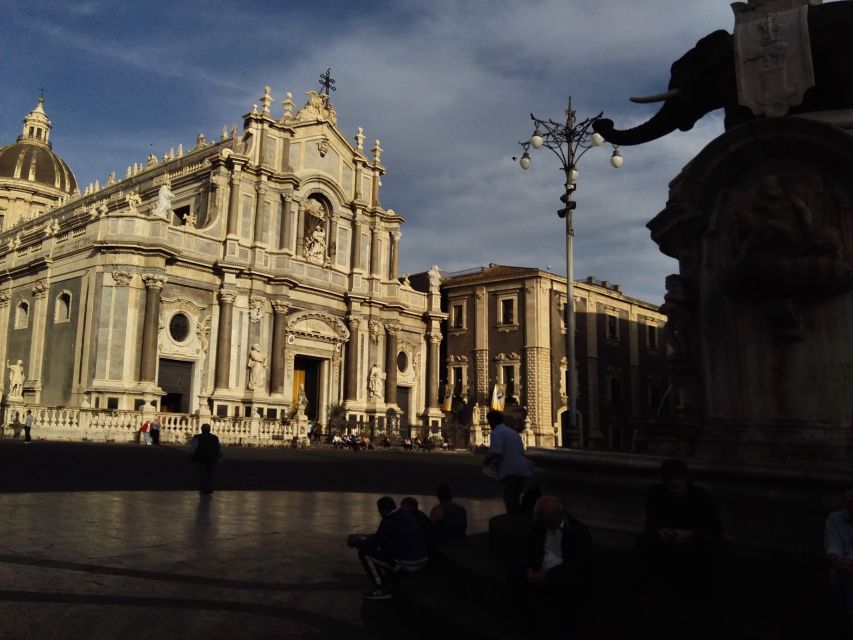
Catania is treated as a panoramic city visit, with time on Via Etnea and a look at the baroque buildings in the center. The walk ends at Santa Agata Cathedral, giving the day a clear final landmark.
Via Etnea is the city’s main axis for this experience. It lets you see Catania as an active urban center rather than only as a collection of monuments. The route includes impressive baroque buildings and leads toward the cathedral, so you get both street life and major architecture.
The Catania portion is less detailed than the Syracuse and Noto stops. That is not necessarily a flaw, but you should know what you are booking. This is a panoramic introduction, not a dedicated Catania walking tour with long interior visits and a deep look at every square.
Ending at Santa Agata Cathedral gives you a satisfying finish. The cathedral anchors the center and provides a final example of the city’s ornate architectural character. If Catania is your main goal, I would choose a separate city tour. If you want a first look after visiting Syracuse and Noto, this ending does the job.
The guide can make the long drives useful
The most important human factor is the guide. Fabio is praised for being well informed and accommodating, while Ignazio is noted for explaining local history and culture during the drive and giving useful instructions before each stop.
That distinction matters. Since you are not accompanied through every city street, the guide’s briefing helps you use your free time well. You may receive suggestions on what to see first, where to walk, and which landmarks deserve attention.
The private format also allows some flexibility. The experience is booked for your group alone, rather than as a large shared party. The tour information says pickup and drop-off are arranged at an agreed place, and you should wait in your hotel lobby 10 minutes before the scheduled pickup. The driver carries a sign with your last name.
English and Spanish guiding are available. The tour is also listed as wheelchair accessible, though the route includes archaeological ground, stairs, and historic town streets. If mobility access is important for your group, discuss the exact stop-by-stop plan before confirming.
How to handle the eight-hour schedule
You should treat this as a highlights day. Three major destinations plus transport leave little room for delays or long meals. The reward is range, but the tradeoff is depth.
I would prepare by choosing one priority at each stop:
- At Neapolis, focus on the Greek Theatre, Ear of Dionysius, and Latomie.
- In Ortigia, make the Temple of Apollo, cathedral square, and Aretusa Fountain your core walk.
- In Noto, follow the central baroque route from Porta Reale toward St. Francesco, Palazzo Ducezio, and the cathedral.
- In Catania, stay focused on Via Etnea and Santa Agata Cathedral.
This approach keeps the day enjoyable. Trying to inspect every church, side street, and ruin can turn a pleasant outing into a race against the clock.
The tour includes pickup and drop-off, but the supplied details do not specify entrance tickets, meals, or drinks as included. Plan for those costs separately unless the provider confirms otherwise. The same applies to the exact meeting point and starting time, which you check when selecting a date.
Who gets the best value from this private tour
I would recommend this experience to a small group that wants to see a lot of eastern Sicily in one day. Families, couples traveling with friends, and groups of up to six can spread the group price across several people and benefit from private transport.
It also suits you if you enjoy history and art but do not need a formal walking lecture at every stop. The archaeological site, cathedral squares, baroque streets, and guide commentary provide plenty of substance without turning the day into a classroom.
You may want another option if you dislike quick visits or want long, detailed tours inside each monument. You should also think twice if your group wants to spend most of the day in just one city. This route is designed for variety.
The strong rating of 4.7 from three ratings fits the experience’s main strengths: helpful guides, an organized route, and an efficient way to see several beautiful places. The small number of ratings means I would treat that score as encouraging rather than final proof for every type of visitor.
Should you book the Syracuse, Noto, and Catania tour?
Book it if your Sicily schedule is short and you want a private introduction to the region’s ancient sites and baroque towns. The best reasons are the door-to-door transport, the ability to share the cost with up to six people, and the guide’s useful commentary between stops.
Skip it if you want slow meals, long museum visits, or fully guided walks in every city. The practical choice is to view this as a well-planned first survey of eastern Sicily. You will see the major names, learn what makes each place different, and leave knowing where you would like to return for a longer visit.
FAQ
How long does the tour last?
The tour lasts eight hours.
Where can pickup and drop-off take place?
Pickup and drop-off are available from an agreed location. The tour information lists Catania, Taormina, and Giardini Naxos as departure areas.
Is transportation included?
Yes. The experience includes pickup and drop-off for all customers at the agreed place.
Is this a private tour?
Yes. It is designed for a private group of up to six people.
What languages are available?
Live guiding is available in English and Spanish.
Which places does the tour visit?
The route includes the Neapolis archaeological area in Syracuse, Ortigia, Noto, and a panoramic visit to central Catania.
What can I see at the Neapolis archaeological site?
You can see the Greek Theatre, the Ear of Dionysius, and the Latomie.
What are the main sights in Ortigia?
The listed sights include the Temple of Apollo, the Cathedral of Saint Mary of the Immaculate Conception in the Duomo square, and the Aretusa Fountain.
What are the main sights in Noto?
The Noto visit includes Porta Reale, the Church of St. Francesco and its staircase, Palazzo Ducezio, and the cathedral.
Is the tour wheelchair accessible?
Yes, the activity is listed as wheelchair accessible.
Can I cancel for a full refund?
Yes. You can cancel up to 24 hours in advance for a full refund.
Do I have to pay when I book?
No. The reserve-now, pay-later option lets you reserve your place without paying at the time of booking.
Just added around Catania
- Catania: Summit Craters from North Etna with 4×4 vehicles★ 5.0 · 3 reviews
- Catania: Guided Street Food Tour with Tastings★ 5.0 · 3 reviews
- CASA NEPETA: Botanical Walk, Amari Production, and Tasting★ 5.0 · 3 reviews
- Sunset Trekking on Mount Etna★ 5.0 · 3 reviews
- Piano Provenzana: Guided Mt. Etna Snowshoeing Trek★ 5.0 · 3 reviews
- Buscemi – Palazzolo Acreide – Marzamemi Tour★ 5.0 · 3 reviews
- 6-Hour Mount Etna Excursion★ 5.0 · 3 reviews
- From Syracuse: Mount Etna Volcano Morning Trekking Tour★ 5.0 · 3 reviews
Val di Noto Tours, compared.
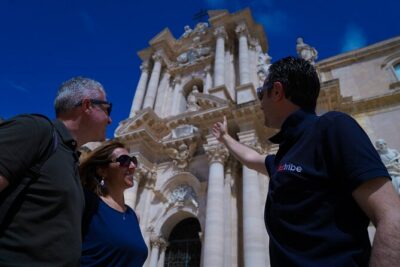
Syracuse, Ortigia and Noto walking tour from Catania
Read our review →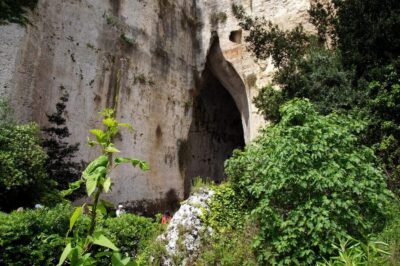
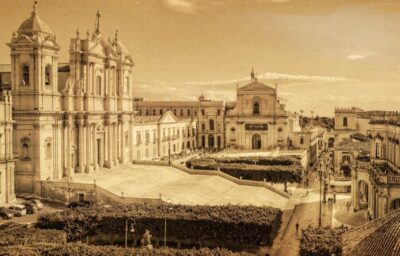
Noto, Modica and Ragusa: The Baroque Tour from Catania
Read our review →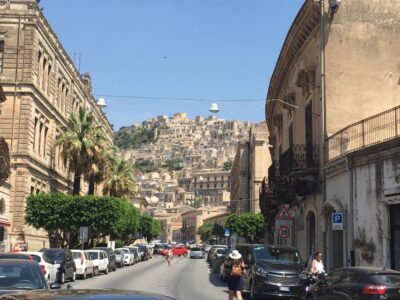
Syracuse, Ortygia & Noto small group Tour from Catania with lunch
Read our review →
Browse the lists this tour appears in